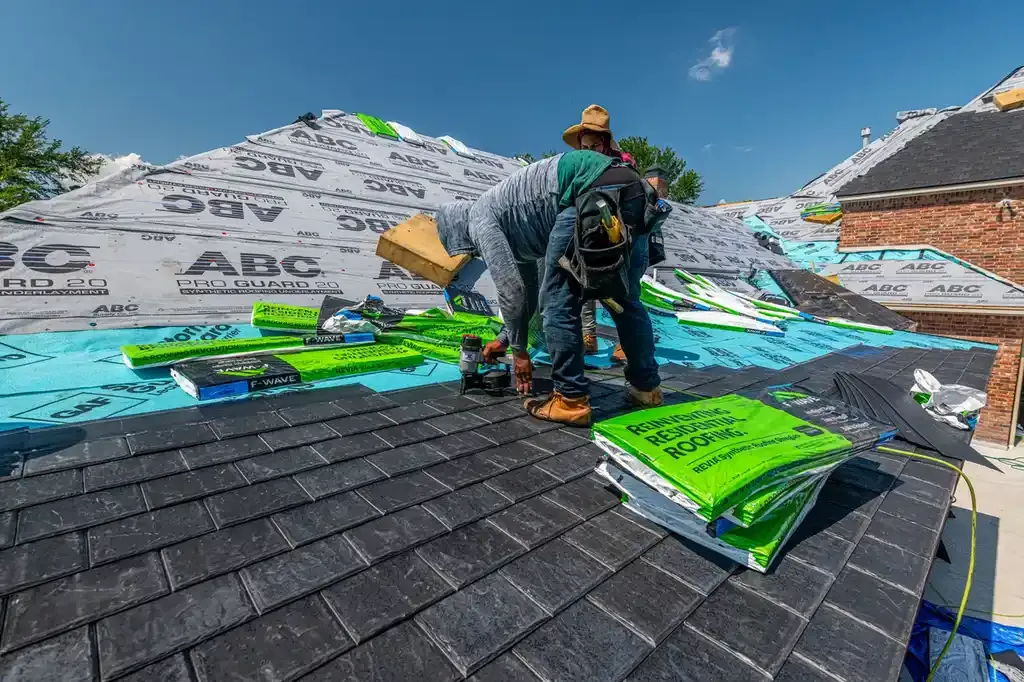
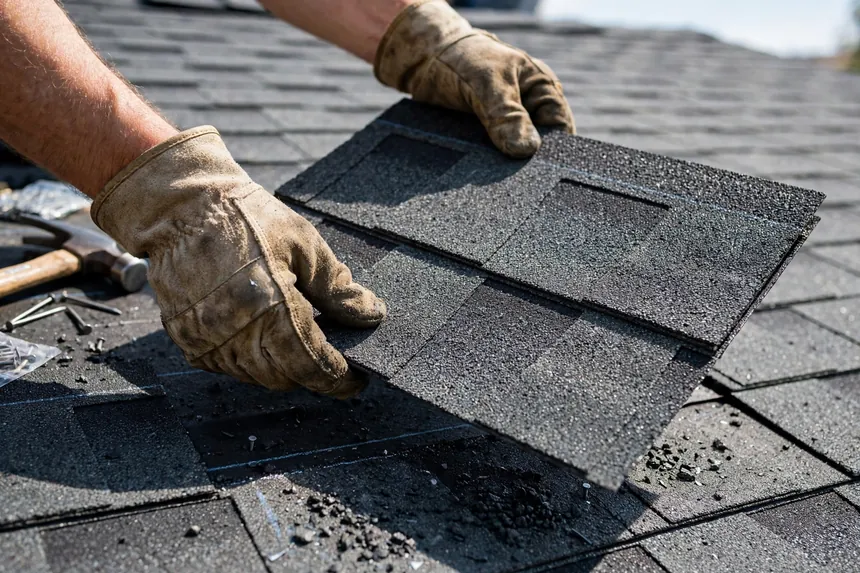
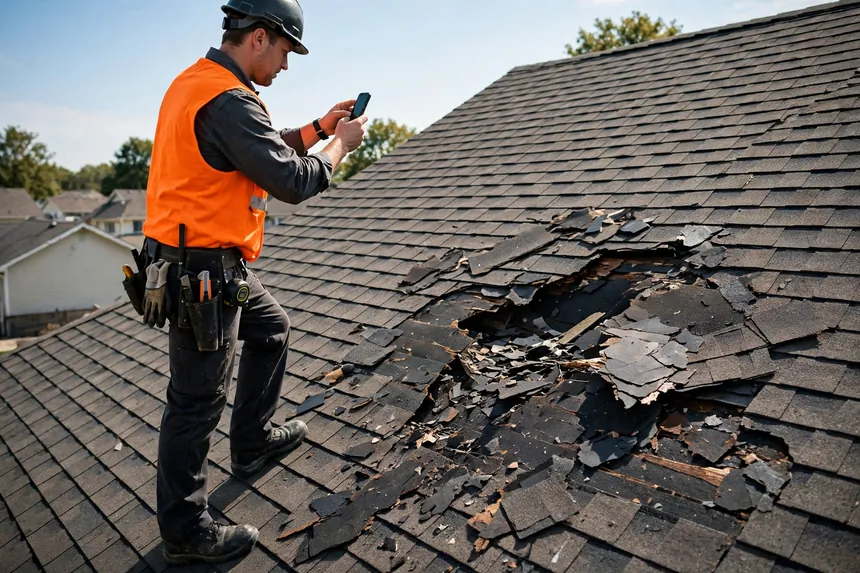
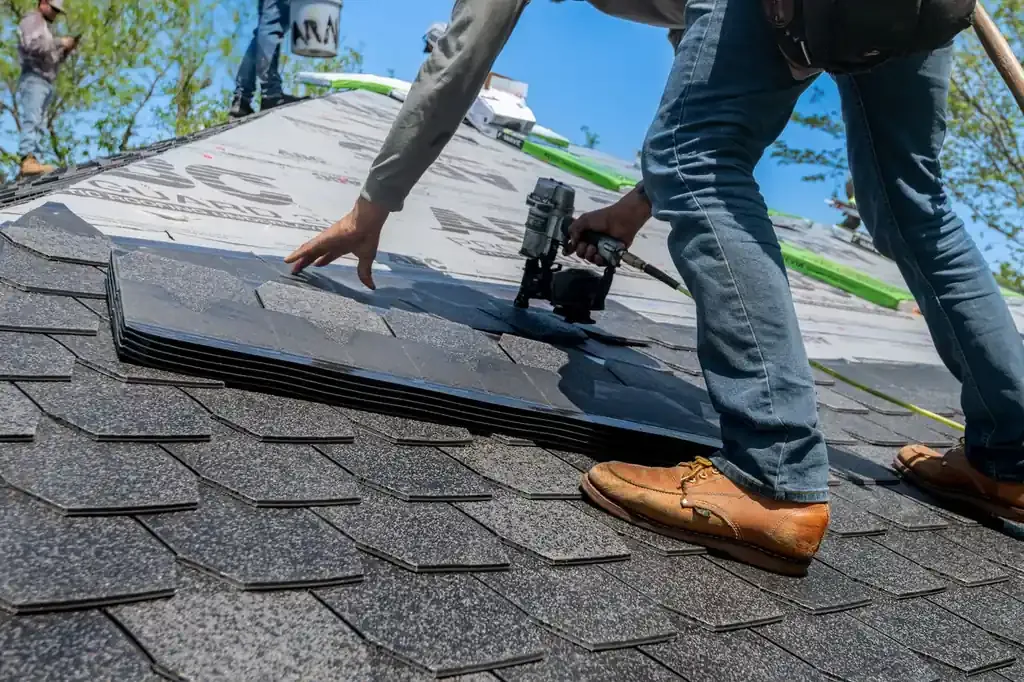
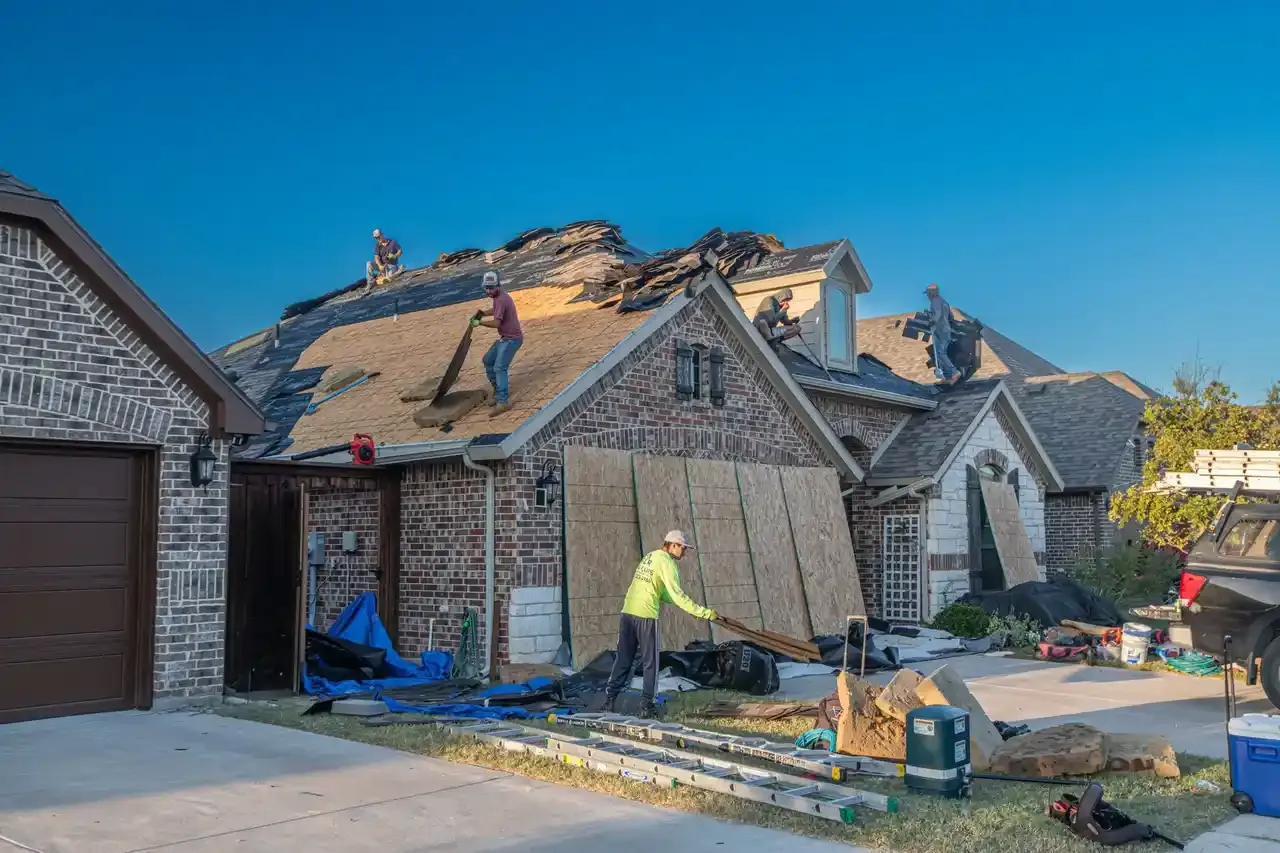
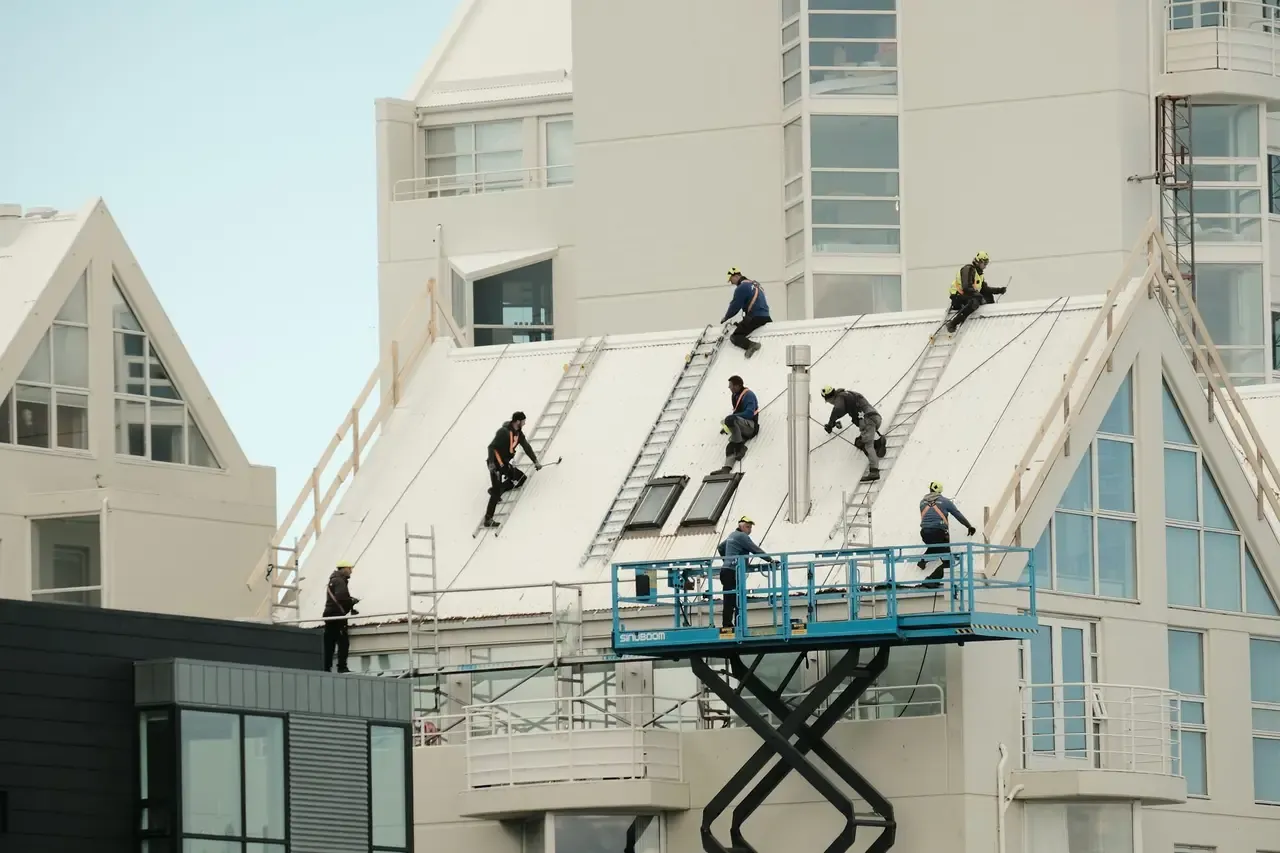
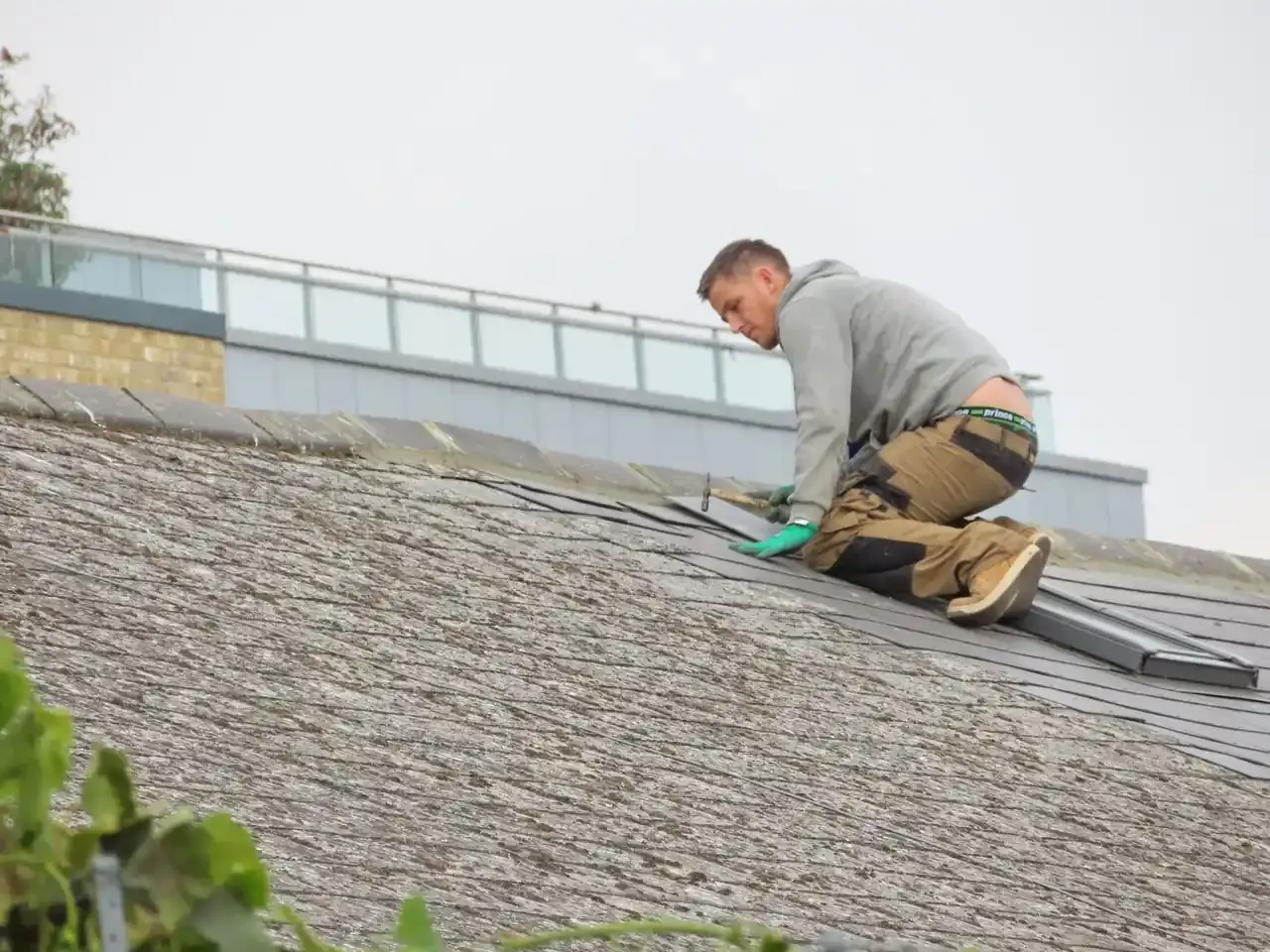
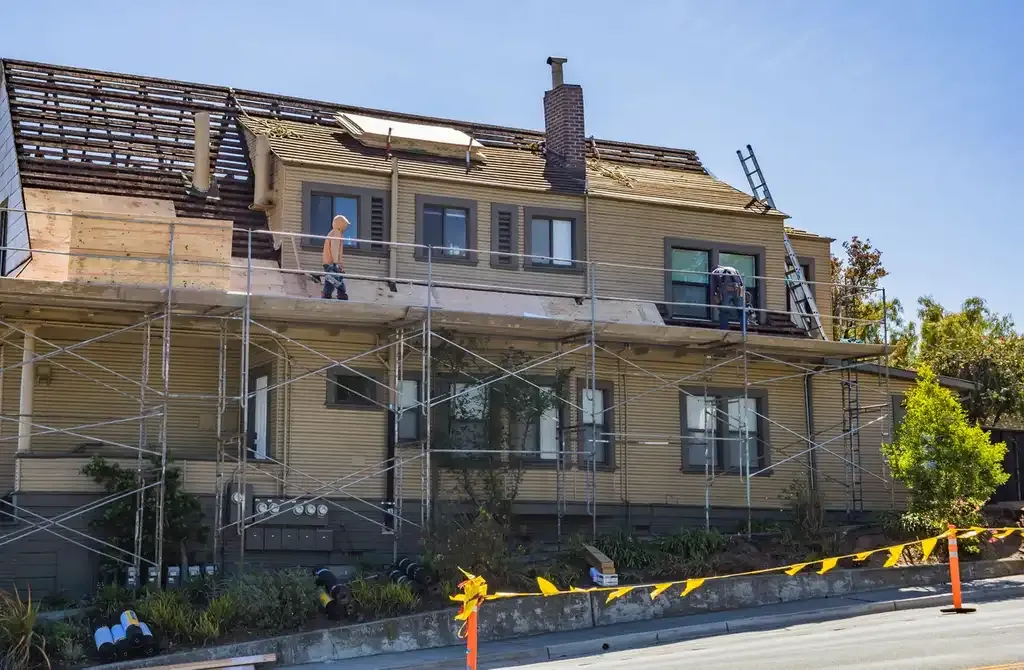
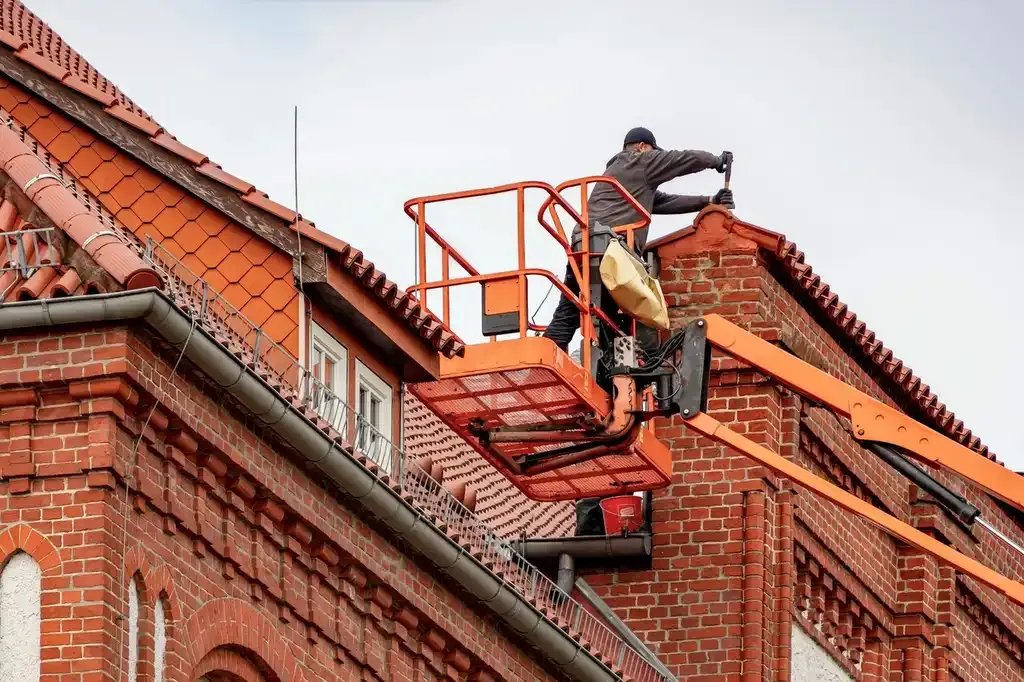
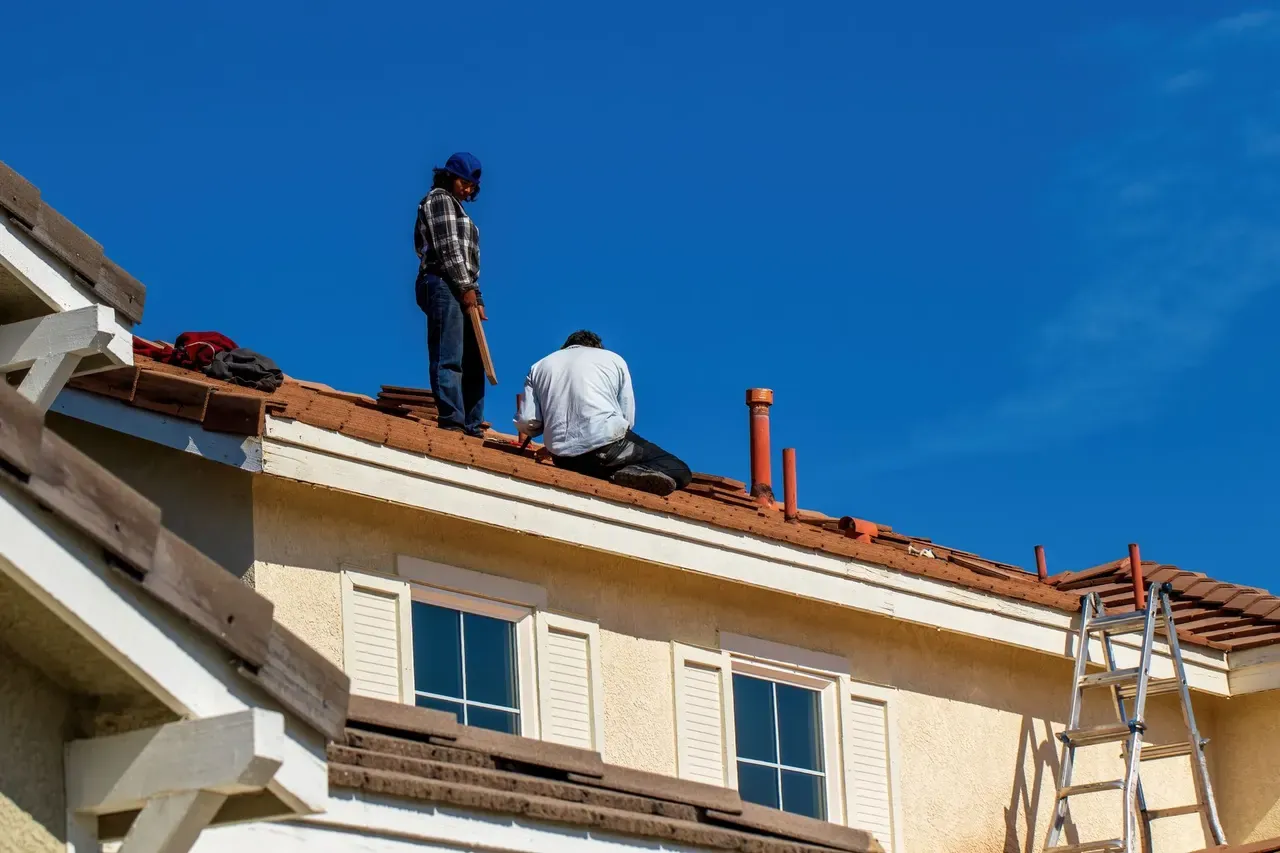
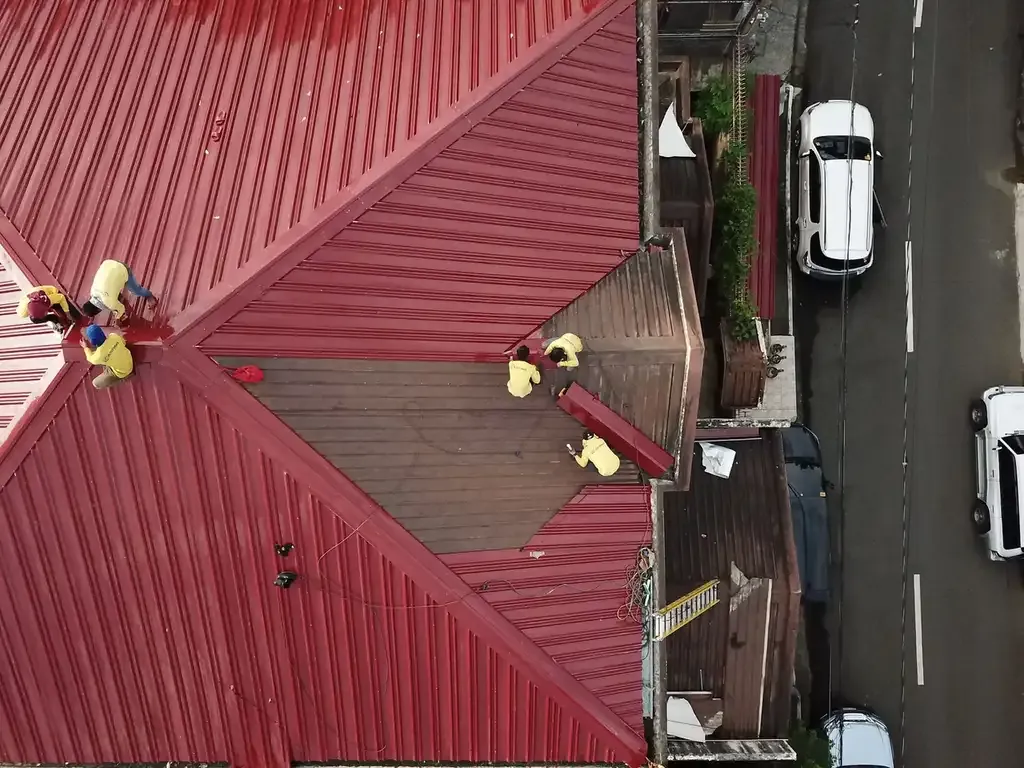
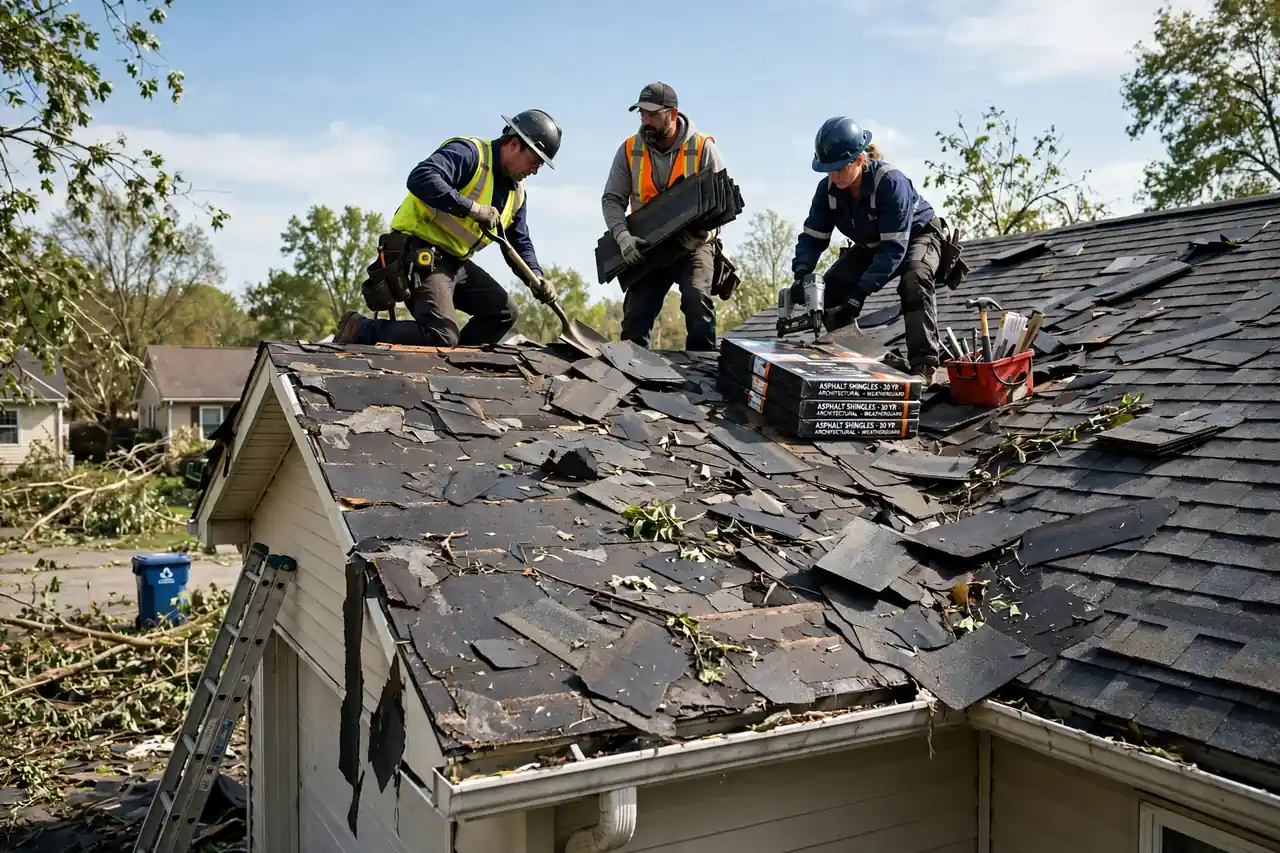
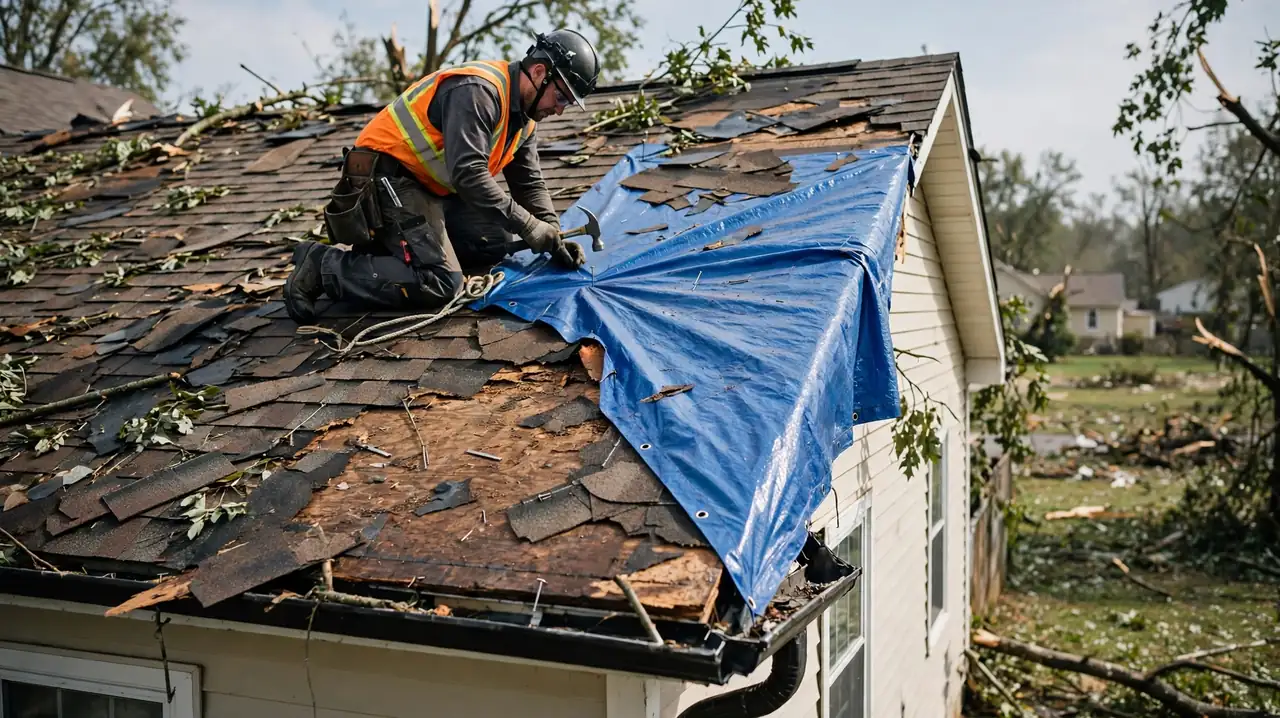
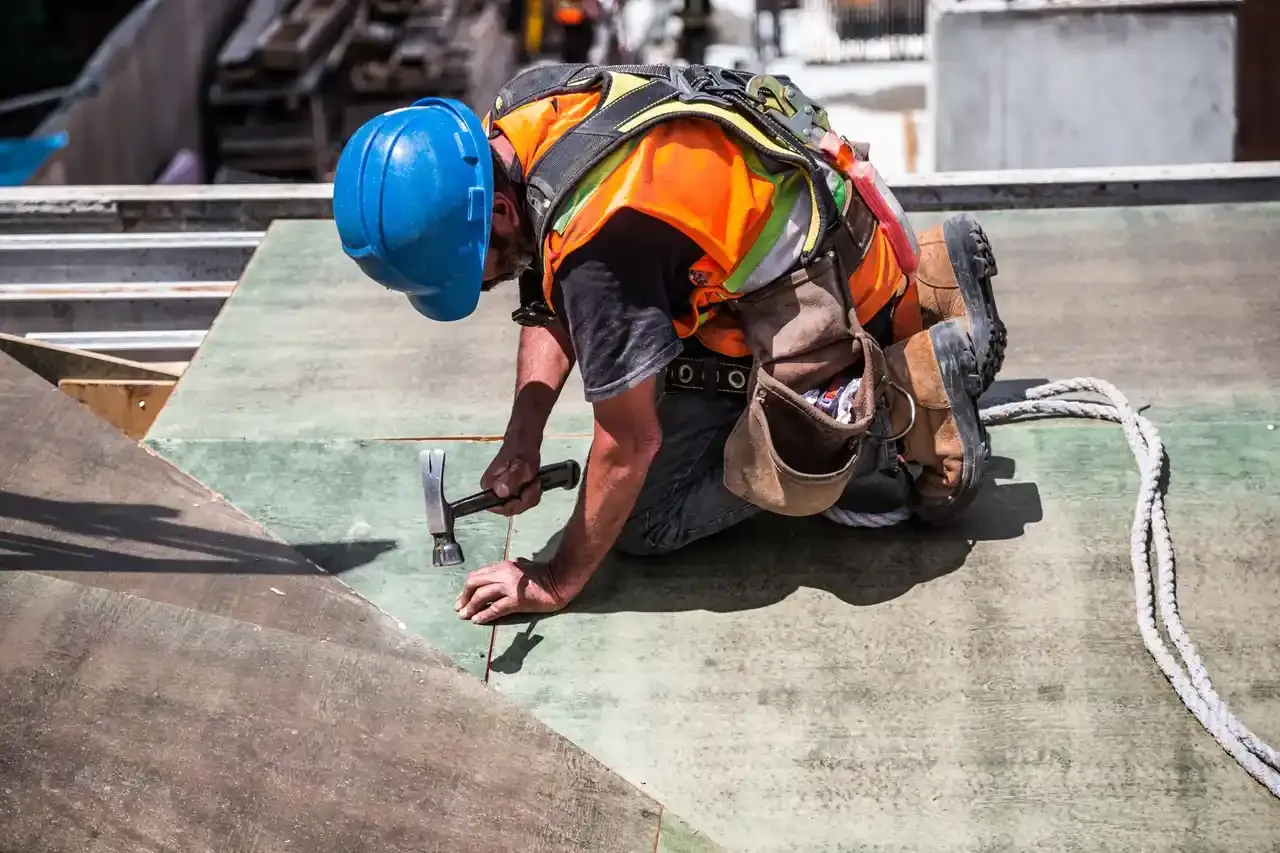
Wind damage roof repair Tomball TX helps homeowners and property managers address missing shingles, lifted edges, loose flashing, and active roof leaks after a storm. Our Tomball Roofing Experts team checks the affected area, explains the repair, and works to keep water out before damage spreads into roof decking or ceilings. For wind damage roof repair in Tomball, Texas, call (877) 791-3217 when you see fresh damage or hear new roof popping noises.
Wind damage roof repair covers inspection of affected roofing, identification of the water-entry path, and repair of damaged shingles, flashing, or roof-edge components. We check accessible underlayment and decking before closing an opening and clean up the removed materials. If inspection reveals extensive deck deterioration, unrelated leaks, or a larger replacement need, we explain how that condition changes the work instead of treating it as a routine patch.
Damage inspection
We inspect the affected slope and nearby roof details for missing or lifted shingles, damaged flashing, displaced ridge material, and exposed edges. You receive an explanation of what we can see and how the damage connects to any interior leak or ceiling stain.
Opening protection
Where an opening is exposed, we protect the affected area with an appropriate temporary measure before permanent repairs. We take weather and safe roof access into account, and keep the work area clear of loose roofing and fasteners.
Roof component repair
We replace or secure wind-damaged shingles, flashing, trim, and other affected roof components using materials suited to the existing system. The repair includes attention to adjacent roofing so the new work ties into the surrounding surface.
Underlying condition check
When repair work exposes the layers beneath the roof covering, we check the underlayment and visible roof decking for water damage. If those materials are compromised, we explain the additional work required to create a sound base for the roof repair.
Final review and cleanup
After the repair, we review the repaired area, check nearby fastening and sealant, and remove job debris. We share photos and explain any remaining roof concerns that were visible during the work, so you know what was completed.
Homes and businesses.
The approach is the same for a home and a business. What changes is the access, the schedule and who needs the paperwork.
For homes
We help homeowners and tenants address missing shingles, ceiling stains, and loosened roof edges. You get a clear explanation of the affected area and repair.
Missing shingles after a storm
Water marks on ceilings
Loose flashing near a vent
For businesses
We inspect roof edges, seams, and penetrations for owners and property managers. You receive a practical repair plan that accounts for building access and use.
Lifted membrane seams
Loose perimeter metal
Leaks near rooftop equipment
Wind damage roof repair Tomball TX explained
A plain-language look at what Wind Damage Roof Repair involves and when it is needed.
Wind damage roof repair Tomball TX is a roofing repair service that restores or secures roof components loosened, displaced, or torn by wind to limit water entry. We inspect shingles, roof flashing, ridge areas, valleys, and visible decking, then match the repair to the roof system. A shingle ripper and roofing hammer help remove damaged pieces without disturbing sound courses; replacement materials are fastened and sealed to suit the existing assembly. We also check the roof underlayment where accessible, because a surface patch alone will not solve a leak if the layer beneath has failed.
Tomball roofs face gusty thunderstorms, wind-driven rain, and repeated wet-weather exposure, so a few missing shingles can quickly become a ceiling stain or attic water damage. Our team checks the roof and interior signs, including damp insulation and moisture readings, then prioritizes openings that can admit water. Tomball wind damage roof repair is useful after a storm even when damage is not obvious from the yard. If you need affordable wind damage roof repair in Tomball, Texas, we explain the repair options and likely work duration before starting.
Wind damage repair secures displaced roofing and closes openings that let rain reach the building.
What it is
Repair of roofing components loosened, displaced, or torn by wind.
When needed
After missing shingles, lifted edges, flashing movement, or wind-related leaks.
What to expect
Inspection, targeted repairs, cleanup, and a review of completed work.
What to expect during repairs
Wind damage roof repair in Tomball follows a clear sequence: inspect, diagnose, protect, repair, and verify. We explain what we find and keep you informed as the work moves from the first visit to cleanup.
Initial inspection
We start with your description of the storm, when you first noticed damage, and whether water is entering the building. A roofing ladder and fall protection harness are used for safe access where conditions allow. We check the affected slope, roof edges, penetrations, and interior water stains; a focused inspection usually takes 30 to 60 minutes, depending on roof size and access.
Storm details
Roof access
Visible signs
Find the entry point
Our roofer traces the visible damage to its likely cause instead of treating the ceiling stain alone. We look for missing or curling shingles, loosened flashing, damaged ridge details, and exposed underlayment. A moisture meter helps check suspect interior areas. You hear what is damaged, what remains sound, and which repair will stop the water path.
Trace leak
Check flashing
Review layers
Protect the opening
If an opening needs immediate protection, we cover the exposed area with a suitable temporary measure before permanent repair. We move or cover nearby items and keep debris contained. The setup depends on weather and roof access; a small, reachable section can often be stabilized in under an hour, while a larger opening needs more preparation.
Protect opening
Cover surfaces
Set access
Repair roof components
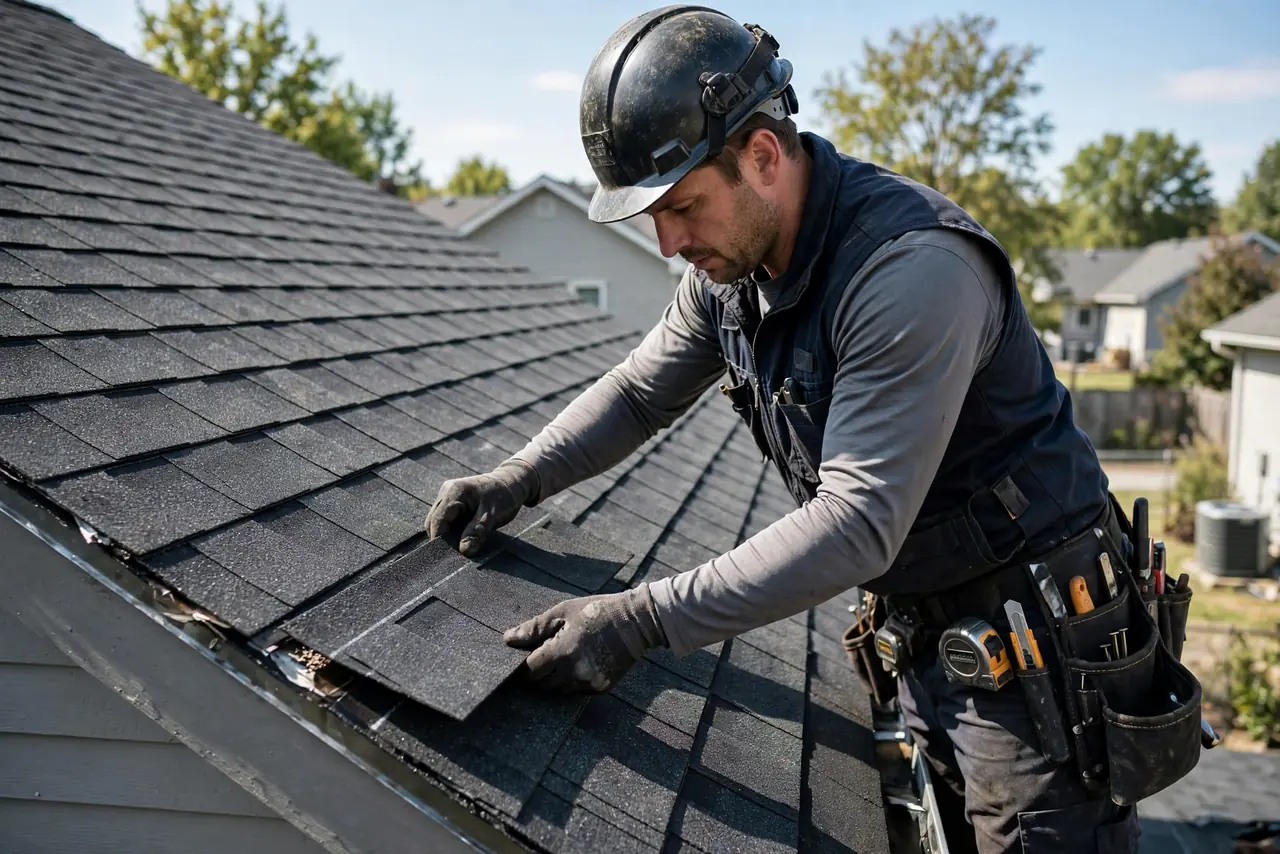
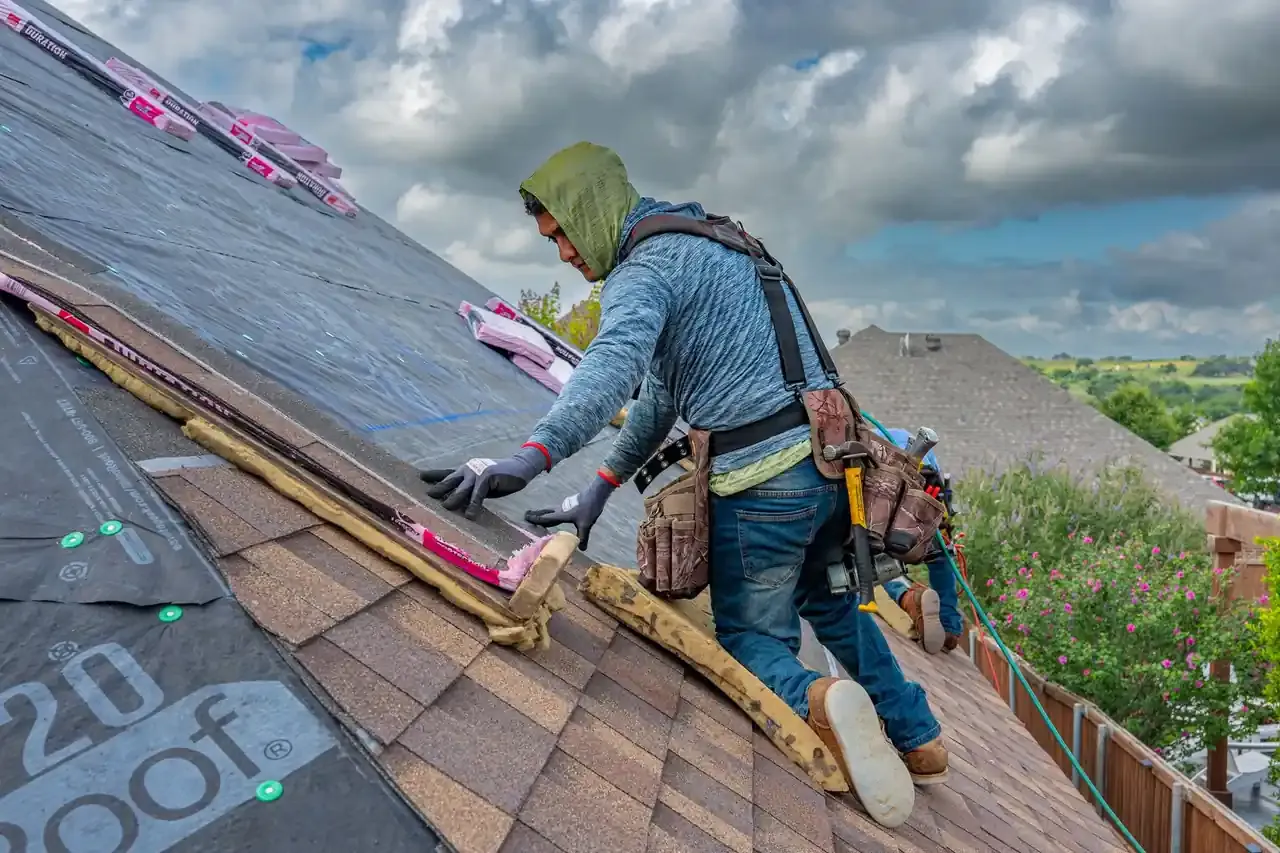
We remove broken material carefully, inspect the exposed roof decking and underlayment, and replace damaged components with compatible products. A roofing nail gun or hammer secures replacement shingles at the correct locations, while flashing details are reset or replaced as needed. A limited repair often takes two to four hours; concealed damage can extend the work.
Replace material
Secure edges
Seal transitions
Check and clean up
After repairs, we check fastening, sealant, adjacent courses, and the surrounding drainage path. We gather removed roofing and fasteners, then review the finished area with you and provide job photos. If the inspection uncovers a separate issue, we explain its location and effect so you can decide on the next repair with clear information.
Inspect repair
Remove debris
Review photos
Tools and repair methods
Move across a circle, or focus it and press Enter, for an illustrative thermal view of the photograph.
Roofing ladder
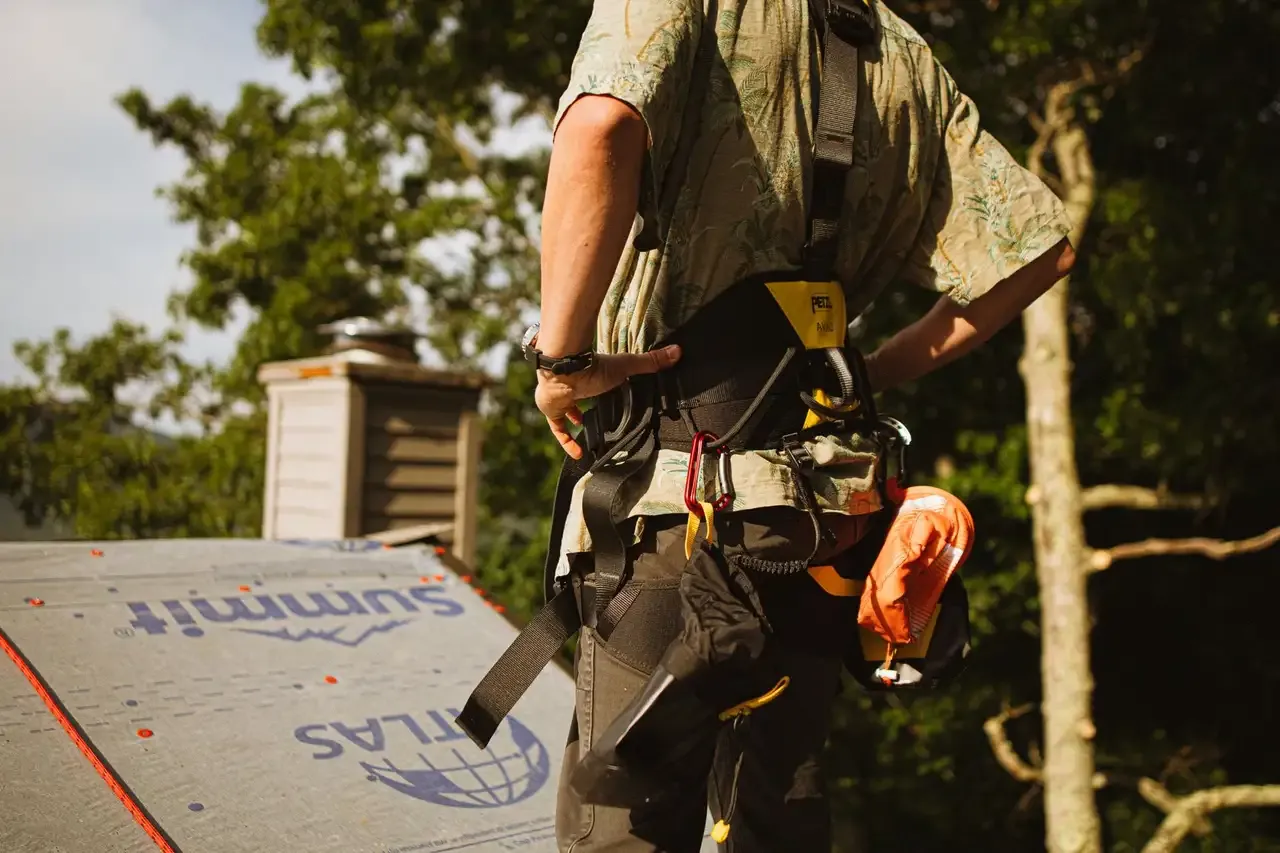
Provides controlled access to the roof edge for inspection and repair setup. We position it on stable ground and use fall protection where the roof and conditions require it.
Shingle ripper
Lifts damaged shingles and roofing nails so a replacement can be installed without tearing sound material around the repair.
Roofing hammer
Sets or removes roofing nails during repair, allowing the roofer to secure replacement shingles and trim at the intended fastening points.
Moisture meter
Checks suspect interior or exposed wood areas for elevated moisture readings, helping distinguish a dry surface from an area that needs further attention.
Utility knife
Cuts shingles and underlayment to fit the repair area. We keep cuts controlled so surrounding roof materials remain intact.
Thermal views are illustrative, generated from the photographs.
Methods
Cause-first leak tracing
We start at the visible damage or interior stain, then follow roof transitions, valleys, and penetrations to locate the likely entry point. The team checks nearby material because water can travel beneath roofing before appearing indoors. This method avoids treating a ceiling mark while leaving the roof opening untouched.
Layer-by-layer repair
When damaged roofing is removed, we inspect the layers exposed beneath it before closing the section. If underlayment or decking is compromised, we address the affected layer so the replacement surface has a sound base. We then secure compatible roofing materials and check how the repair ties into adjacent courses.
Compatible material matching
We identify the existing roof type and select repair materials that suit its profile and installation requirements. For shingles, that includes matching dimensions and fastening placement as closely as available products allow. For flashing or metal components, we focus on fit, secure attachment, and a watertight transition.
Final water-path review
After repair, we check the repaired area and its drainage route for loose edges, exposed fasteners, and gaps around transitions. We clear job debris and review photos with you. The final check focuses on whether the repaired detail directs water across the roof and toward the intended drainage path.
When to call for roof repair
Missing shingles
After a Tomball thunderstorm, you see shingles scattered across the yard or an exposed roof patch.
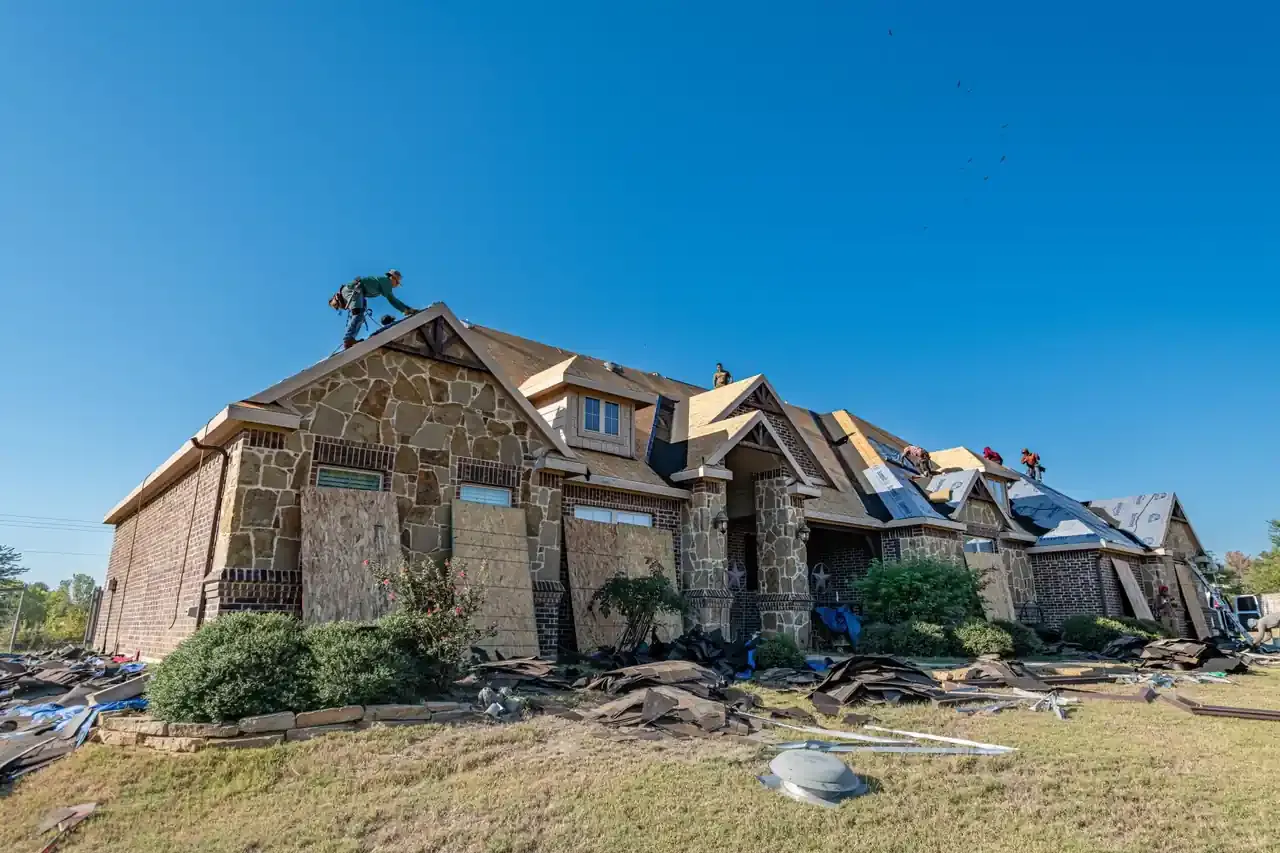
Call us to inspect the affected slope and secure the opening. We check nearby shingles, underlayment, and flashing, then determine whether temporary protection is needed before permanent repairs. If access is unsafe because of weather, we explain the immediate protective step and arrange the repair when conditions allow.
Outcome: The opening is addressed before more rain can enter, and you know which roof components were damaged and repaired.
Ceiling stain
A ceiling stain appears after wind-driven rain, but the roof looks intact from the driveway.
We trace the water path from the stain to the roof, checking valleys, vents, chimney flashing, and adjacent shingles. A moisture meter can help locate damp areas indoors. Once we identify the entry point, we repair the roof detail causing the leak rather than covering the ceiling mark.
Outcome: You get a roof-level repair aimed at the source, with the affected interior area documented for follow-up.
Loose shingles
Loose shingles make tapping or popping noises during gusts near Creekside or Northpointe.
We inspect the noisy area and neighboring courses to find loose fasteners, lifted tabs, or a damaged edge. Our crew secures or replaces affected roofing and checks the surrounding materials. If the sound comes from a separate roof component, we point it out and explain the practical repair.
Outcome: The loose section is secured, and you have a clearer picture of whether nearby roofing also needs attention.
Lifted edge
A commercial roof edge or membrane seam lifts after a strong wind event in Tomball.
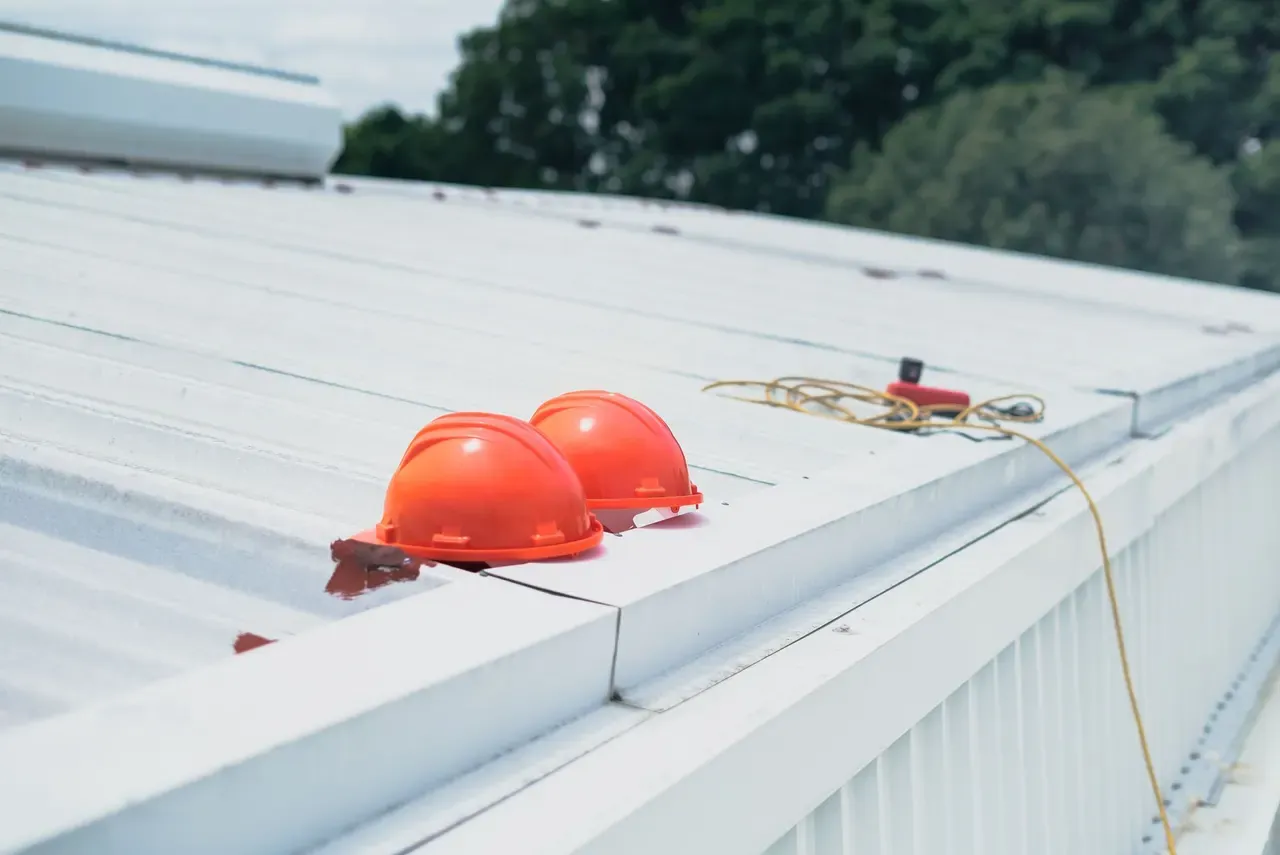
We inspect the perimeter, seams, penetrations, and drainage path of the affected roof. The repair plan accounts for the roofing system and building access, then focuses on restoring the loose section and protecting exposed areas. We coordinate the work area to keep customer and staff access clear where practical.
Outcome: The vulnerable roof detail is repaired, helping reduce water entry risk to the building and its contents.
Old Town TomballAmiraCreekside Park
Wind repairs across Tomball neighborhoods
Wind damage roof repair in Tomball must account for sudden thunderstorms, humid conditions, and rain that can follow a gust event before a roof fully dries. We ask where water appeared, which direction the storm came from, and whether the leak changed after rainfall. Those details help us inspect the correct slope and roof transitions.
In neighborhoods such as Old Town Tomball, roof age and past repairs can affect how replacement shingles tie in; newer homes around Amira and Creekside Park may use different profiles and ventilation layouts. We follow applicable IBC and IRC requirements for the repair and check that the completed work fits the existing assembly.
Wind roof repair Tomball TX includes attention to roof edges, flashing, ridge details, and attic signs when accessible. For homes in Harris County ZIP codes 77375 and 77377, we plan around roof access, property layout, and active weather so the repair addresses the actual exposure rather than applying the same patch everywhere.
Old Town Tomball: Older roof assemblies and previous repairs can affect how replacement shingles meet existing courses, so we inspect the surrounding material before fastening a patch.
Amira: We check the roof profile, ridge details, and ventilation layout so a repair matches the installed system rather than relying on a generic shingle fit.
Creekside Park: After gusty rain, we inspect roof edges and penetrations for lifted materials, then trace any interior stain to the likely roof entry point.
Northpointe: We assess accessible attic areas when a leak is reported, since moisture can travel from a roof opening before it reaches a visible ceiling stain.
Fast thunderstorms can bring wind-driven rain before roofs dry: Wet surfaces affect safe access and make it harder to distinguish fresh moisture from older staining. We prioritize exposed openings, inspect when conditions permit, and avoid closing wet or damaged layers without checking them.
Humid weather can keep attic materials damp after a leak: Damp insulation and roof decking can retain moisture even after the rain stops. We check accessible areas and trace the roof opening so the repair stops continued water entry instead of masking the interior evidence.
We walk through the damage location and explain what we will inspect.
We set up roof access and protect nearby areas from debris.
We review completed repairs, photos, and any visible next steps.
From problem to finished result.
IllustrativeThe thermal view is generated from the photograph. It is not a measurement. Drag the handle, or use the arrow keys once it is focused.
Missing shingles after a gust
Before: A homeowner in Tomball found four shingles on the lawn after a thunderstorm and noticed a dark mark in the attic. The exposed area was about 3 feet wide, with two neighboring shingle tabs lifted. Water had reached the underlayment, but the roof decking remained firm where inspected.
After: We replaced the damaged shingles, secured the lifted tabs, and repaired a small section of underlayment. The repair covered the 3-foot opening and included a check of the adjacent courses. Photos showed the exposed area before work and the completed repair, and the attic stain showed no new moisture after the next rain.
After major storms, check the yard and ceilings from ground level for clues, but stay off the roof. Keep a note of new stains and call if the mark grows or roofing appears displaced.
Flashing leak at a vent
Before: A Creekside resident saw a ceiling stain roughly 10 inches across after wind-driven rain. The shingles around the roof vent looked in place from the driveway, but the vent flashing had shifted and sealant had separated along one edge. Water was reaching the attic around the penetration.
After: We reset the affected flashing, replaced the failed seal detail, and secured shingles disturbed around the vent. The repair took about three hours, including inspection and cleanup. A moisture check helped identify the damp area, and the customer received photos showing the corrected transition and the interior location that had been affected.
Check ceilings and attic access areas after heavy rain, and note whether a stain changes. Keep roof penetrations clear of debris and arrange an inspection if water marks return.
Loose roof edge secured
Before: A property owner near Northpointe heard repeated tapping during gusts and found a 6-foot section of roof edge lifting. Several shingle ends and part of the drip edge had loosened. The area had not leaked yet, but another storm could have pulled more material away.
After: We secured the affected edge, replaced the bent drip edge, and refastened the neighboring shingles. The repair addressed the full 6-foot run rather than only the visible loose corner. A final check found no additional lifted sections nearby, and the team removed fasteners and scraps from the work area.
After windy weather, look from the ground for uneven roof lines or metal trim hanging loose. Report new tapping or visible movement early, before rain enters the roof assembly.
Problems affordable wind repair addresses
Tomball homeowners often notice wind damage through missing shingles, fresh ceiling stains, or a roof edge that looks different after a storm. Affordable wind damage roof repair in Tomball, Texas focuses first on stopping water entry and securing damaged components before the next round of rain.
Exposed underlaymentMissing shingles expose roof underlayment to wind-driven rainWater can move beneath adjacent shingles and reach roof decking, insulation, and ceilings. Delayed repairs can turn a small opening into a wider leak. We remove loose or broken pieces, inspect the exposed surface, and fit compatible replacement shingles. Our roofer checks neighboring courses and fastening so the repaired area does not leave another loose edge. If the underlayment is torn, we address that layer before installing the surface material.
Loose roof edgeLifted roof edges catch gusts and loosen surrounding materialsA loose edge can peel farther back during another storm, exposing the roof assembly and letting rain reach the eaves or attic. We inspect the drip edge, fascia connection, and nearby shingles to identify what has pulled free. The team secures or replaces damaged components and checks the transition along the affected run. We also look for soffit and fascia damage that could leave the edge vulnerable.
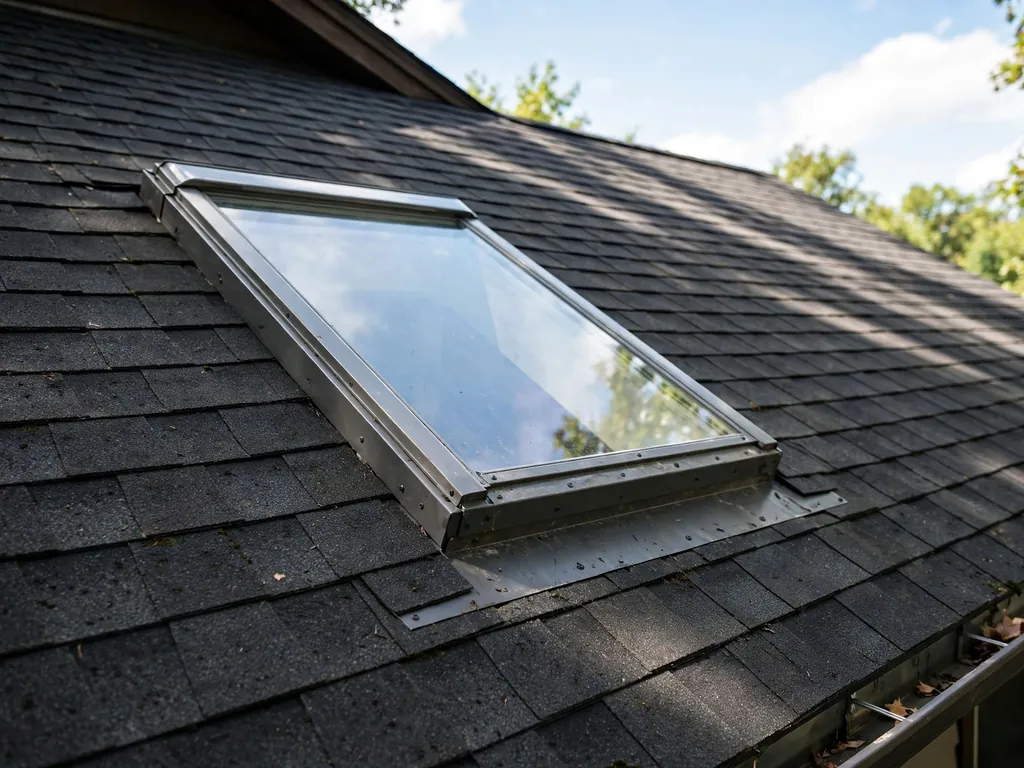
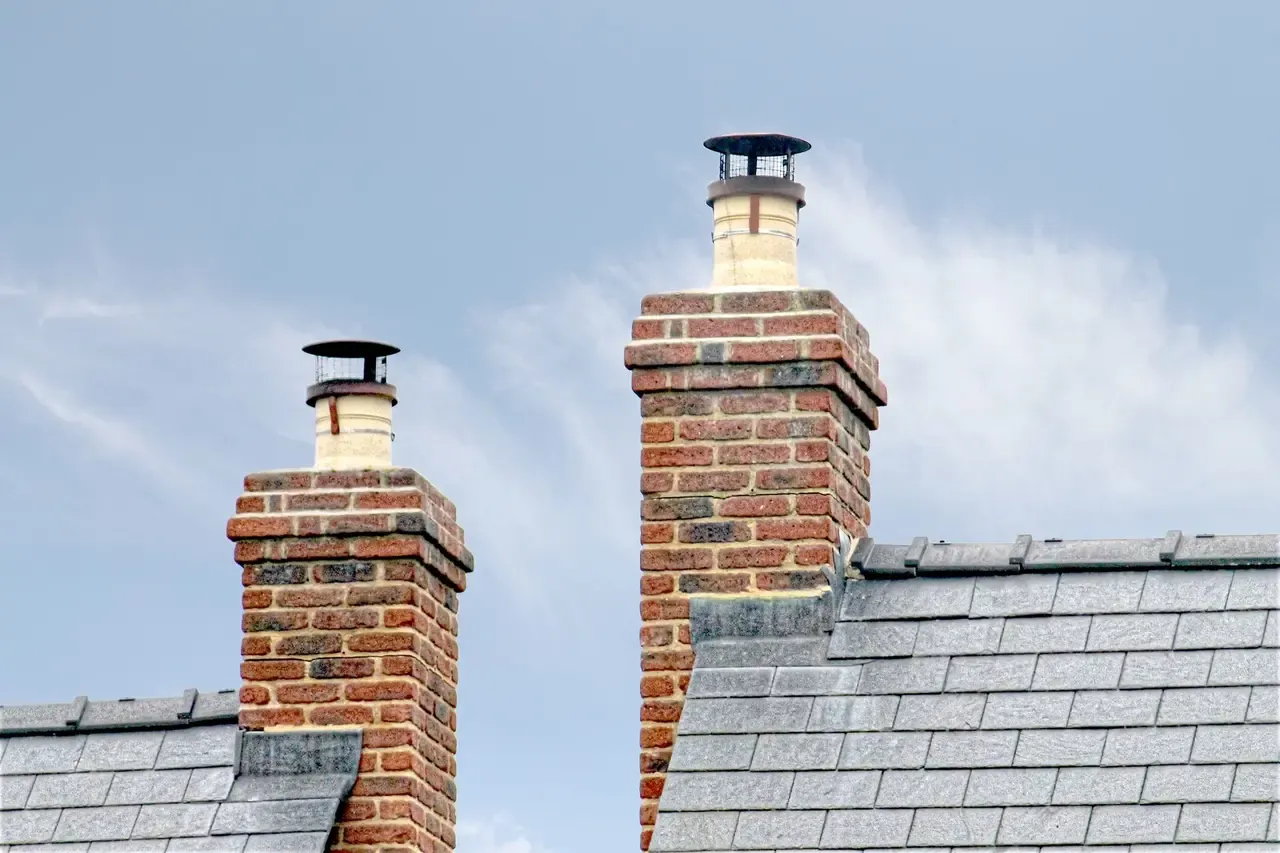
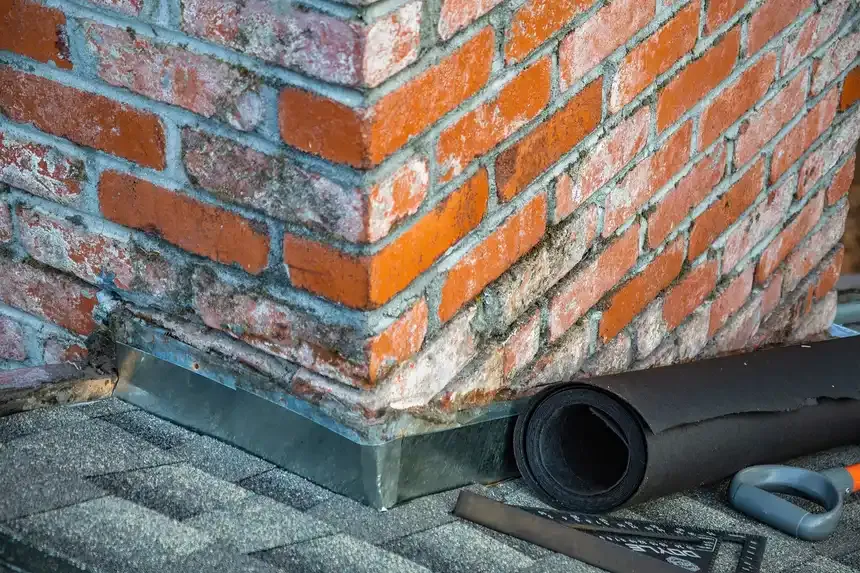
Flashing leakWind-shifted flashing leaks around vents and chimneysWater entering around a roof penetration can travel along framing before appearing as a stain, making the visible ceiling mark misleading. We trace the leak to the vent, chimney, or wall transition and check the flashing and seal. Damaged flashing is reset or replaced, and adjacent roofing is inspected for lifted shingles. We verify the repaired transition rather than applying sealant only to the interior stain.
Attic moistureStorm debris and loosened roofing create hidden attic moistureMoisture can damp insulation and roof decking before a ceiling stain appears, leaving damage harder to spot from outside the home. We inspect accessible attic areas and roof surfaces for signs of water entry, using a moisture meter where useful. Then we repair the roof-level opening and explain any affected interior materials. Finding the path early helps keep the repair focused and reduces ongoing wetting.
Practical protection after wind
A sound repair secures loose roofing and blocks the identified water path.
Limit water entry
We secure displaced shingles and vulnerable roof edges, then check nearby flashing and valleys for openings. Closing a small gap promptly helps prevent rain from reaching roof decking, insulation, or drywall. If water is already coming inside, we identify the entry point and address the immediate opening before completing related repairs.
Keep sound roofing
Wind damage does not always mean the whole roof needs replacement. We separate damaged sections from serviceable materials and repair only what the inspection supports. On an asphalt shingle roof, that can mean replacing a limited run rather than disturbing the entire slope, while matching the fastening pattern and roof sealant.
Document visible damage
Our team records the affected areas and the repair performed so you can understand what changed. Photos of missing shingles, flashing movement, and completed work make the condition easier to review later. This detail is useful when you are tracking storm damage or discussing a claim with your insurer.
Restore secure edges
Loose drip edge, ridge components, and lifted shingle tabs can catch gusts and worsen during the next storm. We fasten and seal affected details with compatible materials, then inspect adjacent courses. A completed check reduces the chance that a quick patch leaves another weak point beside the repair.
What you receive
Clear records you can keep and share.
Photo report
Images of visible damage and completed repairs.
Repair summary
A brief record of work completed at the roof.
Material notes
Details of materials used in the repair.
Site checklist
Cleanup and final review items recorded.
Repair or replacement
A localized wind opening and widespread roof deterioration call for different work; inspection helps identify which condition is present.
Localized repair
A limited area is damaged while surrounding roofing remains serviceable.
Replace affected shingles
Secure loose flashing
Check adjacent courses
Layer repair
Damage extends beneath the roof covering into underlayment or decking.
Inspect exposed layers
Repair compromised decking
Restore roof covering
Broader renewal
Damage or deterioration affects multiple roof areas and components.
Assess complete roof
Review replacement needs
Plan material removal
Roof components
Asphalt shingles
Metal panels
Roof flashing
Underlayment
Roof decking
Drip edge
Ridge vents
Roof sealant
Service ZIP codes.
A list like this tells people straight away whether you cover their street. Not listed? Call and ask: it only takes a minute.
After a storm, I found two missing shingles and a stain starting in the upstairs ceiling. The crew checked the roof around the damaged spot, replaced the shingles, and showed me photos of the flashing nearby. They explained what was repaired and cleaned up the old roofing pieces before leaving. The leak did not return during the next rain.
Wind had lifted shingles along the edge of our roof, and I could hear a tapping noise during gusts. The team secured the loose section and checked the adjacent courses rather than patching only the obvious spot. They also pointed out where the drip edge needed attention. I appreciated seeing the before-and-after photos.
We had a leak after wind-driven rain reached a roof vent. The roofer traced it to the flashing, replaced the damaged detail, and checked the ceiling area with a moisture meter. The repair was finished in a few hours, and the crew gathered debris from the work area. The next rainfall stayed outside.
Frequently Asked Questions
Typical 2026 pricing in Tomball depends on roof material, height, access, damaged decking, and how much underlayment needs replacement. We inspect the affected area and explain the work and price before proceeding. If a storm has opened the roof, tell us whether water is actively entering so we can prioritize the exposed section.
Home insurance may cover sudden wind damage, subject to your policy, deductible, exclusions, and claim decision. Take photos from the ground, note when the storm occurred, and prevent further interior damage if it is safe to do so. We can document visible roof conditions and the repair work, but your insurer determines coverage. Keep damaged materials or receipts when requested, and avoid climbing onto a wet or unstable roof to gather evidence.
Tomball Roofing Experts handles emergency roof repairs for wind-opened roofing and active leaks; call (877) 791-3217 to describe the damage. We first focus on the exposed area and water entry, then inspect for displaced shingles, flashing problems, and interior moisture. Keep people clear of sagging ceilings and do not climb onto a wet roof. Response timing depends on current weather and safe access, but an urgent call helps us understand the immediate risk.
Same-day wind damage roof repair Tomball is possible for a reachable, limited repair when weather and crew scheduling allow. A small shingle replacement can take two to four hours after inspection, while widespread damage, wet decking, or unsafe wind conditions require more time. Call with your address, roof type if known, and whether water is entering. We will explain the next practical step and whether temporary protection is needed before permanent repairs.
If shingles are missing, flashing has pulled loose, or water is coming through, call Tomball Roofing Experts at (877) 791-3217. Our team will discuss the damage and arrange the next step. Call now to protect the exposed area.
Call (877) 791-3217 to discuss roof replacement, roof repair, a leak, or storm damage at your Tomball property. Our phone team can hear the details and connect your request with an independent roofing company. Contact us during regular business hours, Monday through Friday, 8 a.m. to 6 p.m.; for active water entry, describe where it is happening when you call.