Storm Damage Roof Repair Tomball TX That Stops Leaks
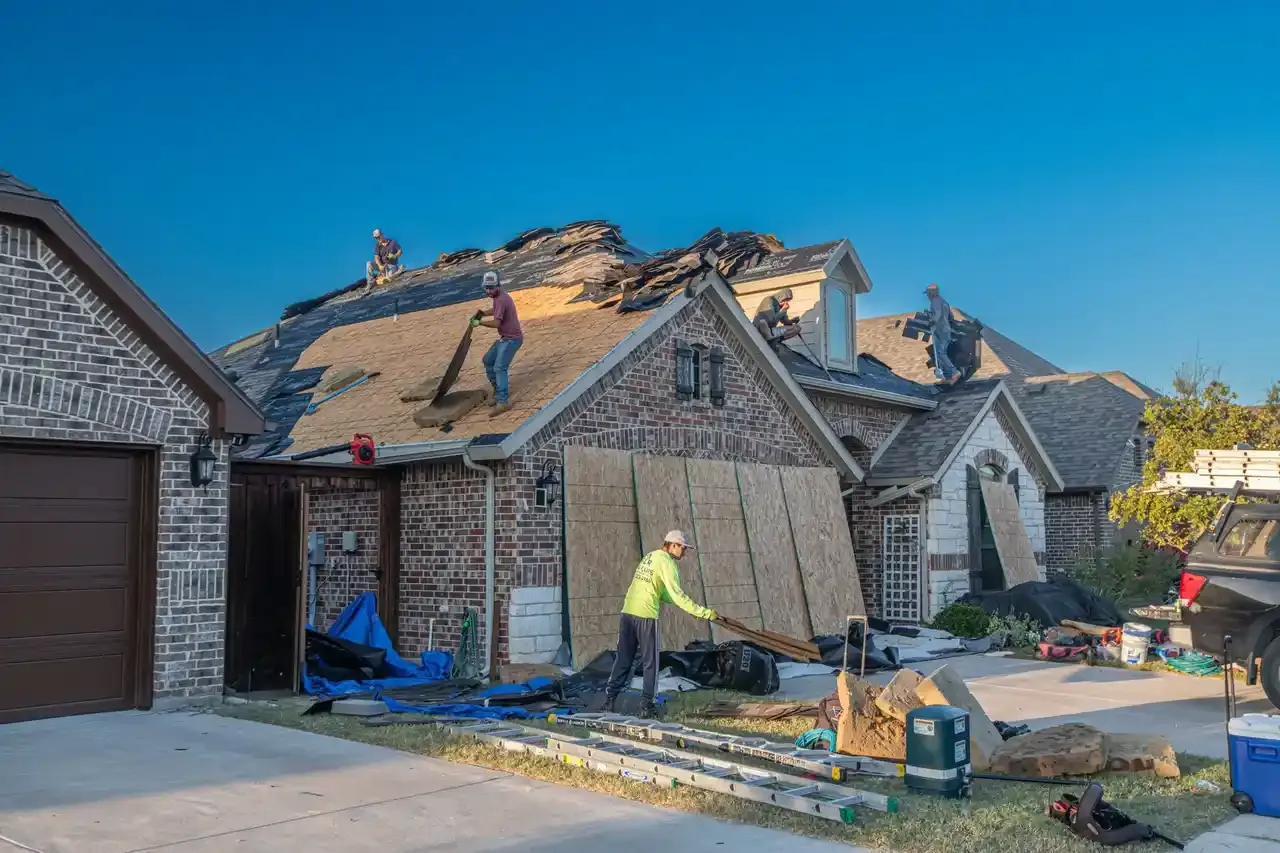
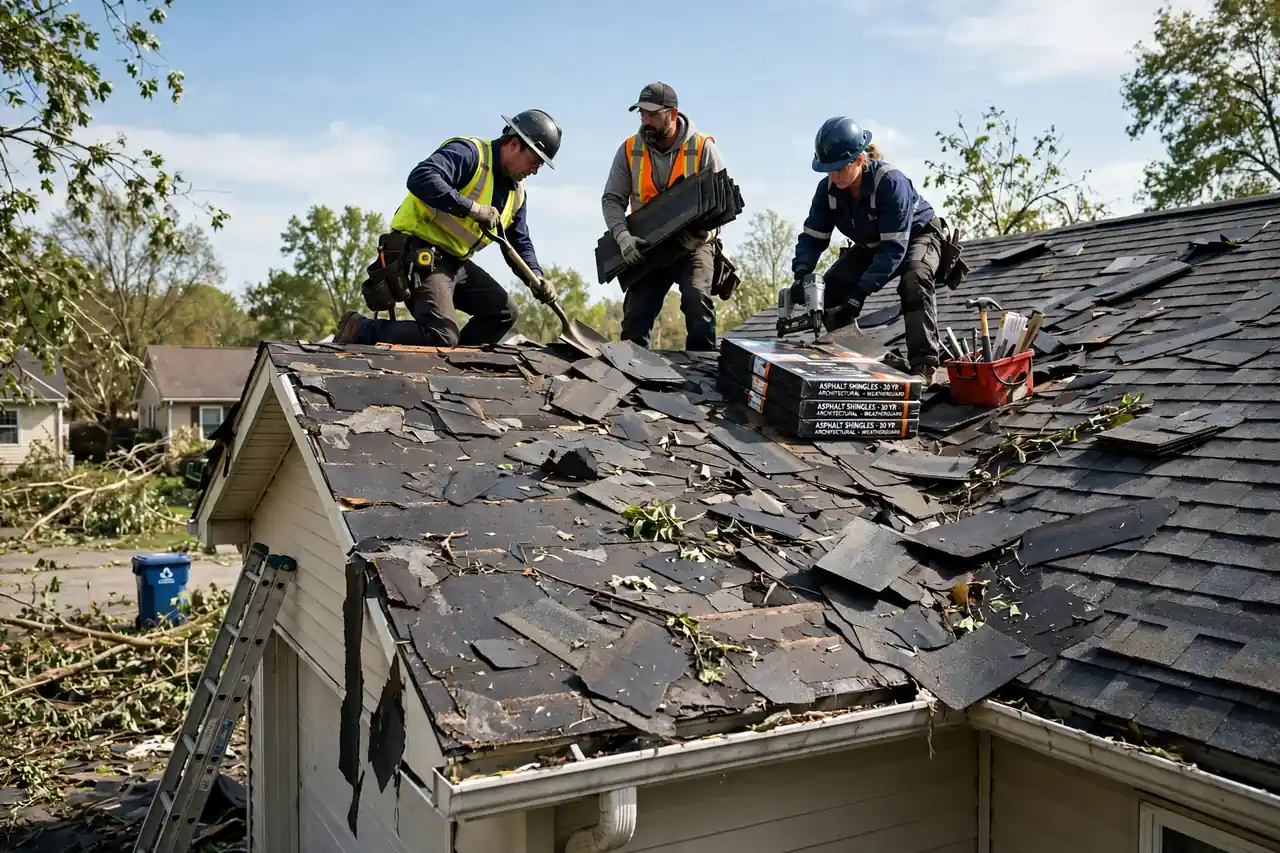
Storm damage roof repair Tomball TX helps homeowners and property managers limit water entry after hail, wind, or heavy rain. We inspect the roof, identify damaged materials, and repair the affected area before a small opening spreads into wet decking or stained ceilings. Our team serves Tomball, Texas, with practical repairs for asphalt shingles, flashing, and other roof systems, including urgent protection when weather has left your building exposed.
Photographs findingsShows damage and completed repairs
Protects work areaKeeps debris away from walkways
Checks nearby seamsLooks beyond the visible opening
Explains repair stepsReviews the work with you
What Storm Damage Roof Repair Includes
Storm damage roof repair covers inspection of the affected area, identification of the water path, and repair of damaged roof materials needed to restore weather protection. Work can include shingles, flashing, underlayment, or limited decking replacement when those parts are damaged. Broader replacement, unrelated maintenance, and interior finish restoration are separate projects. We explain the repair area and materials before work begins so you know what the roof work addresses.
Damage Assessment
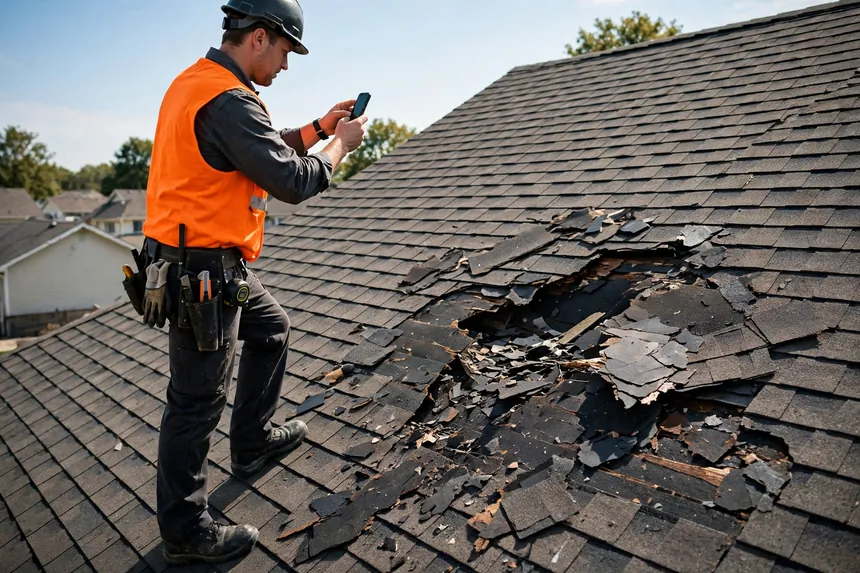
We inspect the reported roof area and nearby transitions for wind-lifted shingles, hail impacts, damaged flashing, and open seams. The assessment includes accessible interior clues such as attic moisture or ceiling staining. You see the findings and understand which conditions connect to the reported leak.
Temporary Weather Protection
When a storm leaves an opening exposed, we cover the affected area when roof conditions are safe for access. Temporary protection limits additional rain entry until permanent repairs can be made. We explain what has been covered and what still requires a lasting repair.
Roof Material Repair
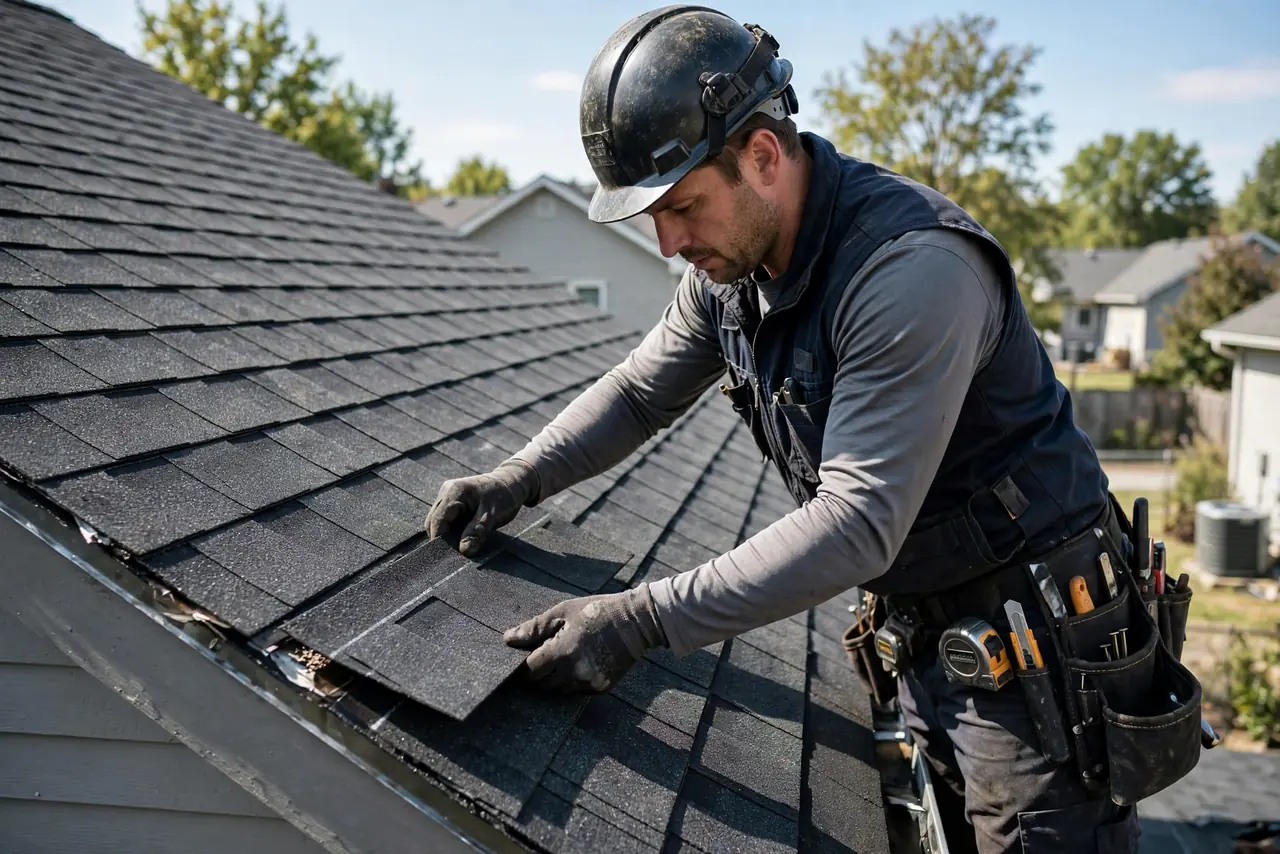
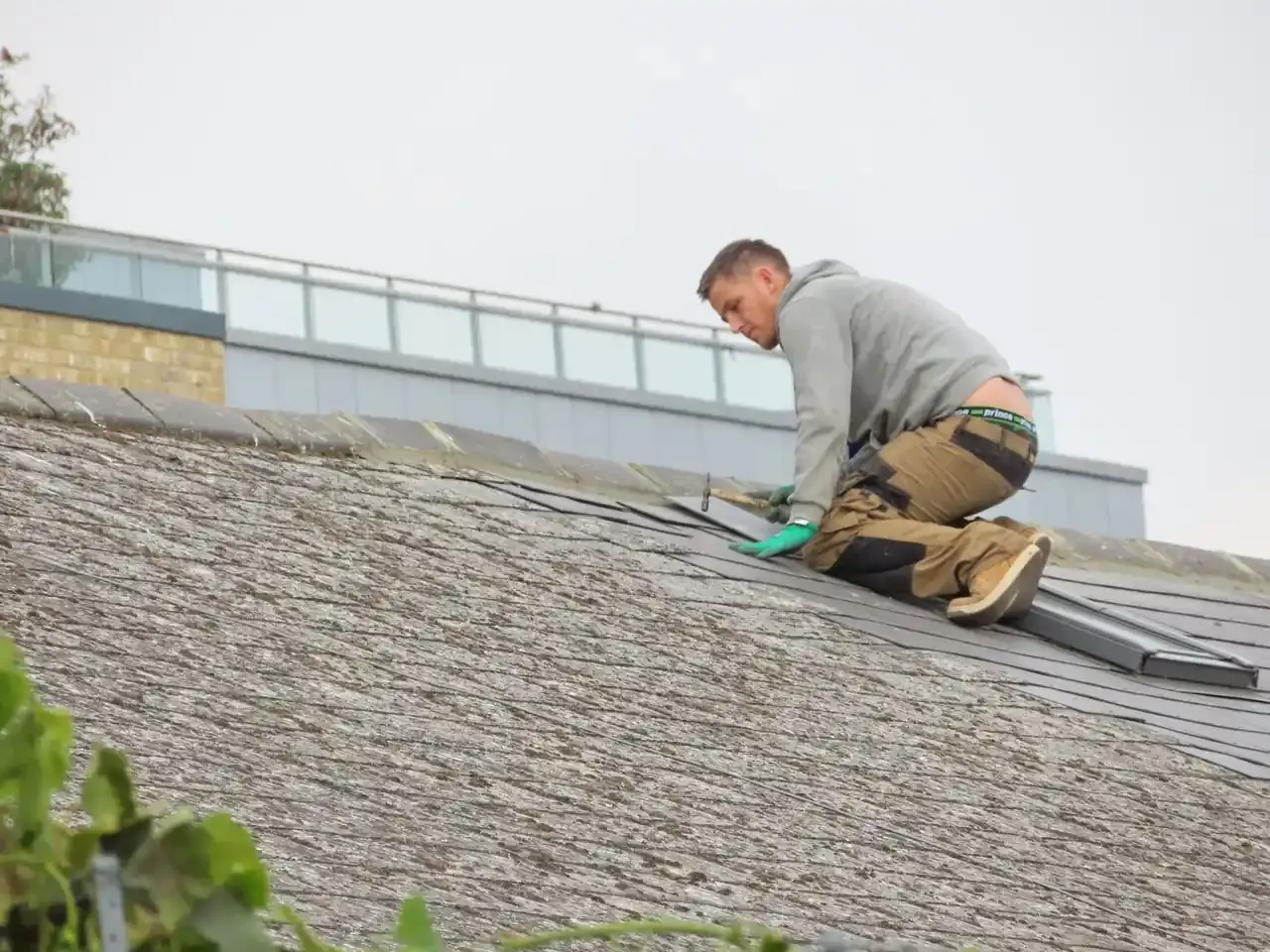
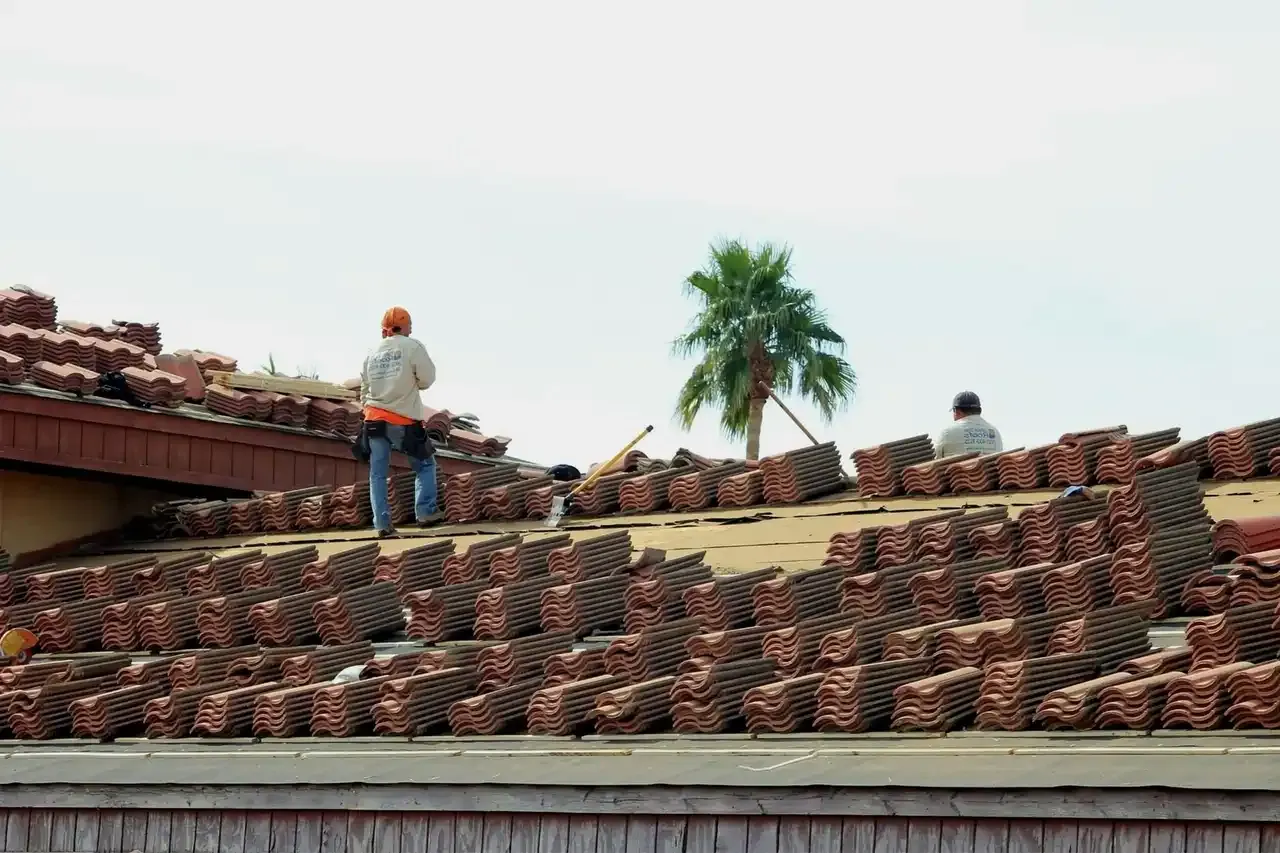
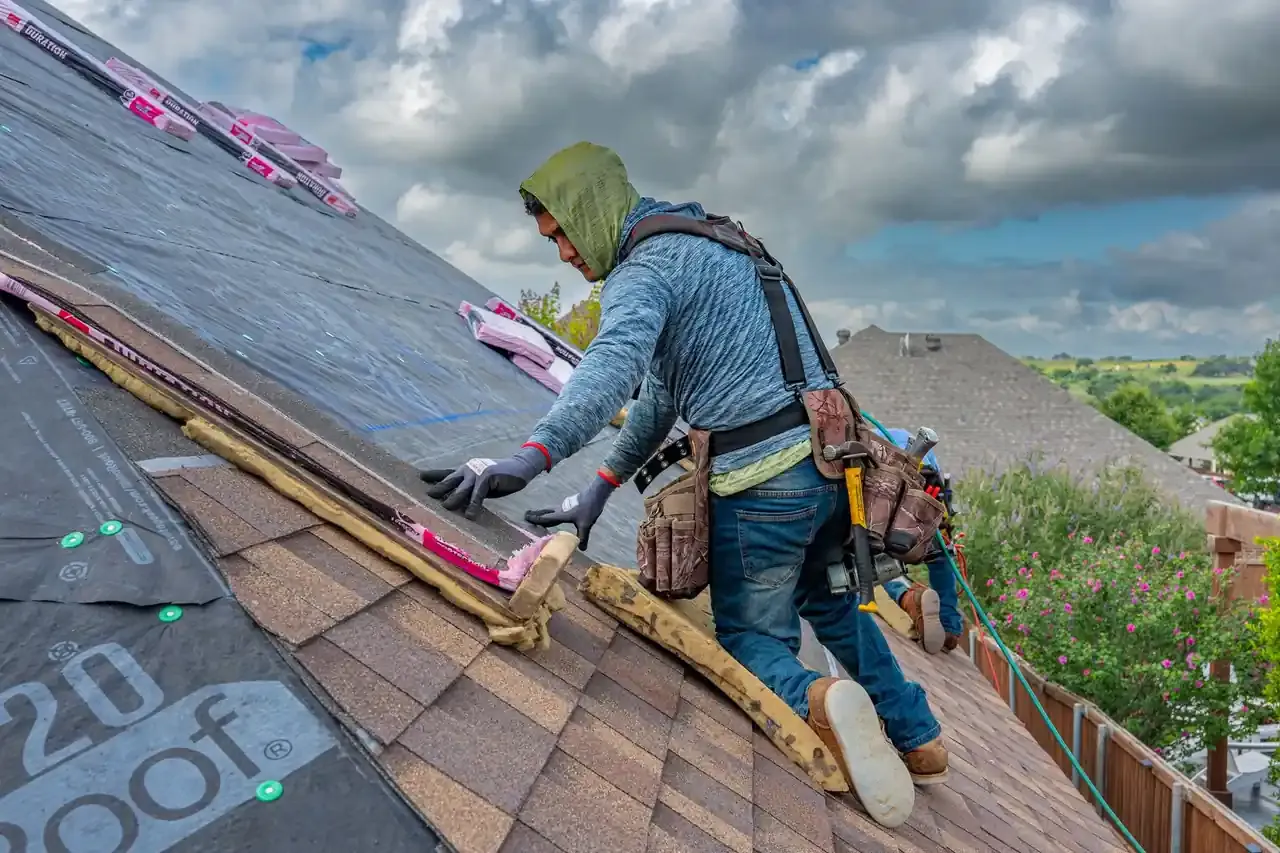
We remove damaged roof covering and install compatible replacement material in the affected section. Depending on the roof, the work can involve asphalt shingles, metal panels, or other system components. We check fastening and adjacent edges so the repair integrates with the surrounding surface.
Flashing And Underlayment
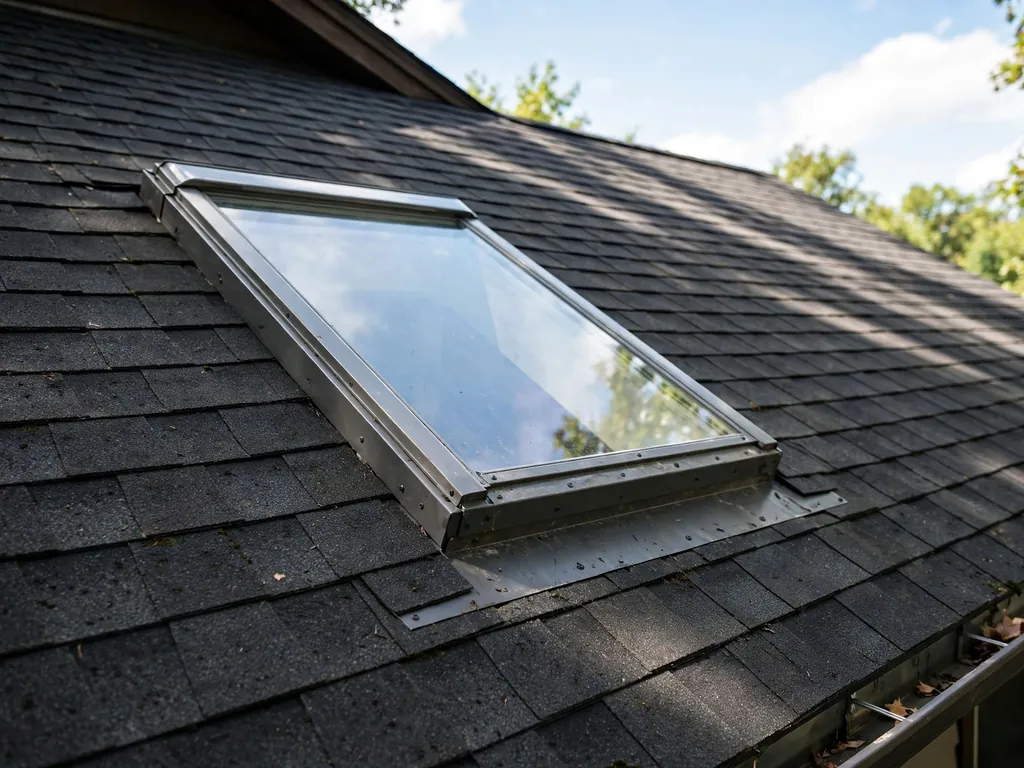
If storm damage opens a seam or compromises a secondary water barrier, we repair the affected flashing or underlayment as access requires. These layers help direct water away from vulnerable joints. We also check nearby penetrations that could share the same water path.
Final Review And Photos
After repairs, we review the finished area, remove work debris, and show you photographs of the condition and completed work. You receive a straightforward explanation of what was repaired and any remaining concerns. Keep the record with your roof maintenance and claim documents.
Homes and businesses.
The approach is the same for a home and a business. What changes is the access, the schedule and who needs the paperwork.
For Homes
We check the roof above your reported stain and inspect accessible attic areas for moisture. You get a clear explanation of damaged materials and the repair steps.
Water stain after heavy rain
Wind-lifted shingles above bedrooms
Hail damage near a roof valley
For Businesses
We inspect roof penetrations, seams, and drainage near your reported leak. You receive a repair explanation that accounts for occupied spaces and roof access.
Leak above occupied work areas
Damaged membrane near equipment
Wind-loosened flashing at penetrations
Storm Damage Roof Repair Tomball TX
A plain-language look at what Storm Damage Roof Repair involves and when it is needed.
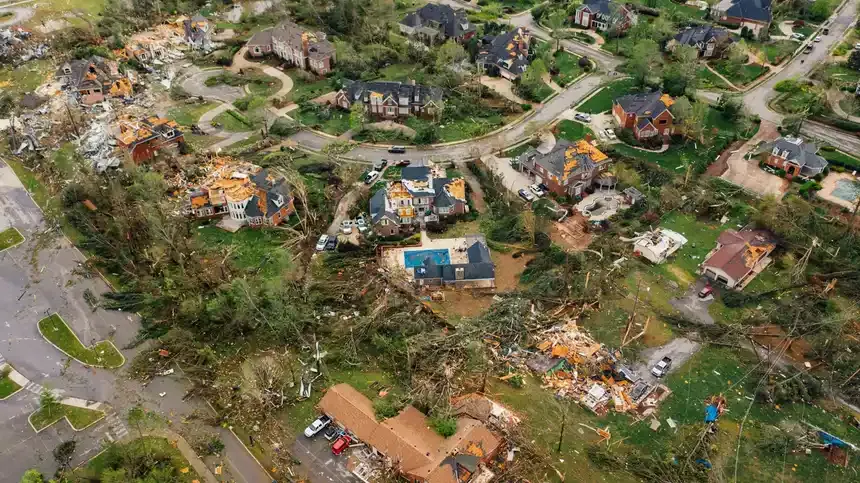
Storm damage roof repair Tomball TX is a roofing repair service that restores roof areas damaged by hail, wind, or severe rain and limits further water intrusion. We check the roof surface, roof flashing, valleys, penetrations, and accessible attic areas for visible damage and moisture. A repair can involve replacing missing or cracked asphalt shingles, resealing flashing, securing loose metal roofing panels, or replacing wet roof decking. We match the repair to the existing roof system and explain whether the damage is isolated or extends beyond the visible opening.
Tomball roofs face sudden downpours, gusty thunderstorms, and hail that can loosen shingles or expose a weak flashing joint. A ceiling stain does not always sit directly below the roof opening, so we trace the water path rather than patching the stain alone. Our storm damage roof repair in Tomball, Texas, starts with a site inspection and a safe temporary covering when an active leak requires immediate protection. We document visible damage and help you understand practical repair priorities.
Storm repair follows the water path to restore the roof opening and protect the materials beneath it.
What it is
Repair of roof materials and transitions damaged by hail, wind, or heavy rain.
When needed
After missing shingles, leaks, damaged flashing, or exposed roof layers appear.
What to expect
Inspection, a repair explanation, work on damaged areas, and a final review.
What To Expect During Repair
Storm roof repair Tomball TX follows a straightforward sequence: make the area safe, locate the opening, agree on the repair, and test the completed work. We keep you informed at each stage and protect the work area around your home.
Initial Call
We ask when the storm hit, where water appeared, and whether the leak is active. If water is entering, move belongings and place a container beneath the drip while we discuss immediate protection. The call usually takes 5 to 10 minutes, and your answers help us bring appropriate covering and inspection equipment.
Storm details
Leak location
Access notes
Roof Inspection
Our roofer checks accessible roof surfaces, transitions, and the interior area beneath the reported leak. A typical visual inspection takes 30 to 60 minutes, depending on roof size and access. We photograph missing shingles, damaged flashing, and signs of moisture, then explain what the evidence shows in plain language.
Roof surface
Interior clues
Damage photos
Repair Plan
We identify the repair area, materials, and any damaged layers that need attention before covering the roof again. You hear the upfront price and expected work duration before repairs start. If the repair requires replacement shingles or roof decking, we explain how those components connect to the leak and the final result.
Repair area
Material choice
Work sequence
Roof Repair
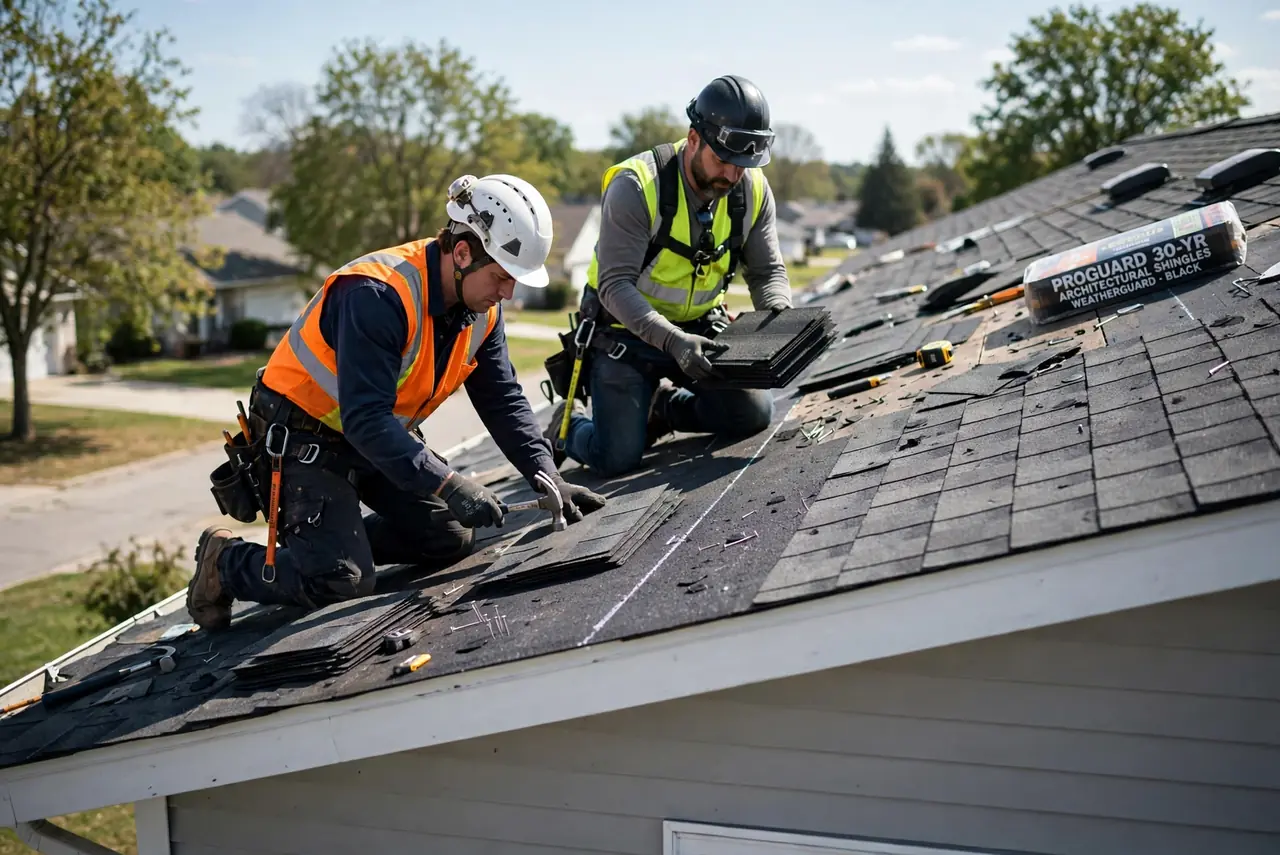
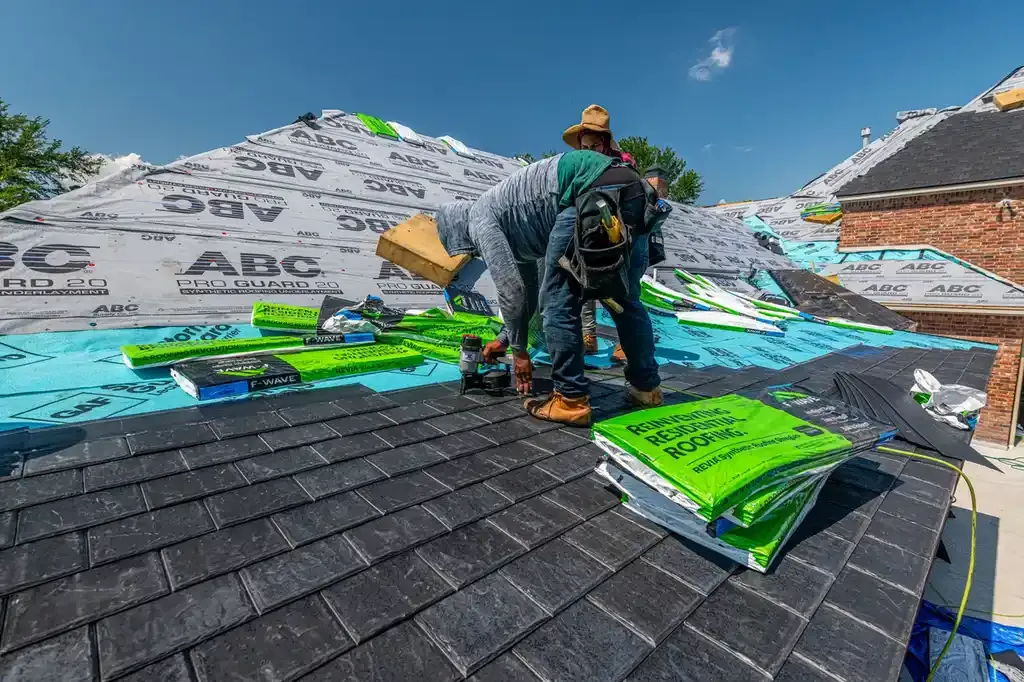
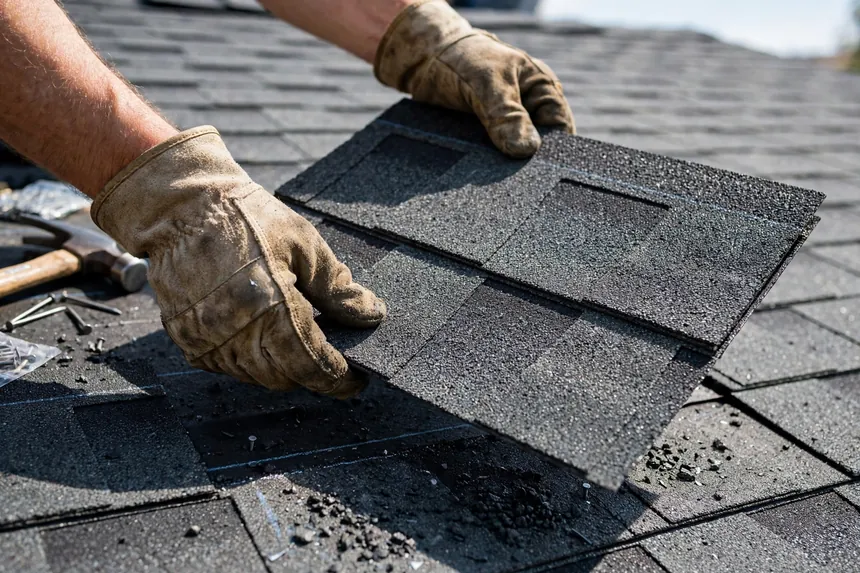
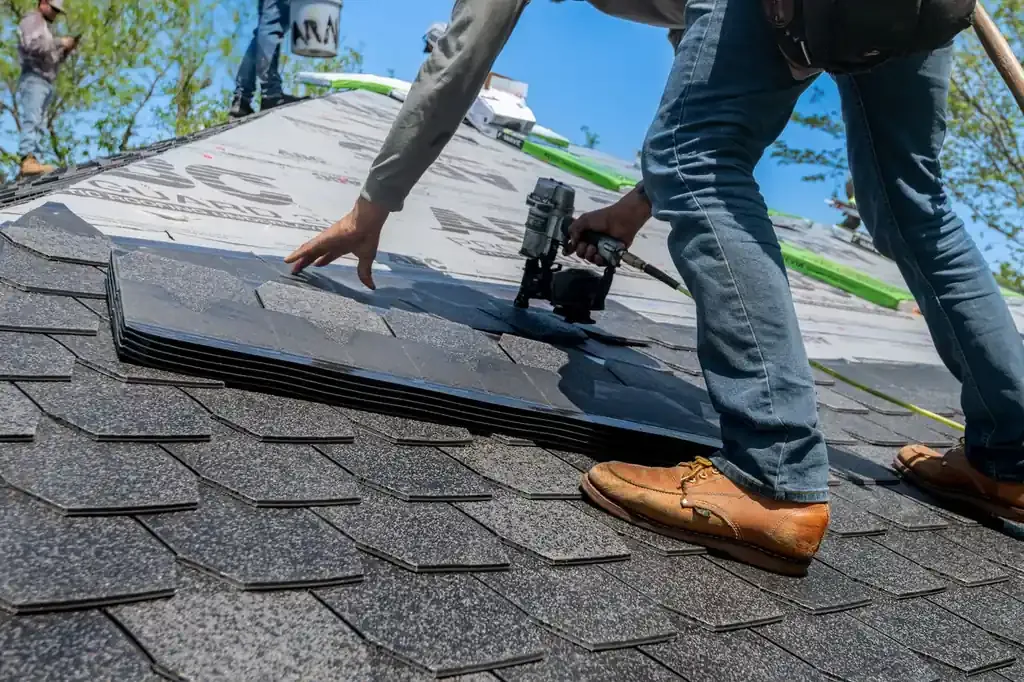
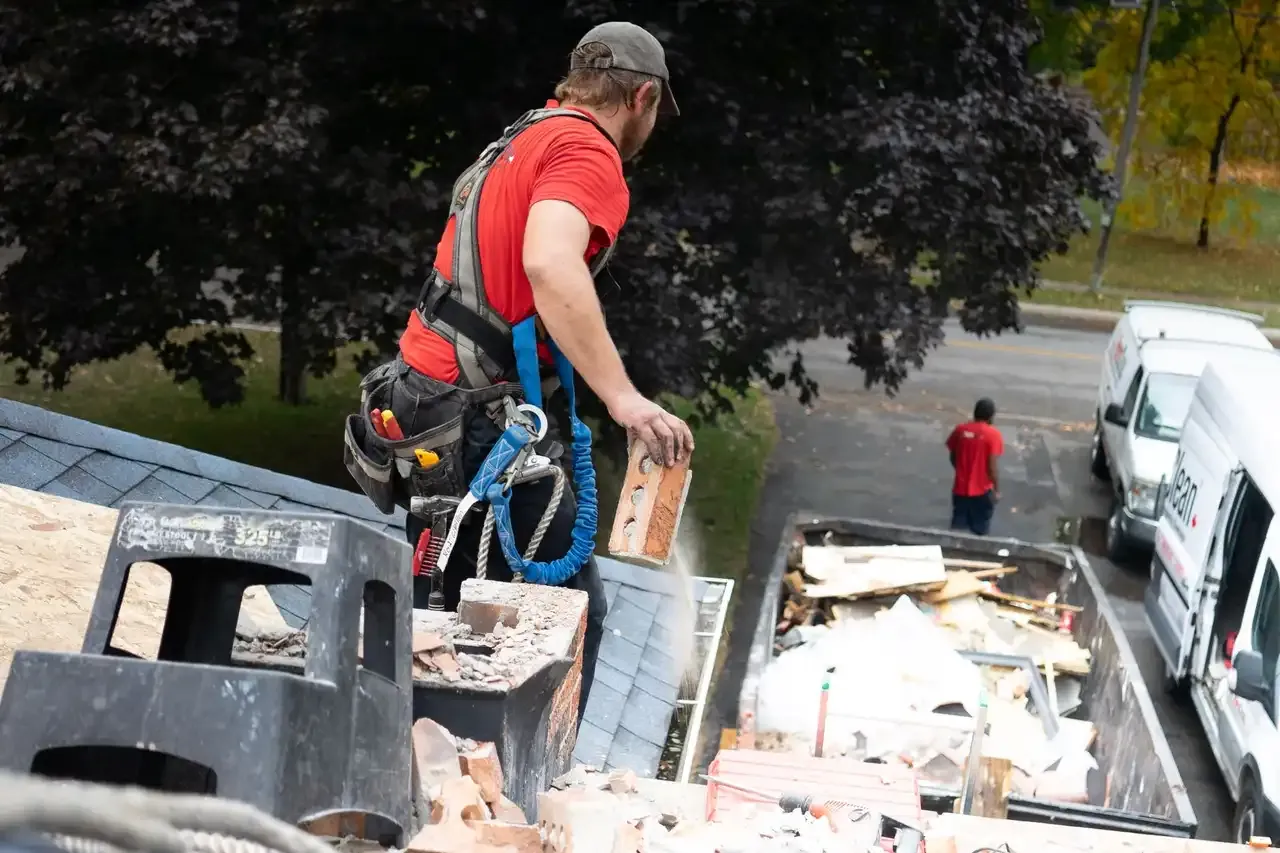
Our crew removes loose or broken material with a shingle ripper and roofing hammer, then repairs the exposed area using compatible materials. A small localized repair often takes 2 to 4 hours; decking damage or several roof sections take longer. We use fall protection and keep debris controlled around your property.
Remove damage
Restore layers
Secure covering
Final Check
We check the repaired area, nearby flashing, and cleanup before walking you through the finished work. Where conditions allow, we verify water shedding without flooding the roof. You receive photos and a summary of completed repairs, plus practical notes on what to watch after the next rainfall.
Final check
Cleanup
Photo review
Tools And Repair Methods
Move across a circle, or focus it and press Enter, for an illustrative thermal view of the photograph.
Roofing ladder
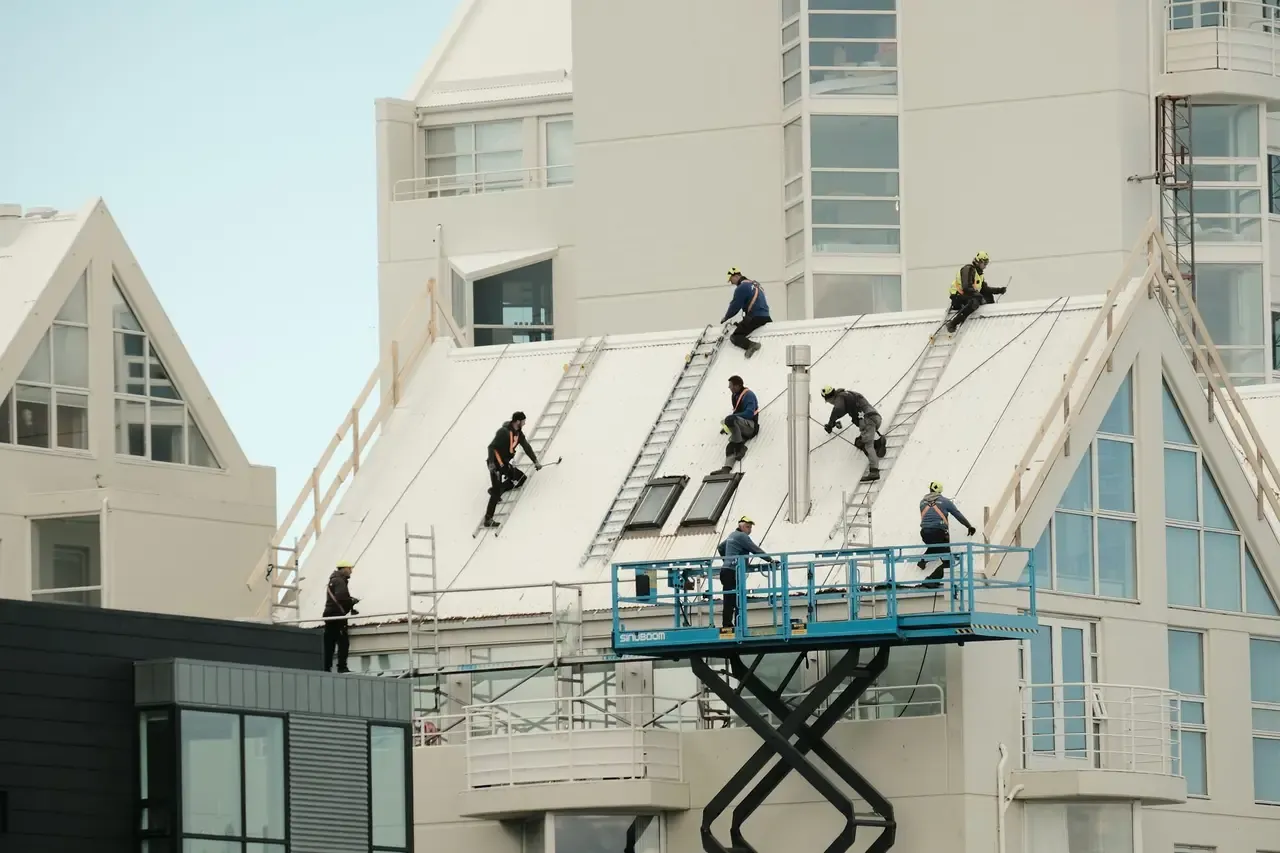
We use a properly positioned roofing ladder to access the work area while maintaining stable footing and protecting roof edges during inspection.
Fall protection harness
A fall protection harness helps secure our roofer during work at height, especially near roof edges and steeper slopes.
Moisture meter
We use a moisture meter to check accessible materials when a stain or attic condition suggests that moisture has moved beyond the visible roof opening.
Shingle ripper
A shingle ripper helps remove damaged shingles and exposed fasteners so we can inspect the underlying roof layers before installing replacement material.
Roofing hammer
We use a roofing hammer to remove or set roofing fasteners during shingle repairs and to secure components according to the roof system.
Thermal views are illustrative, generated from the photographs.
Methods
Water-path tracing
We start with the interior symptom, inspect accessible attic areas, and compare those clues with roof openings and transitions. Water can travel along framing before appearing indoors, so the stain location is not treated as proof of the roof entry point. This method helps target the repair.
Layer-by-layer repair
We remove damaged covering carefully and inspect the layers beneath it. If underlayment or decking is compromised, we address that condition before reinstalling the roof surface. Restoring the assembly in sequence prevents a new shingle from simply covering wet or unsound material.
Compatible material matching
We identify the roof type and select repair materials that suit the existing system. Shingle dimensions, metal-panel profiles, and flashing details affect how components meet. Matching the repair to the roof assembly helps maintain proper drainage and a more consistent finished surface.
Photo-based closeout
We photograph visible damage before work and the repaired area afterward, then review the images with you. The record shows the repair location and the materials addressed. It also gives you practical documentation for household maintenance records or conversations with an insurer.
When Storm Repairs Make Sense
Lifted shingles
A Tomball thunderstorm lifts shingles, and you see water spots on an upstairs ceiling.
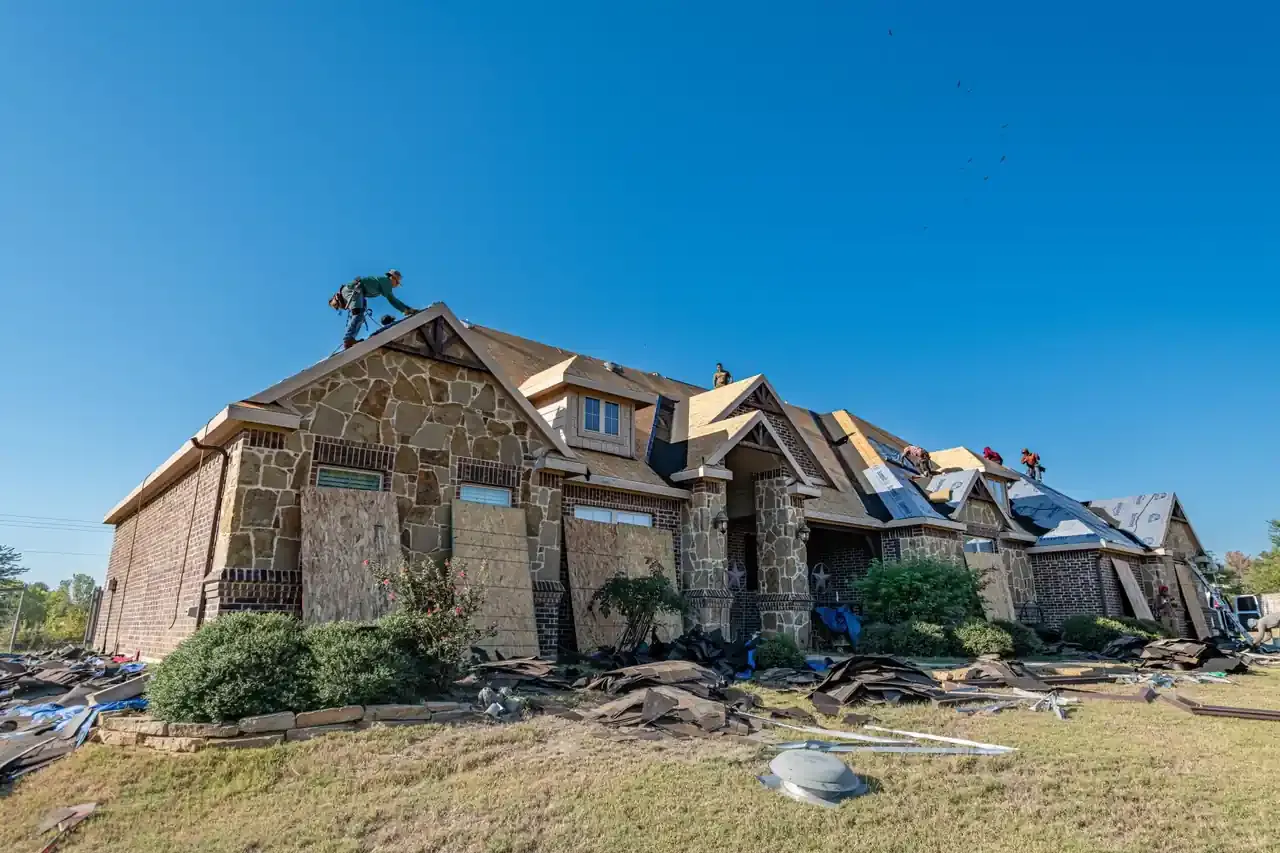
We inspect the affected slope, look for missing or lifted shingles, and trace the reported stain toward the roof opening. If water is entering, we protect the area when conditions allow, then repair damaged materials and check nearby flashing. We photograph the findings so you can see what changed.
Outcome: The entry point is addressed before more rain reaches the attic, and you know which roof components were repaired.
Hail impact
Hail passes through Northpointe, leaving dents and suspected impact damage across the roof.
Our crew checks the roof covering and accessible accessories for visible impact damage, then documents affected areas. We explain which findings require repair and whether the damage appears localized or spread across multiple slopes. If an insurer is involved, you can use the photos and repair notes in your discussions.
Outcome: You get a clearer picture of the roof condition and a repair plan tied to observed damage, not assumptions.
Flashing leak
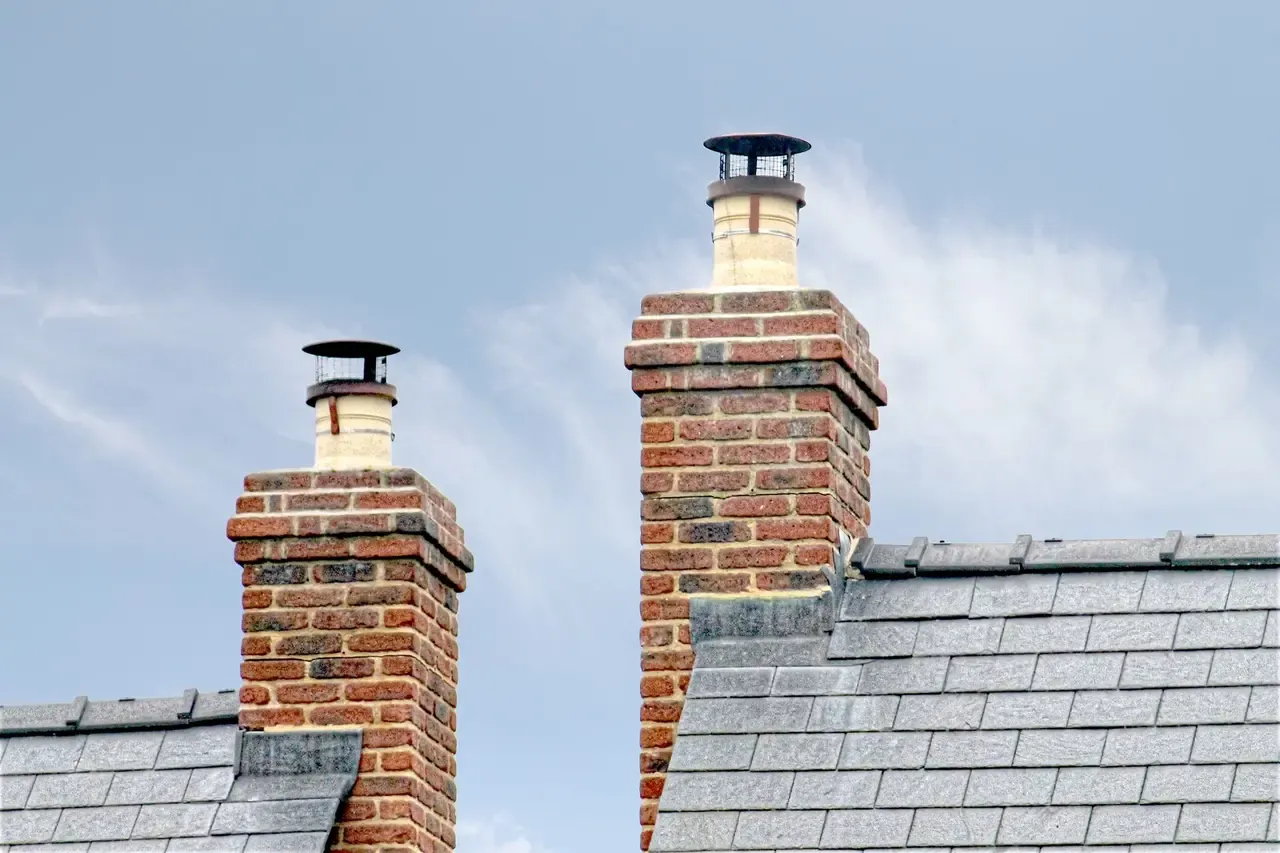
A heavy rainstorm exposes a chimney flashing leak in an Old Town Tomball home.
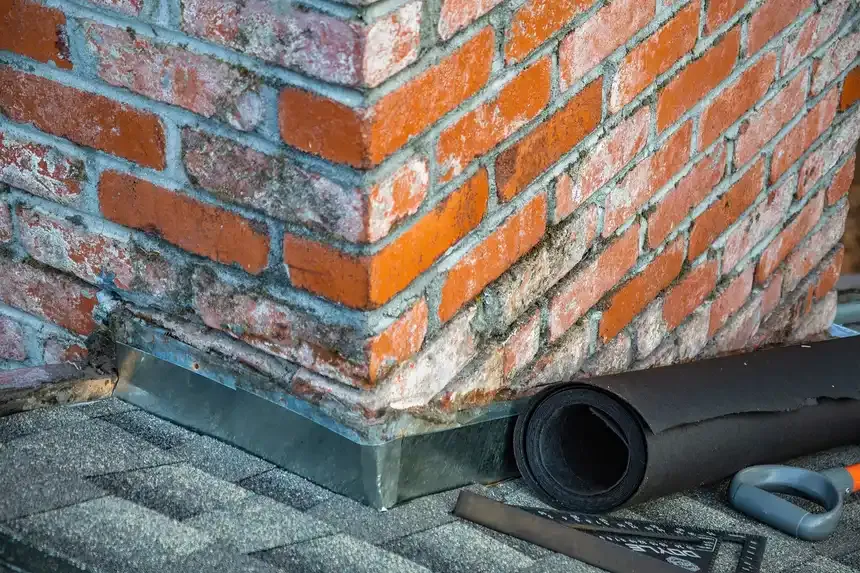
We follow the water path to the chimney-roof transition, inspect flashing joints, and check adjacent shingles for storm displacement. We repair the failed connection and examine nearby materials for moisture. If the opening needs temporary protection before permanent work, we explain the sequence and secure it when safe.
Outcome: The chimney transition is restored as a water-shedding joint, reducing the chance of the same leak returning with the next rain.
Commercial roof
A commercial roof in Tomball develops a leak above equipment after wind-driven rain.
We inspect the low-slope roof surface, seams, penetrations, and drainage around the reported area. Our team documents the leak path and repairs the affected membrane or flashing details. We coordinate access with the property contact and keep the work focused on the damaged section.
Outcome: The source is identified and repaired, helping protect equipment and occupied areas from continued water entry.
Downtown TomballLakewood GroveNorthpointe
How Storm Repairs Work In Tomball
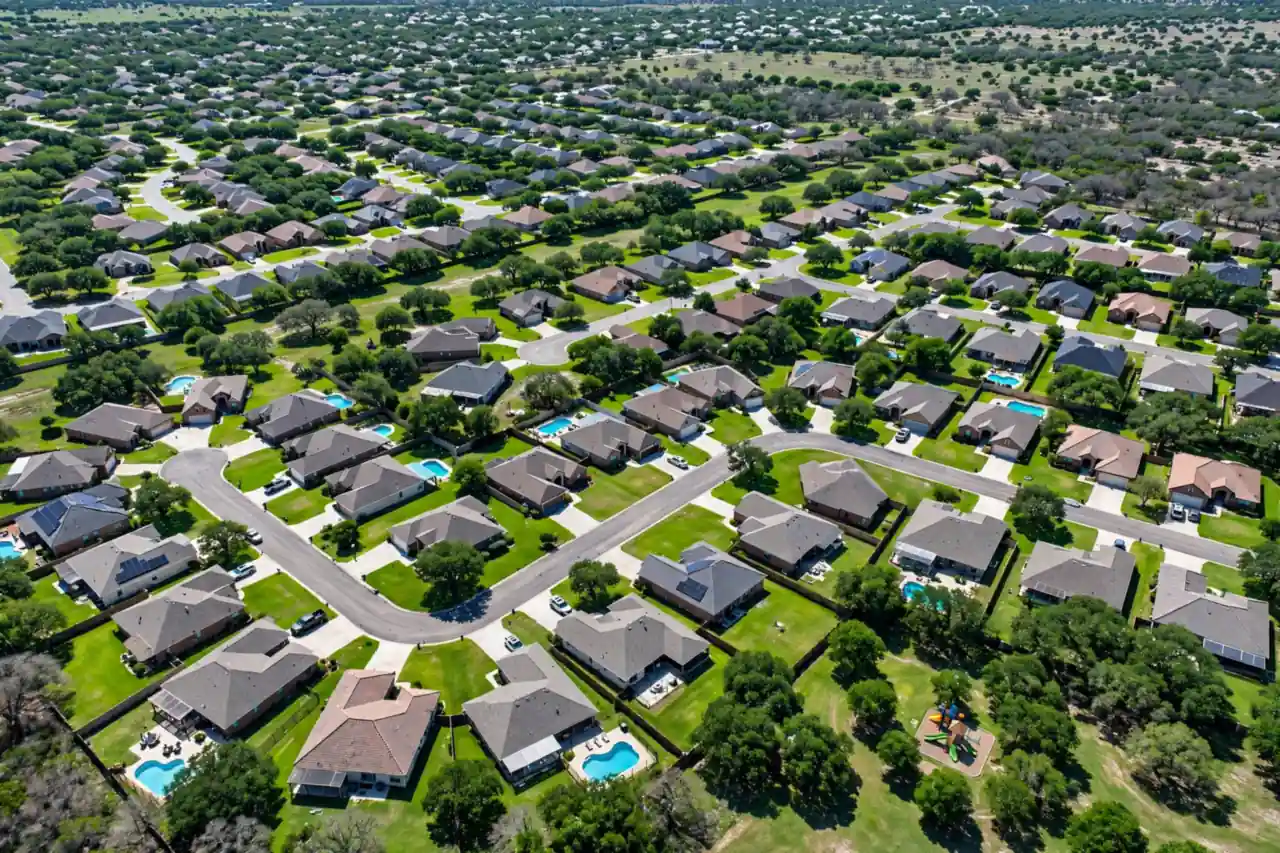
Tomball storms can bring short bursts of intense rain, gusting wind, and hail, so a roof that looks intact from the driveway may still have lifted edges or a leaking penetration. We inspect the roof type and age, then check valleys, flashing, vents, and roof edges where water can enter. Many homes use asphalt shingles, while commercial buildings may have low-slope systems that need membrane-specific repairs.
We work across Harris County, including neighborhoods in ZIP codes 77375 and 77377, and consider access, roof pitch, and surrounding trees when planning the work. Our team follows applicable manufacturer instructions and relevant IBC and IRC provisions for the repair. If you need storm roof repair Tomball TX after active rainfall, tell us where water appeared and whether the leak is continuing.
That information helps us focus the first visit on immediate exposure, interior signs, and the likely path to the roof opening.
Downtown Tomball: Older roof sections and additions can create multiple roof transitions, so we check how flashing and valleys connect around the reported leak.
Lakewood Grove: After gusty storms, we inspect shingle edges and tree-facing slopes for lifted materials, impact damage, and debris-related openings.
Northpointe: We check roof penetrations and adjoining slopes when water appears indoors after wind-driven rain, since the interior stain may sit away from the opening.
Old Town Tomball: For homes with varied roof sections, we trace the leak across adjoining slopes and inspect chimney flashing, valleys, and roof edges.
Heavy rain follows a storm before a roof opening is repaired: Water can move under shingles and along roof framing, reaching insulation or ceilings well beyond the entry point. We prioritize the exposed section and trace the water route before selecting a permanent repair.
Wind-driven rain reaches roof edges and penetrations: Rain pushed sideways can enter loose flashing, vent seals, or lifted shingle edges that shed ordinary rainfall. We inspect these transitions closely and repair the failed connection rather than sealing only the interior symptom.
We walk through the reported leak location and explain the inspection.
We protect nearby surfaces and set up safe roof access.
We review the repaired area, photos, and practical next steps.
From problem to finished result.
IllustrativeThe thermal view is generated from the photograph. It is not a measurement. Drag the handle, or use the arrow keys once it is focused.
Lifted Shingles Above A Leak
Before: A Tomball homeowner noticed a ceiling stain after wind-driven rain. Several shingle tabs had lifted near the roof edge, allowing water beneath the covering. The attic insulation felt damp in one accessible area, but the ceiling mark sat several feet from the apparent opening, making a surface-only patch unlikely to solve the leak.
After: We replaced the damaged shingle section, checked the underlying material, and secured the roof edge. The repair covered approximately 30 square feet and took about 3 hours in suitable weather. We photographed the exposed and finished areas and checked the nearby flashing before wrapping up.
After the next heavy rain, check the ceiling and accessible attic for new moisture. Keep gutters clear of leaves and arrange a roof review if additional shingles lift or another stain appears.
Hail Damage At Roof Valley
Before: After hail, a Lakewood Grove resident found cracked shingles and a damp patch in the garage. The damage was concentrated near a roof valley, where runoff from two slopes meets. The visible cracks did not show whether the underlayment had also been affected, so the roof needed a closer inspection.
After: We removed the compromised shingles in the affected section, inspected the valley materials, and restored the roof covering with compatible components. The repaired area measured about 45 square feet and required roughly half a workday. Photos showed the condition beneath the shingles and the completed drainage path.
Check the garage ceiling after major rain and keep a record of the repair photos. If you notice fresh staining or debris collecting in the valley, have the area inspected before the next storm.
Flashing Leak After Heavy Rain
Before: A property manager in Tomball reported water entering near a commercial roof penetration after a strong storm. The leak reached an occupied room, while the roof surface showed a loose flashing connection. Water had tracked along the underside of the roof before appearing indoors.
After: We repaired the flashing transition, checked the adjacent roof surface, and removed loose material from the immediate work area. The repair took about 4 hours, including inspection and documentation. We reviewed the finished connection with the manager and provided photos of the repaired penetration.
Inspect the interior ceiling after the next rainfall and keep roof drains clear. If water returns near the penetration, report the timing and location so the roof area can be checked promptly.
Problems Affordable Storm Repair Addresses
A storm can leave damage that is hard to see from the ground but easy for the next rain to find. We connect interior symptoms to roof conditions, prioritize active openings, and repair the affected assembly. If you are comparing affordable storm damage roof repair in Tomball, Texas, start with a diagnosis that identifies the actual source.
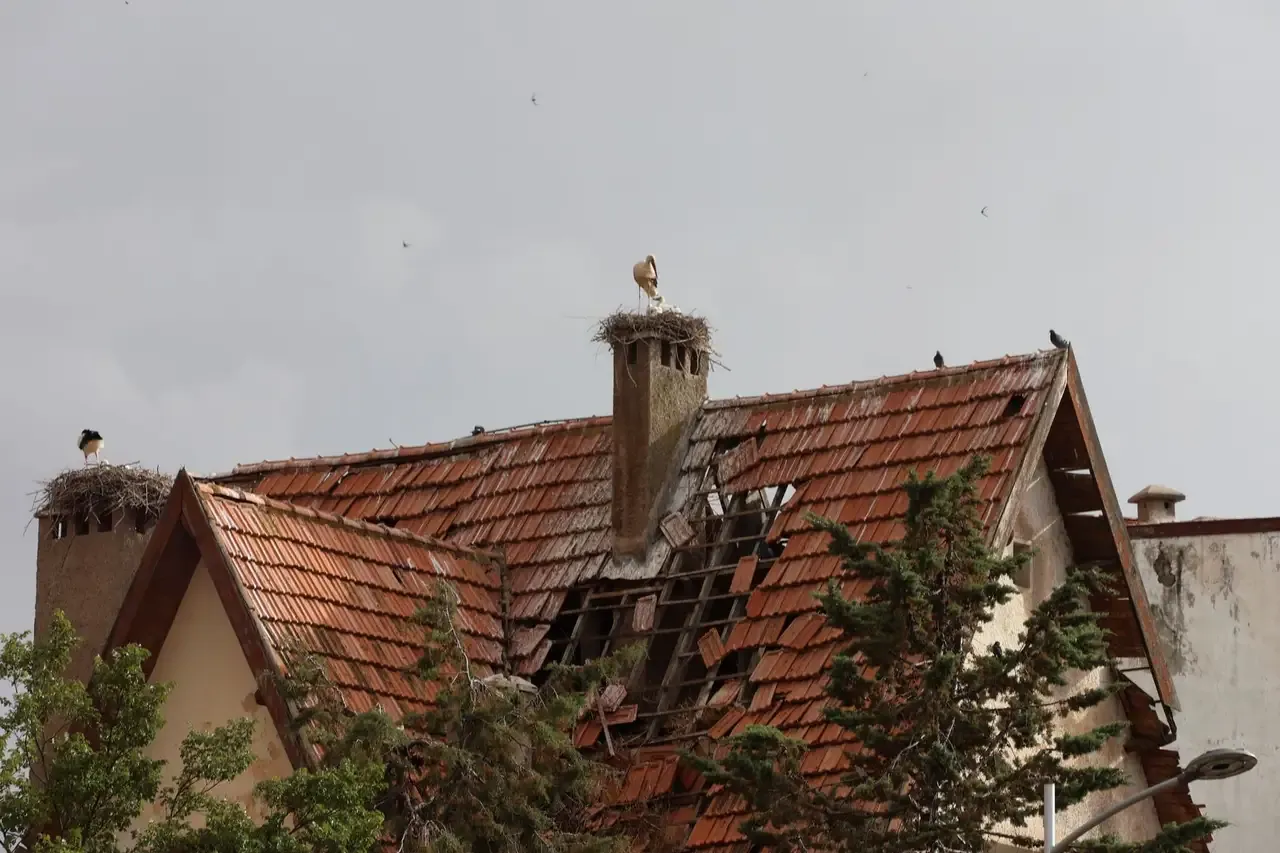
Lifted shinglesWind lifts shingles and exposes roof underlaymentRain can travel beneath the lifted edges, soak roof decking, and create attic water damage before a ceiling stain appears. We inspect the affected slope and adjoining shingle courses, then remove loose or broken pieces. Our crew checks the underlayment and roof decking where the opening exposed them, replaces damaged components, and secures compatible shingles. We also inspect nearby edges for additional wind lift so the repair does not leave another exposed entry point.
Hail damageHail cracks shingles or damages roof accessoriesCracked materials and compromised accessories can admit water gradually, leaving hidden moisture in insulation or a growing ceiling stain. We examine visible impact areas, roof penetrations, and nearby flashing rather than relying on a single ground-level view. Damaged shingles or components are repaired or replaced according to their condition. Photos help distinguish observed damage from unaffected areas and give you a usable record of the inspection.
Flashing entryStorm rain enters around flashing or a roof valleyWater can follow framing away from the roof opening, making the leak difficult to locate and allowing repeated wetting of interior finishes. We trace the leak from the reported interior mark to the roof transition, then inspect the flashing, valley, and adjacent materials. Our team repairs the failed joint or roof covering and checks for wet decking where accessible. This approach targets the entry point instead of applying sealant to the room-side stain.
Roof edge leakA damaged roof edge lets water reach soffit and fasciaRepeated runoff can swell wood, stain exterior trim, and contribute to gutter overflow or water entry near the eaves. We inspect the roof edge, drip edge, fascia, and gutter connection to identify where storm water escaped its route. We repair damaged roof components and coordinate related edge work when required. Restoring the drainage path helps direct runoff into the gutter rather than behind the roof edge.
Repairs That Protect Your Property
A targeted repair restores water shedding and gives you a clear record of the work.
Limit Interior Water Damage
A lifted shingle or open flashing seam can send water into insulation and roof decking during the next storm. We trace the entry point, close the opening, and inspect the surrounding materials. If you spot a fresh ceiling stain, a prompt visit can prevent a small leak from spreading across multiple rooms.
Repair Only What Is Damaged
Our crew checks the affected slope and adjoining roof details before recommending work. Replacing a few missing shingles is different from rebuilding a section with soft decking. You receive a repair plan tied to what we find, including the material and area involved, rather than a blanket recommendation to replace the entire roof.
Make the Roof Weather-Ready
We secure loose materials, restore flashing transitions, and verify that repaired shingles lie flat and shed water. A repair often involves several connected details, such as a valley, drip edge, or vent penetration. Checking those points reduces the chance that water will bypass a newly repaired patch.
Keep Damage Documented
Photos of hail impacts, wind-lifted shingles, and interior water marks help you understand the work completed and communicate with your insurer. We record visible conditions before and after repair, then walk you through the repair area. You can keep those images with maintenance records and any claim paperwork.
What you receive
Clear records you can keep and share.
Photo record
Images of visible damage and completed repair areas
Work summary
Description of roof components repaired
Material notes
Record of materials used in the repair
Inspection notes
Summary of observed roof conditions
Temporary Covering And Permanent Repair
A temporary covering limits exposure; permanent repair restores damaged roof layers and reconnects the surface.
Temporary protection
A short-term measure for an exposed opening.
Limits new rain entry
Does not replace damaged layers
Used when roof access is safe
Localized repair
Work confined to a damaged section and its connections.
Replaces broken materials
Checks nearby flashing
Restores water shedding
Broader replacement
A larger project when damage extends across the roof system.
Addresses widespread failure
May include decking work
Requires full-system planning
Roof components
Asphalt shingles
Roof flashing
Underlayment
Roof decking
Metal panels
Roof valleys
Drip edge
Vent seals
Service ZIP codes.
A list like this tells people straight away whether you cover their street. Not listed? Call and ask: it only takes a minute.
After hail and heavy rain, we found a stain spreading across the spare-room ceiling. The crew checked the roof above it, found several damaged shingles near a valley, and showed us photos before starting. They repaired the area and checked the flashing beside it. The ceiling stayed dry through the next rain, and we had a clear record of the work.
Wind lifted shingles along the back roof edge, and rain was getting into the attic. The team secured the exposed section, then returned to replace damaged material and inspect the roof edge. They explained why the leak showed up several feet from the opening. The repair took most of an afternoon, and the cleanup around the house was thorough.
A storm left water coming through a roof penetration over one of our occupied spaces. We needed the leak addressed without disrupting the whole building. The crew traced it to damaged flashing, documented the area, and completed the repair after explaining the sequence. We received photos and a clear summary for our maintenance records.
Storm Roof Repair Questions
Typical 2026 pricing in Tomball depends on roof access, material, damaged area, and whether underlayment or flashing also needs replacement. We inspect the leak path and explain the work before starting. Your insurance deductible and claim decision are separate from the repair price.
Homeowners insurance often covers sudden storm damage, subject to your policy, deductible, exclusions, and insurer's inspection. Coverage is not automatic, and gradual wear or neglected maintenance is commonly treated differently. We can photograph visible damage and describe the repair work for your records, but your insurer determines coverage. Keep receipts, take photos of interior staining, and contact your carrier about its claim process.
Tomball Roofing Experts handles storm-related roof repairs in Tomball, including temporary protection for exposed areas and permanent repairs after inspection. Call (877) 791-3217 and tell us whether water is actively entering, which rooms are affected, and what roof type you have. While you wait, stay off the roof and move belongings away from wet ceilings. We assess the reported opening and explain the next repair step.
Same-day storm damage roof repair Tomball is possible for some urgent, accessible jobs, but timing depends on weather, roof safety, and the amount of damage. We prioritize stopping active water entry and protecting exposed sections; a full repair may require materials or dry conditions. Call with the storm details and photos from the ground if available. Never climb onto a wet or wind-damaged roof.
Tell us where the leak appeared and whether water is still coming in. Our local team will discuss the next inspection step and repair options. Call Tomball Roofing Experts at (877) 791-3217 to get your roof problem assessed.
Call (877) 791-3217 to discuss roof replacement, roof repair, a leak, or storm damage at your Tomball property. Our phone team can hear the details and connect your request with an independent roofing company. Contact us during regular business hours, Monday through Friday, 8 a.m. to 6 p.m.; for active water entry, describe where it is happening when you call.