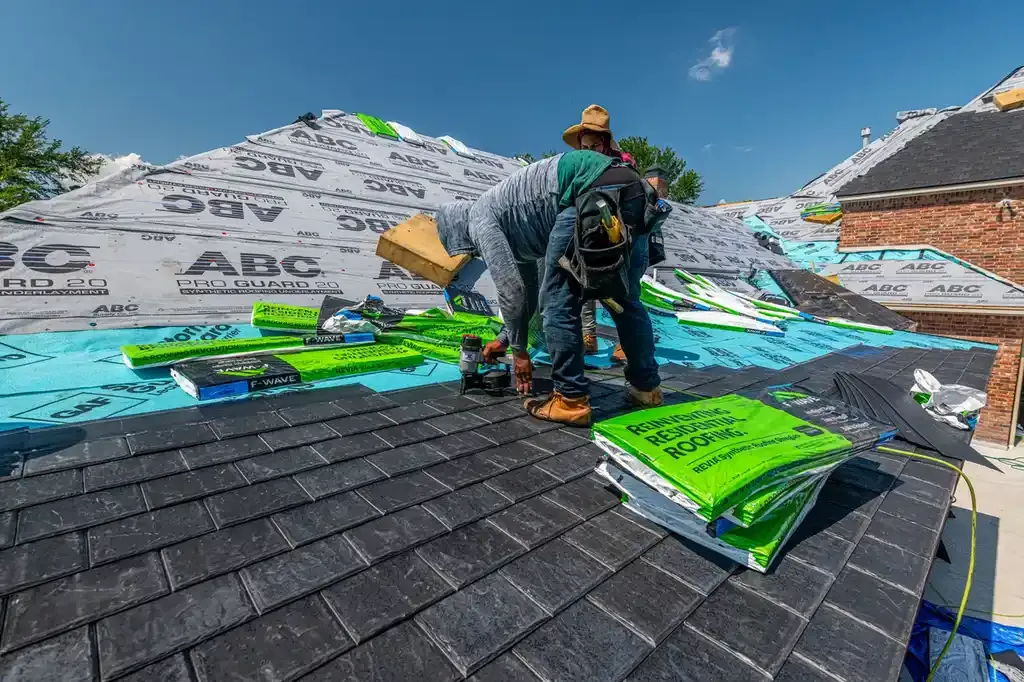
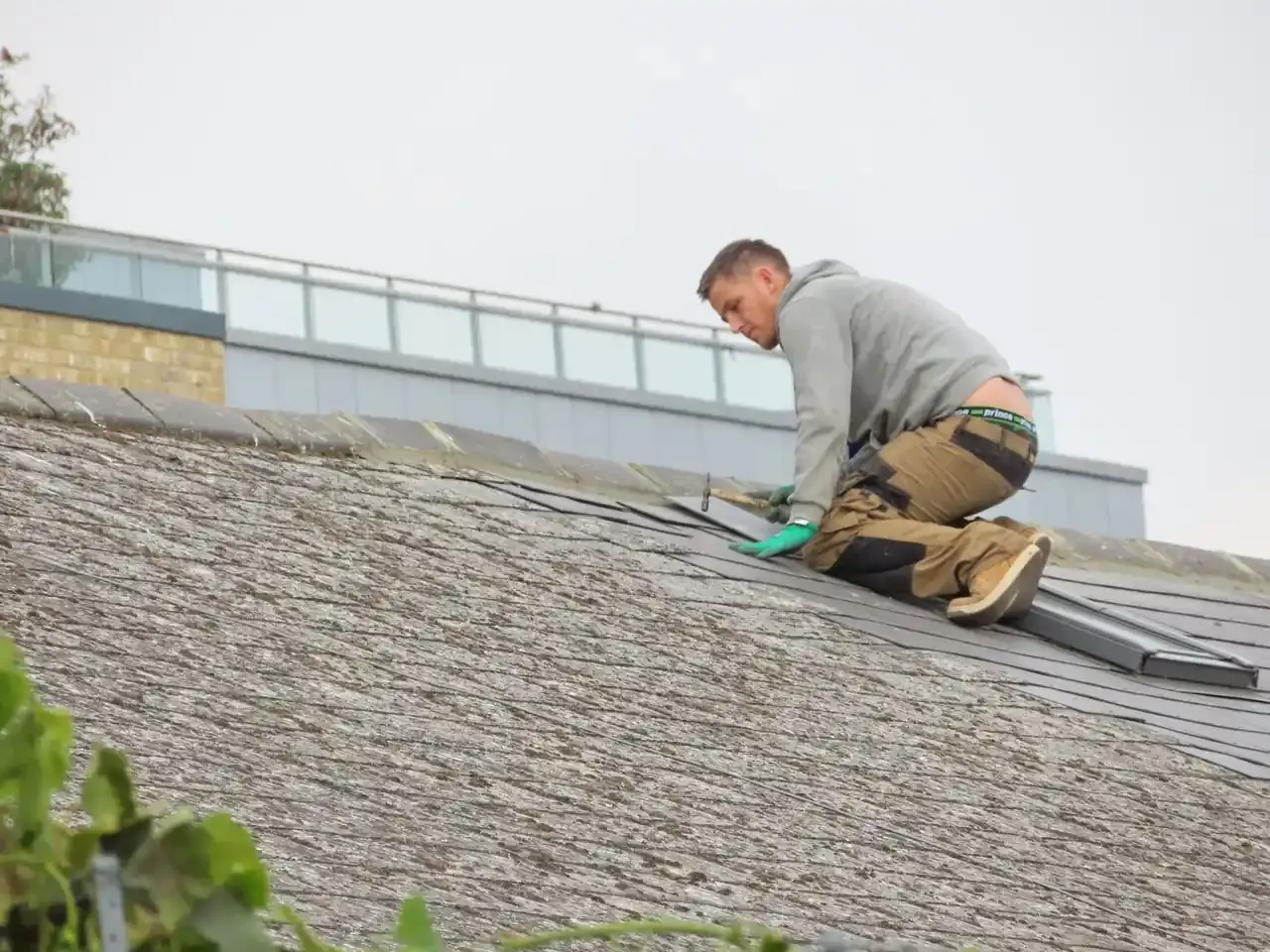
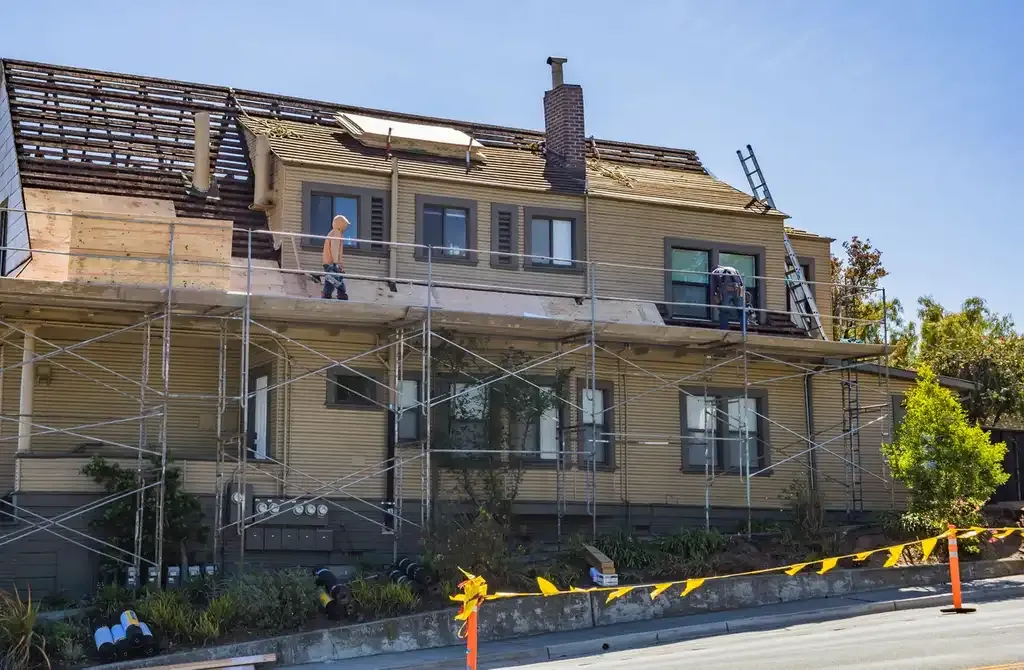
A roof inspection Tomball TX gives you a clear picture of roof condition before a small leak becomes damaged decking or stained ceilings. Tomball Roofing Experts checks shingles, flashing, drainage, roof penetrations, and accessible attic areas for homeowners, buyers, and property managers. If a recent storm, visible water mark, or aging roof has you concerned, our roof inspection in Tomball, Texas helps you decide what needs attention and what can wait.
A standard inspection covers visible roof surfaces, edges, valleys, penetrations, flashing, drainage, and accessible interior clues related to leaks. We document observable conditions and explain their significance. Concealed layers are not opened during a visual review; invasive testing, material removal, and repairs are separate work discussed according to what the inspection reveals.
Roof Surface Review
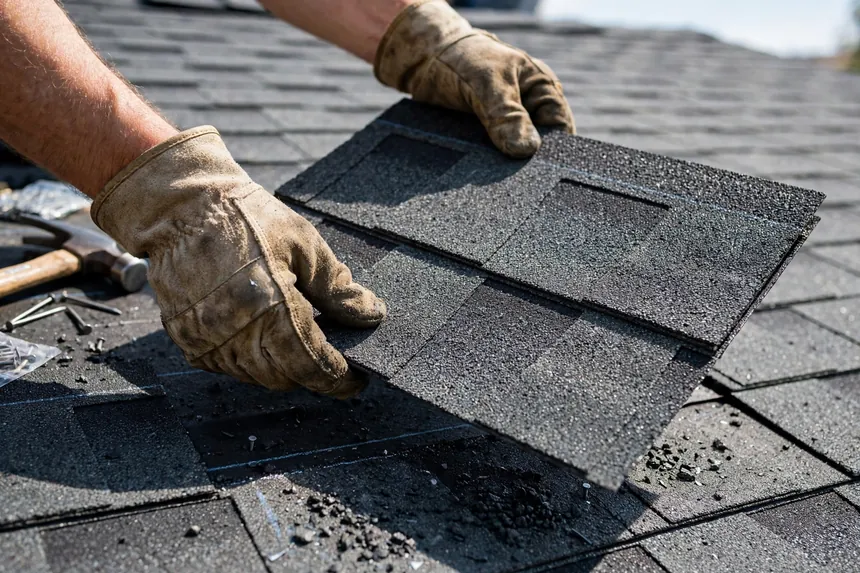
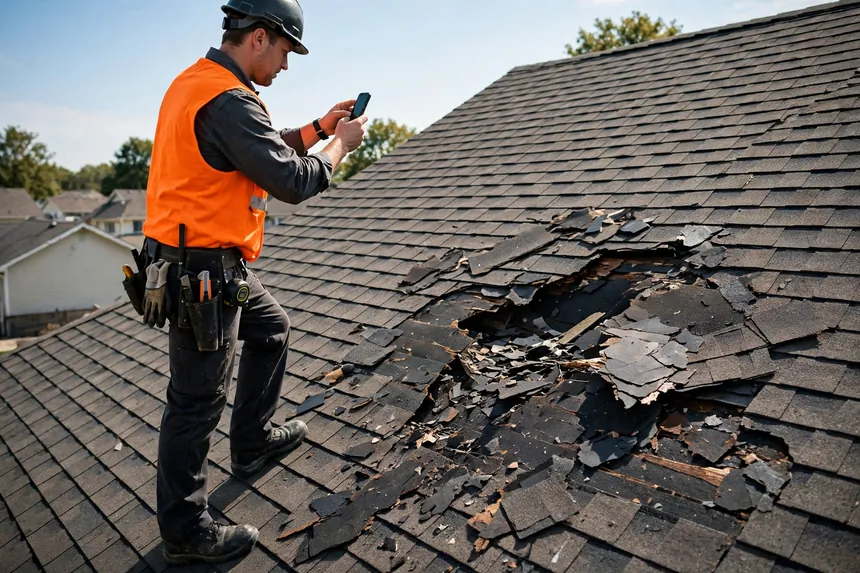
We check the visible covering for missing, cracked, curled, loose, or displaced materials. The inspection considers condition by roof section and notes whether the issue appears isolated or widespread. We also look for exposed underlayment, unusual wear, and visible signs that water has crossed the roof surface.
Flashing And Penetrations
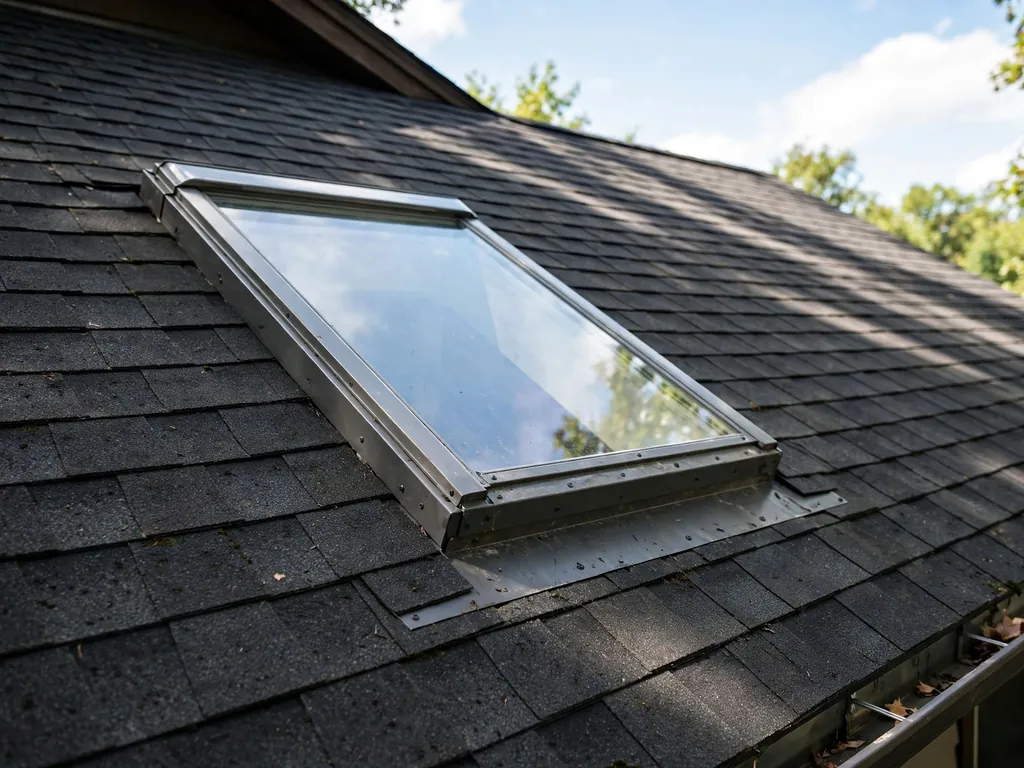
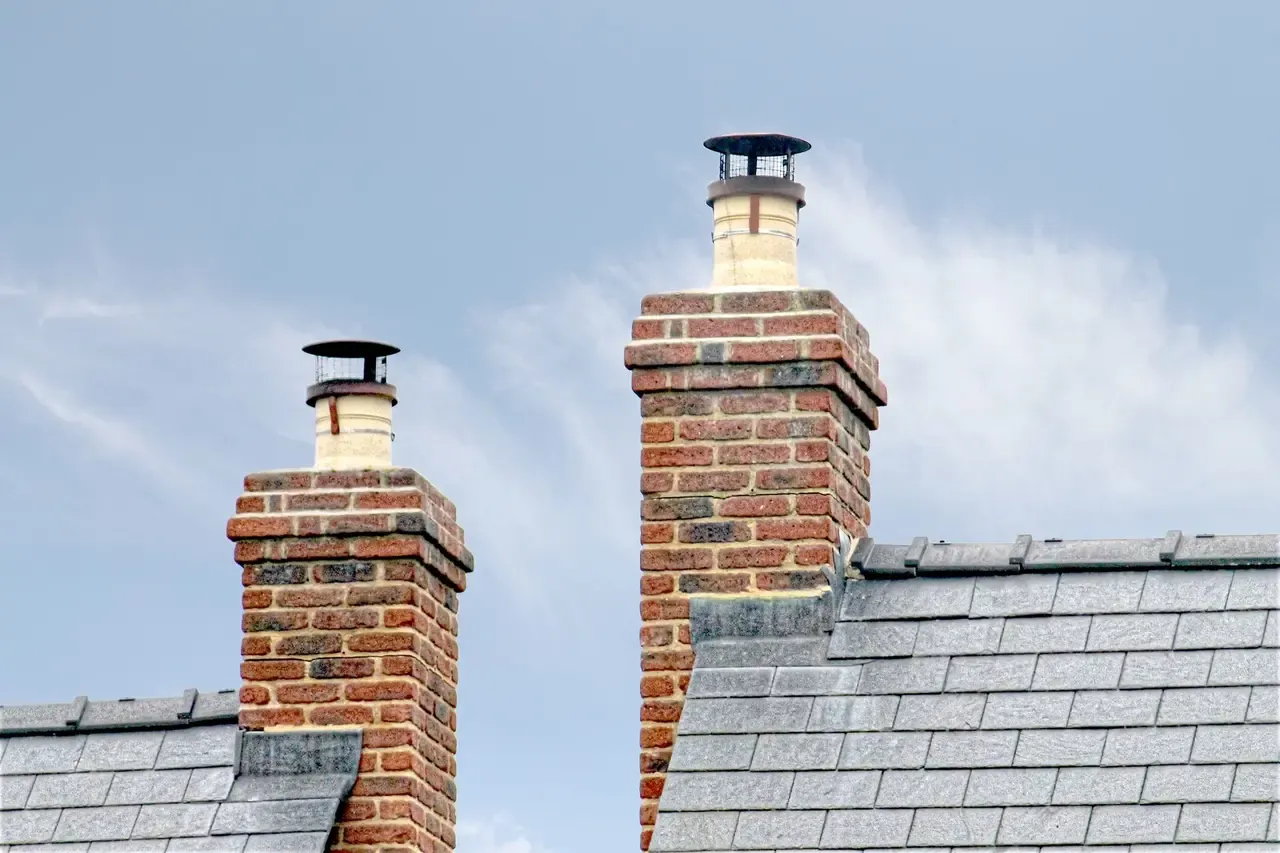
We examine accessible flashing around chimneys, walls, vents, skylights, and other roof openings. Separated joints, deteriorated sealant, loose metal, and nearby water marks can point to a leak path. Photos and location notes help you understand which transition needs attention.
Drainage And Edges
We review gutters, roof edges, valleys, and visible drainage paths for debris, overflow clues, or damaged components. Water that cannot drain cleanly can affect fascia and the roof edge. Findings connect the roof condition to the way rain moves off your property.
Accessible Interior Clues
Where access is safe, we look in the attic for water tracks, damp insulation, and roof decking discoloration. We may use a moisture meter on accessible surfaces to help assess a suspected damp area. A visual inspection does not expose concealed assemblies or establish the condition of every hidden layer.
Photos And Next Steps
We share relevant photos and explain findings in the order they matter, from active water entry to maintenance. You can ask questions while we review the roof areas involved. If a repair is appropriate, we describe the connection between the condition and the work needed.
Homes and businesses.
The approach is the same for a home and a business. What changes is the access, the schedule and who needs the paperwork.
Homes And Rentals
We check roof surfaces and accessible attic clues when stains, storm damage, or aging materials raise concern. You see the relevant findings by location.
Ceiling stains after rain
Missing or curled shingles
Attic moisture near roof decking
Business Properties
We review accessible roof areas, drains, seams, and penetrations for owners and property managers. Findings help you prioritize repairs around building operations.
Recurring leak near a drain
Membrane seam concerns
Water marks above tenant space
Roof Inspection Tomball TX: What We Check
A plain-language look at what Roof Inspection involves and when it is needed.
A roof inspection Tomball TX is a professional roof evaluation that identifies visible damage, developing leaks, and maintenance needs before they affect more of your home. We examine the roof surface, edges, valleys, penetrations, flashing, drainage, and accessible attic areas, then connect each finding to its likely cause. We look for missing or curling asphalt shingles, loose roof flashing, exposed underlayment, soft roof decking, and signs of moisture. You receive a practical explanation of what we found, which items need repair, and what appears serviceable.
Tomball roofs face intense sun, humidity, heavy rain, and storm-driven wind that can loosen shingles or expose weak flashing. Our Tomball roof inspection is useful after hail or wind, before buying or selling a home, and when ceiling water stains appear without an obvious source. If you are searching for an affordable roof inspection in Tomball, Texas, we explain the inspection scope and price before work starts. We also check gutters and attic clues that can reveal water entry beyond the visible roof surface.
A roof inspection connects visible roof conditions with leak clues so you can choose a practical next step.
What it is
A visual review of roof materials, transitions, drainage, and accessible interior clues.
When you need it
After storms, before a property decision, or when leaks, stains, or material changes appear.
What to expect
Roof observations, relevant photos, and a clear explanation of repair priorities.
What Happens During Your Inspection
A roof inspection in Tomball follows a consistent sequence: we learn what prompted the visit, inspect accessible roof areas, check related interior clues, and explain the findings. Most straightforward visits take about 1 to 3 hours; roof size, pitch, access, and storm damage change the time required.
Discuss The Concern
We begin by asking what you have noticed: a ceiling stain, a drip after rain, missing shingles, or a recent storm. You can point out the affected room and share when the symptom appears. This conversation usually takes 10 to 15 minutes and helps us focus on likely paths of water entry rather than treating every roof the same.
Your concern
Leak history
Visit focus
Check Safe Access
Our inspector reviews the roof layout, slope, surface condition, and access before choosing a safe inspection method. A roofing ladder and fall protection harness are used where conditions allow; unsafe or inaccessible areas are assessed from other suitable viewpoints. We explain the approach before moving around your property and keep foot traffic away from delicate landscaping.
Safe access
Roof layout
Approach
Inspect Roof Components
We examine shingles or roofing panels, ridges, valleys, flashing, vents, skylights, gutters, and roof edges. A roofing hammer or pry bar is used only where appropriate and without unnecessary disturbance. We look for lifted fasteners, cracked materials, failed sealant, and drainage problems, recording visible findings by location so you can follow the explanation.
Roof details
Photos
Condition notes
Trace Interior Clues
When access is available, we check the attic and affected interior areas for damp insulation, roof decking discoloration, and water tracks. A moisture meter helps identify elevated moisture at accessible surfaces; it does not replace opening concealed assemblies. This step links interior symptoms to roof details and helps distinguish a roof leak from unrelated plumbing or condensation.
Attic clues
Moisture check
Water path
Review Findings Together
We walk you through the observations, show relevant photos, and sort issues by urgency. You hear what needs attention now, what can be monitored, and which repair options match the observed condition. The visit ends with time for questions and a clear next step; a simple inspection often takes 1 to 3 hours from arrival to review.
Review photos
Set priorities
Next steps
Tools And Inspection Methods
Move across a circle, or focus it and press Enter, for an illustrative thermal view of the photograph.
Moisture meter
We use it on accessible surfaces to compare suspected damp areas with nearby material. The reading helps guide investigation but does not reveal concealed conditions by itself.
Roofing ladder
A suitable ladder supports controlled access where the roof edge and ground conditions allow. We assess access first and do not climb surfaces that are unsafe to reach.
Fall protection harness
Where roof access is appropriate, fall protection helps manage exposure around slopes and edges. Safe access decisions shape which areas we inspect directly and which we assess from another viewpoint.
Roofing binoculars
From the ground, binoculars help us review ridges, edges, and roof details that are not safe to approach. We document what is visible and explain any access limitation.
Camera documentation
Photos record visible conditions by location, making it easier for you to follow the explanation. Images are useful for comparing a repair area with nearby roof components.
Thermal views are illustrative, generated from the photographs.
Methods
Systematic roof-plane review
We review each accessible roof plane in sequence, starting with the covering and moving to ridges, valleys, edges, and penetrations. This reduces missed transitions and keeps observations tied to specific locations. If a roof area cannot be safely accessed, we state what was observed from a suitable viewpoint.
Water-path tracing
We compare interior stains and attic clues with roof details above and around them. Water can travel along framing, so the point where it appears indoors may not mark the entry. We follow visible evidence and explain the likely route without claiming certainty where concealed materials cannot be seen.
Material-aware assessment
We adapt the review to the roof covering, checking shingle courses, metal panel transitions, or low-slope seams as appropriate. Drainage and flashing details receive close attention because different materials handle joints differently. The findings identify observable conditions and help direct repair planning.
Photo-based findings review
We use location-specific photos to show you the condition behind each recommendation. The review separates urgent openings from wear that can be scheduled or monitored. You can ask about each image, and we explain how a repair would address the visible defect.
When To Schedule A Roof Inspection
Rain leak
A Tomball homeowner spots a ceiling stain after November rain but cannot see a roof opening.
We inspect the roof area above and around the room, then compare visible flashing, valleys, and roof-covering conditions with accessible attic clues. Our team records the likely water path and explains whether the stain points to a roof issue or needs another trade to investigate.
Outcome: You know which area needs attention and can address active water entry before another storm adds to the interior damage.
Storm damage
A storm leaves scattered shingle debris in Amira, and you want the roof checked before filing a claim.
We examine accessible roof sections for missing materials, lifted edges, and visible impact concerns. Photos and location notes help you understand the observed condition. We do not decide claim coverage, but we can explain what the roof itself shows and which areas appear damaged.
Outcome: You have a clearer record of visible conditions and a practical basis for discussing next steps with your insurer.
Pre-purchase
A buyer in Old Town Tomball needs roof condition information before closing on a house.
We review the visible roof covering, flashing, drainage, and accessible attic clues, then explain the age-related wear we can observe. The assessment focuses on current condition rather than predicting an exact remaining lifespan. We identify urgent concerns separately from routine maintenance items.
Outcome: You can weigh roof findings alongside the rest of your property review and plan repairs or maintenance with fewer unknowns.
Commercial leak
A property manager in Tomball Town Center sees a recurring leak near a commercial roof drain.
We inspect the drain area, nearby membrane or seams, roof transitions, and accessible interior signs. Our team documents the location and checks for visible ponding or drainage blockage. The review helps isolate the roof condition before repeated water reaches ceilings or tenant spaces.
Outcome: You receive a focused repair priority and useful location details for coordinating work around occupants and building operations.
Old Town TomballAmiraLakewood Grove
How Roof Inspection Works In Tomball
Tomball weather puts roofs through heat, humidity, heavy rain, and periodic hail or strong wind. November visits often follow fall rain or storm concerns; we also check for damage after spring storms and hot-weather wear during summer. Our roof assessment Tomball TX service pays close attention to roof valleys, flashing, shingle edges, and drainage, where water can enter or back up.
Homes and commercial buildings across Harris County vary in roof shape and material, so we match access and inspection method to the structure rather than assuming every roof is the same. For a roof inspection in Amira TX, tell us about the roof type, visible symptoms, and any attic access. We serve addresses in ZIP codes 77375 and 77377, including Downtown Tomball and Lakewood Grove.
Where code questions arise, we distinguish visible inspection findings from a formal code determination and reference applicable IBC or IRC context where relevant. Our goal is a useful local condition review, with the urgent items made clear.
Old Town Tomball: Older and varied roof layouts can create multiple valleys and flashing transitions. We trace leak concerns across those details and compare them with accessible interior water marks.
Amira: After a storm, we check roof edges and shingle courses for lifted or missing materials, then photograph visible concerns by roof section.
Lakewood Grove: Tree debris and heavy rain can affect gutters and valleys. We review drainage paths alongside the roof covering to identify where water may be collecting.
Creekside: A broad mix of home roof shapes calls for material-specific checks around vents, ridges, skylights, and roof-to-wall transitions.
Heavy rainfall that exposes weak valleys and flashing joints: Rain can drive water through a small separation that remained unnoticed during dry weather. We inspect the transitions above interior stains and check accessible attic areas for water tracks or damp surfaces.
Hail and gusty wind that loosen or bruise roofing materials: Storm effects can be scattered across different roof planes, and damage is not always visible from the driveway. We document accessible areas and note missing, lifted, or visibly impacted components by location.
We review your concern and walk through the accessible roof areas.
We set up safe access and document visible roof conditions.
We compare interior clues, review findings, and explain next steps.
From problem to finished result.
IllustrativeThe thermal view is generated from the photograph. It is not a measurement. Drag the handle, or use the arrow keys once it is focused.
Tracing A Rain-Related Ceiling Stain
Before: A homeowner in Tomball noticed a brown ceiling mark after heavy rain but could not see missing shingles from the yard. The room was directly below several roof transitions, and the mark had grown over two wet weeks. Without checking the attic and roof details together, the visible stain offered no reliable clue about where water entered.
After: We documented a separated flashing edge near the roof-to-wall transition and a matching water track in the accessible attic area. The inspection took about two hours and identified one priority repair location rather than treating the whole roof as failed. The homeowner had photos and a clear explanation of the likely leak path.
Check the repaired transition after the next significant rainfall and watch the ceiling mark for new moisture. Keep a photo of the current stain so any change is easy to compare.
Recording Visible Storm Damage
Before: After wind crossed Amira, a homeowner found shingle pieces near the driveway and worried that several roof sections had been affected. From ground level, the roof looked mostly intact, but a few lifted edges were difficult to see. The owner wanted observations before deciding whether to arrange repairs.
After: Our review found missing material on one roof plane and two nearby lifted shingle edges. We photographed the locations and checked accessible attic surfaces for signs of water entry. The customer left with a concise record of the visible conditions and knew which section required attention first.
After future storms, check the ground for displaced roofing pieces and look indoors for fresh stains. Avoid climbing onto the roof; arrange a professional review when damage is suspected.
Checking A Commercial Roof Drain
Before: A Tomball property manager reported recurring water near an office ceiling after intense rain. Earlier checks had focused on the room, but the leak returned during the next downpour. The building had a low-slope roof with a drain and nearby equipment, making the water path difficult to identify from inside.
After: We inspected the accessible roof area, documented debris and slow drainage near the drain, and checked the nearby membrane seam. The review connected the interior symptom to a specific roof area and separated drainage maintenance from the seam concern. The manager received clear repair priorities for coordinating the next visit.
Keep roof drains clear through the wet season and record any standing water after rain. Recheck the ceiling area after maintenance to see whether the leak symptom returns.
Roof Problems A Timely Inspection Can Catch
A roof inspection helps Tomball property owners act before a small defect turns into damaged insulation, roof decking, or interior finishes. We follow visible evidence from the roof surface to related indoor signs, then identify the most sensible repair priority. If water is actively entering, tell us when it began and where it appears.
Ceiling stainCeiling water stains appearing after heavy Tomball rainWater can travel along framing before it reaches a ceiling, so the visible stain may be far from the roof opening. Continued moisture can damage insulation, decking, and interior finishes. We compare the stain location with roof valleys, flashing, penetrations, and accessible attic water tracks. Our team documents the likely entry area and explains whether a roof repair is needed or whether another source should be investigated. That gives you a focused next step instead of a guess based only on the room below.
Lifted shinglesMissing or lifted shingles after gusty storm conditionsAn exposed section can let wind-driven rain reach underlayment and decking. Nearby shingles may also have loosened even when they remain in place. We inspect the affected roof plane, edges, and neighboring shingle courses for displacement and exposed material. Photos show the location and extent of visible damage. We explain whether prompt repair is needed to close an opening or whether the roof can be monitored after the observed conditions are addressed.
Flashing leakFlashing leaks around chimney, skylight, or roof ventA failed transition can admit water repeatedly and stain ceilings or damage framing. Sealant applied in the wrong place may hide symptoms without correcting the joint. Our inspection follows the visible transition and checks for separated metal, failed sealant, and nearby water marks. We document the penetration and explain how the flashing detail relates to the leak. If repair is needed, the finding points the work toward the actual roof joint.
Gutter overflowGutter overflow wetting fascia during intense rainfallRepeated overflow can damage roof-edge wood and direct water behind exterior trim. It can also leave moisture near the soffit that resembles a roof leak. We check the gutter line, roof edge, and nearby soffit and fascia for visible overflow clues or deterioration. By tracing the water path, we distinguish a drainage concern from a roof-covering defect. You receive a clear explanation of which component needs attention first.
Make Your Next Roof Decision Clear
Know what is damaged, where it is, and what deserves attention first.
Catch Small Leaks Early
A loose flashing edge or one missing shingle can let water reach roof decking and insulation. We trace visible roof leaks to likely entry points and note related ceiling water stains or attic moisture. You get a clear repair priority instead of waiting for the next heavy rain to reveal a larger problem.
Know What Needs Attention
We separate active concerns from routine wear and explain the difference in plain language. Your report identifies the location and visible condition of each issue, such as cracked shingles, a blocked drainage path, or a damaged roof valley. That makes it easier to plan the next step without assuming the whole roof needs replacement.
Document Storm Conditions
After hail or strong wind, photos and location notes help you understand what changed. Our inspection records visible impact marks, lifted edges, and missing materials without promising an insurance outcome. A Tomball TX roof inspection near me is most useful when completed before temporary weather exposure causes additional interior damage.
Plan Maintenance With Evidence
A baseline review gives you a record to compare at the next seasonal check. We note conditions around vents, gutters, roof edges, and penetrations so you can address recurring trouble before it spreads. The result is a prioritized maintenance plan, not a vague recommendation to watch the roof.
What you receive
Clear records you can keep and share.
Photo notes
Images tied to visible roof locations
Finding summary
Observed conditions and repair priorities
Visit record
Areas reviewed and access limitations
Next steps
Practical actions based on visible findings
Inspection And Diagnosis Are Different
A visual inspection documents observable conditions; additional diagnostic work may be needed to confirm concealed causes.
Visual review
Checks accessible surfaces and visible roof details.
Surface wear
Flashing condition
Drainage clues
Leak tracing
Compares roof details with accessible interior symptoms.
Water tracks
Ceiling stains
Moisture locations
Repair evaluation
Uses inspection findings to focus a repair plan.
Affected roof area
Urgency of opening
Related components
Roof systems checked
Asphalt shingles
Metal panels
Roof flashing
Valleys
Ridge vents
Gutters
Skylights
Roof decking
Service ZIP codes.
A list like this tells people straight away whether you cover their street. Not listed? Call and ask: it only takes a minute.
We noticed a ceiling mark after a hard rain and could not find where it started. The inspector checked the roof valley and flashing, then showed us photos of a lifted shingle near the chimney. He explained what needed repair and what was still in good shape. The visit took about two hours, and we finally understood why the stain appeared in a different spot.
After hail moved through our area, we wanted facts before calling the insurer. The team photographed several roof sections, checked the attic for moisture, and explained which marks looked like impact concerns. They did not tell us the entire roof had to go. The organized notes made it easier to discuss the condition and choose our next step.
We had water showing near an office ceiling after repeated rain. The inspection covered the low-slope roof, drains, and a seam near rooftop equipment. The inspector tied the interior stain to the roof area and gave us a straightforward repair priority. We appreciated seeing the locations documented rather than receiving a general recommendation to replace the whole system.
Roof Inspection Questions, Answered
That range is a practical 2026 planning figure, not a fixed quote. Steep slopes, multiple roof sections, commercial systems, attic access, and detailed storm documentation can increase the work involved. We explain the price before starting, and you can call Tomball Roofing Experts at (877) 791-3217 to describe your roof and inspection goal.
Most straightforward residential visits take 1 to 3 hours, including the findings review. A larger or steep roof, limited access, multiple leaks, or a commercial membrane system can take longer. We spend time checking roof details and accessible interior clues rather than rushing through a surface glance. The review at the end gives you a chance to see photos, ask questions, and understand which findings need prompt attention.
Some roofing companies offer a no-charge inspection connected to a repair or replacement estimate, while a detailed independent assessment may have a fee. Ask what areas are checked, whether photos are included, and whether the visit is tied to a sales proposal. Tomball Roofing Experts explains the inspection scope and price before work begins, so you know whether the visit fits your need for storm documentation, leak tracing, or general condition review.
A typical inspection checks roof covering, edges, valleys, flashing, penetrations, drainage, and accessible attic or interior leak clues. We look for missing shingles, loose flashing, soft decking indicators, water staining, and blocked gutters, then document findings by location. The inspection is visual unless a specific diagnostic step is agreed upon; concealed materials are not opened as part of a standard visit. You receive an explanation of urgent repairs and maintenance priorities.
Water stains, missing shingles, or storm damage deserve a close look before the next heavy rain. Our team documents what we find and explains the practical next step. Call Tomball Roofing Experts at (877) 791-3217 to schedule your roof inspection.
Call (877) 791-3217 to discuss roof replacement, roof repair, a leak, or storm damage at your Tomball property. Our phone team can hear the details and connect your request with an independent roofing company. Contact us during regular business hours, Monday through Friday, 8 a.m. to 6 p.m.; for active water entry, describe where it is happening when you call.