For Homes
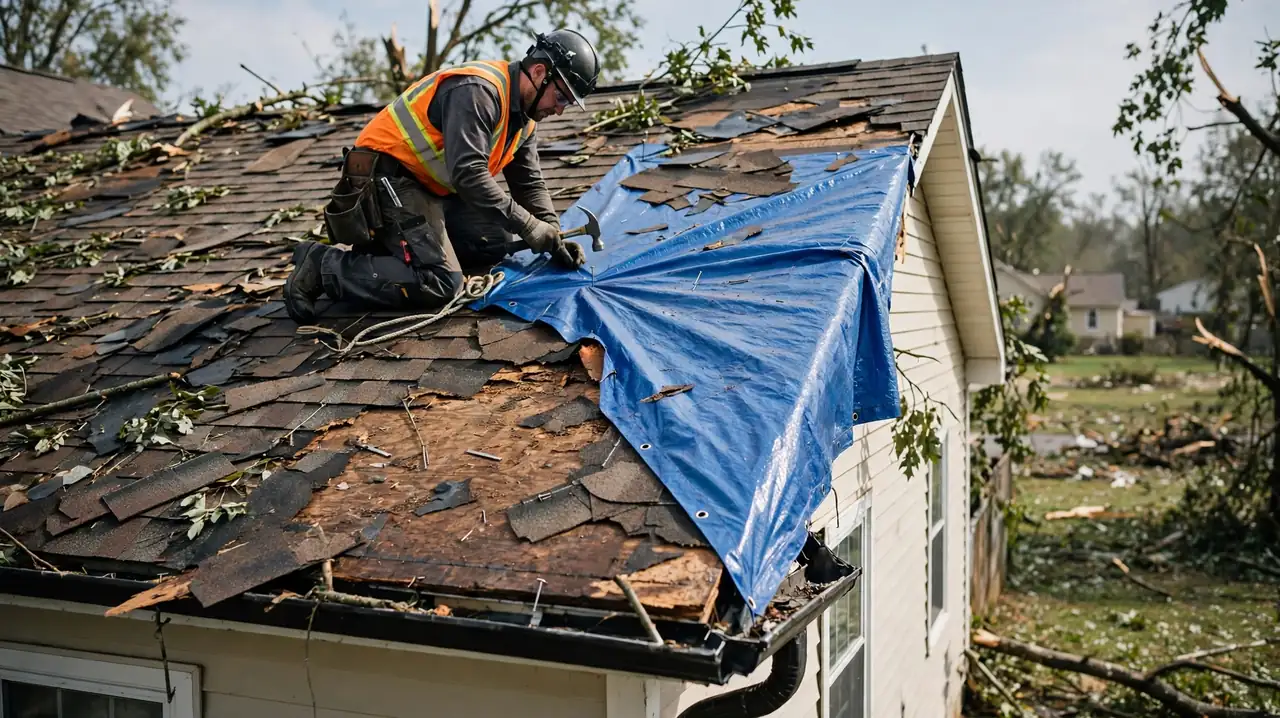
We check roof areas that protect bedrooms, living spaces, and attic materials. You can point out stains, gutter overflow, or damage noticed after a storm.
- Recurring ceiling water stains
- Leaves filling roof valleys
- Loose shingles after wind
Our roof maintenance Tomball TX service helps homeowners and property managers catch small defects before they become interior damage. We inspect shingles, flashing, drainage, penetrations, and accessible attic areas, then explain what needs attention. A roof tune-up Tomball TX is useful before winter rain, after hail or strong wind, and whenever you notice ceiling stains, loose roofing, or overflowing gutters.
 Flashing reviewDrainage checkLeak indicators
A visit covers a visual roof-system assessment, photographs of visible concerns, and minor corrective work agreed for the appointment. We check accessible roofing, flashing, drainage, penetrations, and edges. Extensive leak repairs, damaged decking, replacement materials, and concealed assembly work require a separate repair plan because they go beyond routine maintenance.
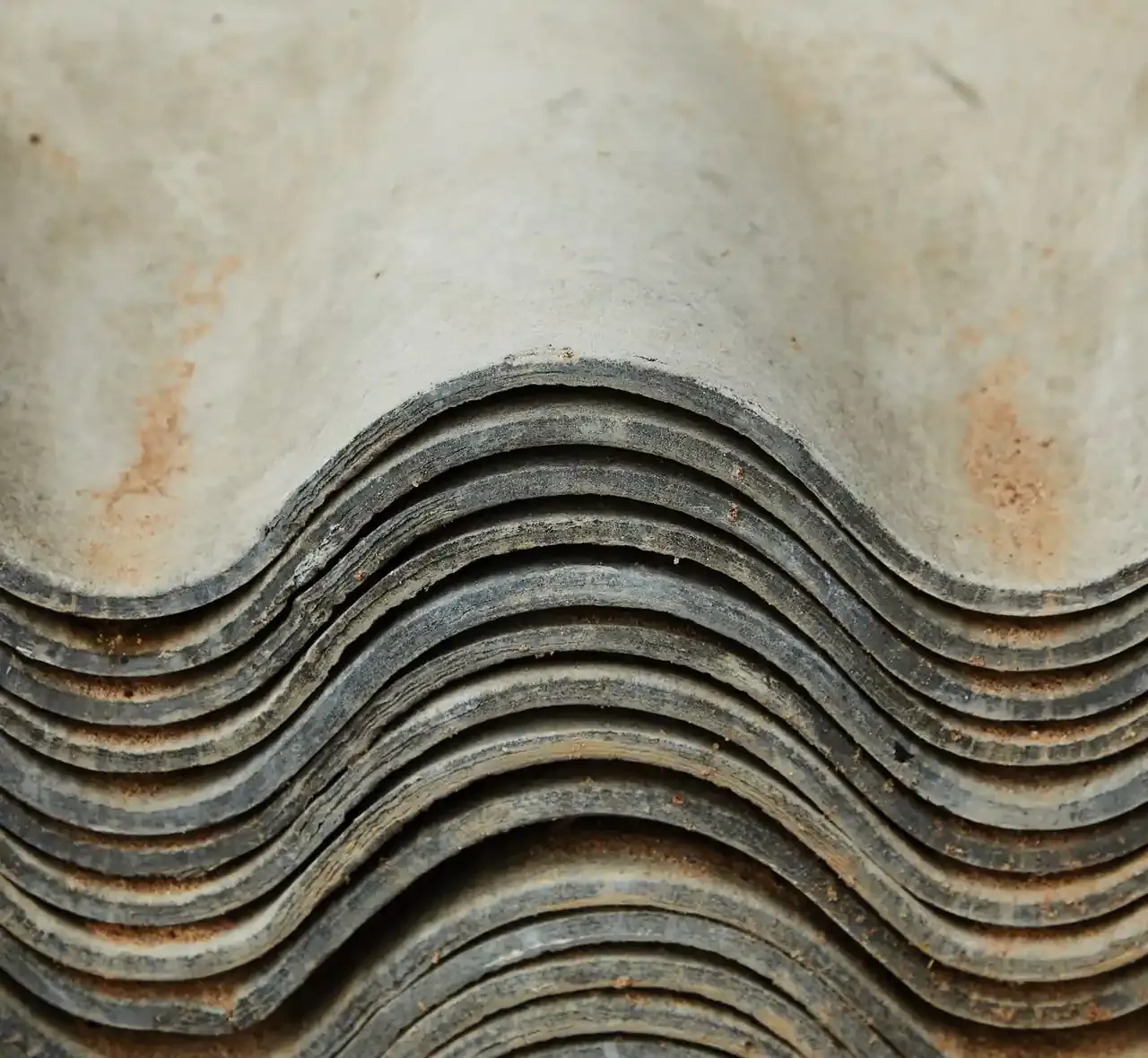
We inspect accessible shingles, panels, or other roof coverings for displacement, cracking, curling, exposed fasteners, and visible deterioration. The review follows the roof layout and records concern locations so you can relate each finding to a roof section.
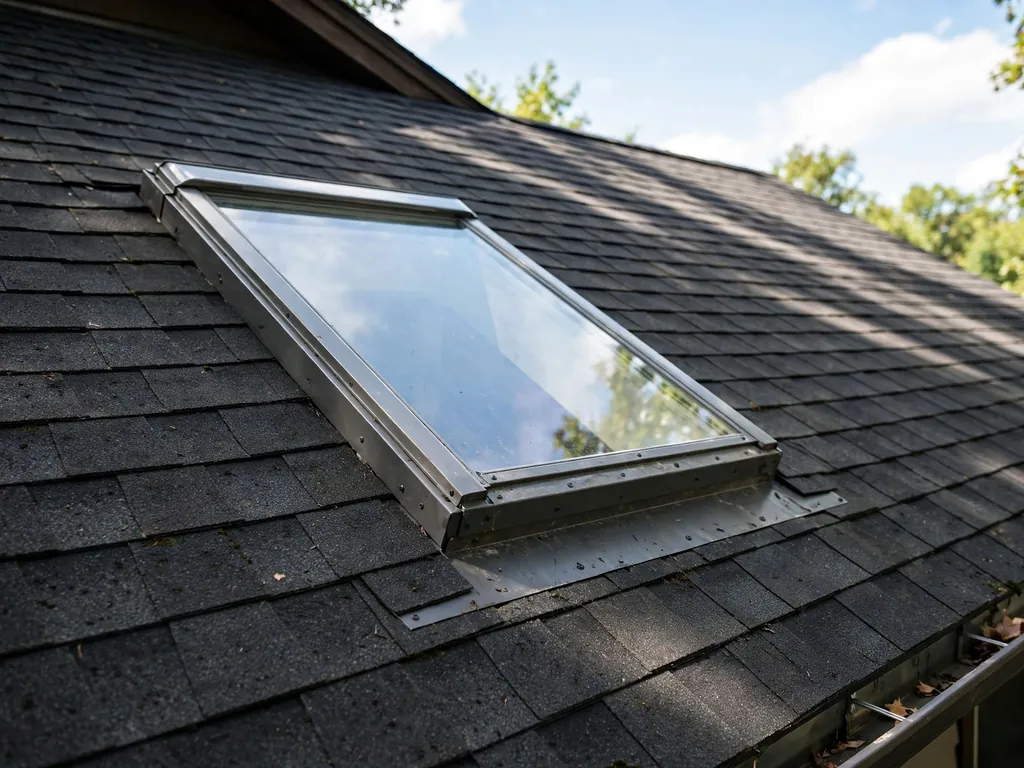
We check visible flashing around chimneys, skylights, vents, walls, and roof valleys. Loose edges, failed sealant, and gaps are documented. Small agreed corrections can be completed when the substrate and weather allow a sound repair.
We look for leaves and debris in accessible valleys and check gutters and downspout connections for visible blockage or overflow evidence. Correcting a simple obstruction helps runoff move away from roof edges instead of repeatedly wetting fascia.
If you report a ceiling stain or musty attic area, we check accessible interior indicators and compare them with roof-side details. We document suspected entry points and explain when further opening or repair is needed to confirm concealed damage.
You receive a clear summary of observed issues, completed minor work, and recommended follow-up. We distinguish urgent water-entry concerns from items that can be monitored, helping you plan repairs around the roof's actual condition.
The approach is the same for a home and a business. What changes is the access, the schedule and who needs the paperwork.
We check roof areas that protect bedrooms, living spaces, and attic materials. You can point out stains, gutter overflow, or damage noticed after a storm.
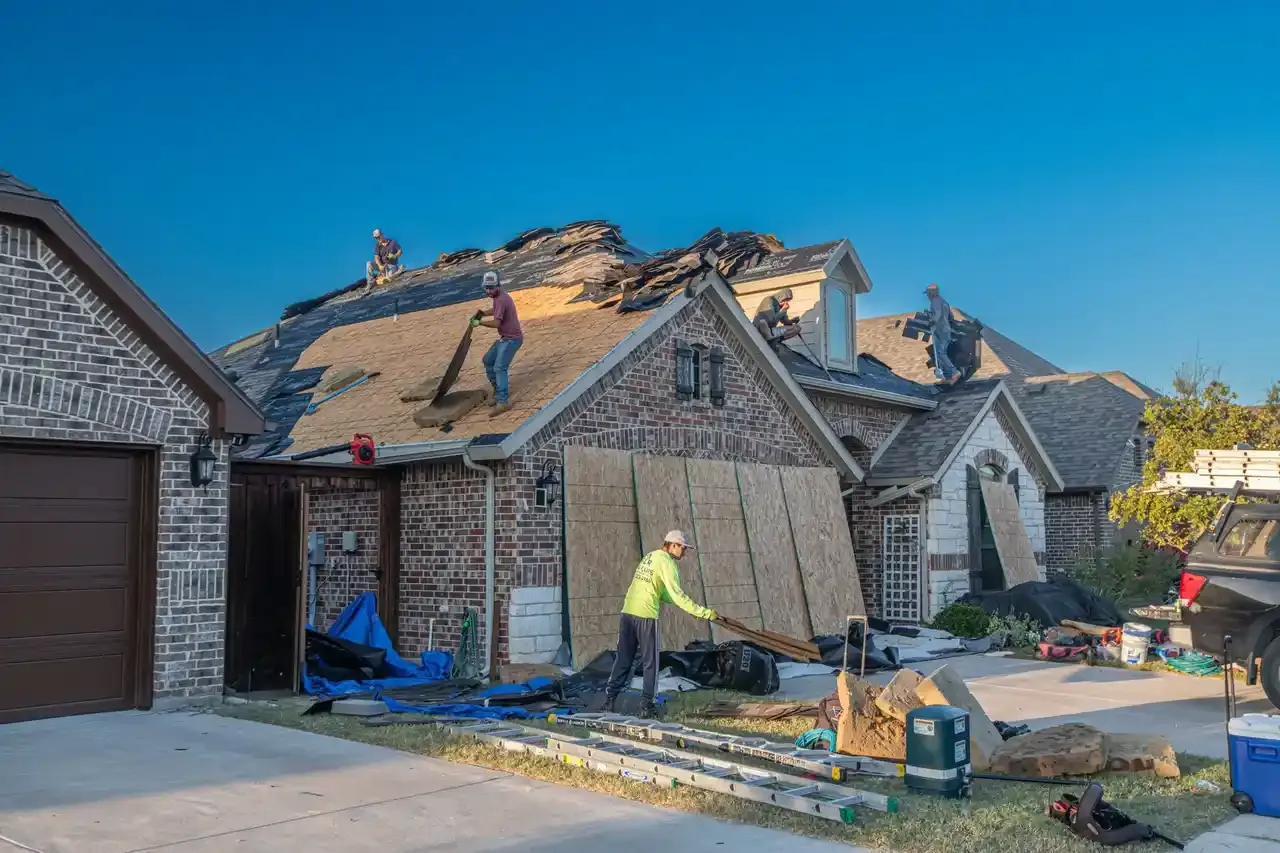
We review accessible roof sections, drains, edges, and penetrations with property operations in mind. You receive condition notes that help organize repairs and future checks.
A plain-language look at what Roof Maintenance involves and when it is needed.
See how it worksroof maintenance Tomball TX is preventive roofing work that inspects, cleans, and corrects minor roof defects before they allow water intrusion or accelerate material failure. We check exposed asphalt shingles, roof flashing, valleys, vents, skylights, and drainage paths, then document visible concerns. If a repair is appropriate, we address the accessible defect and verify the area; if damage is extensive, we explain the next step. Maintenance is not a substitute for replacement when the roof has reached the end of its service life.
Tomball roofs face heavy rain, humidity, intense summer heat, and seasonal hail or wind. Those conditions loosen fasteners, wear sealant, drive debris into valleys, and leave moisture around penetrations. Our roof maintenance in Tomball, Texas focuses on those failure points, including roof leaks that first appear as a small ceiling stain. A planned visit each spring and fall, plus an inspection after a significant storm, helps you catch trouble while the affected area is still limited.
Routine roof checks find visible defects early and clarify which repairs protect the building from water entry.
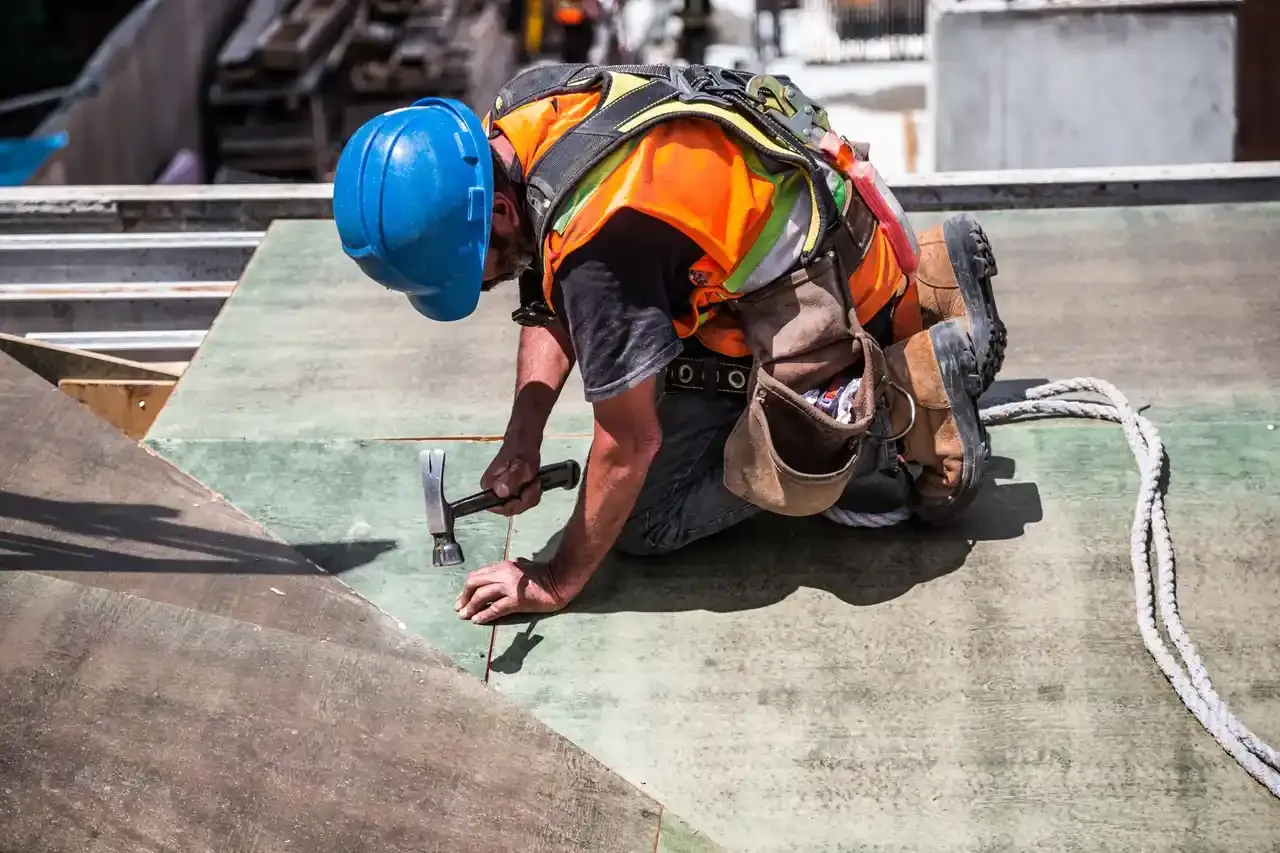
Roof maintenance Tomball TX follows a straightforward sequence: understand your concern, inspect the roof safely, explain findings, complete agreed minor work, and document the result. Most routine visits take about 1.5 to 3 hours; roof size, pitch, access, and repair needs affect the time.
We start by asking what you have noticed: a ceiling water stain, roof popping noises, loose shingle after wind, or gutter overflow. You can point out the room or exterior area involved. We review roof age and prior repairs if you know them, then set inspection priorities so the visit addresses your actual concern.

Our technician checks accessible roof surfaces, edges, valleys, flashing, penetrations, and drainage. We use a roofing ladder and fall protection harness where the access and conditions call for them. A typical visual assessment takes 45 to 90 minutes; steep pitch, wet surfaces, or unsafe weather changes the work plan.
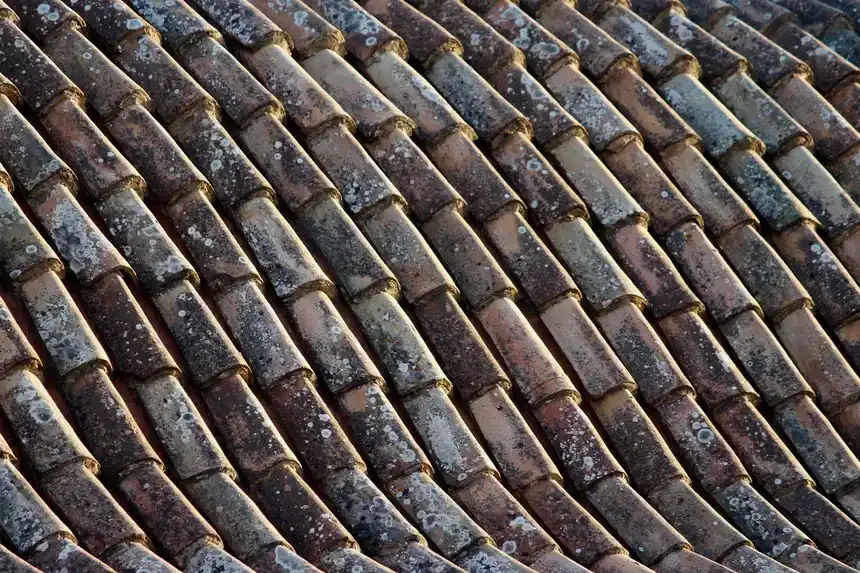
We photograph visible defects and note their location, material, and apparent urgency. A moisture meter can help investigate an accessible area when interior signs suggest water intrusion, but it does not replace opening concealed assemblies.

When the issue is within the agreed maintenance work, we secure loose components, renew appropriate roof sealant, or clear accessible debris. A small correction can take 30 minutes to two hours, depending on access and conditions. If we uncover damaged decking or a larger leak, we stop that task and explain the repair needed.

Before leaving, we walk you through the findings, completed work, and recommended timing for any remaining repair. You receive photos and a service summary for your records. We also explain a sensible recheck interval, commonly 6 to 12 months for routine care, with an additional inspection after significant storm damage.
Move across a circle, or focus it and press Enter, for an illustrative thermal view of the photograph.
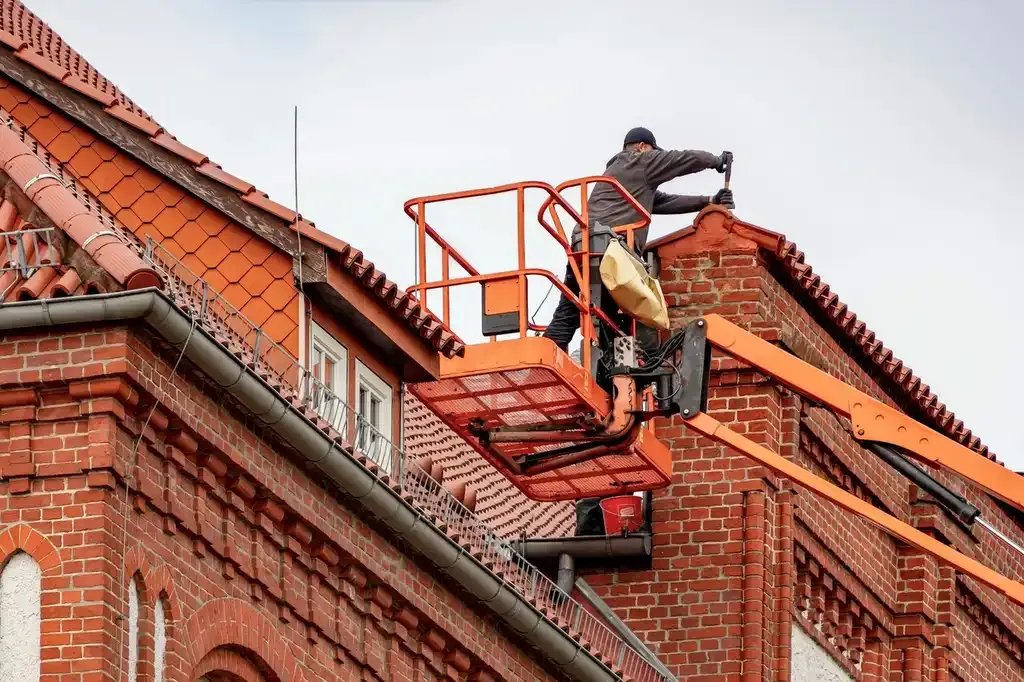
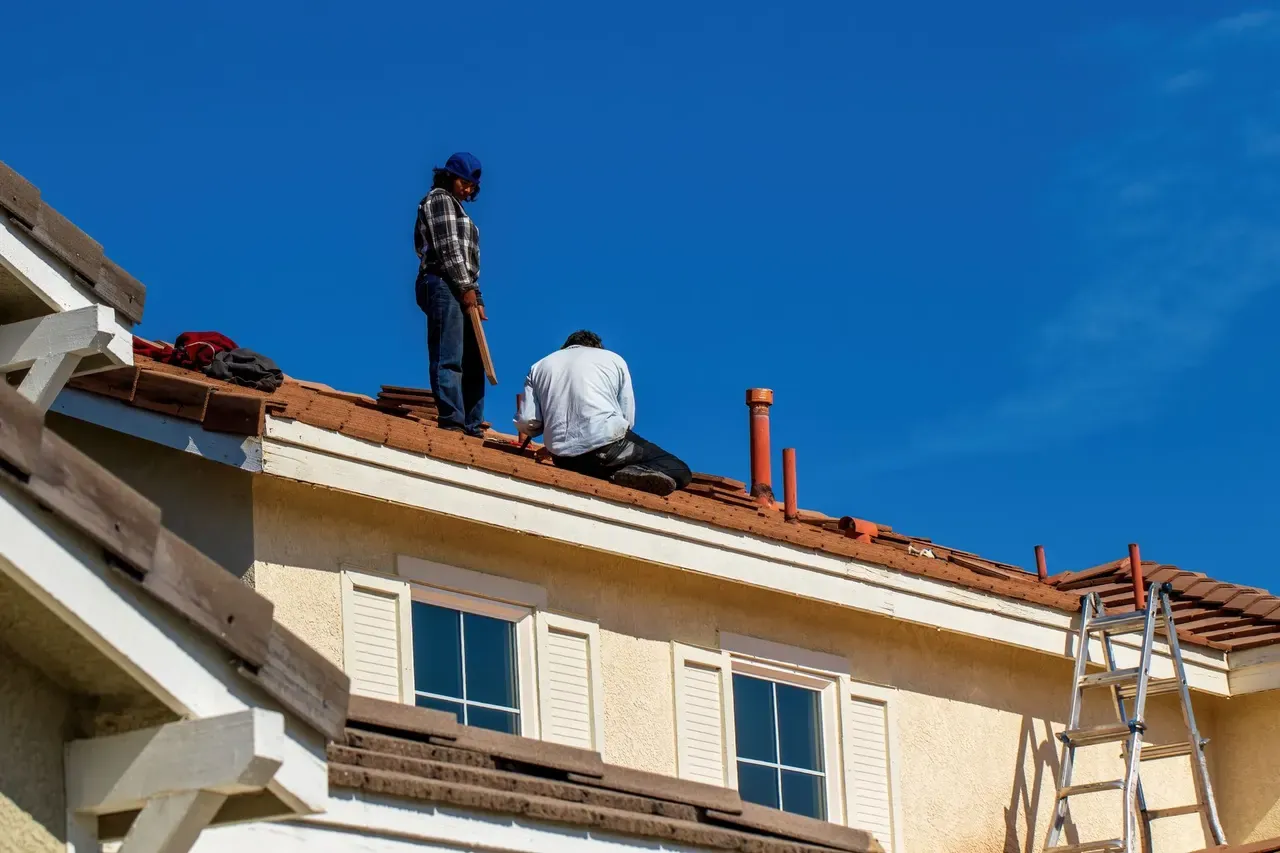
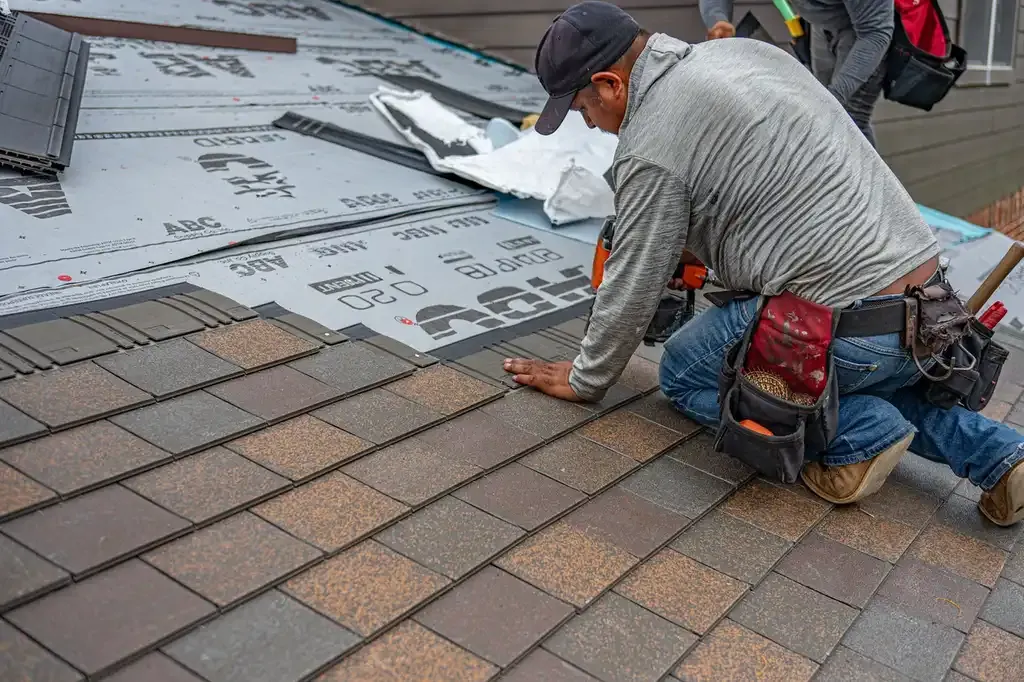
We use a properly positioned roofing ladder to access suitable inspection points. The setup is adjusted for roof pitch, ground conditions, and safe access before anyone climbs.
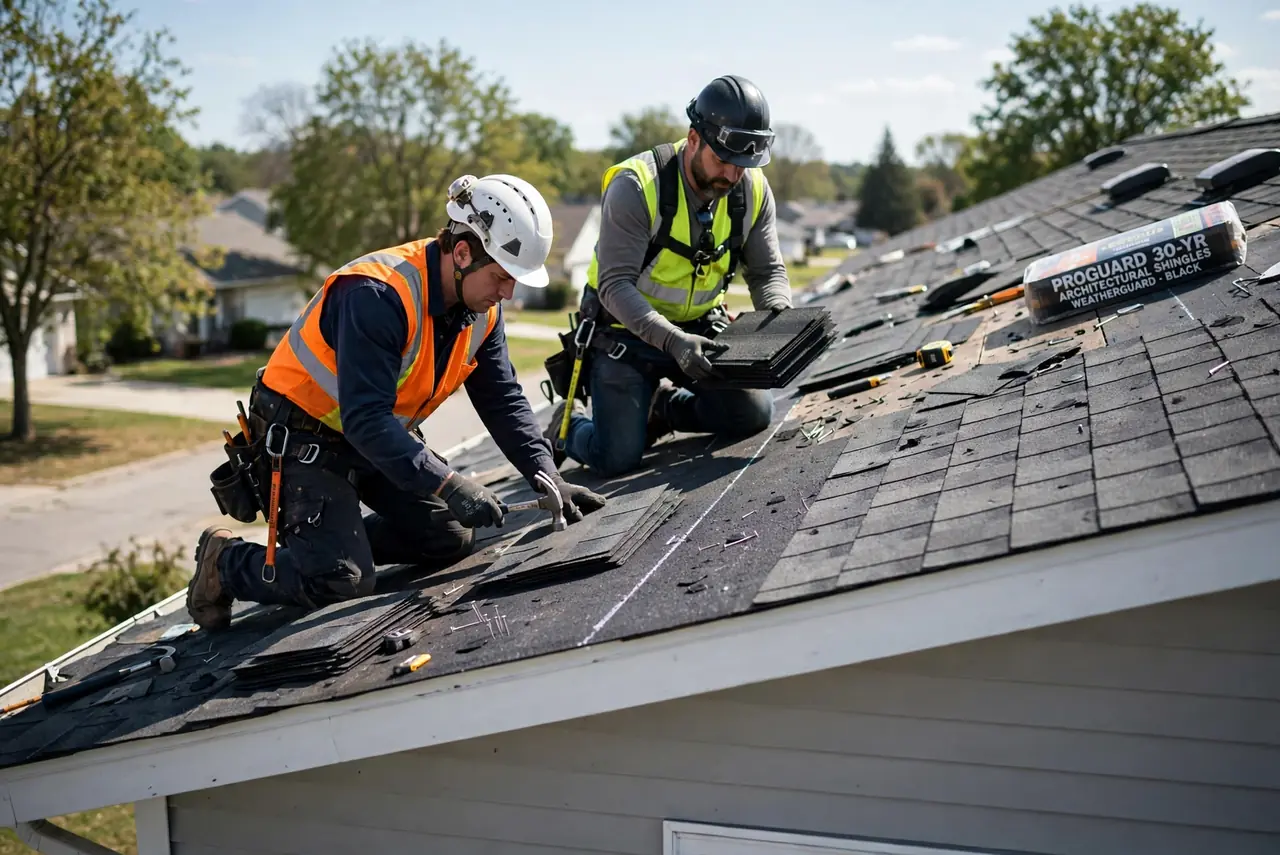
Where roof access requires it, fall protection helps control exposure while our technician checks roof edges and elevated components. Weather and surface conditions determine whether access is safe.
A moisture meter helps assess accessible material when a reported stain or damp area suggests water intrusion. Readings guide investigation but do not reveal concealed assemblies without access.
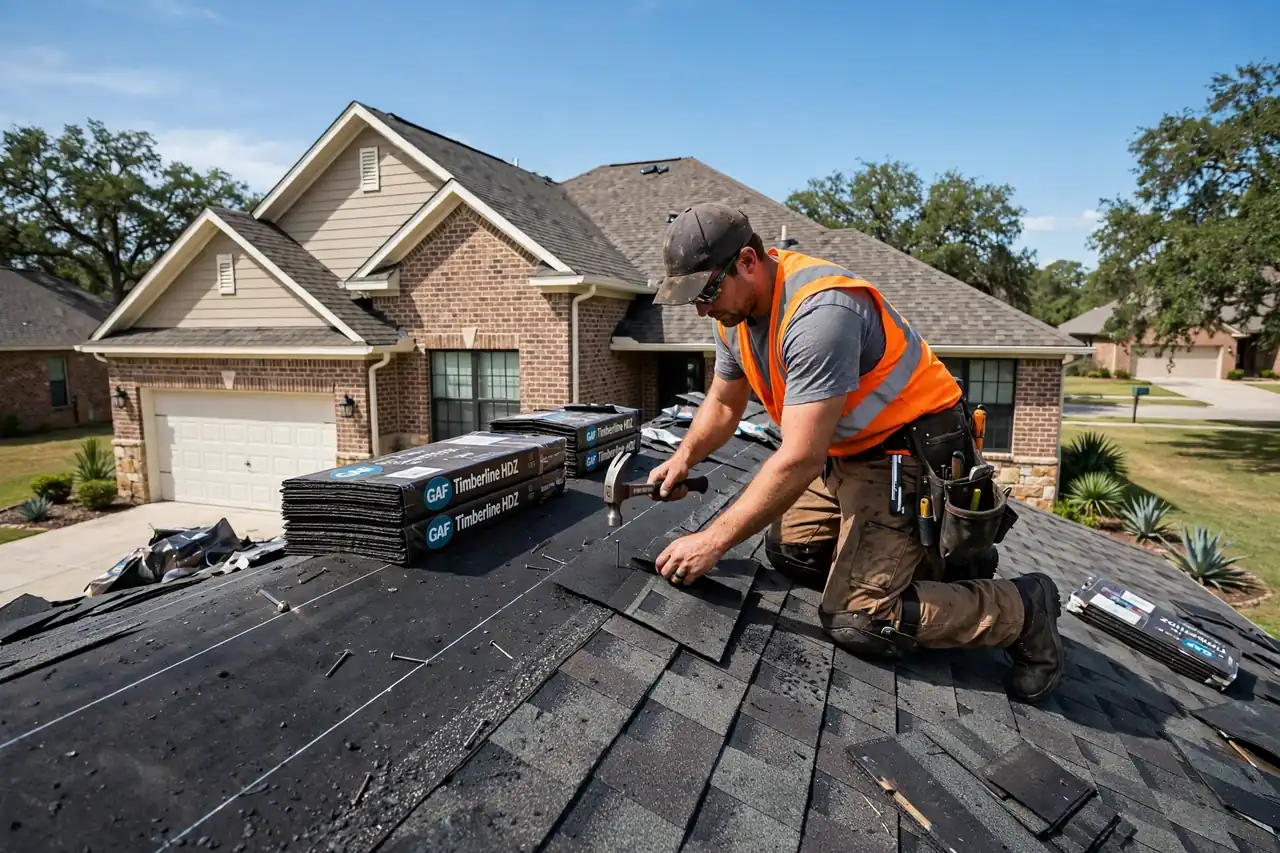
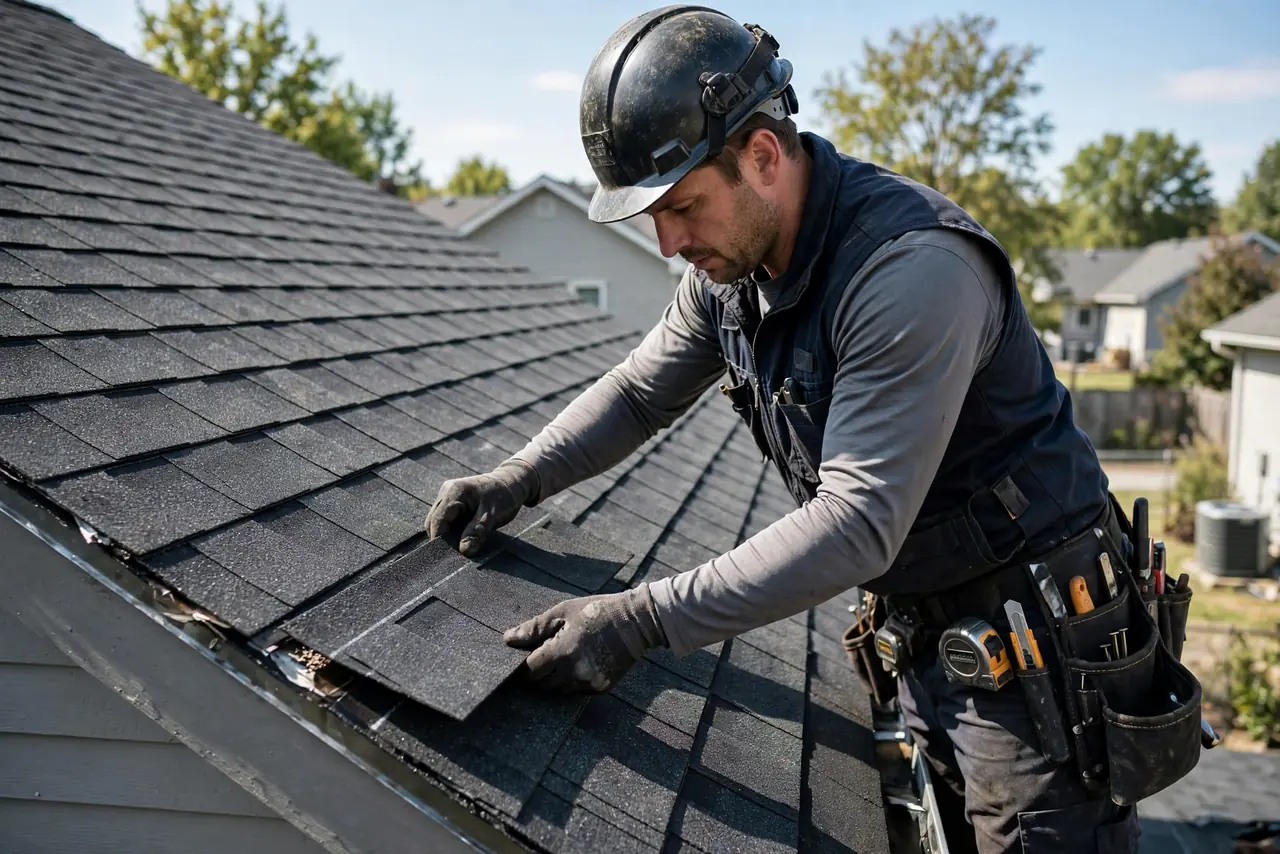
We use a roofing hammer for appropriate minor fastening tasks and to assess loose roofing components. Fastener placement must suit the material and avoid creating a new leak path.
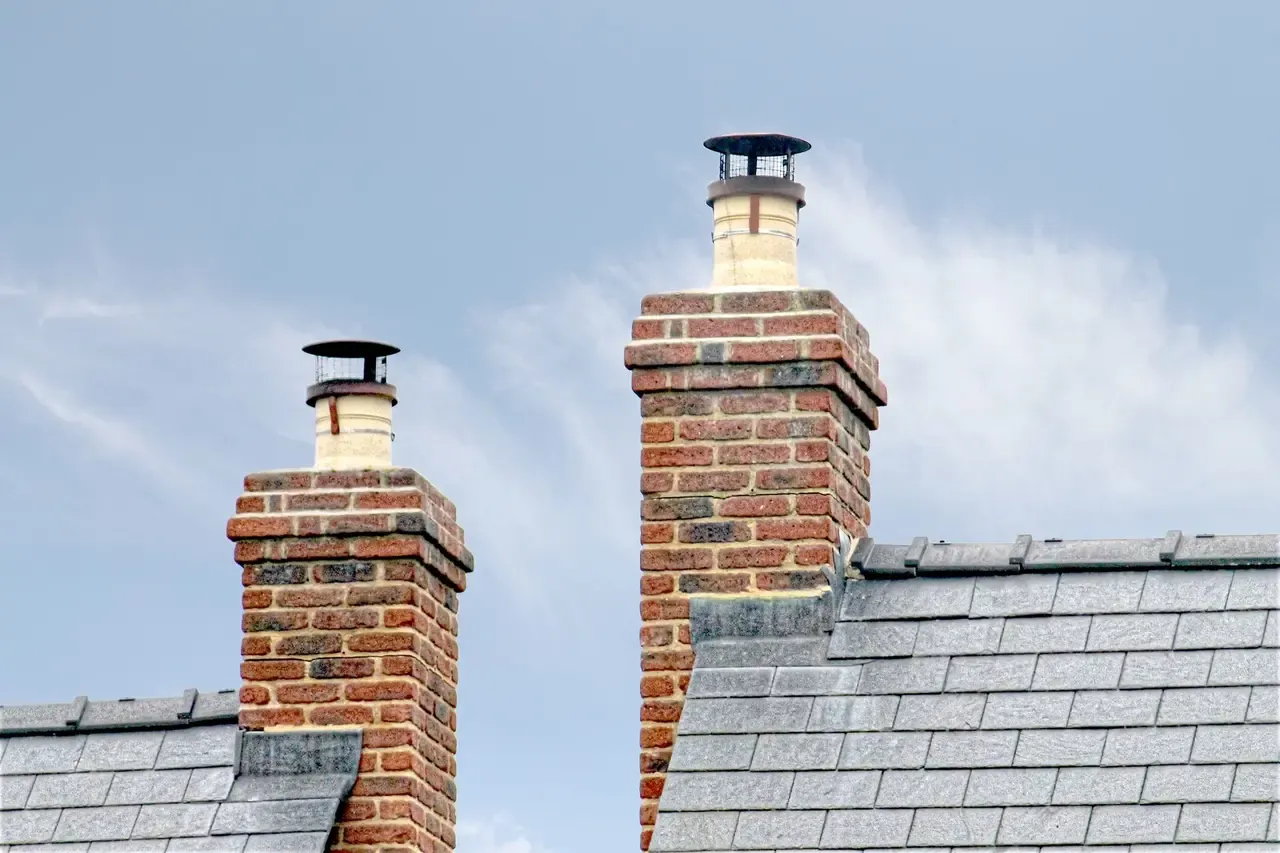
A utility knife is used for controlled trimming of compatible repair materials when minor work calls for it. We protect the surrounding roof surface and avoid cutting into concealed layers.
Thermal views are illustrative, generated from the photographs.
We follow the roof's drainage pattern from ridge and slope to valley, edge, gutter, and downspout. This helps connect visible staining with likely entry points instead of treating the nearest roof component as the cause. We document the suspected route and explain any limits to visual confirmation.
We check covering, flashing, penetrations, ventilation details, and edges as connected parts of one system. A sound shingle field does not rule out a leak at a chimney or skylight. Findings are grouped by location and urgency, making follow-up work easier to plan.
We recommend follow-up based on roof age, visible wear, tree exposure, drainage, and prior leak history. A sound roof may need a yearly check; a roof with recurring trouble deserves closer monitoring. We explain the interval and what changes should prompt an earlier visit.
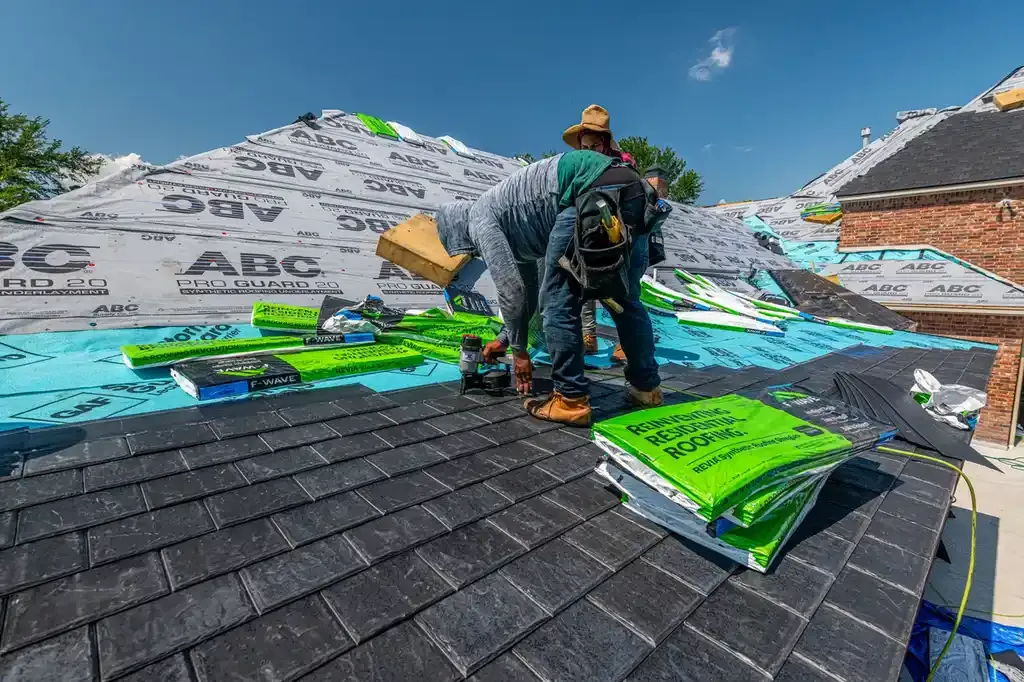
A Tomball homeowner notices a faint ceiling stain after a night of heavy rain.
We inspect the roof section above and around the room, checking valleys, vents, and flashing for a plausible water path. We look at accessible attic indicators if conditions permit, photograph what we find, and explain whether a small repair can stop the entry.
Outcome: You get a documented cause or a focused next step, rather than guessing from the stain location alone.

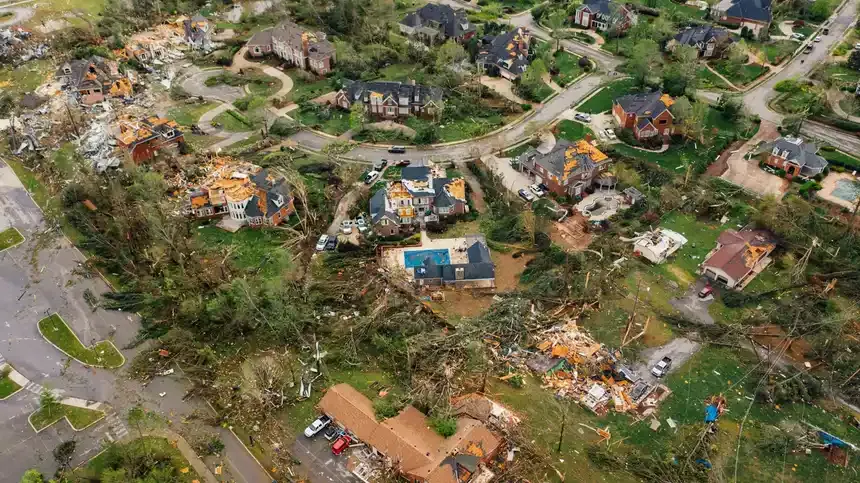
A gusty storm has passed through Willow Creek and left roofing debris in the yard.
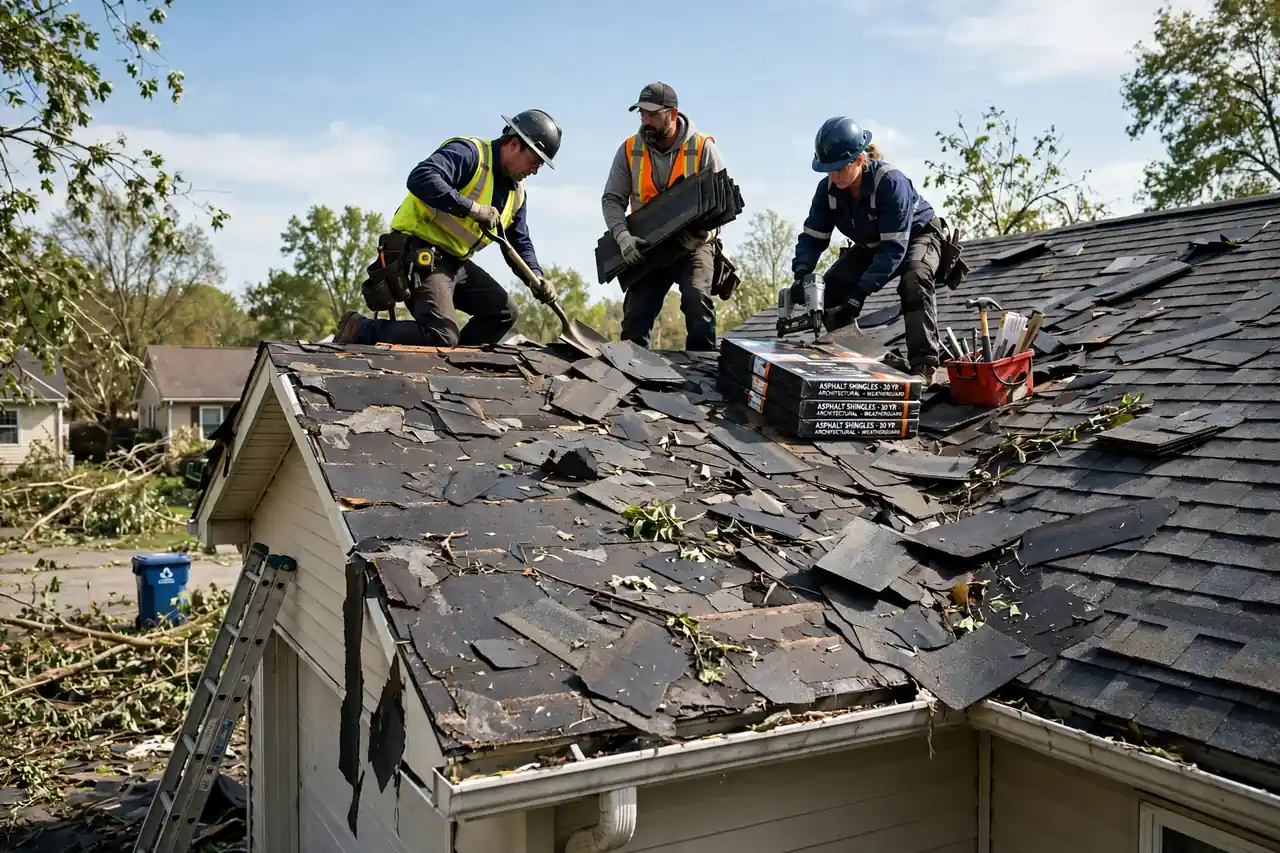
We check the roof edges, ridge, and affected slopes for loose or missing materials, then inspect nearby components for wind movement. We secure minor issues where appropriate and identify damage that needs a more extensive repair.
Outcome: You know which areas were affected and whether water protection needs immediate attention.
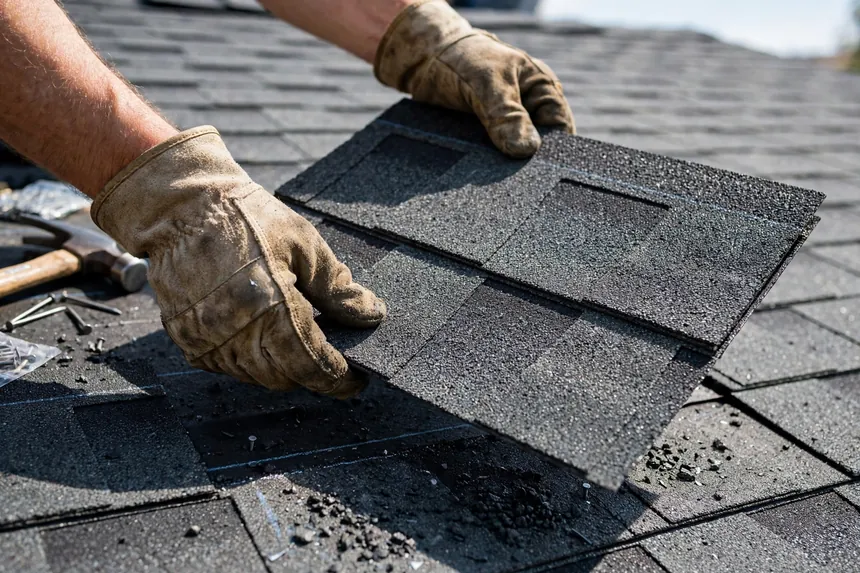
A commercial property manager wants roof records before the rainy season.
We review accessible roof sections, drains, seams, penetrations, and edge details, then provide photographs and a prioritized maintenance summary.
Outcome: Your records show roof condition and help organize work without relying on scattered observations.
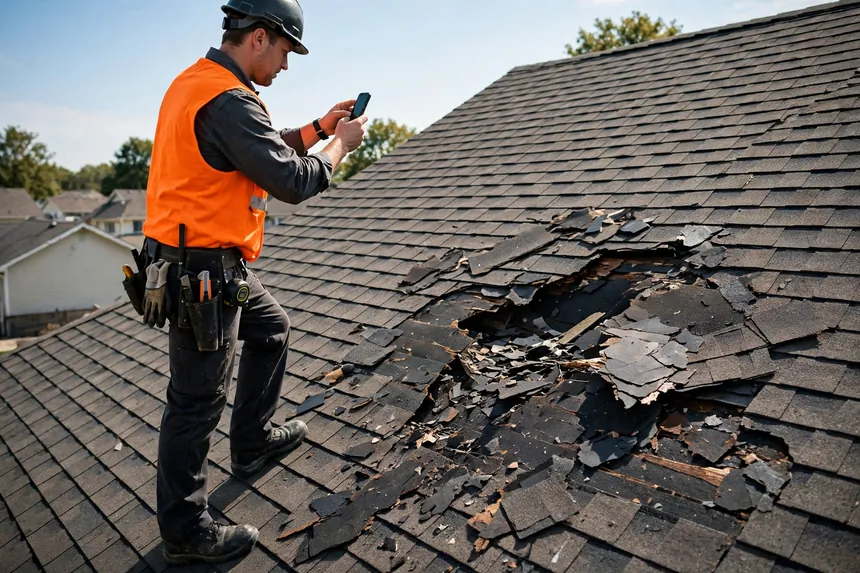
A homeowner in Tomball has not inspected the roof since moving into the property.
We assess visible covering, flashing, gutters, and attic indicators where accessible. We note aging materials and previous patch locations, then explain a reasonable maintenance interval based on condition, tree exposure, and drainage.
Outcome: You begin with a clear condition record and a practical list of priorities for the roof.
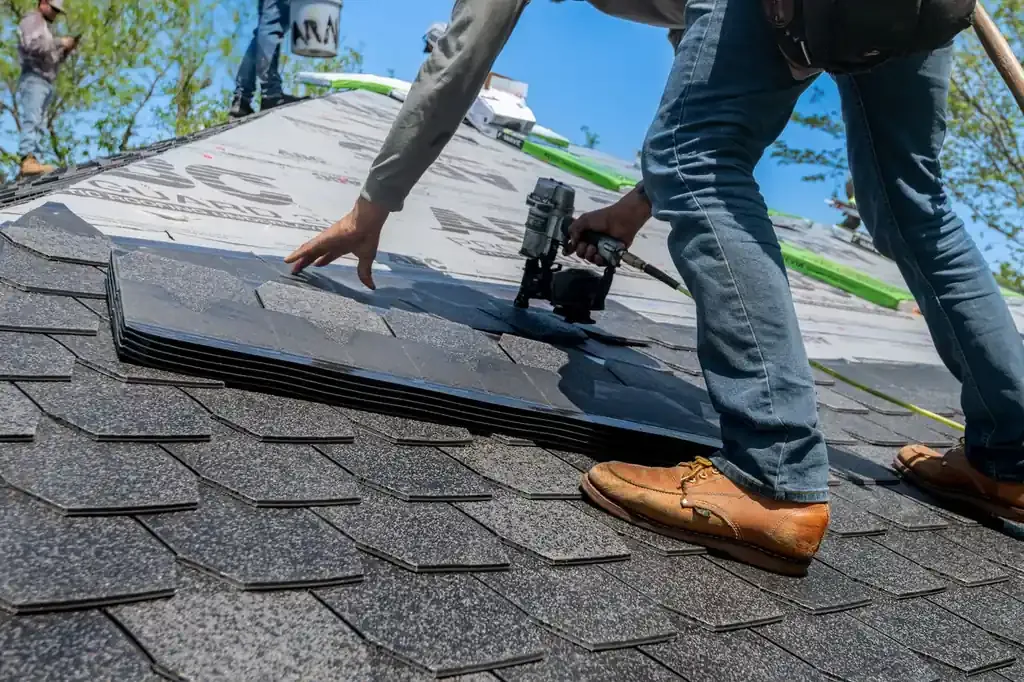
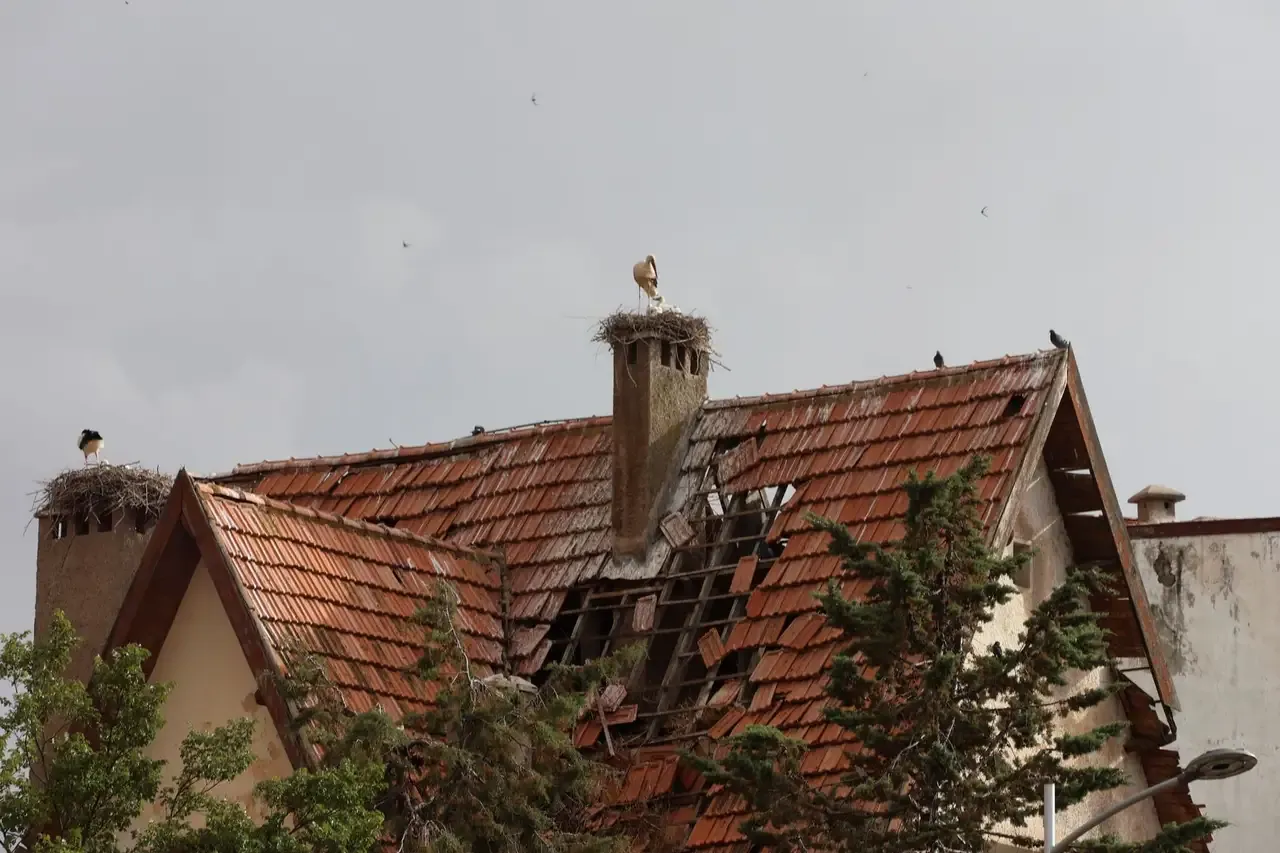
Roof maintenance in Tomball, Texas needs to account for intense summer sun, humid air, heavy rain, and seasonal hail or wind. Heat dries sealants and accelerates surface wear, while repeated wetting can expose weak flashing, valleys, and roof edges. In neighborhoods with mature trees, leaves can build up in gutters and slow runoff.
We schedule roof access around dry, safe conditions; a wet or storm-damaged surface is not a place to force an inspection. Our team checks the roof type before choosing a repair method, since asphalt shingles, metal roofing panels, and low-slope systems have different details. We also consider the home's age and visible construction when looking for ventilation, drainage, and prior repair issues.
Tomball properties fall within Harris County, and work must follow applicable local requirements and relevant building codes. We serve ZIP codes 77375 and 77377, from established homes near Old Town to newer properties around Northpointe. After a significant storm, same-day roof maintenance Tomball is not a substitute for safe access; we first assess conditions and address active exposure appropriately.
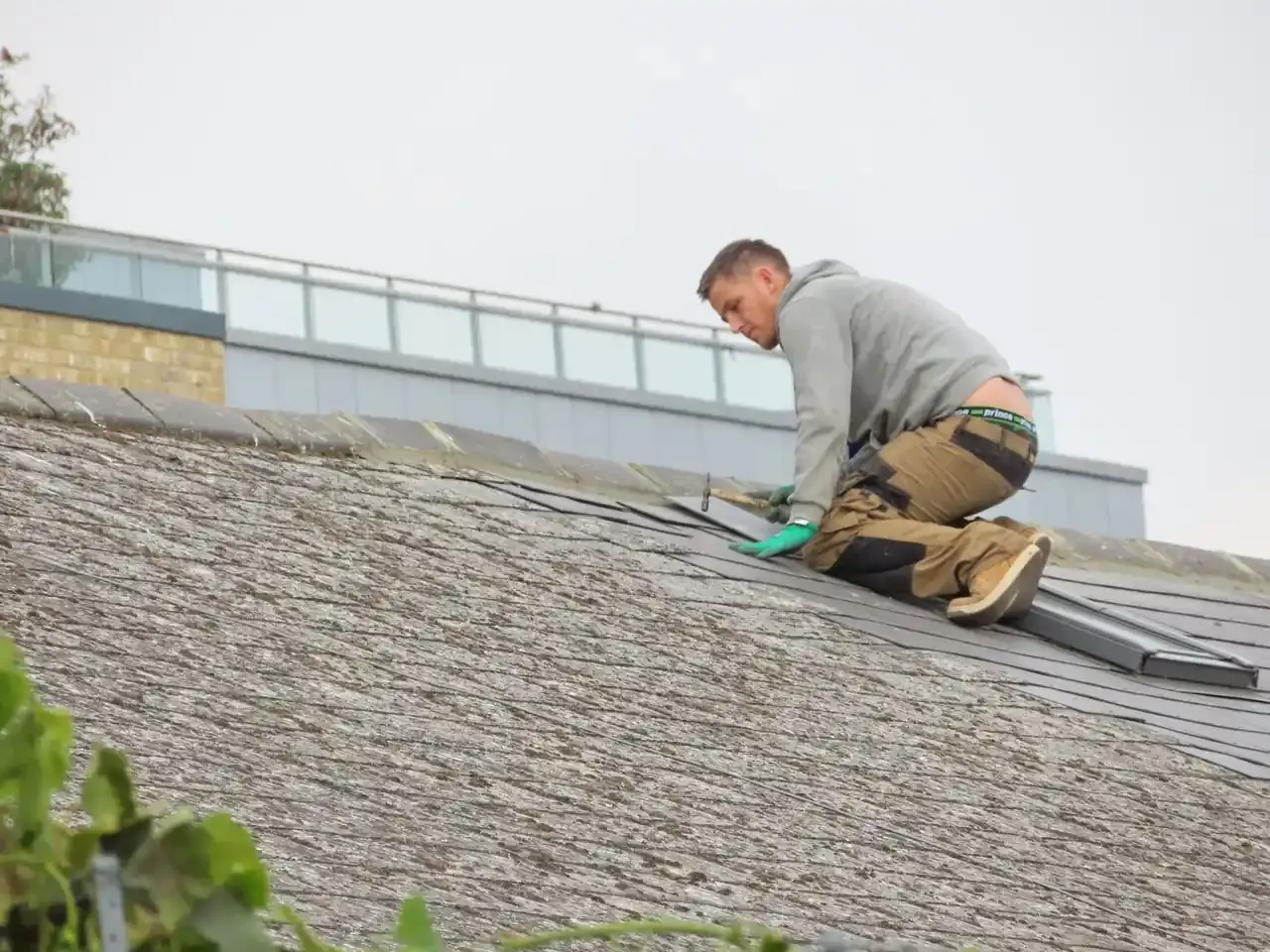
Before: A Tomball homeowner had a ceiling stain that darkened after two periods of heavy rain. No shingle was visibly missing from the driveway, and an earlier interior patch had not stopped the mark from returning. The homeowner needed the roof-side source identified before repainting the ceiling again.
After: We found a small flashing gap near the affected roof section, documented it, and completed the agreed minor correction. The visit took about two hours, including inspection and review. The homeowner received photos of the transition and a note to check the ceiling after the next substantial rain.
Keep a dated photo of the ceiling area and check it after heavy rain. Schedule a roof review if the stain returns, spreads, or feels damp; interior paint alone does not correct water entry.
Before: Leaves had collected in a valley above a gutter in Willow Creek, and water spilled over the edge during rain. The fascia showed dark marks, but the homeowner had not noticed a roof leak inside. The immediate concern was where the runoff was going.
After: We cleared accessible debris, checked the valley and gutter connection, and photographed the fascia condition. The visit took roughly 90 minutes. Water could follow the gutter route again, and the homeowner had a record of the affected area for future checks.
Check gutters and valleys after leaf-heavy periods, especially where branches overhang the roof. A 6-month review is useful when debris returns often or overflow marks reappear.
Before: After a gusty storm, a Northpointe resident found roofing material in the yard and saw one shingle edge lifted near the eave. The rest of the roof looked normal from ground level, leaving uncertainty about nearby sections.
After: We inspected the affected slope and neighboring courses, replaced the damaged piece, and checked the adjacent edge. The work and review took about two hours. Photos showed the repaired location and confirmed that no other visible displacement was found in the inspected area.
After strong wind, look from the ground for debris or lifted edges without climbing onto the roof. Arrange an inspection if you see displacement, exposed underlayment, or a new interior stain.
Affordable roof maintenance in Tomball, Texas starts with finding the source of wear and addressing the right component. We check how water moves across your roof and where it can enter, then give you a practical order of work.
Catch visible roof defects early and know what should be repaired next.
We trace visible staining and inspect likely entry points such as valleys, pipe penetrations, and chimney edges. Finding a small flashing gap before another rain can prevent water from reaching roof decking and insulation. Your service notes identify the location and recommended repair rather than leaving you with a vague warning.
Leaves and roof granules can restrict water movement and contribute to gutter overflow at eaves and valleys. We check the path from roof surface to downspout and flag drainage obstructions that need attention. Clear runoff reduces prolonged wetting at the roof edge and helps protect soffit and fascia.
Our Tomball roof maintenance visit records visible wear with notes and photographs, so you can distinguish an isolated repair from broader deterioration. We identify missing or curling shingles, exposed fasteners, and sealant failure, then explain which items require prompt work and which can be monitored at the next visit.
A roof is a system, not just a surface. We inspect ridge vents, flashing, edge details, and accessible roof penetrations because a failure at one junction can wet otherwise serviceable materials. Catching that issue early can protect the underlayment and decking beneath the visible covering.
Clear records you can keep and share.
Images of visible concerns and completed work
Inspection points and observations
Description of agreed corrections
Recommended checks and priorities
Maintenance checks condition and handles minor care; repair addresses a specific defect that needs corrective work.
Scheduled checks for visible wear and drainage issues.
Small agreed work on accessible defects.
Focused work for active damage or water entry.
A list like this tells people straight away whether you cover their street. Not listed? Call and ask: it only takes a minute.
Based in Tomball and covering the places around it. Pick one for local details.
The roof's size, pitch, material, access, debris, and repair needs affect the total. A maintenance inspection without repairs costs less than work involving flashing, damaged shingles, or drainage corrections. We explain the findings and price agreed work upfront so you can decide what to address.
Schedule a roof tune-up every 6 to 12 months, and arrange another inspection after a significant hail or wind event. The shorter interval suits roofs with known wear, mature trees, or recurring drainage issues. We check shingles, flashing, valleys, and runoff, then recommend a recheck based on the roof's actual condition rather than a fixed sales schedule.
Tomball Roofing Experts provides annual roof maintenance for homes and commercial properties in Tomball and nearby communities. We inspect the roof system, photograph visible concerns, and explain practical repair priorities. Ask for a visit if you have recurring ceiling stains, loose roofing, or no recent condition record; we can also inspect after a storm.
A maintenance visit includes a visual check of roof covering, flashing, valleys, penetrations, vents, and drainage, plus photos and a findings summary. We address minor agreed items such as accessible debris or a small sealant defect when conditions allow. Replacing damaged decking, correcting extensive leaks, or replacing a roof is separate repair or replacement work.
Other services from the same team.
Protect your roof before a small defect turns into an interior leak. Call Tomball Roofing Experts at (877) 791-3217 to discuss the concern and arrange a roof maintenance visit. We serve Tomball, TX, and nearby Harris County communities.
Call (877) 791-3217 to discuss roof replacement, roof repair, a leak, or storm damage at your Tomball property. Our phone team can hear the details and connect your request with an independent roofing company. Contact us during regular business hours, Monday through Friday, 8 a.m. to 6 p.m.; for active water entry, describe where it is happening when you call.