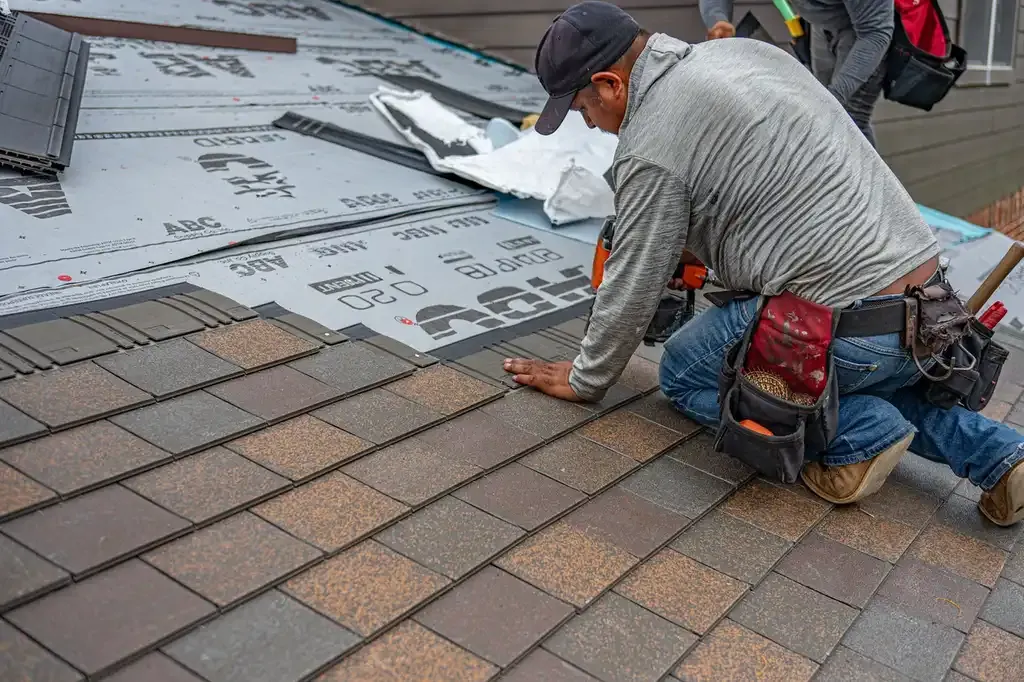
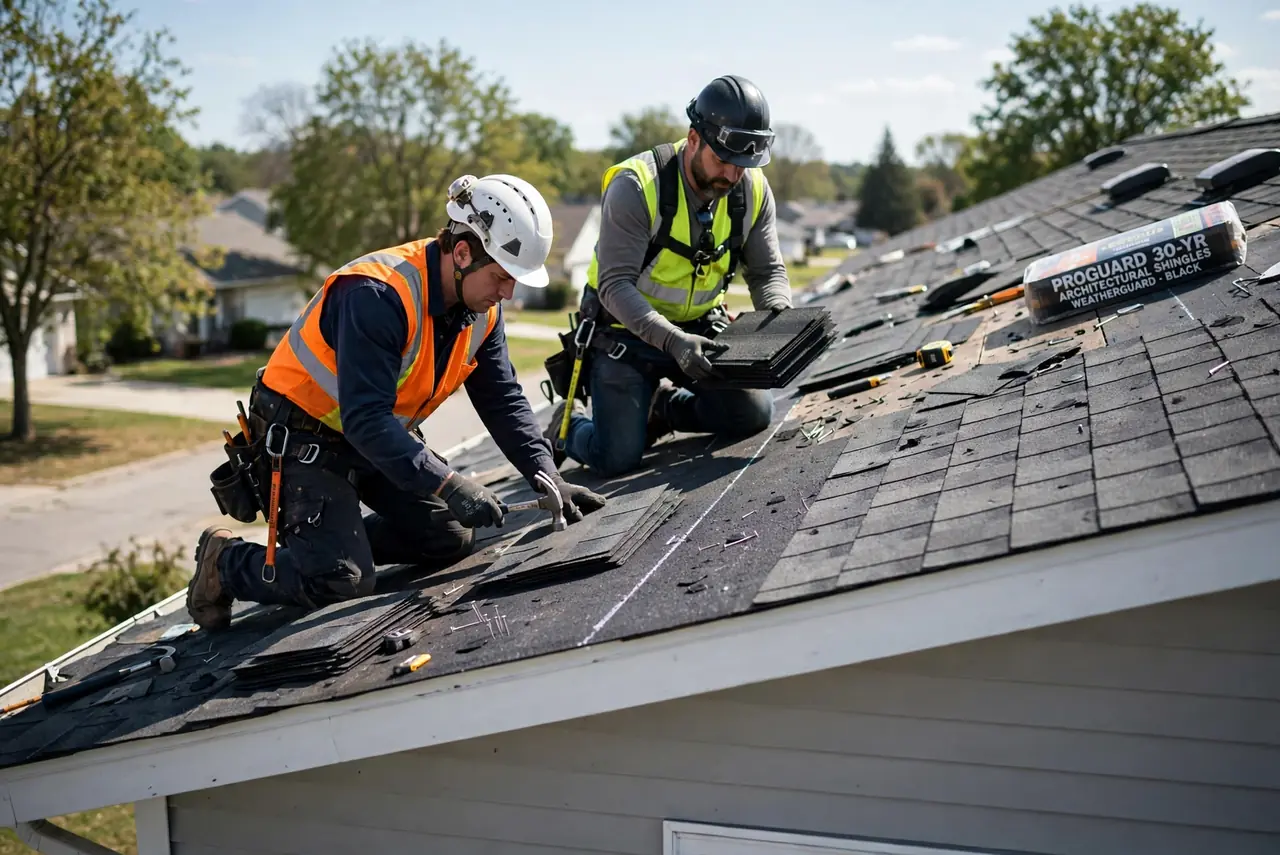
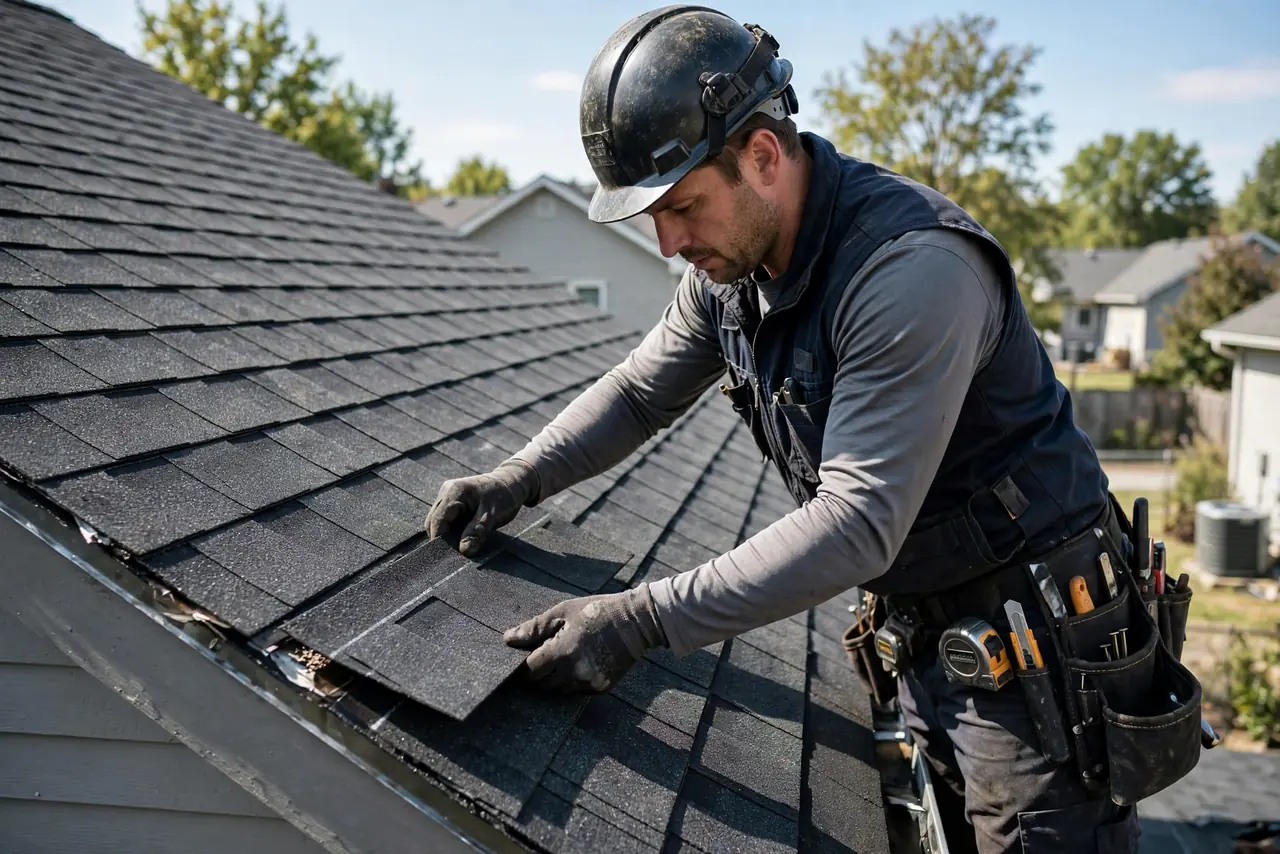
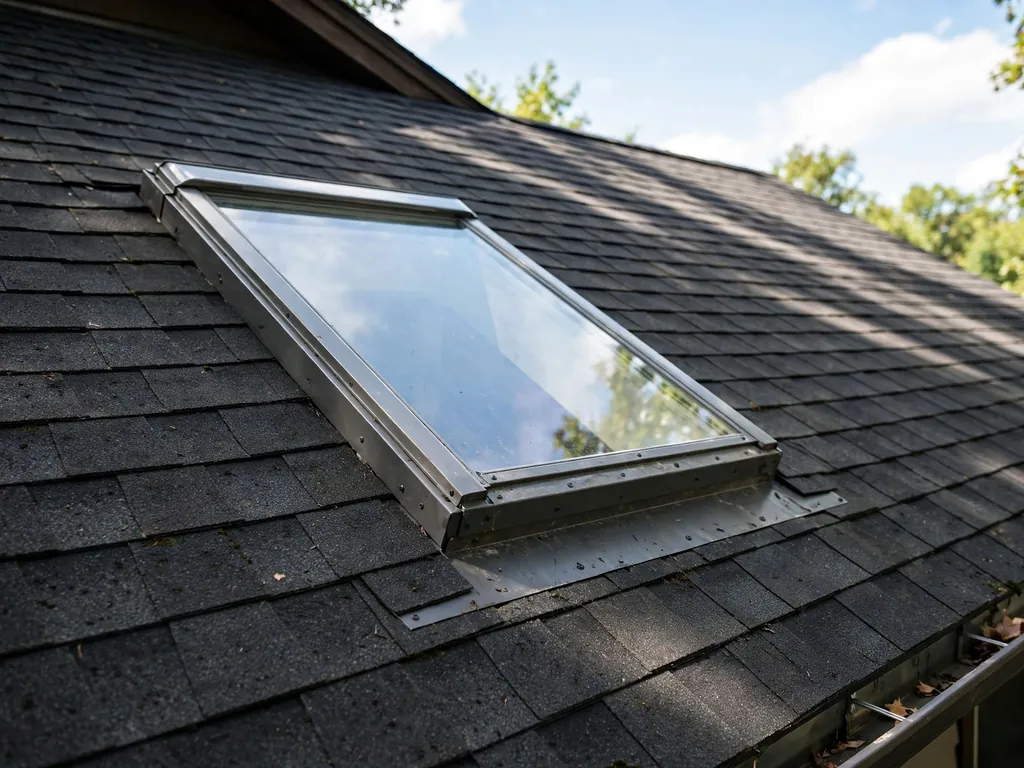
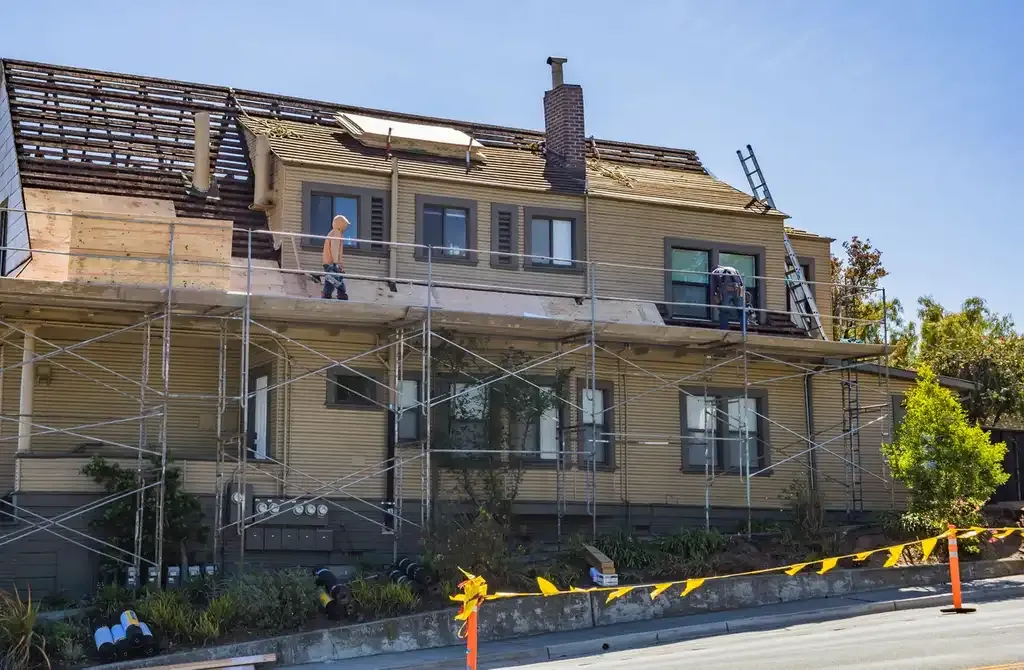
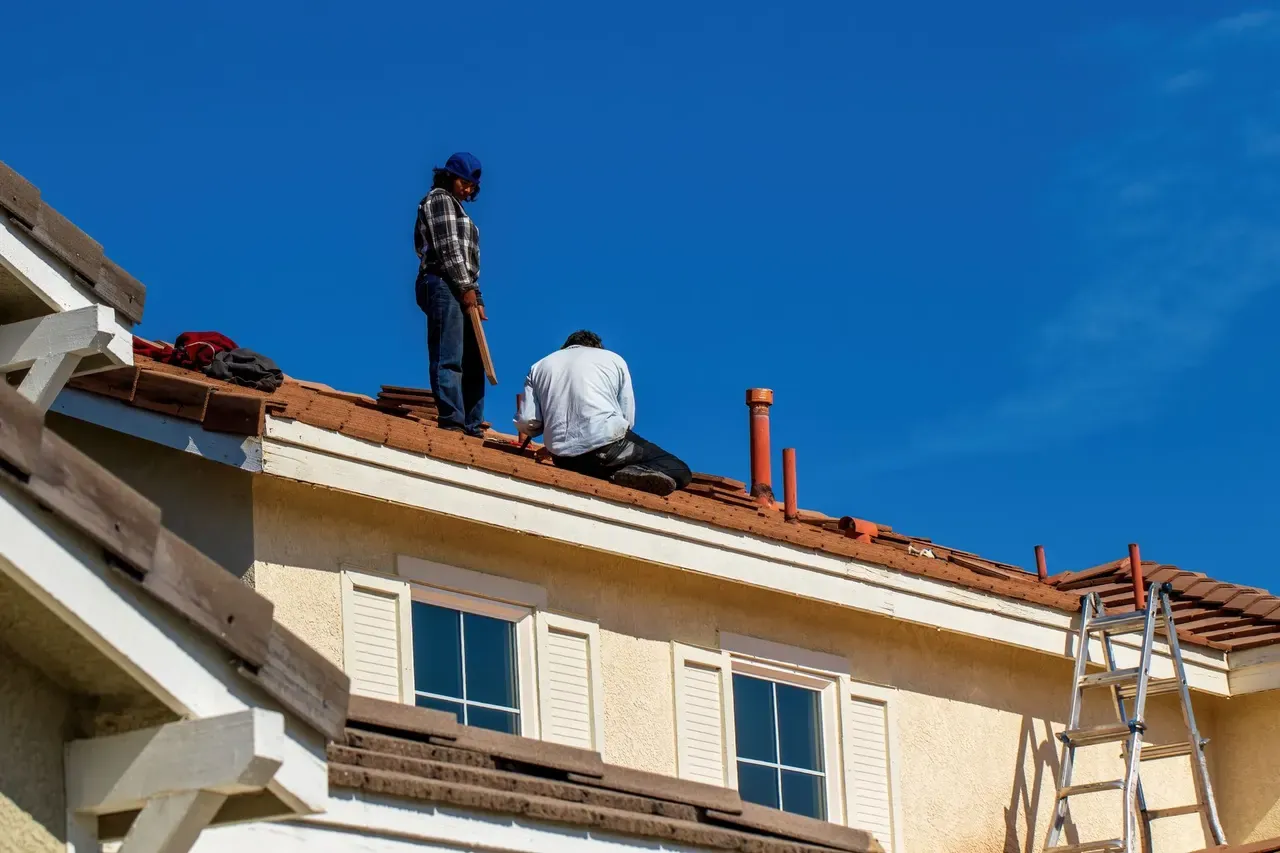
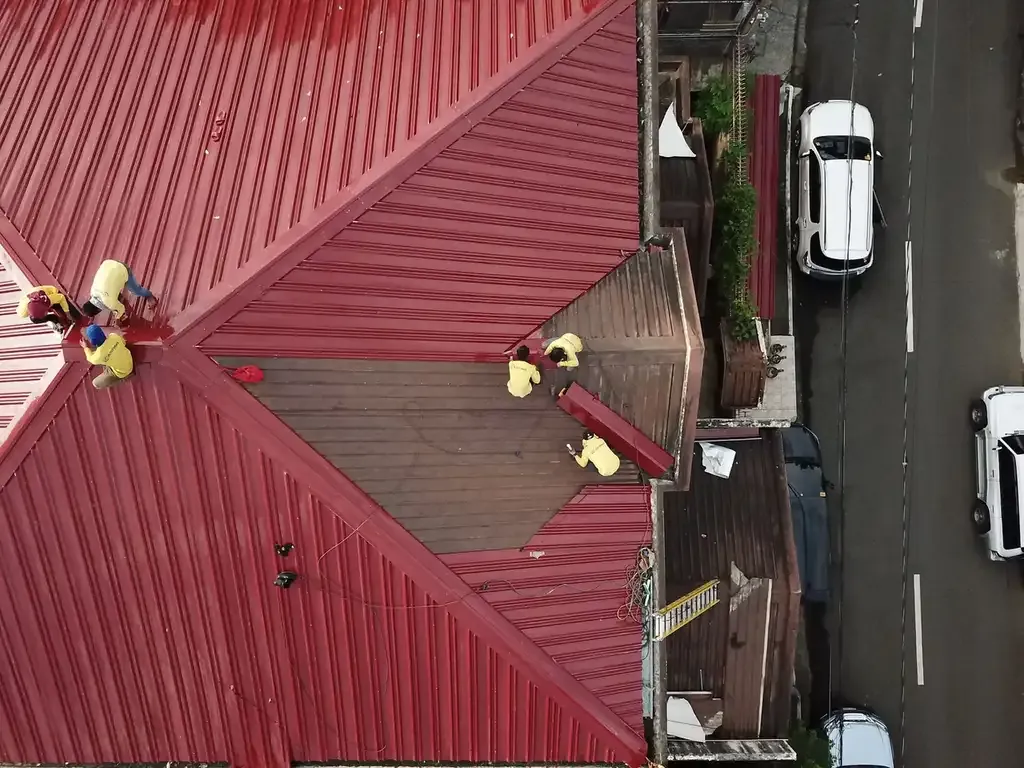
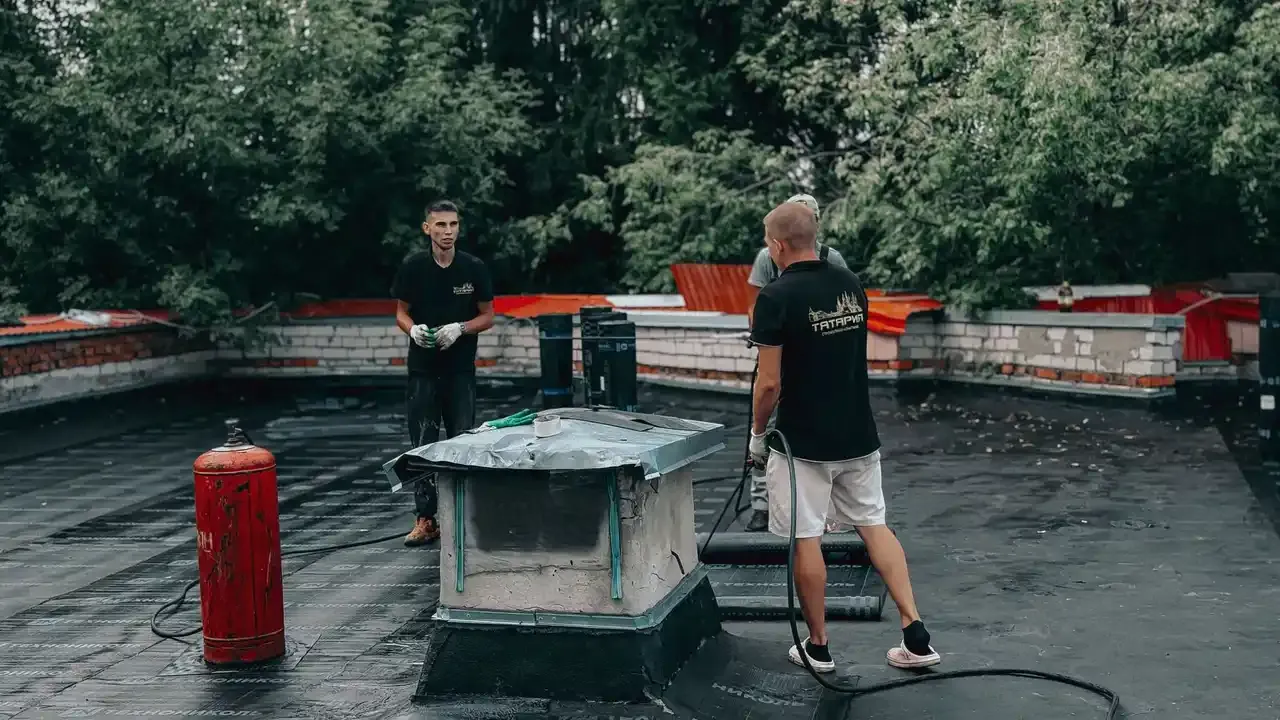
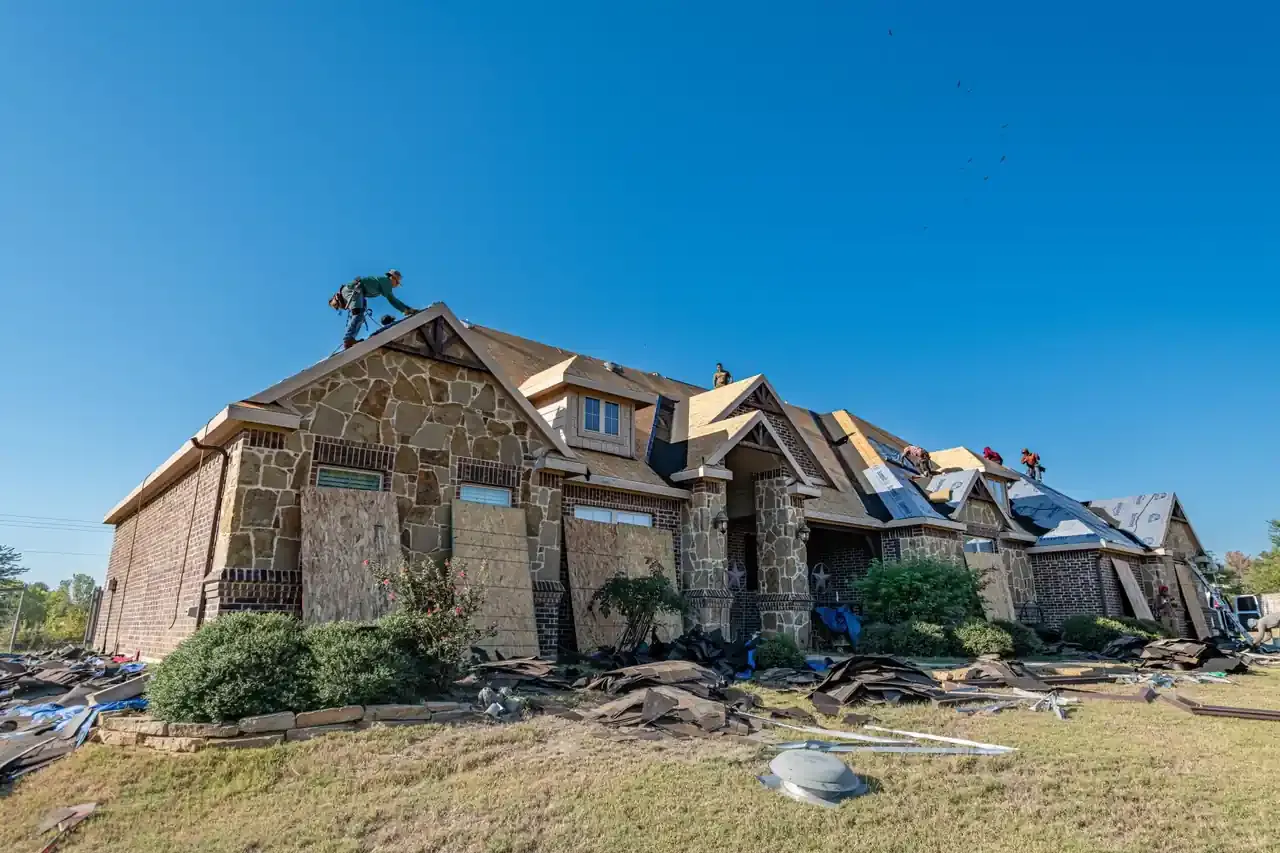
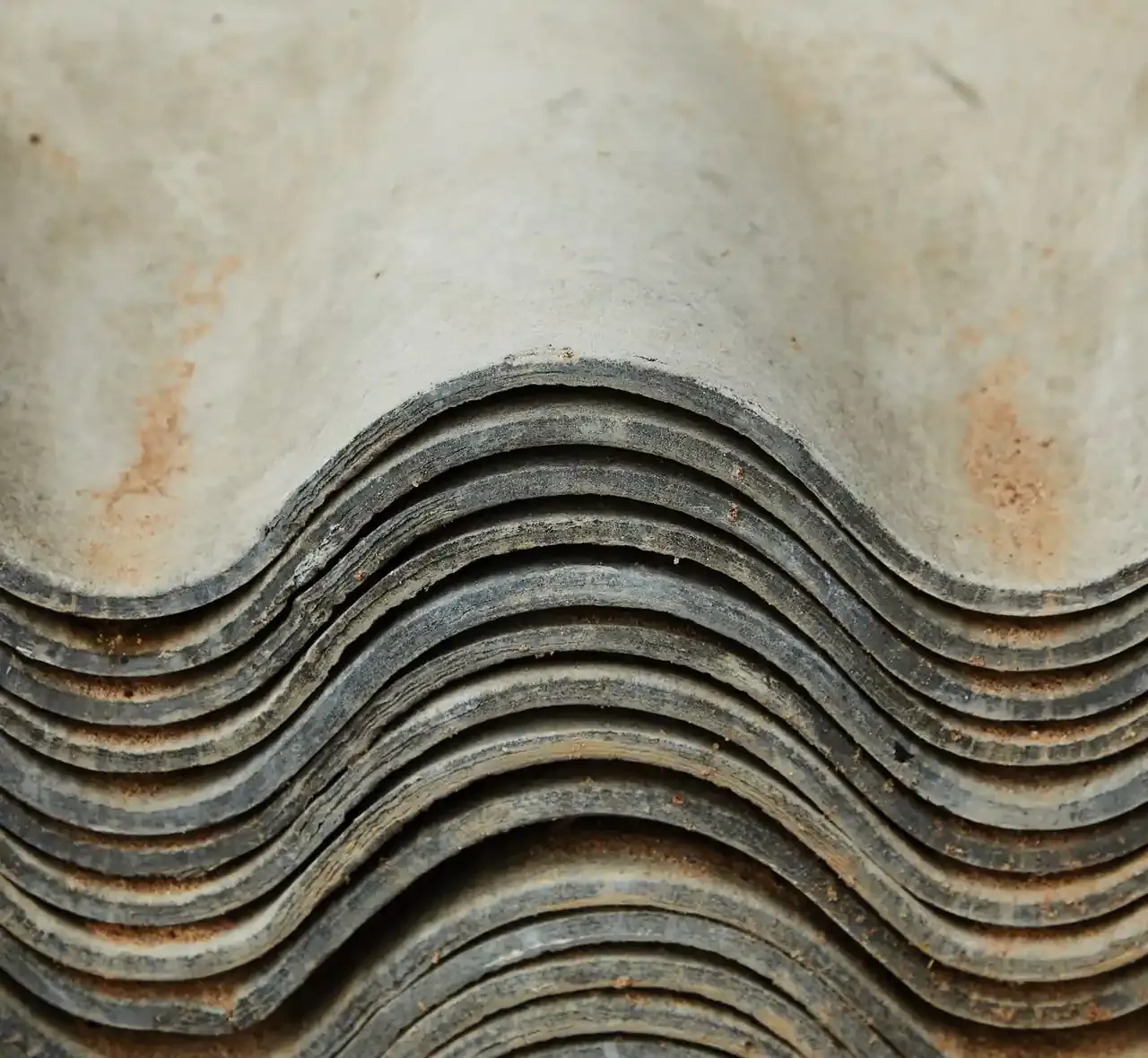
Our roof leak repair Tomball TX service helps homeowners and property managers stop active water entry and protect ceilings, insulation, and roof decking. We trace the water to its source, repair the failed shingle, flashing, vent, or roof detail, then check the work. Choose roof leak fix Tomball TX when a stain spreads after rain, a storm lifts shingles, or a drip appears around a skylight.
Trace water pathsCompare roof evidence with interior stains
Protect work areasMove tools and materials with care
Show findingsReview photos of the affected detail
Check transitionsInspect overlaps and runoff direction
What roof leak repair includes
Our repair covers locating the roof entry point, explaining the affected materials, and correcting the failed roofing detail. Work may include replacing shingles, restoring flashing, sealing a compatible transition, or repairing a limited section of roof decking. We also check nearby surfaces for related damage and document the completed work. Interior drywall, insulation, or paint restoration is separate and is discussed when water has reached those materials.
Leak source inspection
We compare the indoor stain or drip with roof penetrations, valleys, flashing, and accessible attic evidence. The inspection looks for the water path, not just the point where it becomes visible inside. We show you the likely source and explain what supports that finding.
Roof material repair
We remove and replace damaged shingles or other roofing material needed to reach the failure. The repair follows the roof's existing layout and restores overlapping layers so runoff continues toward the eave. The exact materials depend on your roof system.
Flashing correction
Where a joint or penetration admits water, we repair or replace the affected flashing detail and address its connection to the surrounding roof. We check the transition for gaps and water paths rather than relying on sealant over a failed assembly.
Decking condition check
We inspect accessible roof decking around the leak for moisture damage or loss of sound support. If a section is soft or deteriorated, we explain the additional work needed to restore a stable base before roofing material goes back in place.
Repair documentation
We record the repaired area with photos or a job summary and review any visible follow-up concerns. You can use that information to understand what changed, monitor the area after rain, and plan separate interior restoration if needed.
Homes and businesses.
The approach is the same for a home and a business. What changes is the access, the schedule and who needs the paperwork.
Homes and rentals
We check ceiling stains, attic evidence, and roof details to find where water enters your home. You see the affected area and the repair steps.
Stains near lights or ceiling corners
Leaks around skylights and vents
Water entering after wind-driven rain
Business properties
We inspect roof seams, drains, penetrations, and interior leak locations for property owners. You receive a clear record of the repair area and findings.
Leaks beside membrane seams
Water near rooftop equipment
Recurring stains below roof drains
Roof leak repair Tomball TX explained
A plain-language look at what Roof Leak Repair involves and when it is needed.
roof leak repair Tomball TX is a roofing repair service that locates and corrects openings letting water pass through a roof assembly. We inspect the roof surface, roof flashing, penetrations, valleys, and attic-side evidence rather than treating a ceiling stain as the source. Once we identify the entry point, we remove damaged material as needed, restore the water-shedding layers, and check nearby roof decking for moisture or deterioration. The repair may involve replacing asphalt shingles, resealing a flashing joint, or correcting an underlayment failure.
Tomball homes face hard rain, humid conditions, wind-driven water, and hail that can loosen roofing details without leaving an obvious hole. In Deerfield and nearby Harris County neighborhoods, a leak can travel along rafters before appearing indoors, so the stain may sit several feet from the roof opening. Our Tomball roof leak repair starts with that distinction. If you are searching for affordable roof leak repair in Tomball, Texas, we explain the repair needed and the factors that affect its scope before work begins.
A lasting roof repair starts by tracing water to the failed roof detail.
What it is
A repair that locates and restores the roof detail allowing water into the building.
When needed
After a ceiling stain, active drip, or visible roof damage following rain or wind.
What to expect
Inspection, explanation of the source, targeted roof work, and a check of the repaired area.
What to expect during the repair
Roof leak repair in Tomball, Texas follows a clear sequence: we listen to what you noticed, inspect the likely water path, explain the repair, complete the work, and check the result. A straightforward repair often fits into one visit; concealed damage changes the work involved.
Hear the symptoms
We ask when the leak appears, which rooms show stains, and whether wind or heavy rain preceded it. You can show us photos, ceiling marks, or attic access. This conversation narrows the inspection without treating the indoor stain as proof of the roof opening. Plan about 10 to 15 minutes for the initial walkthrough and questions.
Leak history
Indoor signs
Weather details
Inspect roof and attic
We check the roof surface, penetrations, flashing, valleys, and accessible attic areas for water tracks or damp materials. A roofing ladder and fall protection harness support safe access; a moisture meter helps assess suspect wood. The inspection commonly takes 30 to 60 minutes, depending on roof size, pitch, and access.
Roof surface
Attic evidence
Moisture check
Explain the repair
We show you the likely entry point and explain whether the fix involves shingles, roof flashing, sealant, or damaged decking. You hear what is included and what the roof condition means before the repair starts. We give upfront pricing, then prepare the matching materials and protect the work area.
Source shown
Repair explained
Materials selected
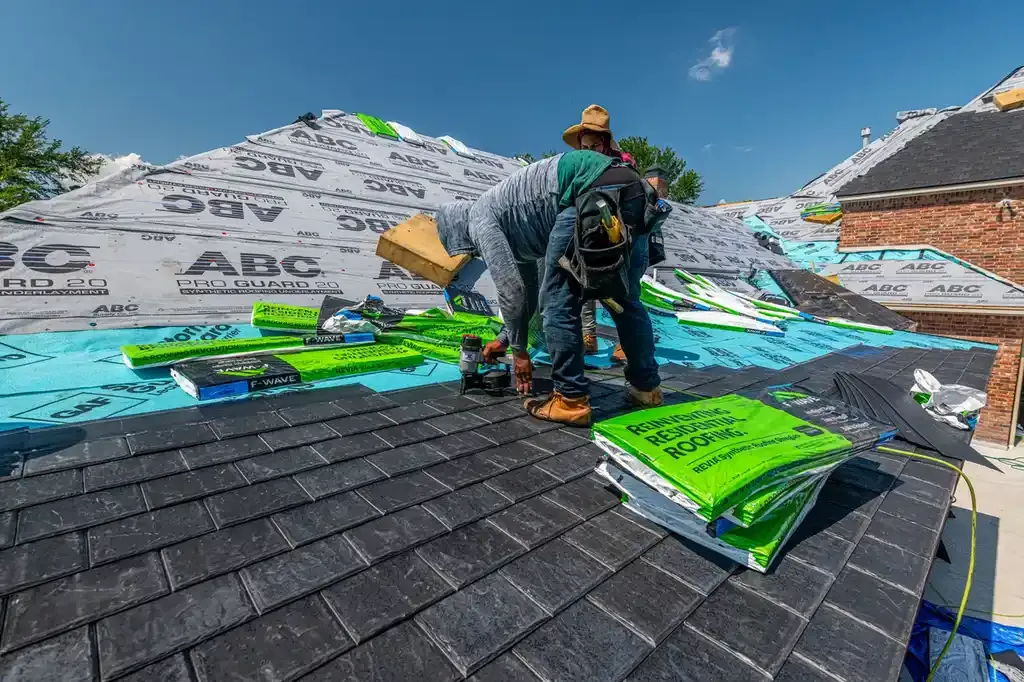
Repair the source
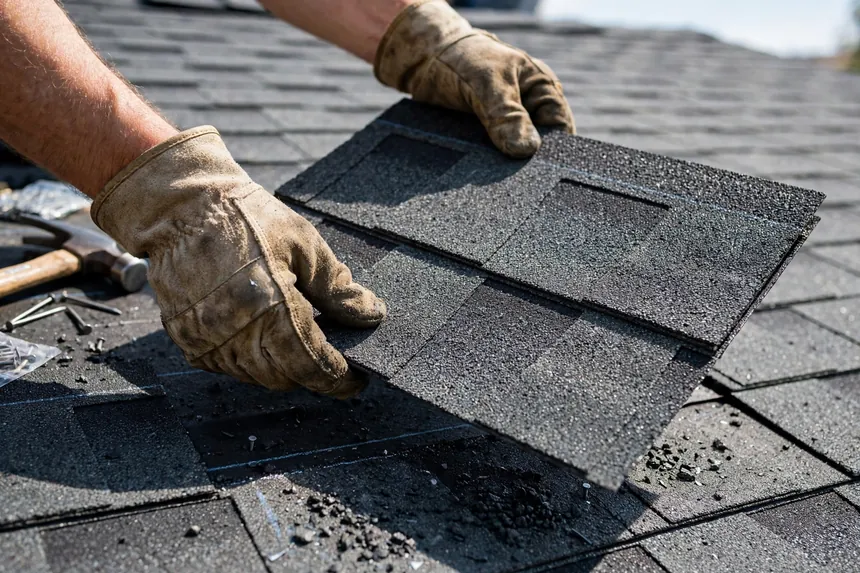
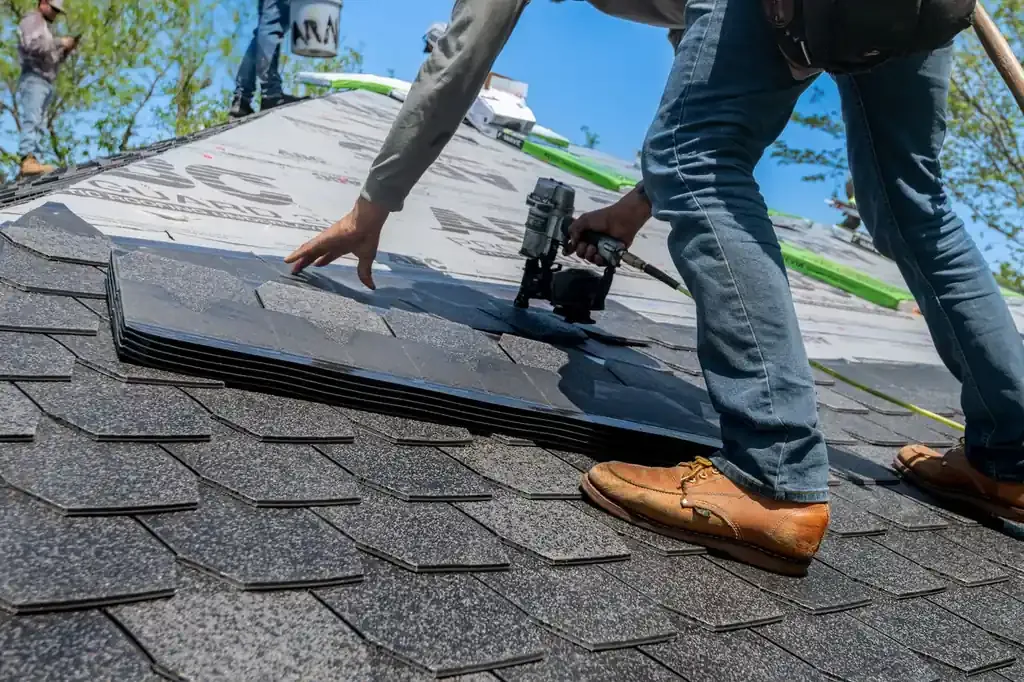
We remove only the roofing material needed to reach the failed detail, then restore the water-shedding layers. A shingle ripper and roofing hammer help lift and reset shingles without unnecessary disturbance. Most small, accessible repairs take two to four hours; concealed rot or a larger repair adds time.
Failed detail
Roof layers
Water shedding
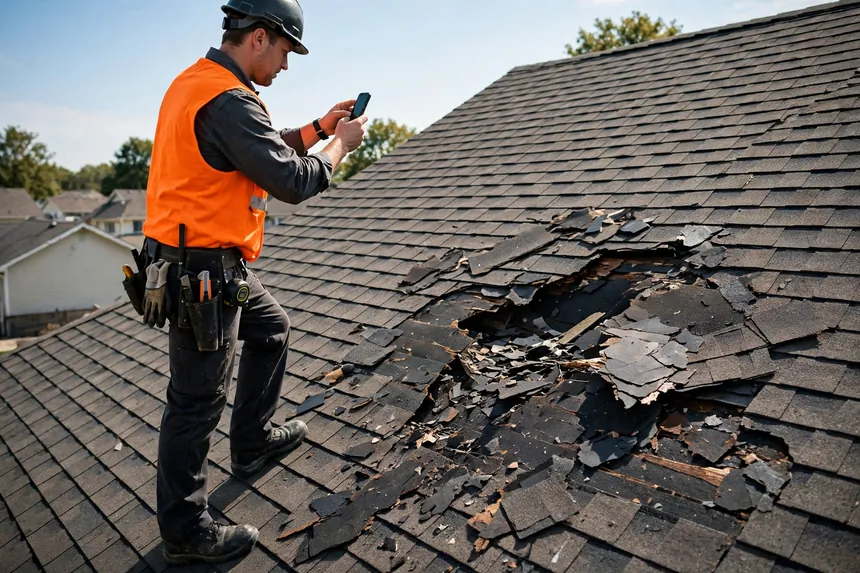
Check and document
We inspect the repaired area for secure material placement, sealed transitions, and clear runoff paths. You receive photos or a concise job record showing the work completed and any remaining concern. We review practical follow-up steps, including watching the repaired area during the next rainfall and arranging interior drying if materials got wet.
Work checked
Photos reviewed
Next steps
Tools and repair methods
Move across a circle, or focus it and press Enter, for an illustrative thermal view of the photograph.
Moisture meter
We compare suspect wood or interior materials to help identify damp areas around a reported leak. Readings guide inspection; they do not replace checking the roof assembly and water path.
Shingle ripper
We lift and remove selected shingles to reach damaged flashing or underlayment while limiting disturbance to surrounding roof courses.
Roofing hammer
We use a roofing hammer to remove or set fasteners and secure compatible roofing materials during a localized repair.
Roofing ladder
A roofing ladder supports controlled access on sloped surfaces when the roof layout and weather allow inspection or repair.
Fall protection harness
We use fall protection equipment as part of safe roof access and work practices, especially where pitch or edge exposure increases risk.
Thermal views are illustrative, generated from the photographs.
Methods
Water-path tracing
We start with the indoor symptom, then inspect above and upslope for water tracks, penetrations, valleys, and flashing failures. Water commonly travels before it reaches a ceiling, so we compare multiple clues instead of placing a patch directly over the stain. This method keeps the repair tied to the source.
Layered roof restoration
We remove only enough surface material to access the failed layer, then restore underlayment, flashing, and roof covering in the correct overlap sequence. Water should shed onto the next lower layer, not behind it. We follow the roof system's installation details and applicable code requirements.
Targeted moisture assessment
We check accessible decking and nearby materials for signs of moisture damage, using visual evidence and a moisture meter where useful. If wood has lost sound support, we explain why it must be repaired before the roof covering is replaced. This prevents a new surface repair from resting on a compromised base.
Repair verification
After work, we review the repaired transition, fasteners, material alignment, and runoff path. We compare the finished area with the original condition and document what was completed. A controlled check confirms visible workmanship, while the next rainfall provides a real-world observation of roof drainage.
When to call for roof repair
Rain stain
A heavy November rain leaves a fresh ceiling stain in your Tomball home.
We inspect the likely roof slope and accessible attic area, looking for wet insulation, water tracks, and damaged shingles or flashing. We trace the route before deciding what to open and repair. If water is still coming in, we prioritize the exposed area and explain what can be addressed safely during the visit.
Outcome: You learn where water entered and what repair stops it, with nearby roof conditions documented for follow-up.
Wind-lifted shingles
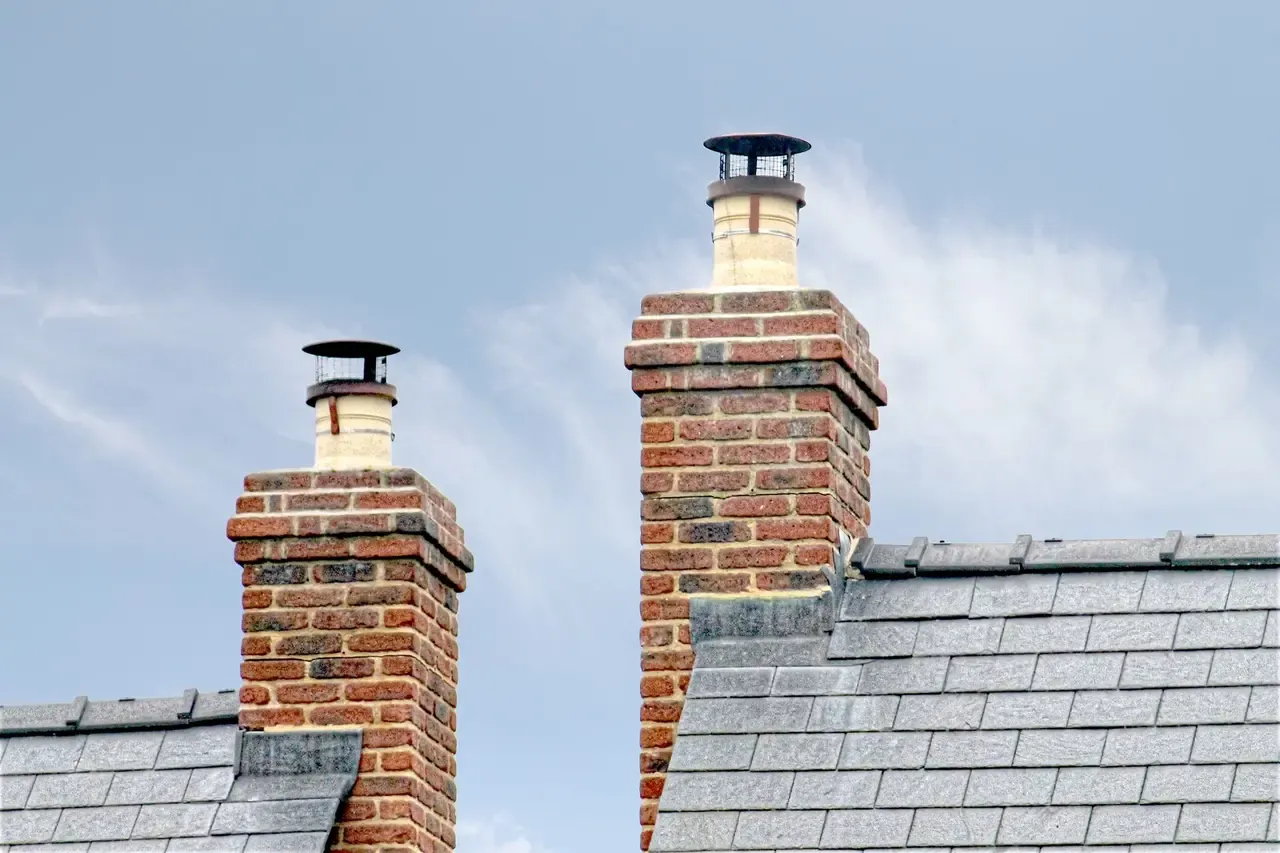
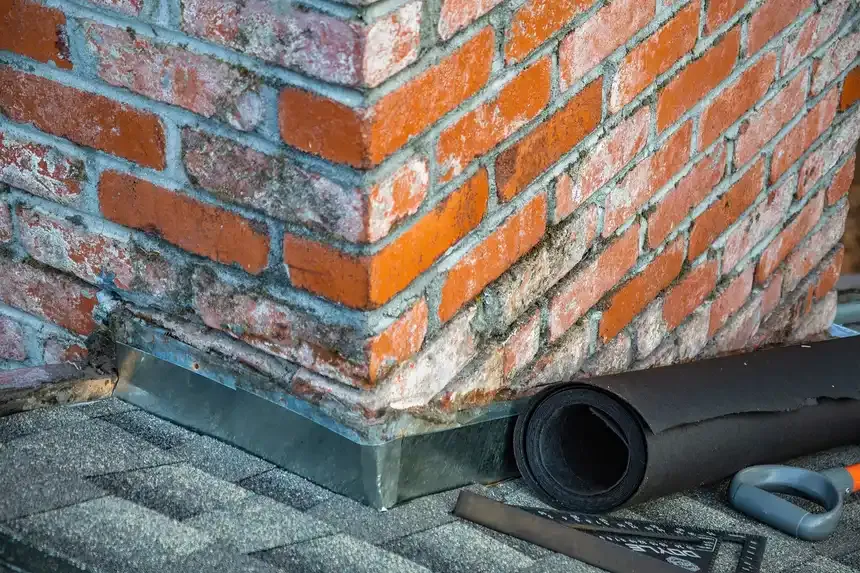
Wind-driven rain pushes water around a chimney or wall transition.
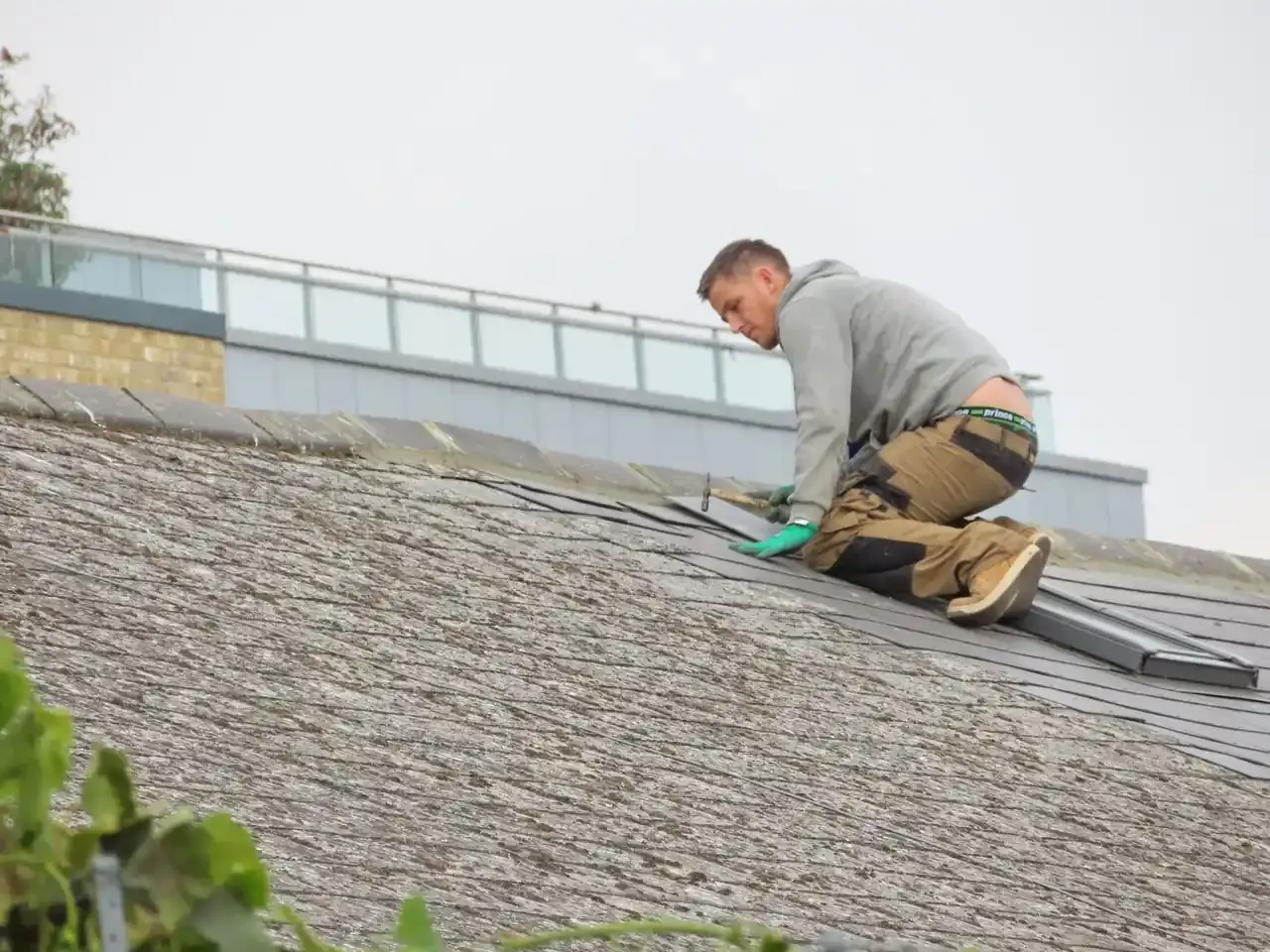
We check the flashing laps, adjacent shingles, and runoff path around the transition. If the flashing has separated or the surrounding material has shifted, we restore the detail and verify that water can flow past it. We also look above the reported spot so a higher leak is not mistaken for chimney failure.
Outcome: The transition sheds water correctly, and you know whether nearby roofing also needs attention.
Skylight leak
A skylight leak appears only during hard rain in Deerfield.
We inspect the skylight perimeter, the roof surface above it, and interior evidence for a water path. Our repair targets the failed flashing or roofing connection, not automatically the skylight unit. We check the completed transition and photograph the work so you can follow the result after rain.
Outcome: You get a targeted repair and a clear distinction between a roof leak and a damaged skylight.
Low-slope seam
A commercial property develops a leak near a low-slope roof seam.
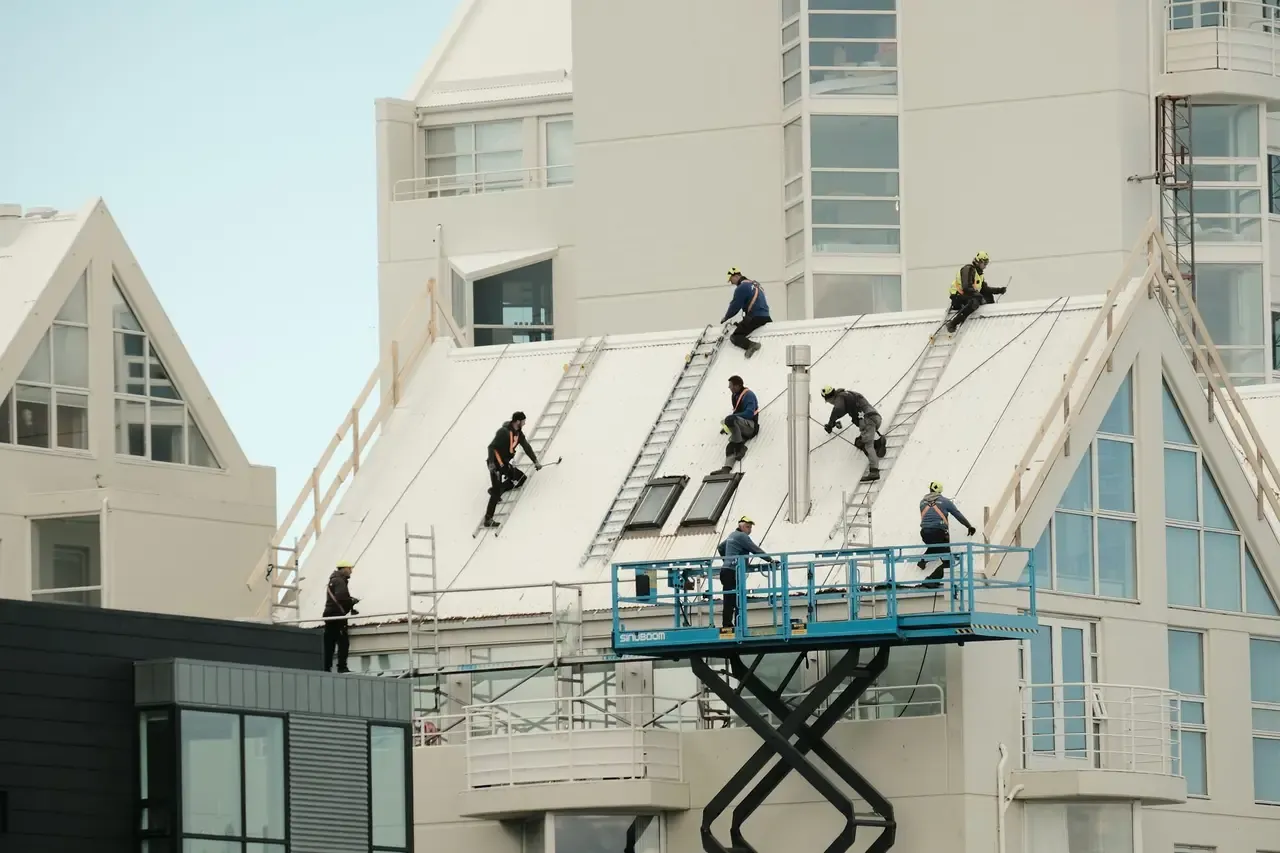
We examine the membrane seam, nearby penetrations, and drainage route to find where water crosses the roof surface. The repair method depends on the membrane type and condition. We document the affected area and explain any wider concern that could impact adjacent roof sections.
Outcome: The immediate entry point is corrected, and the property manager receives a useful record of the repair.
Downtown TomballDeerfieldNorthpointe
How roof leaks are repaired in Tomball
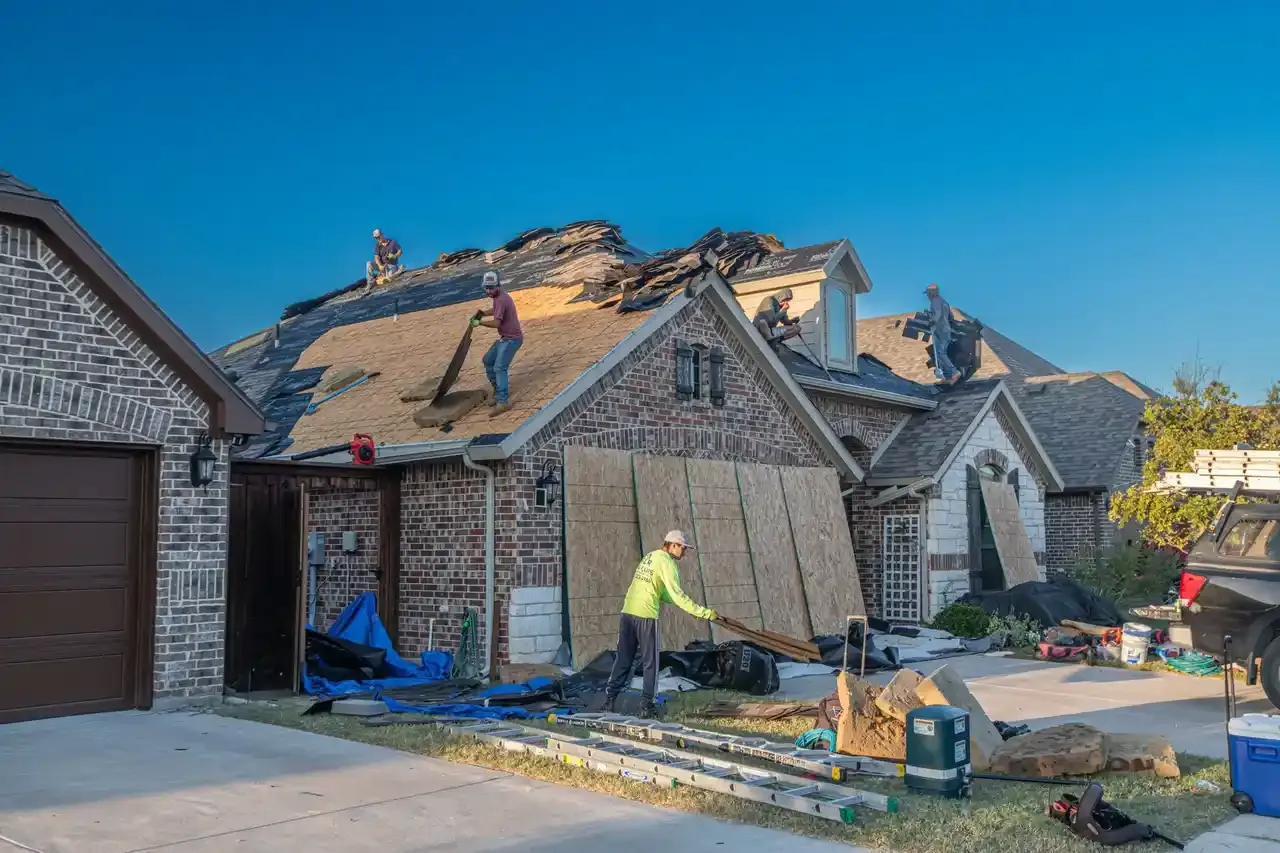
Tomball roof leak repair has to account for heavy rain, humid air, wind, and hail that can stress shingles and exposed transitions. November storms can reveal a weak flashing joint or lift shingles that looked sound during dry weather; spring and summer rain can expose the same failure through repeated water entry.
We inspect the roof covering, valleys, vents, skylights, and attic evidence to connect the indoor symptom with the exterior source. Many local homes use asphalt shingles, while commercial roofs may have low-slope membrane systems, so the repair method changes with the assembly.
We work across Tomball and Harris County, including ZIP codes 77375 and 77377, and consider roof access, pitch, drainage, and the condition of the decking. Our roof leak repair company Tomball TX service explains the repair and checks nearby materials. Work is performed with applicable local requirements and the relevant IBC and IRC provisions in view.
Downtown Tomball: Older roof details and additions can create multiple flashing transitions, so we inspect the reported leak area and the roof section above it.
Deerfield: For a skylight or vent leak, we check the surrounding shingle courses and water path rather than assuming the fixture itself is the source.
Northpointe: Wind and heavy rain can expose lifted shingle edges or open flashing joints; we inspect adjacent roof courses for related movement.
Lakewood Grove: When an interior stain appears below a roof valley, we follow the valley upward and check the underlayment and shingle overlap.
Wind-driven rain tests flashing and roof penetrations: Rain pushed sideways can enter gaps that remain dry during ordinary showers. We check chimney, vent, and skylight transitions for separated seams, displaced shingles, and water tracks leading into the attic.
Hail impacts leave damage that is hard to see indoors: A cracked shingle or damaged roof surface may not leak until later rain reaches the affected spot. We inspect the roof covering and nearby details, then document damage associated with an active opening.
Walk through the leak location and review what you noticed
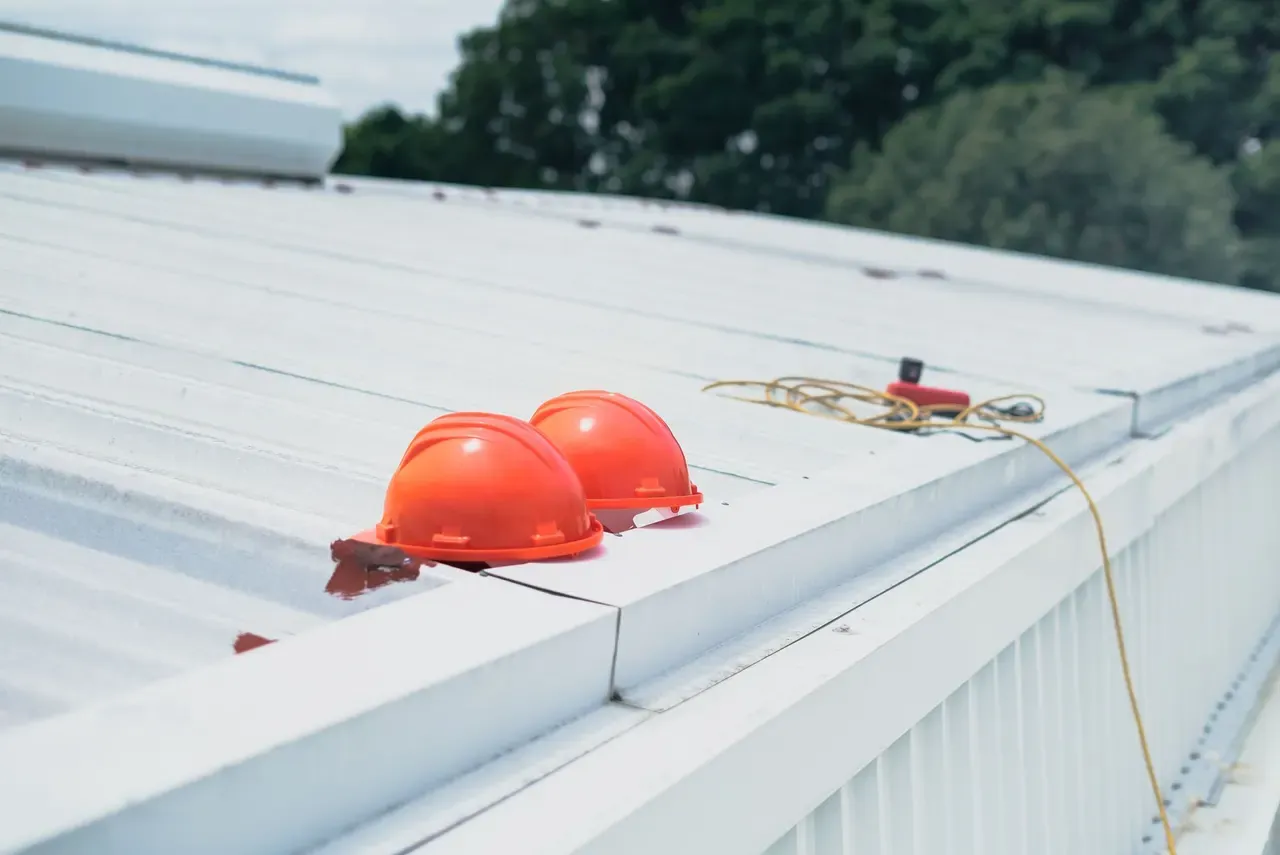
Protect the work area and prepare safe roof access
Check the repair, show photos, and review follow-up steps
From problem to finished result.
IllustrativeThe thermal view is generated from the photograph. It is not a measurement. Drag the handle, or use the arrow keys once it is focused.
Flashing leak over hallway
Before: A Tomball homeowner noticed a ceiling stain that darkened after each hard rain. The roof had no obvious missing shingles from the ground, but water was tracking along framing from a separated flashing joint. The ceiling mark sat several feet away from the entry point, making a surface patch over the stain ineffective.
After: We repaired the failed flashing transition, replaced the affected roofing material, and checked the nearby roof courses. The repair visit took about three hours, and photos showed the opening and finished detail. The homeowner monitored the area through the next rainfall and reported no new water entry.
Check the ceiling and accessible attic after strong rain, especially around the repaired route. Keep photos of any new discoloration and arrange an inspection if the stain changes or returns.
Wind-lifted shingles at eave
Before: After gusty weather, a Northpointe resident found a drip near an exterior wall and loose shingle edges above the eave. Wind had lifted several tabs and exposed part of the roof underlayment. Water reached the fascia area during the next rain, raising concern about damage behind the trim.
After: We replaced the damaged shingles, restored the exposed roof layer, and checked the surrounding courses and roof edge. The targeted repair took roughly two hours after inspection, with no soft decking found in the opened area. The runoff path was clear when we finished, and the leak source was documented.
After future wind events, look from the ground for lifted or missing shingles and check the nearby ceiling for fresh marks. Do not climb onto a wet or damaged roof.
Skylight perimeter leak
Before: A homeowner in Deerfield saw water at the top corner of a skylight only during heavy rain. The glass was intact, but flashing at the uphill edge had opened and allowed water beneath the shingles. Earlier sealant around the interior trim had hidden the symptom without stopping roof entry.
After: We corrected the skylight flashing and reset the surrounding shingles so water moved around the unit. The repair took about four hours, including inspection and checking the nearby roof decking. The homeowner received photos of the failed joint and repaired perimeter, then watched the room during the next storm.
Keep an eye on the ceiling corners and trim around the skylight after heavy rain. If discoloration returns, note the weather and location so the water path can be checked promptly.
Problems a Tomball roof repair solves
A small roof opening can send water into insulation, framing, and ceiling finishes long before the damage looks severe from indoors. Our team traces each symptom to the roof detail that failed, then explains the repair and any related concern. Early action keeps the inspection focused and helps you avoid repeated water entry.
Growing ceiling stainCeiling stains grow after each Tomball rainstormRepeated wetting can soften drywall, stain paint, and leave insulation damp, even when the roof opening is small. We compare the stain location with roof and attic evidence to trace the water route. After locating the opening, we repair the affected shingle, flashing, or roof transition and check nearby materials. We also explain whether the interior finish needs drying or separate restoration.
Penetration leakWater drips around a skylight or roof ventA failed perimeter detail can channel rain into framing and finishes, while a patch placed on the wrong seam leaves the leak active. We inspect the unit perimeter, surrounding shingles, and flashing for gaps or displaced material. Then we restore the failed transition and check that overlapping roof layers direct water away from the opening. You see the repair area and understand whether the skylight or vent itself needs attention.
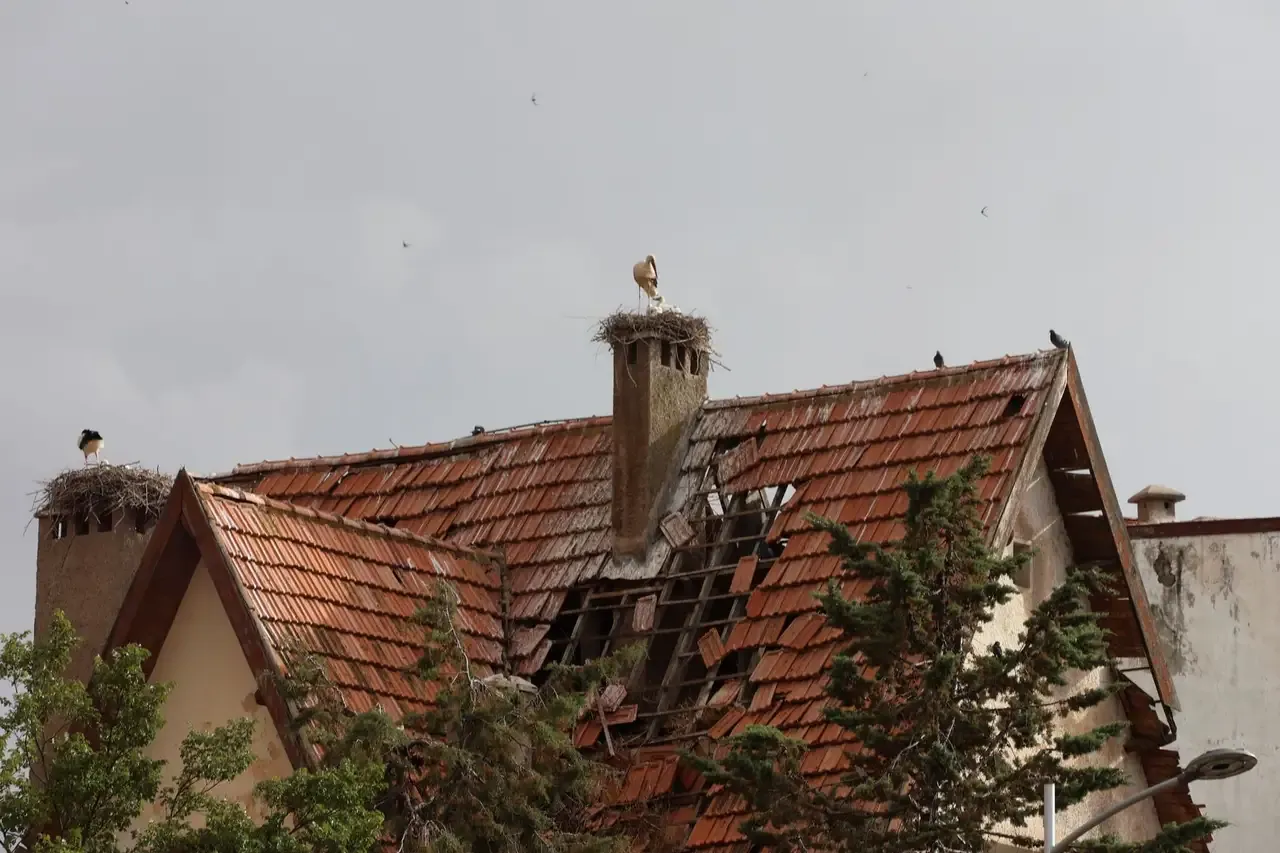
Storm-loosened shinglesWind or hail leaves shingles loose or crackedMissing or lifted shingles expose underlayment and can let wind-driven rain reach the roof deck during another storm. We inspect the damaged slope and adjacent courses for lift, cracks, and impact marks. We replace roofing material that no longer sheds water and check the surrounding installation for related failures. Photos document the condition and completed repair for your records.
Repeat surface patchA leak persists after a previous surface patchWater may be entering higher on the roof or traveling along framing, so the visible stain stays wet despite a covered spot. We reopen the diagnosis by following water tracks through accessible attic areas and inspecting roof features above the stain. We locate the active entry point, explain why the earlier patch missed it, and repair the failed roof detail rather than applying another blind layer.
Practical results from a roof repair
Stop water at its source and understand what was repaired.
Stop the active entry
We locate the opening that lets rain reach your home and repair the source, not just the visible ceiling mark. A localized flashing leak may take two to four hours to correct when the surrounding decking remains sound. You get a clear explanation of the repair and a check of the nearby roof surface before we pack up.
Protect interior materials
Water can stain drywall, soften insulation, and damage roof decking when it keeps entering. We look for moisture evidence around the leak and identify damaged materials that need separate attention. A moisture meter helps us compare suspect areas, while photographs show you what was found above the ceiling or at the roof surface.
Match the existing roof
A repair should shed water with the surrounding roof rather than create a new seam or exposed edge. We select compatible shingles or flashing details and align them with the existing roof profile. That approach keeps the repair focused and helps prevent runoff from being directed beneath adjacent courses.
Know the next step
If the leak is one isolated failure, a targeted repair may be enough; widespread deterioration calls for a broader plan. We point out the difference using visible conditions such as curling shingles, soft decking, or repeated water entry. You can make a practical decision based on the roof's condition, not a guess from the ceiling stain.
What you receive
Clear records you can keep and share.
Photo record
Images of the affected area and completed repair
Job summary
Concise description of work completed
Finding notes
Observed roof conditions near the leak
Follow-up list
Practical items to monitor after the visit
Repair or larger roof work
One leak does not automatically mean the roof needs replacement; the number of failures and condition of surrounding materials matter.
Localized repair
One failed detail with surrounding roof material still serviceable.
Single flashing opening
Limited shingle damage
Sound nearby decking
Expanded repair
Several connected failures or damage extending beyond one roof detail.
Multiple leak points
Damaged roof decking
Several courses affected
Replacement review
Widespread deterioration that makes repeated spot repairs impractical.
Recurring leaks across slopes
Broad material failure
Extensive underlying damage
Roof materials
Asphalt shingles
Metal panels
Clay tiles
Concrete tiles
Roof flashing
Underlayment
TPO membrane
EPDM membrane
Service ZIP codes.
A list like this tells people straight away whether you cover their street. Not listed? Call and ask: it only takes a minute.
A brown mark appeared beside our hallway light after a heavy rain, and we could not tell where it started. The crew checked the attic and roof flashing, then showed us photos of the opening. They replaced the damaged shingles and explained what to watch during the next storm. The ceiling stayed dry afterward.
Wind lifted shingles near our roof edge and water reached the upstairs ceiling. Tomball Roofing Experts traced the leak to the exposed section instead of covering the stain. They repaired the roof and checked the nearby courses for movement. The explanation was direct, and I knew which roof area had been fixed.
We had a recurring leak near a commercial roof penetration after rain. The team inspected the flashing and documented the failed seam with photos before repairing it. They also pointed out a drainage issue that needed attention. That gave us a clear record for the property file and a practical follow-up list.
Roof leak repair questions
In 2026, a simple shingle or flashing repair sits toward the lower end; replacing wet decking or several roofing courses raises the total. We inspect the source, explain the work, and give upfront pricing before starting. Interior drywall, insulation, or paint restoration is separate from the roof repair.
Look for damp attic insulation, dark roof-deck marks, or water tracks near a penetration, but the ceiling stain may be several feet from the entry. Check only from a safe, accessible area; do not climb a wet roof. Our inspection follows the water path across shingles, valleys, skylights, and flashing. A moisture meter can help compare suspicious areas, and photos make the findings easier to understand.
Tomball Roofing Experts handles emergency roof leak repair in Tomball TX by checking the active entry point and addressing immediate roof exposure when conditions allow. Call (877) 791-3217, describe the leak and any ceiling sag, and keep people away from unsafe areas. Rain, wind, roof access, and the damage itself affect the work possible during the first visit. We explain the next repair step after inspection.
Same-day roof leak fix in Tomball is possible for some accessible repairs when weather and materials permit. A small flashing or shingle failure may take two to four hours; wet decking or a broad storm opening takes longer. Call (877) 791-3217 with the roof type, leak location, and whether water is still entering. We use those details to plan the inspection and explain the repair needed.
A spreading ceiling stain or active drip needs a source check, not another surface patch. Call Tomball Roofing Experts at (877) 791-3217 and tell us where water appears; our team will explain the next step after inspection.
Call (877) 791-3217 to discuss roof replacement, roof repair, a leak, or storm damage at your Tomball property. Our phone team can hear the details and connect your request with an independent roofing company. Contact us during regular business hours, Monday through Friday, 8 a.m. to 6 p.m.; for active water entry, describe where it is happening when you call.