For Homes
We help homeowners and tenants address leaks, storm damage, and aging roof materials. You see the affected area and understand the repair steps.
- Ceiling stains after rain
- Wind-lifted or missing shingles
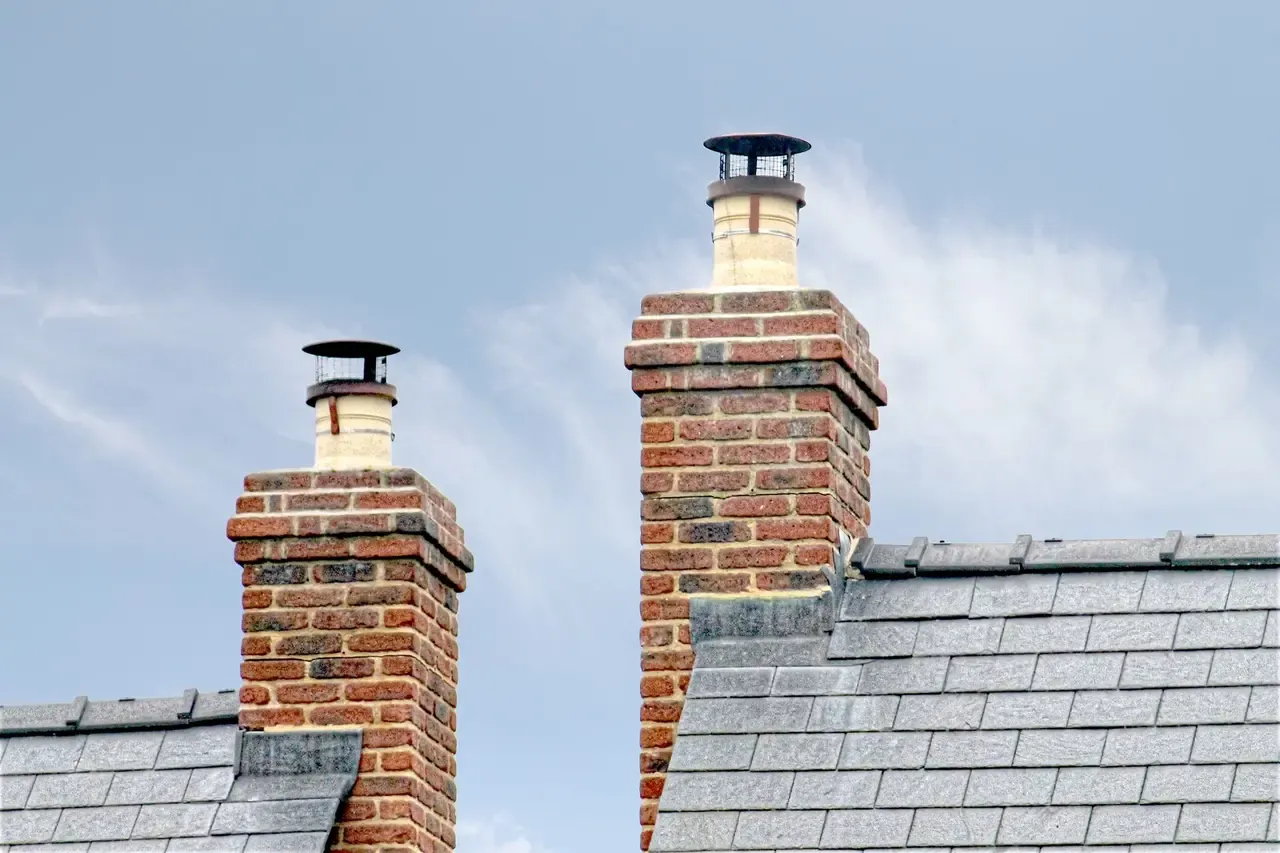
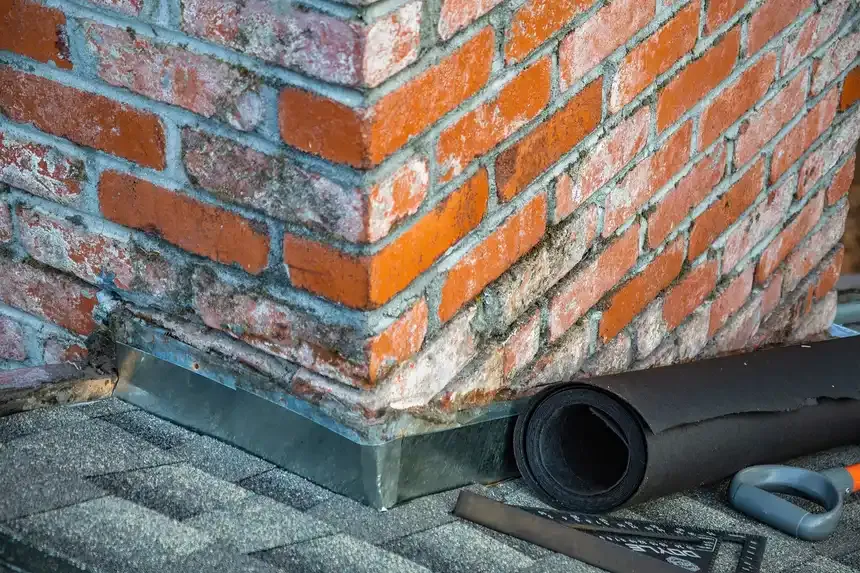
- Worn flashing near chimneys
When your roof leaks, loses shingles, or shows storm damage, residential roofing Tomball TX gives you a clear path from inspection to repair or replacement. We help homeowners across Tomball, Texas protect the roof, decking, and interior with practical diagnostics and work matched to the condition of the system. Choose home roofing Tomball TX for a focused inspection, clear options, and a roof that sheds water as designed.
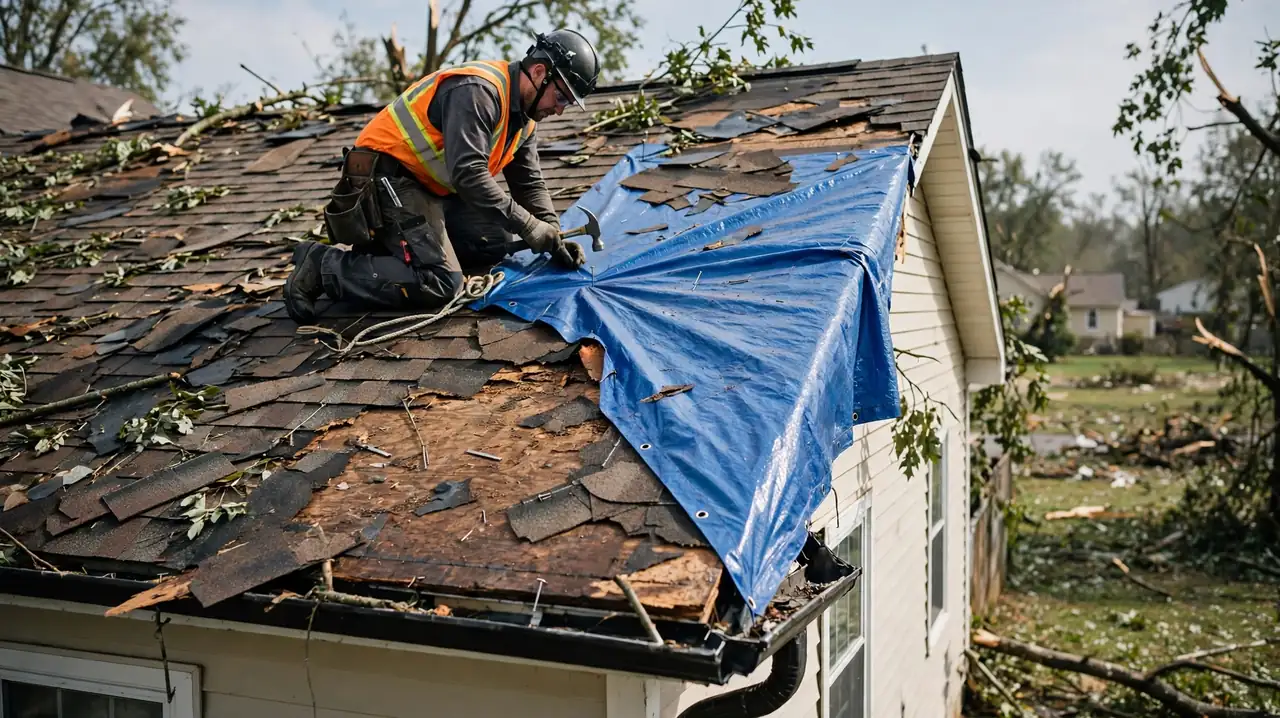 Leak tracingDeck inspectionShingle repair
Residential roofing covers inspection, repair, maintenance, and replacement of the home's roof system. We assess the roof covering, flashing, valleys, penetrations, drainage, and visible decking concerns, then match the work to the condition found. A complete replacement can involve tear-off, underlayment, new roofing material, and cleanup. Structural repairs, interior ceiling work, and unrelated gutter changes are discussed separately when they are needed.
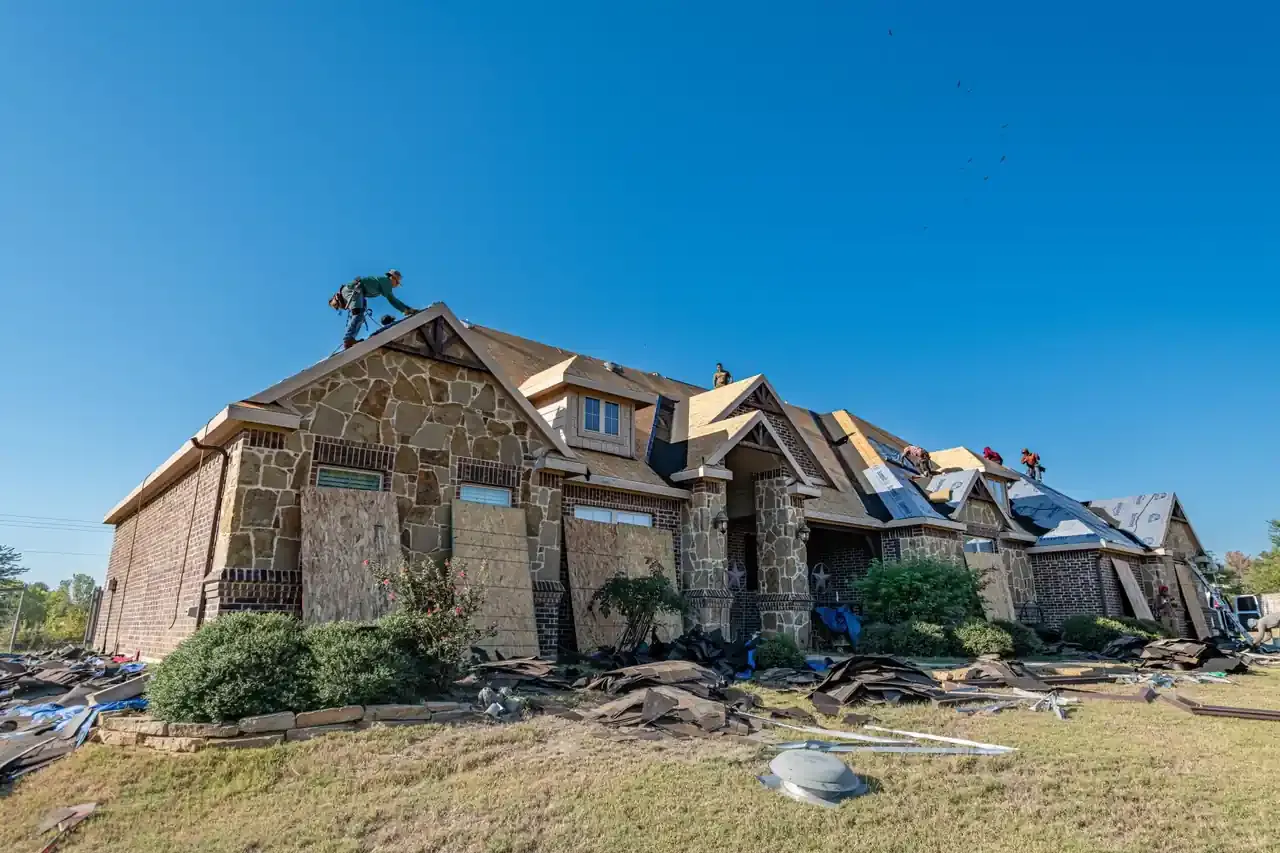
We check accessible roof slopes, edges, valleys, flashing, and penetrations for damage or wear. When relevant, we review visible attic or interior moisture evidence. You hear what we found and which roof areas need attention, rather than receiving a recommendation based only on the age of the roof.
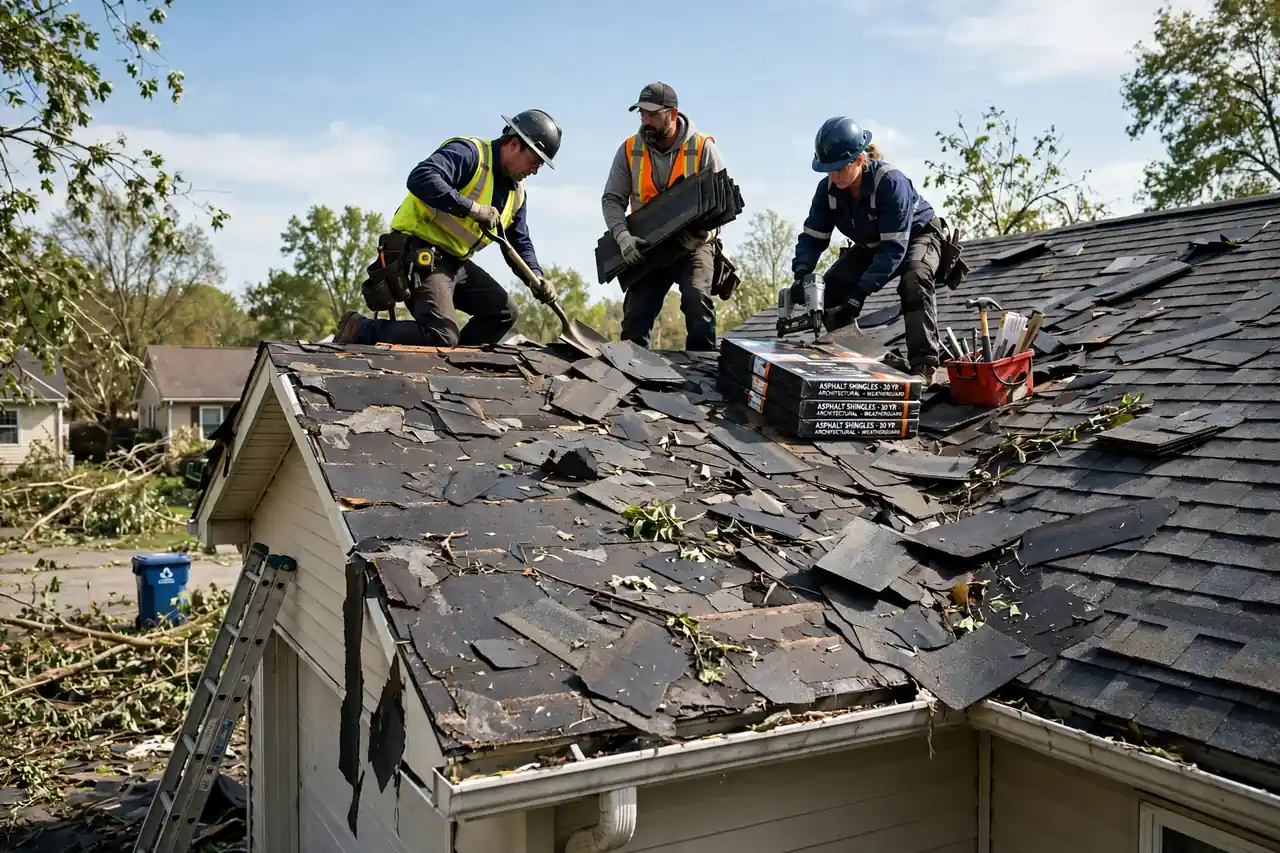
Repairs address defects such as missing shingles, a flashing leak, or damaged roof details. We correct the affected area and check nearby materials for related problems. The exact repair depends on the roof covering and water path, and we explain the work before starting.
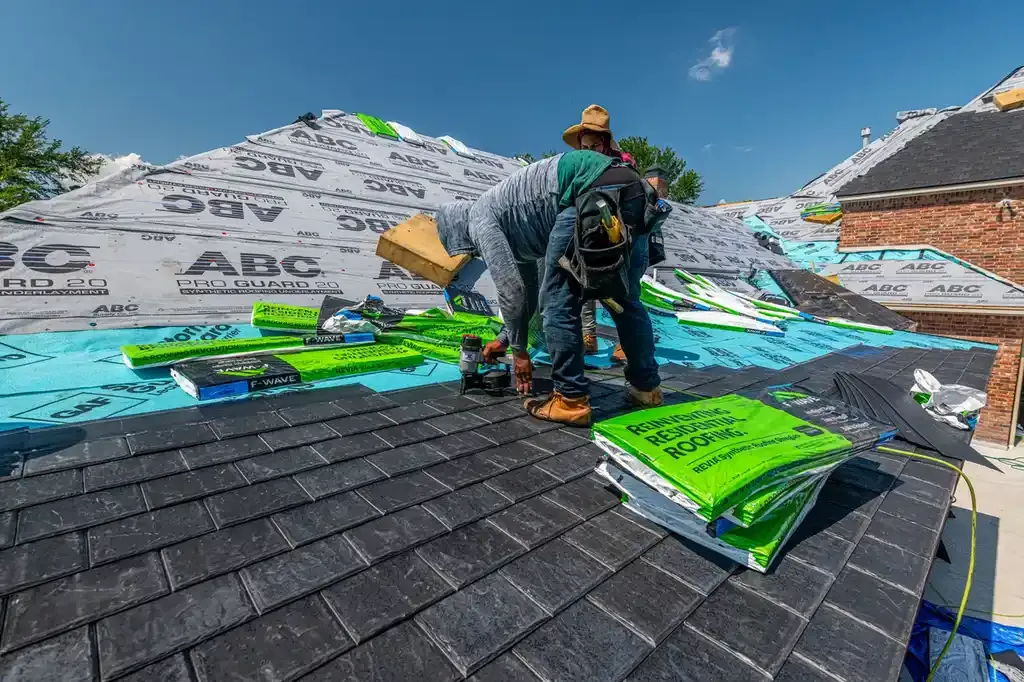
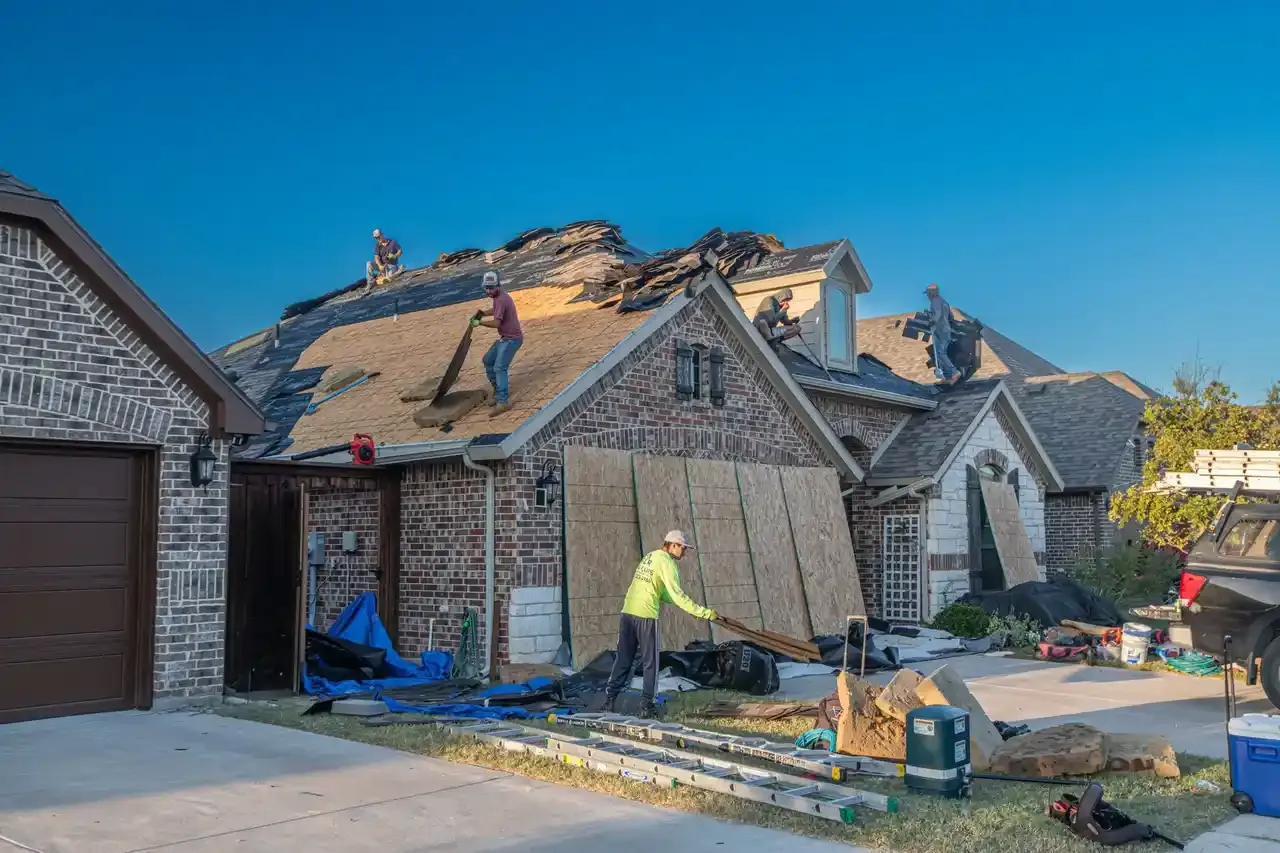
Replacement work includes removing the specified roof materials, checking exposed decking, and installing the selected roof system. We pay attention to underlayment, flashing, edges, and ventilation details. The work area and final cleanup are part of the job, with damaged deck sections handled as identified.
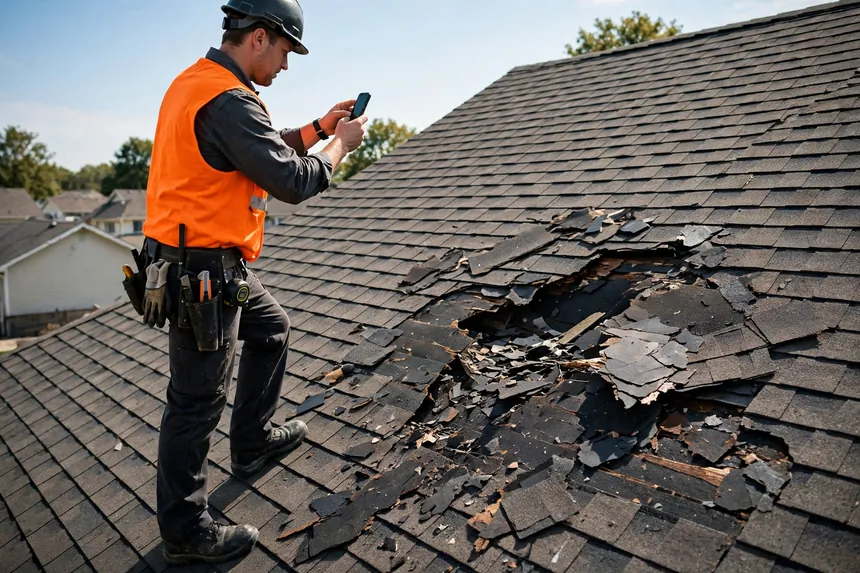
After wind or hail, we inspect affected slopes for lifted, cracked, or missing shingles and related roof damage. We identify areas where water could enter and explain whether a repair or broader work is appropriate. A storm inspection can also reveal damage at ridges, valleys, and roof edges.
We collect removed roofing material and check the ground around the work area for debris. Before wrapping up, we review the completed roof work and tell you what was addressed. You can ask questions about the repair location, cleanup, and any visible condition that should be monitored.
The approach is the same for a home and a business. What changes is the access, the schedule and who needs the paperwork.
We help homeowners and tenants address leaks, storm damage, and aging roof materials. You see the affected area and understand the repair steps.
We assess roofing concerns for owners and property managers, including leaks and damaged roof details. You receive a clear explanation of the affected system.
A plain-language look at what Residential Roofing involves and when it is needed.
See how it worksresidential roofing Tomball TX is a home-exterior service that inspects, repairs, maintains, or replaces a roof to keep water outside and protect the structure. We check shingles or other roof covering, underlayment, flashing, roof penetrations, drainage, and accessible decking rather than treating a ceiling stain as the whole problem. A roofing ladder and fall protection harness help our crew inspect safely; a moisture meter can help identify damp areas.
Homes around Tomball face heavy rain, humid periods, hot roof surfaces, and wind or hail events that can expose weak details. Missing shingles, flashing leaks, roof valley leaks, or roof decking rot need different fixes, so we trace the water path before recommending work. For residential roofing in Tomball, Texas, we inspect the affected slope and nearby transitions, then explain practical next steps. If you are comparing affordable residential roofing in Tomball, Texas, address active water entry early; waiting can expand damage to insulation, ceilings, and framing.
A roof inspection identifies damage and guides the repair or replacement needed to keep water outside.

Residential roofing services Tomball homeowners request begin with a clear account of the problem and a roof inspection. We show you what we find, explain the repair sequence, and keep the work area organized. A small repair can take a few hours; a full replacement often takes one to three working days, depending on roof size, layers, access, and weather.
Tell us where you see water, when it appears, and whether wind or hail recently affected the roof. We ask about ceiling stains, attic access, and any temporary protection already in place. For active leaks, we focus first on limiting water entry and identifying the affected area; a phone description helps us prepare for the visit.
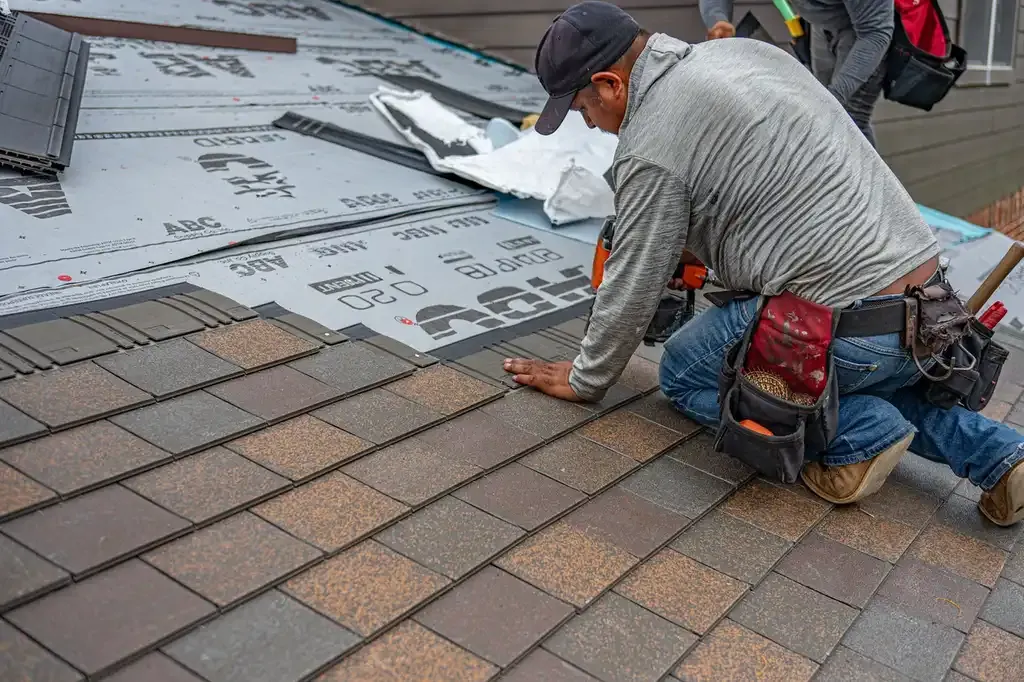
We examine the roof covering, edges, valleys, flashing, and accessible attic or ceiling areas. Our crew checks for lifted or cracked shingles, exposed fasteners, moisture, and damaged transitions. Most inspections take about 30 to 90 minutes, with extra time for steep slopes, multiple levels, or a large roof. We explain findings before recommending a repair.
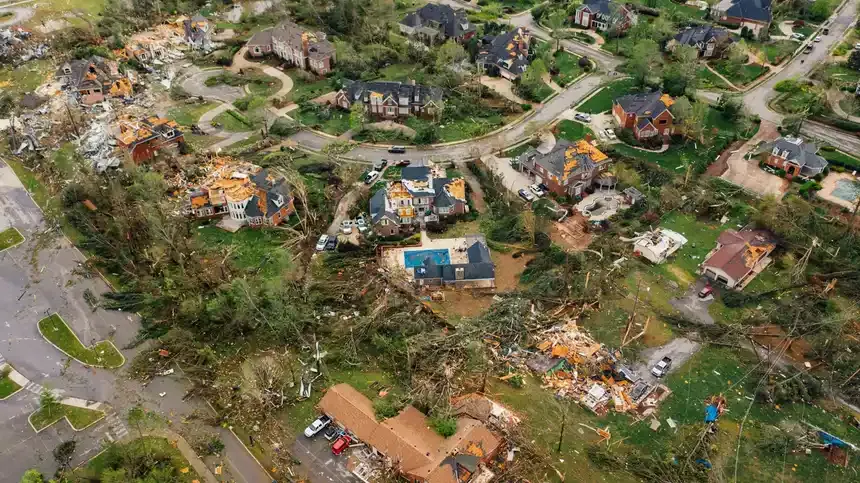
We identify the materials and areas involved, discuss repair versus replacement, and give you upfront pricing before work starts. The plan accounts for roof access, disposal, ventilation details, and any visible decking concerns. You can ask what each step addresses, including how we will protect landscaping and keep debris away from paths and driveways.
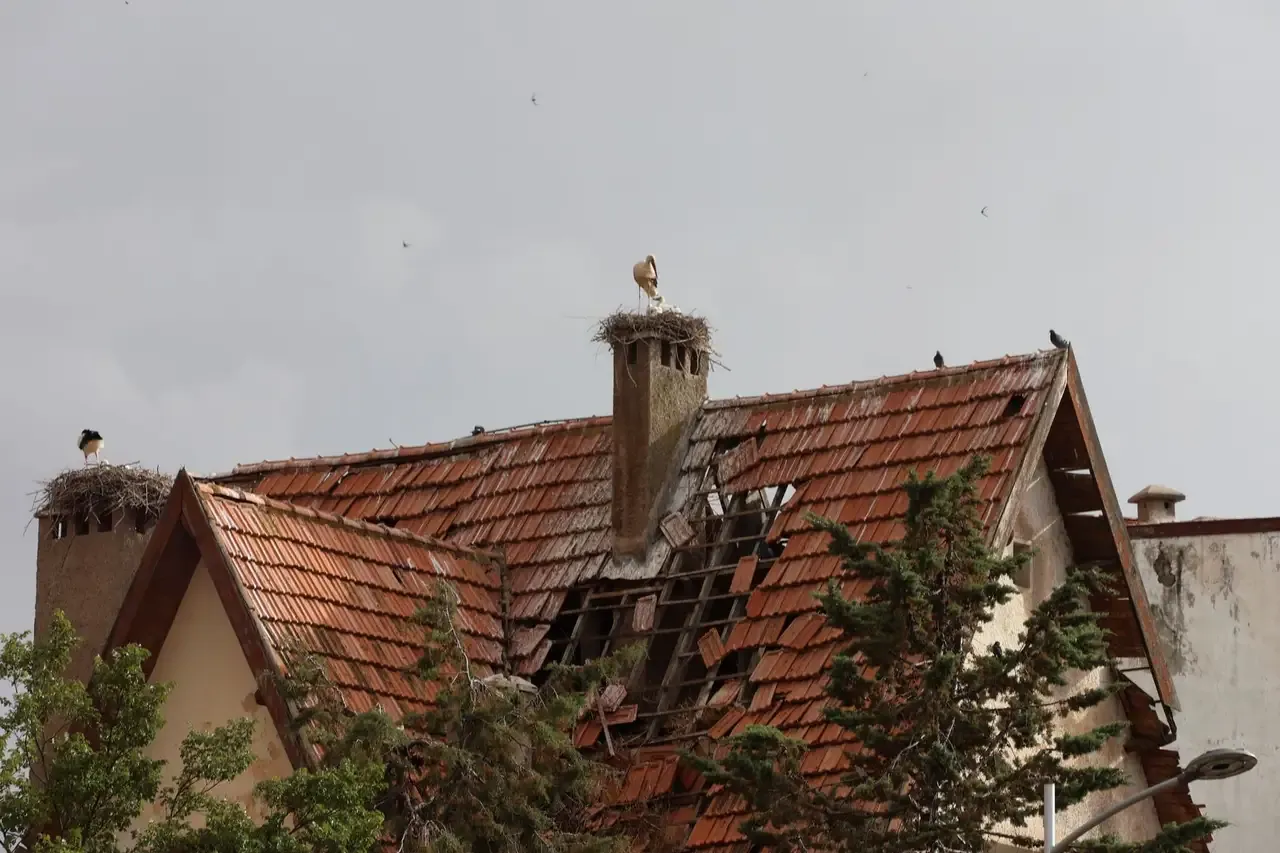
We protect the work area, remove damaged material as needed, and repair the roof assembly from the deck outward. For a shingle repair, that may mean replacing affected shingles and correcting nearby flashing; a replacement includes removal and installation across the specified roof area. Weather and concealed damage can change the sequence, so we explain any finding before proceeding.
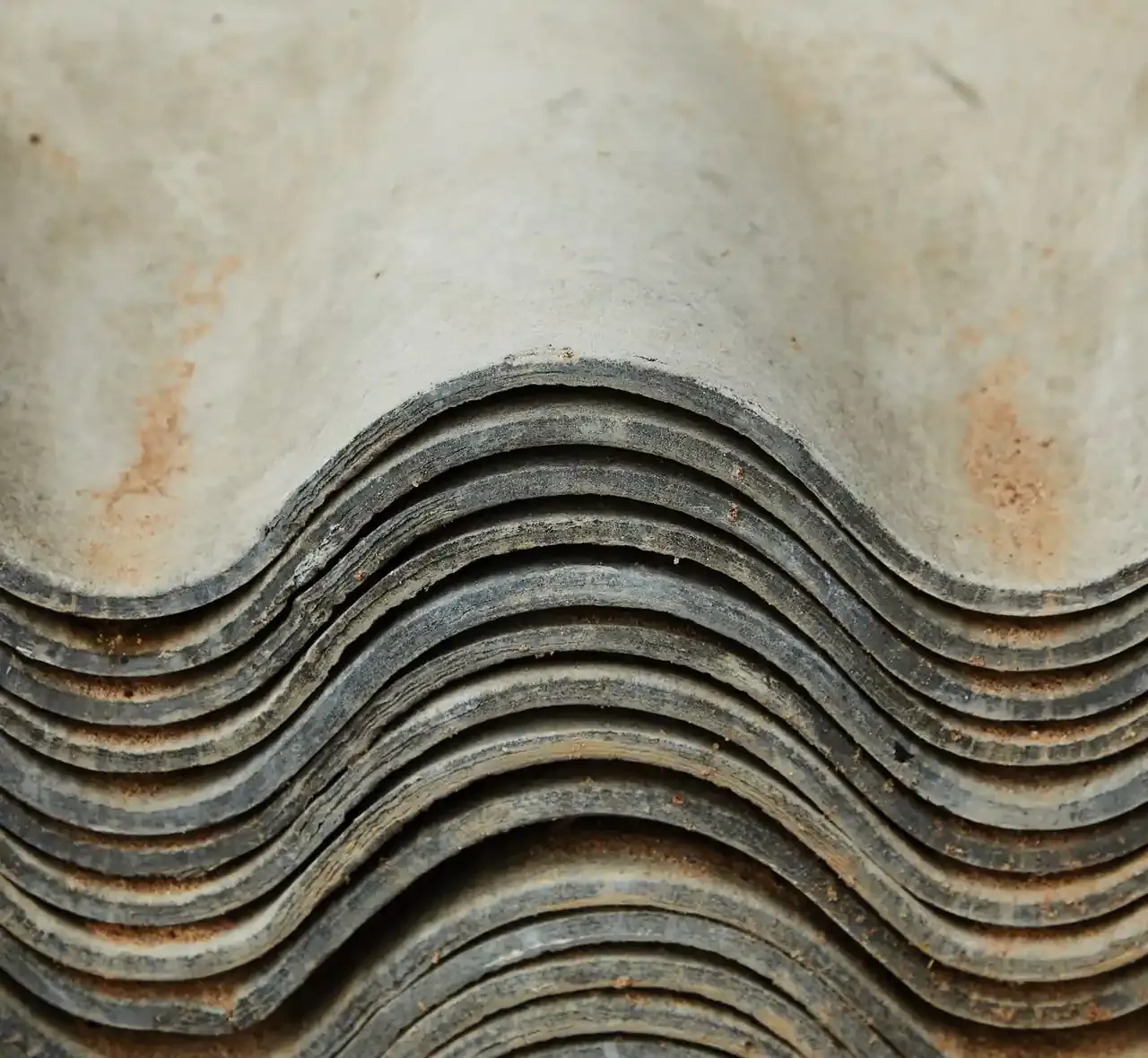
After installation or repair, we check the worked area, roof transitions, and ground for leftover materials. We collect debris and review the completed work with you, including any items that need monitoring. You receive a practical summary of what was repaired or installed and how to arrange follow-up if another roof concern appears.
Move across a circle, or focus it and press Enter, for an illustrative thermal view of the photograph.
We use a secured roofing ladder to reach inspection areas and move safely between roof access points. Placement depends on the home, ground conditions, and roof design.

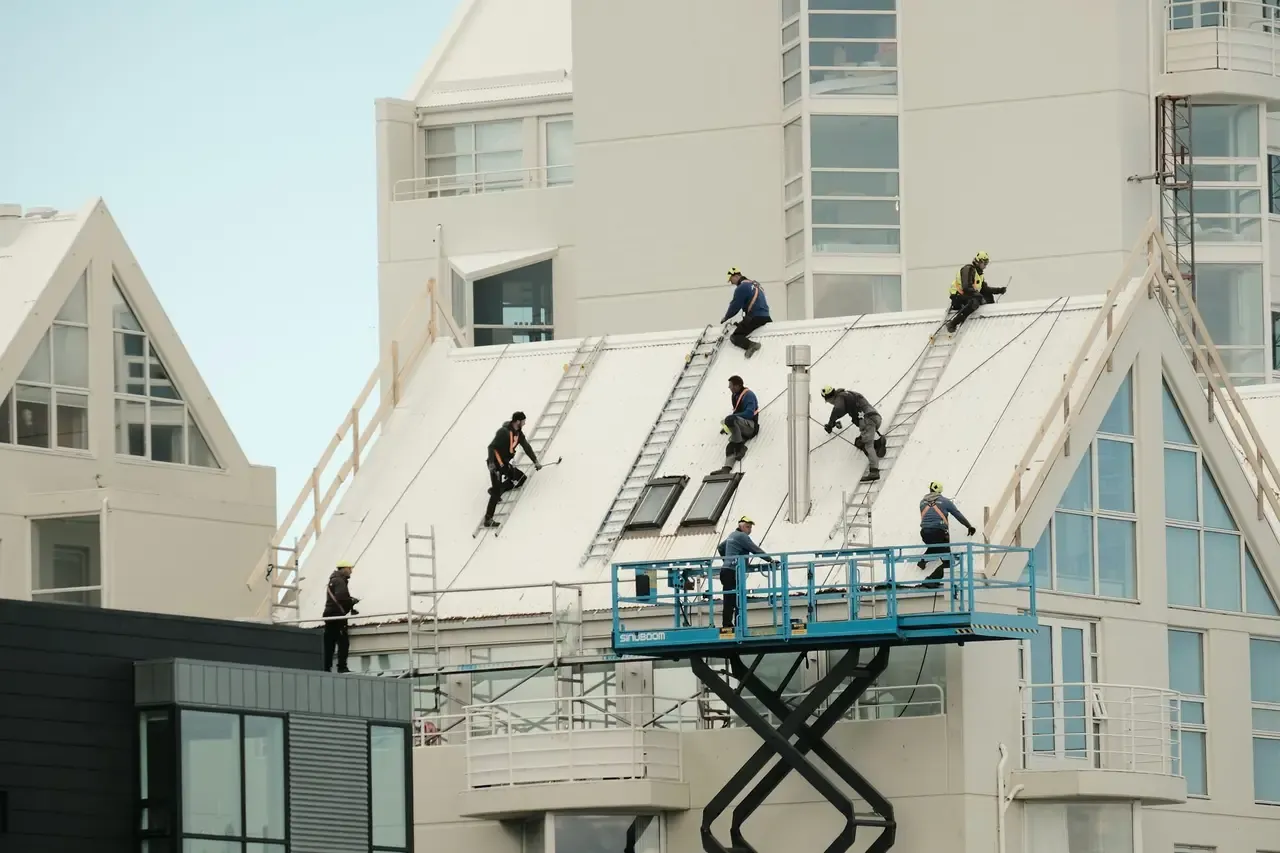
Our crew uses fall protection equipment appropriate to the roof and task. Safe access planning matters on steep slopes, multi-level homes, and exposed roof edges.
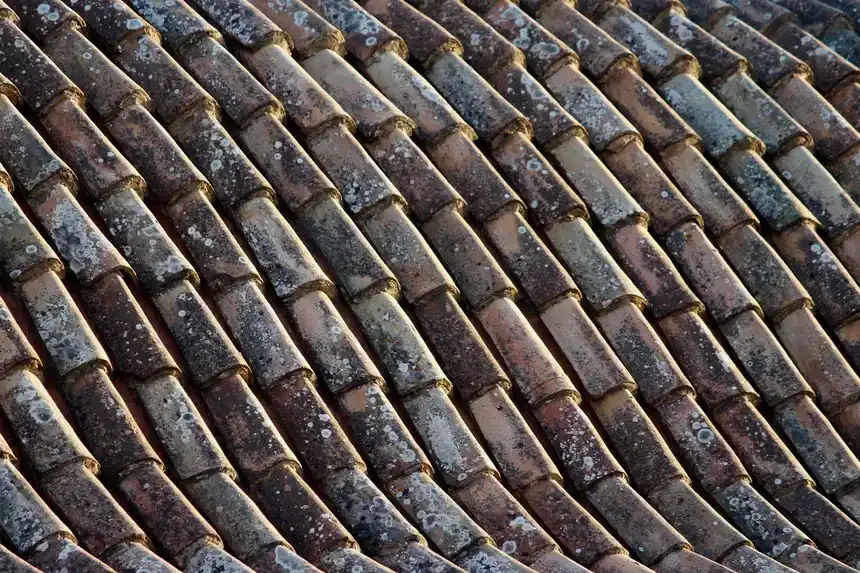
A moisture meter helps check accessible materials for dampness when a roof leak or interior water stain raises concern. Readings support the inspection, not a substitute for tracing the water path.

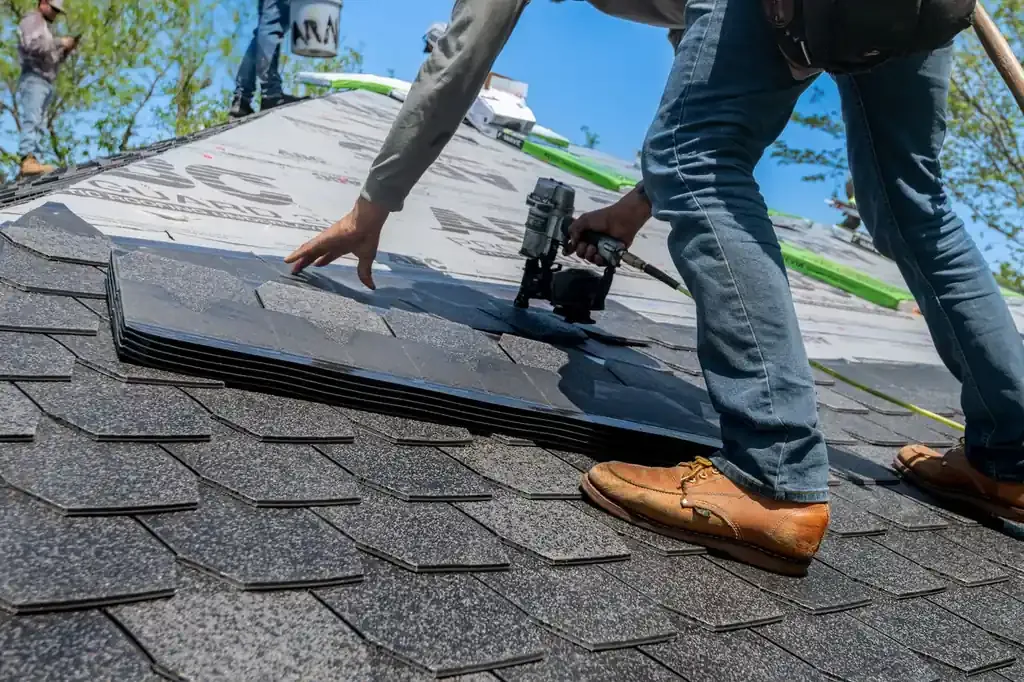
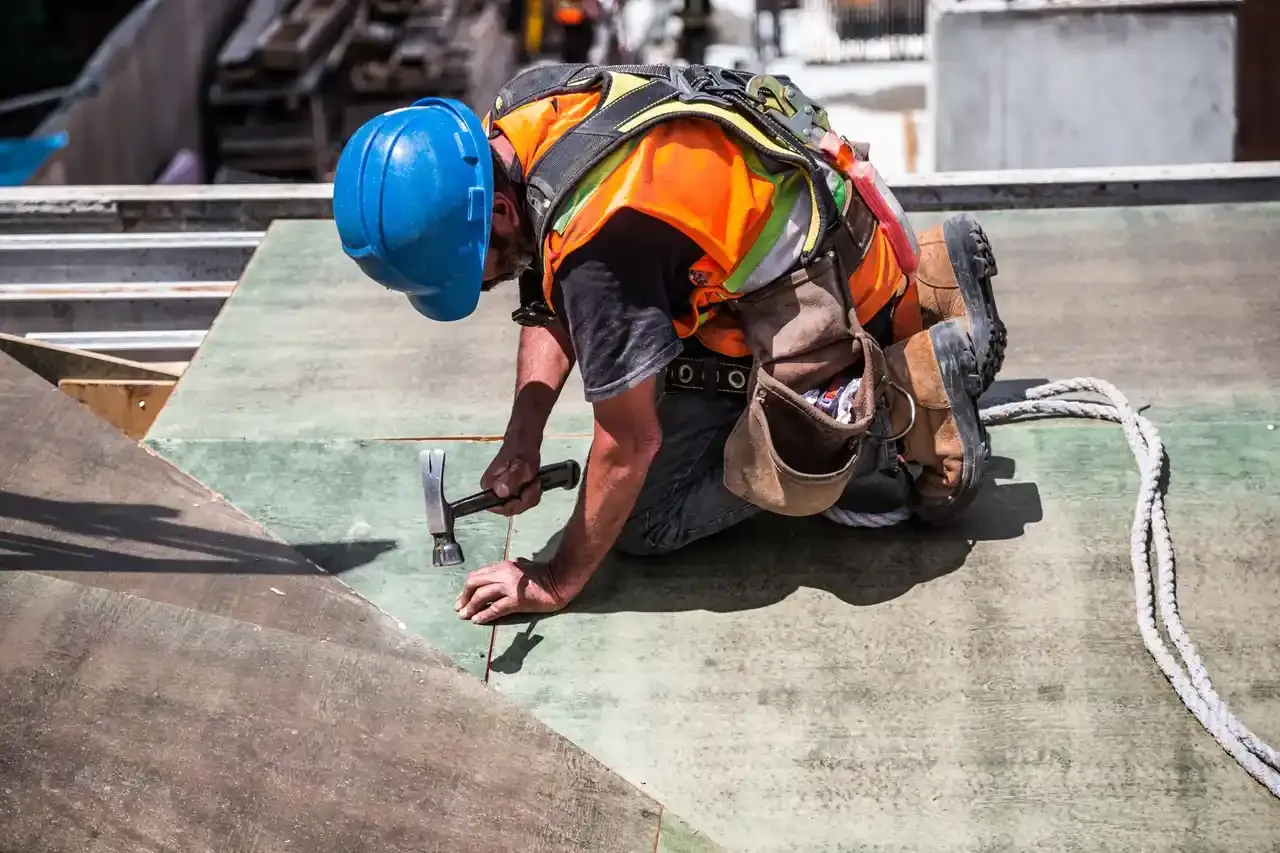
We use a roofing nail gun to fasten compatible shingles during installation or repair. Fastener placement and depth must suit the roofing material and installation requirements.
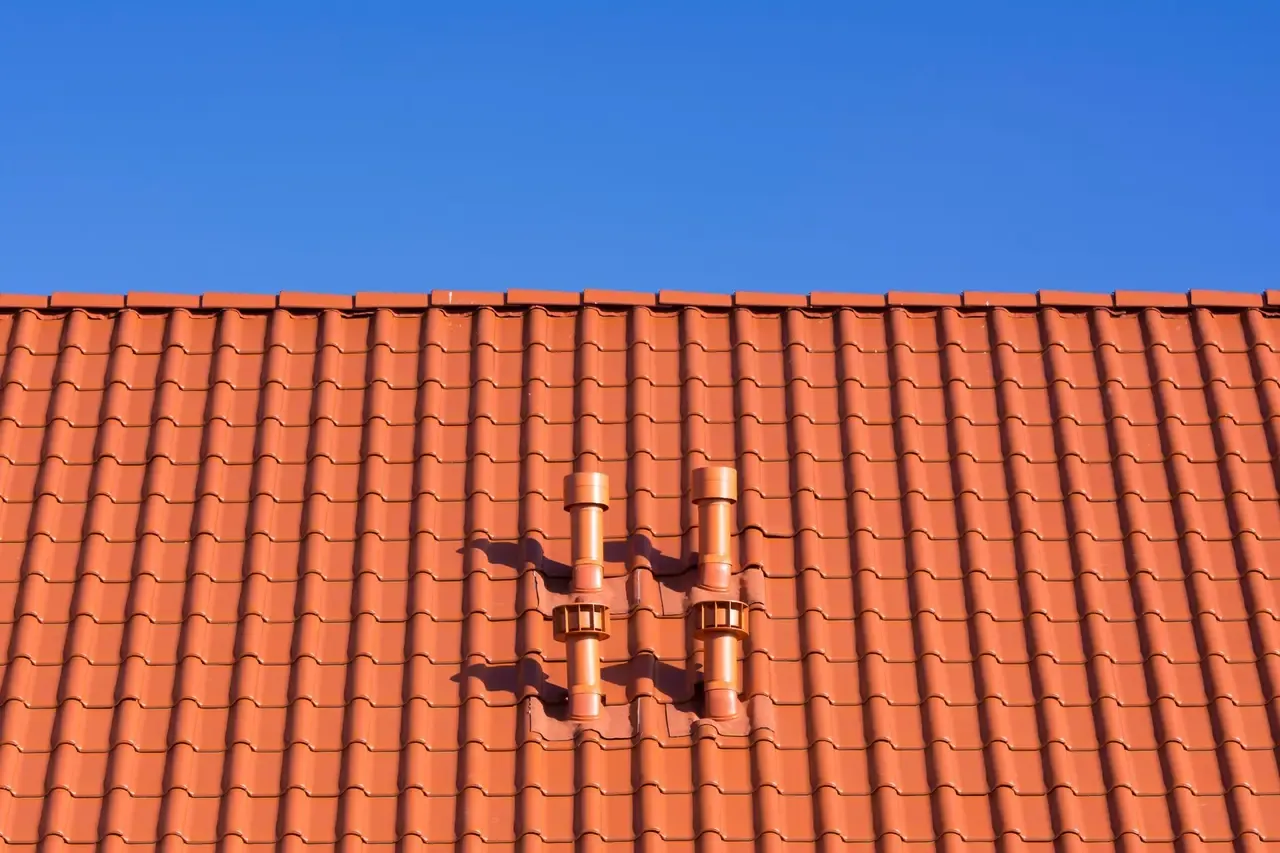
A shingle ripper helps remove damaged or existing shingles during repair and tear-off. Controlled removal protects nearby roofing and exposes the underlying layers for inspection.
Thermal views are illustrative, generated from the photographs.
We start at the interior symptom when one is visible, then inspect roof transitions and materials above it. Water can travel along framing or decking, so the stain location is not always the entry point. We check the likely route and nearby details before choosing a repair.
During a tear-off, we inspect exposed roof decking before new materials cover it. Soft or deteriorated sections need attention because they support the roof covering and fasteners. We identify affected areas, explain the repair, and prepare a sound surface for the next layers.
A roof works as a system: the covering sheds most rain, while underlayment and correctly integrated flashing protect vulnerable transitions. We pay attention to valleys, edges, penetrations, and roof-to-wall details so water moves outward rather than behind the assembly.
We consider applicable International Residential Code provisions and manufacturer installation guidance for the roof system and project. Requirements vary with the work and home, so we account for the relevant details rather than applying one specification to every roof.
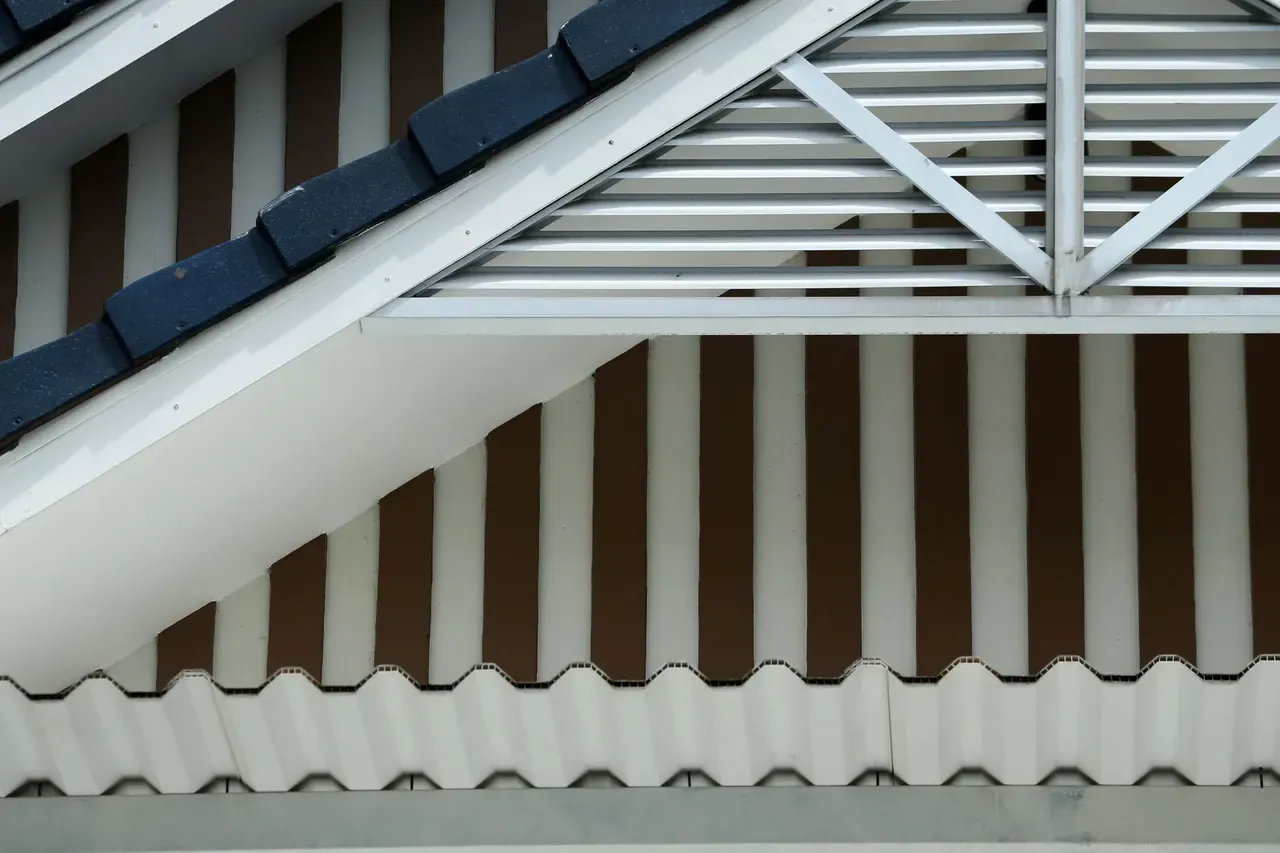
After a Tomball storm, you find shingles in the yard and water marks under one roof slope.
We inspect the affected slope, edges, and nearby flashing to identify missing or lifted shingles and any opening that could admit water. We explain whether the roof needs a targeted repair or temporary protection followed by permanent work. If water is entering, we focus on the affected area first.
Outcome: You know where the roof was damaged, what work addresses it, and whether another area needs follow-up inspection.
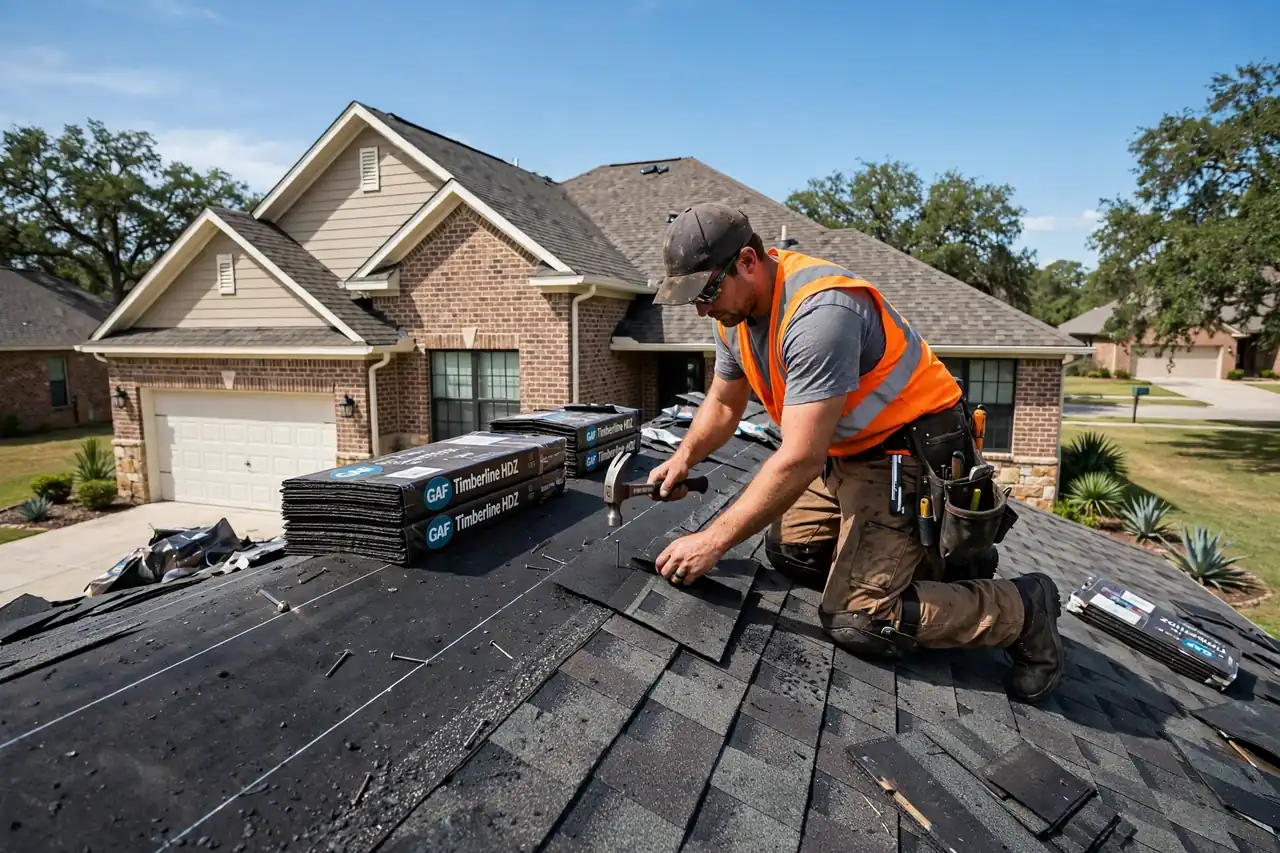
A ceiling stain appears near a chimney after several days of rain in Old Town Tomball.
We trace the stain toward the chimney transition and inspect flashing, nearby shingles, and the roof slope above it. After locating the likely entry point, we repair the affected detail and check adjacent materials. We also explain what interior moisture evidence should be watched after the roof work.
Outcome: The repair targets the water path instead of covering the stain, reducing the risk of the same leak returning.
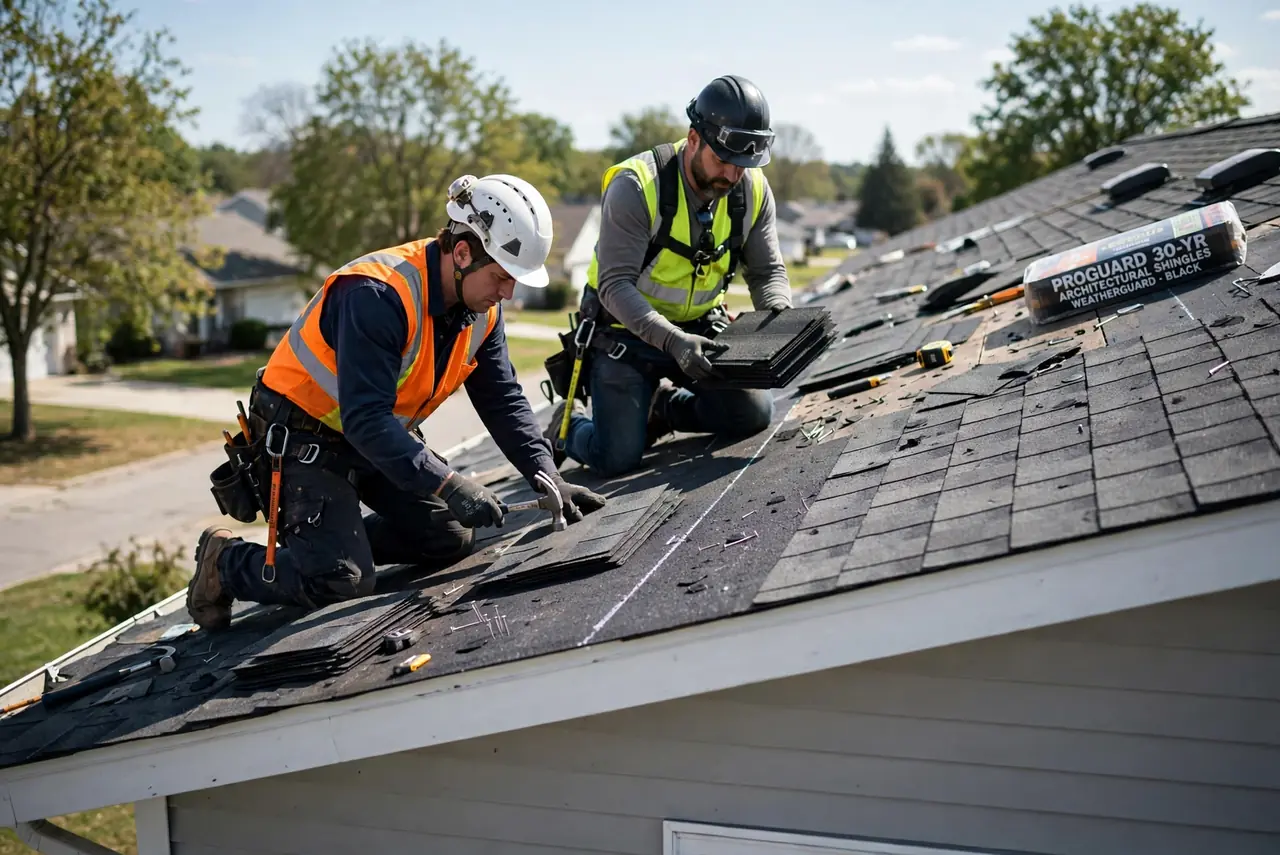
Your shingles curl across several roof slopes, and repeated patching is no longer holding.
We inspect the roof's overall condition, identify areas that remain sound, and compare repair with replacement. If replacement is appropriate, we discuss removal, exposed decking checks, underlayment, and material selection. You get a work plan built around the roof rather than a patch applied to every visible symptom.
Outcome: You can make a repair or replacement decision using the roof's condition, scope, and installation needs.
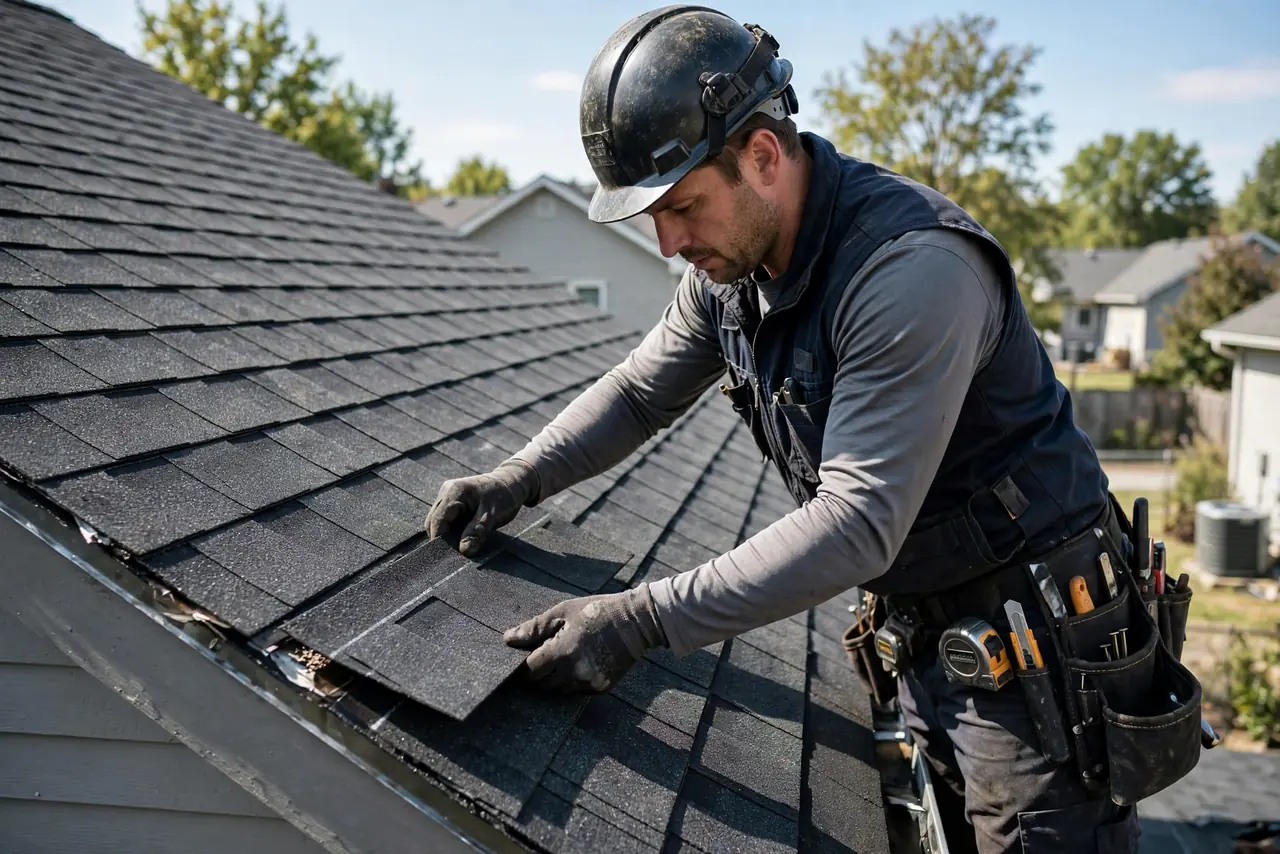
A small leak starts during a heavy shower in Amira, with water reaching an upstairs ceiling.
We ask where water is appearing and inspect the roof area above the room, including penetrations and valleys. We determine whether immediate protection is needed and identify the permanent repair. Once the leak source is addressed, we check for nearby moisture concerns and review the completed work with you.
Outcome: You get a direct response to the active roof problem and a clear explanation of the next step for affected interior areas.
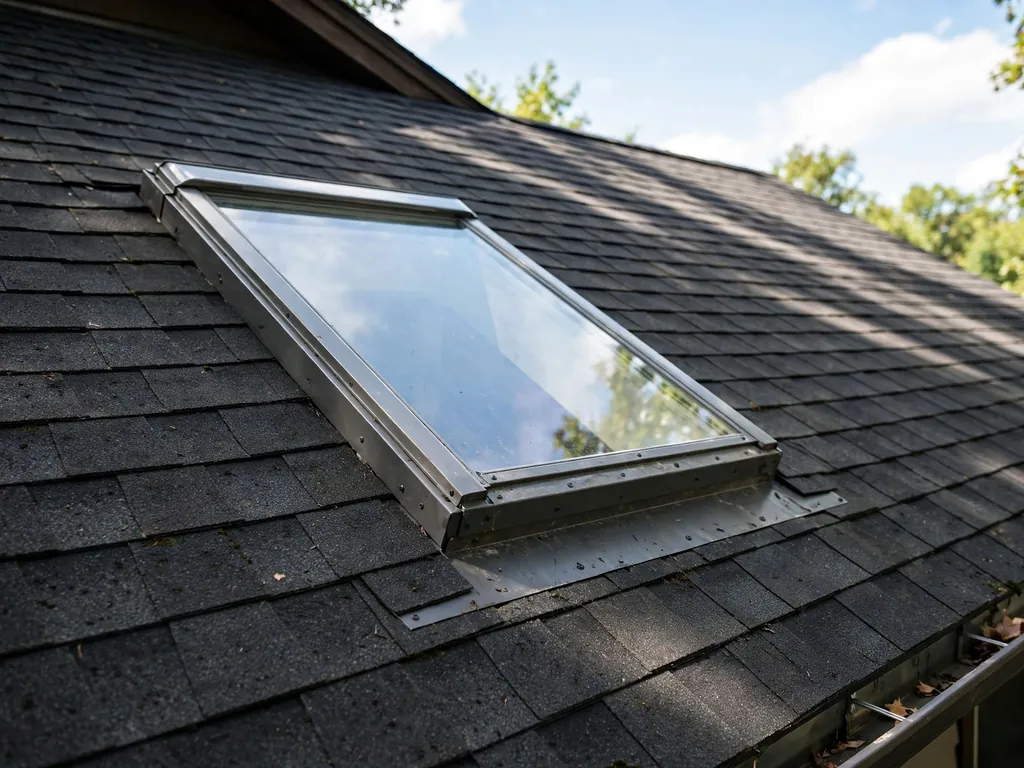
Tomball homes see hot roof surfaces, humid air, heavy rain, and periods of strong wind or hail. Those conditions put pressure on shingles, flashing, roof edges, and drainage, especially where several slopes meet. For home roofing Tomball TX, we check the full water path around valleys, chimneys, vents, and eaves instead of focusing only on the damaged-looking spot.
Many local homes have multi-slope asphalt shingle roofs, additions, and roof penetrations that need careful transitions. We look at roof age and visible condition, but the repair recommendation comes from what the inspection shows. During replacement, we examine exposed decking and verify that the roof layers, flashing, and ventilation details fit the system.
Applicable requirements can include the International Residential Code and local permitting rules, depending on the project. Harris County weather also makes prompt attention useful after a storm: a few lifted shingles can expose underlayment during the next downpour. We explain the finding, address the affected area, and review the work with you before closing out the visit.
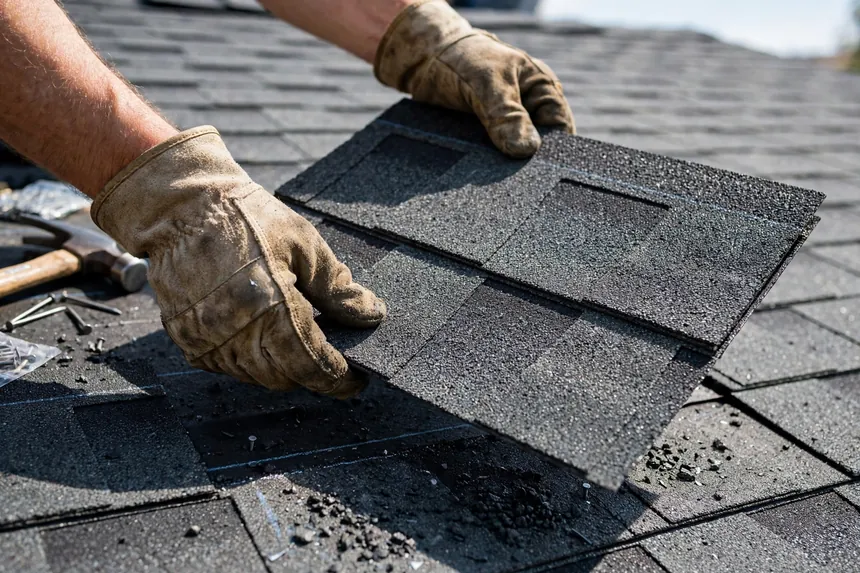
Before: A Tomball homeowner had a ceiling stain that returned after heavy rain. Earlier surface patching had not stopped the water, and the valley shingles showed wear near the channel. The visible stain was small, but repeated moisture raised concern about underlayment and roof decking beneath the affected slope.
After: We repaired the affected valley detail and replaced damaged roofing materials in the defined area. The work covered one roof section, and the crew checked the surrounding shingles and water path before cleanup. The homeowner had a clear record of the repair location and a direct explanation of what had caused the recurring leak.
Check the ceiling after major rain and watch for a stain that returns or spreads. Keep nearby gutters clear and arrange an inspection if water appears again around the repaired valley.
Before: Several shingles had lifted along a roof edge after a windy storm in Willow Creek. The homeowner saw pieces in the yard and worried that rain could reach the roof deck. From the ground, it was not clear whether the damage stopped at the edge or continued higher on the slope.
After: We inspected the edge and adjacent slope, then replaced the damaged shingles and checked nearby roof details. The repair addressed the affected area in one visit, with a ground cleanup and a review of the work location. The owner knew which section had been repaired and what signs would call for another look.
After a major wind event, look for debris and new ceiling marks without climbing onto the roof. Schedule a roof check if shingles appear lifted, creased, or missing.
Before: A homeowner in Amira reported curling shingles across multiple slopes, repeated patching, and granules collecting near downspouts. Several roof areas showed wear, making a single localized repair unlikely to address the broader condition.
After: We removed the specified roof covering, checked exposed decking, and installed the selected replacement system with attention to edges and transitions. The project took two working days, and the crew completed a final cleanup. The owner received a walkthrough of the finished roof areas and a summary of the installation work.
Keep gutters clear, inspect ceilings after hard rain, and arrange a visual roof check after damaging weather. Addressing loose flashing or missing shingles early helps protect the new roof system.
Roof damage can move from a small exterior defect to stained ceilings, wet insulation, or weakened decking. These are common problems we investigate for Tomball homeowners.
A correctly repaired roof moves water away from your home's interior.
A ceiling stain can start at a roof valley, pipe penetration, chimney, or damaged shingle several feet away. We trace the likely entry point and inspect adjacent materials before repairing it. That targeted approach helps avoid replacing sound sections unnecessarily and gives you a clear explanation of how the water was getting in.
Repeated moisture can soften roof decking and weaken the surface that holds fasteners. We look for sagging, soft spots, and signs of underlayment failure when the roof is opened or accessible. Finding damage early makes it easier to replace affected sections before it compromises a larger area.
Tomball residential roofing should match the roof's actual age, damage, and remaining serviceable area. We separate repair needs from replacement needs and explain the trade-offs in plain language. You can compare immediate repairs with a longer-term plan instead of making a decision based only on a stain or a storm report.
Roof edges, valleys, and gutters need to move water away without backing it toward fascia or walls. We check for debris, damaged drip edge, and gutter overflow while assessing the roof. Correcting these details supports better drainage during heavy rain and reduces recurring wet areas around the eaves.
Clear records you can keep and share.
Images of inspected roof areas.
A record of completed repairs.
Selected roofing materials listed.
Notes on final site cleanup.
The right choice depends on how much of the roof is affected and whether surrounding materials remain serviceable.
Corrects a defined defect while retaining sound roof areas.
Addresses related damage across a slope or several roof details.
Renews the roof covering when repair no longer suits its condition.
A list like this tells people straight away whether you cover their street. Not listed? Call and ask: it only takes a minute.
Based in Tomball and covering the places around it. Pick one for local details.
The 2026 price depends on roof area, slope, material, tear-off layers, access, and hidden decking damage. We inspect the affected roof and explain the work before giving upfront pricing. A localized flashing repair is usually a different job from replacing several roof slopes.
A small home roof repair often takes two to six hours, and a typical replacement takes one to three working days. The schedule depends on roof size, pitch, material, tear-off layers, weather, and whether damaged decking is found. We explain the expected work sequence after inspecting your roof. Rain or unsafe wind can interrupt roof work because uncovered materials must be protected.
The right residential roofing company in Tomball explains the roof evidence, repair options, materials, and price before work begins. Ask how the crew will address the leak or damage, what roof areas are included, and how debris is handled. We walk you through those points on the visit and show the affected area when it is safe to do so. Clear answers help you compare contractors on the work, not slogans.
Same-day residential roofing Tomball is possible for some urgent repairs, depending on weather, access, and the damage involved. We first assess whether water is entering and whether temporary protection or a permanent repair is appropriate. A complex leak, steep roof, or damaged decking may require additional work or materials. Call us at (877) 791-3217 and describe the leak, roof area, and any active interior water.
Other services from the same team.
A roof leak or storm-damaged slope should be checked before water reaches more of your home. Call Tomball Roofing Experts at (877) 791-3217 to describe the problem and arrange a roof inspection. We explain the repair or replacement options and provide upfront pricing.
Call (877) 791-3217 to discuss Roof Replacement, Roof Repair, a leak, or storm damage at your Tomball property. Our phone team can hear the details and connect your request with an independent roofing company. Contact us during regular business hours, Monday through Friday, 8 a.m. to 6 p.m.; for active water entry, describe where it is happening when you call.