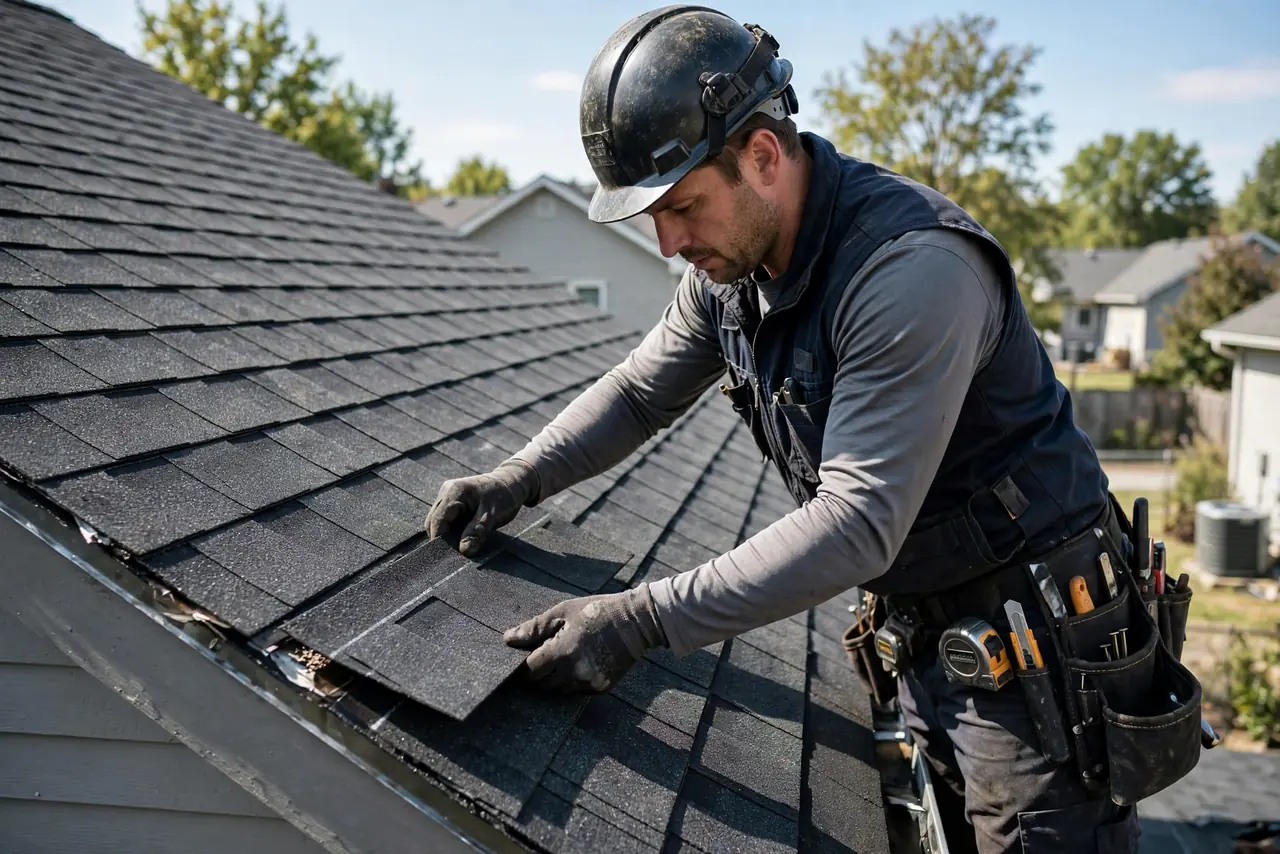
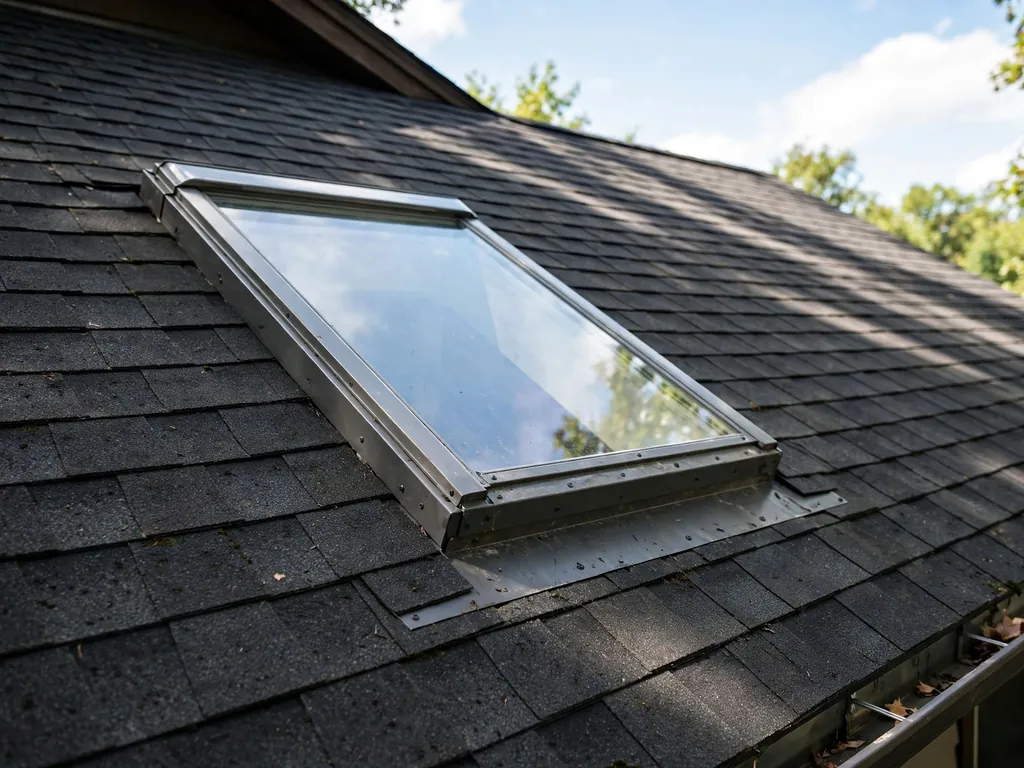
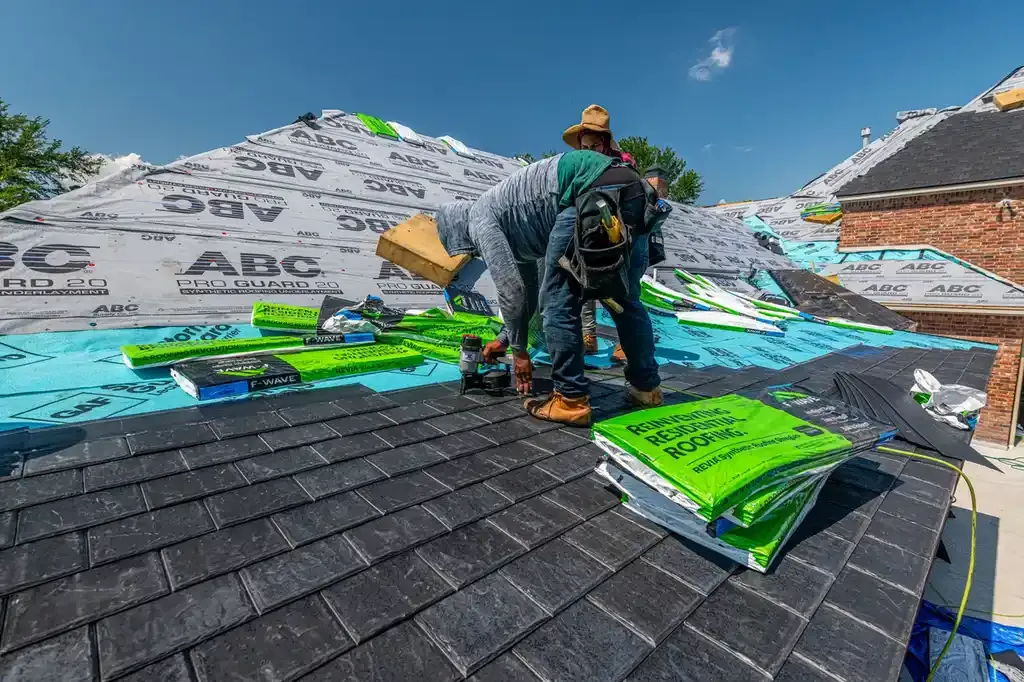
Our roof soffit and fascia repair Tomball TX service restores damaged eaves for homeowners and property managers dealing with rot, loose panels, leaks, or storm damage. We inspect the roof edge, explain what needs repair, and replace compromised sections so water drains correctly and the attic stays protected. For soffit and fascia repair in Tomball, Texas, call Tomball Roofing Experts at (877) 791-3217.
We inspect the damaged soffit and fascia, trace visible moisture, remove unsound material, and fit replacement sections to the existing roof edge. The work may include fastening panels, restoring gutter attachment, and sealing appropriate exterior joints. Repairs to extensive roof decking, shingles, or unrelated flashing are handled as additional roofing work when the inspection shows they are needed; we explain those findings before proceeding.
Eave Condition Check
We inspect soffit panels, fascia boards, fasteners, and adjoining roof-edge materials. The check looks for looseness, rot, staining, and openings so you know which sections need repair and whether moisture appears to have traveled behind the trim.
Damaged Material Removal
We remove compromised sections carefully and keep the opening limited to material that is no longer sound. This exposes the backing for inspection and helps avoid fastening new trim to wet or deteriorated wood.
Matched Replacement Sections
We measure and cut replacement fascia or soffit material to fit the affected run. The goal is a secure, neat transition that follows the existing roofline and preserves any designed ventilation openings.
Fastener and Edge Check
We secure repaired sections and review the nearby gutter attachment, drip edge, and roof transition. If the inspection reveals a separate leak source, we explain what needs attention instead of hiding it behind new trim.
Homes and Businesses.
The approach is the same for a home and a business. What changes is the access, the schedule and who needs the paperwork.
Homes and Rentals
We repair loose soffit panels, soft fascia, and water-marked eaves on homes and rental properties. You see which sections need work and how we protect ventilation.
Gutter pulling away from fascia
Loose panel after a storm
Water stain beneath eaves
Business Properties
We inspect commercial roof edges where damaged trim affects drainage, access, or the building envelope. Property managers get a clear account of affected sections and repair steps.
Damaged trim along storefront
Loose soffit at loading area
Overflow staining at roof edge
Roof Soffit and Fascia Repair in Tomball
A plain-language look at what Roof Soffit & Fascia Repair involves and when it is needed.
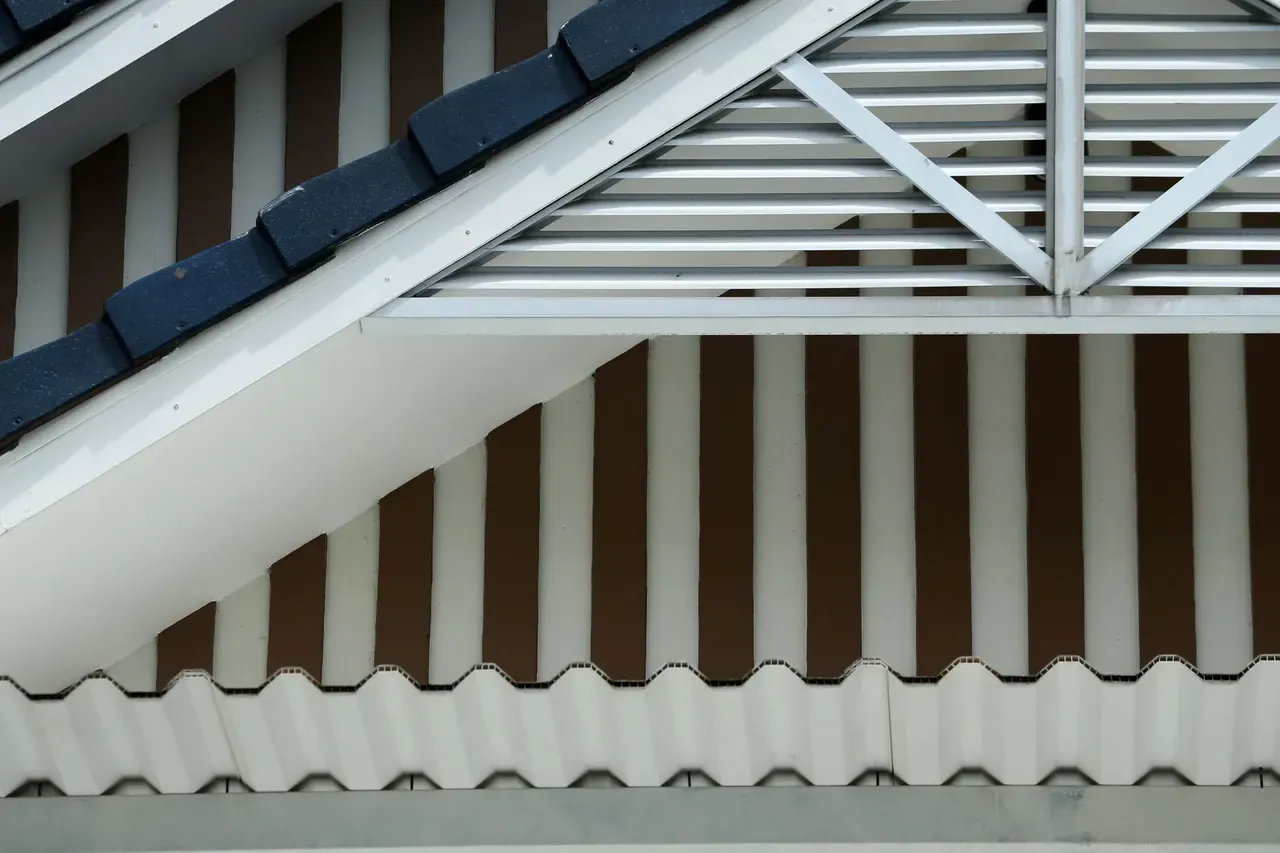
roof soffit and fascia repair Tomball TX is an exterior roof-edge repair service that restores the boards and ventilation panels beneath the eaves when water, impact, or deterioration compromises them. The soffit covers the underside of the roof overhang; the fascia is the board along the roofline that supports the gutter edge. We check both, trace moisture toward its source, and replace damaged material without covering up roof decking rot or a flashing leak. A sound repair closes openings, supports gutters, and preserves the intended airflow into your attic.
Tomball homes face long periods of heat, heavy rain, humidity, and wind-driven storms. Overflowing gutters can keep fascia wet, while lifted roof edges can send water behind the soffit and stain an attic or ceiling. Our roof soffit and fascia repair in Tomball, Texas includes checking adjacent shingles, drip edge, and roof flashing before we close the eave. If you are comparing roof soffit and fascia repair cost in Tomball TX, the key first step is finding how far moisture has traveled.
Sound soffit and fascia help protect the eaves, support drainage, and preserve roof ventilation.
What it is
Repair or replacement of damaged panels and boards along the roof overhang and edge.
When you need it
When fascia softens, panels loosen, water stains appear, or gaps open at the eaves.
What to expect
An inspection, cause check, focused material removal, replacement, and a finished-edge review.
What to Expect During the Repair
Roof soffit and fascia repair in Tomball starts with locating the cause, not simply covering the visible mark. We walk you through each stage, protect the work area, and explain what is complete before we leave.
Inspect the Eaves
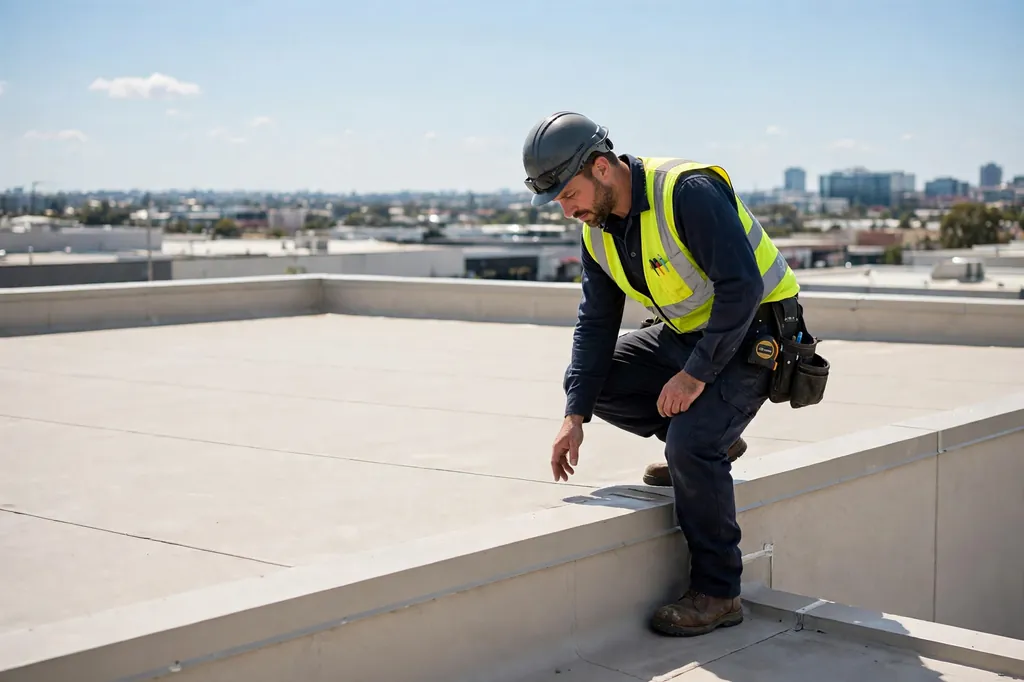
We start at the affected roof edge and look for soft boards, loose panels, gutter pullout, water marks, and openings. A ladder and fall protection harness let us inspect safely; a moisture meter helps check suspicious areas. The first visit usually takes 30 to 60 minutes, depending on access and the length of the damaged run.
Inspect eaves
Check access
Note damage
Trace the Water
We follow staining and decay upward to check the roof edge, shingles, drip edge, and nearby flashing. Your repair plan distinguishes the visible fascia or soffit damage from a source such as overflowing gutters or a roof leak. We explain the repair sequence and upfront price before work starts.
Trace moisture
Check flashing
Explain findings
Remove Damaged Material
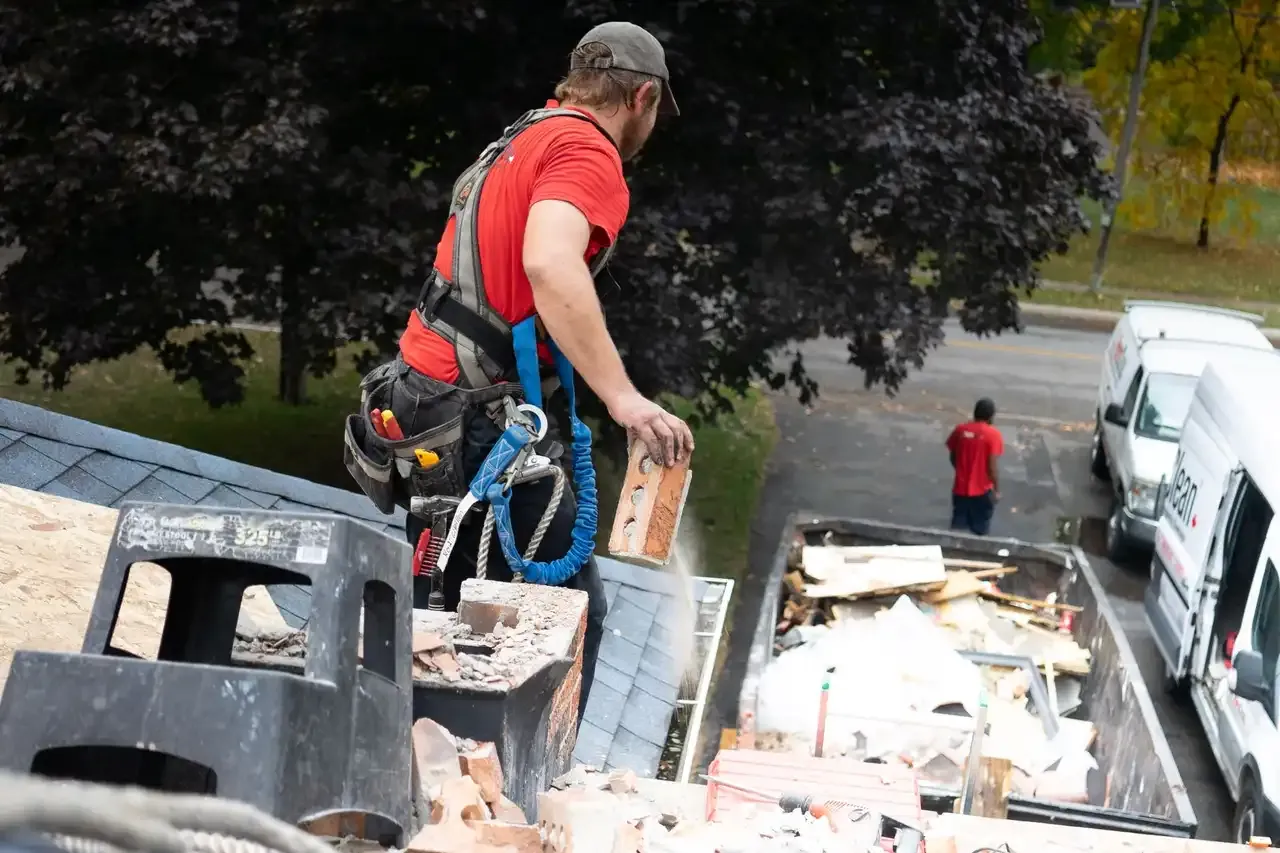
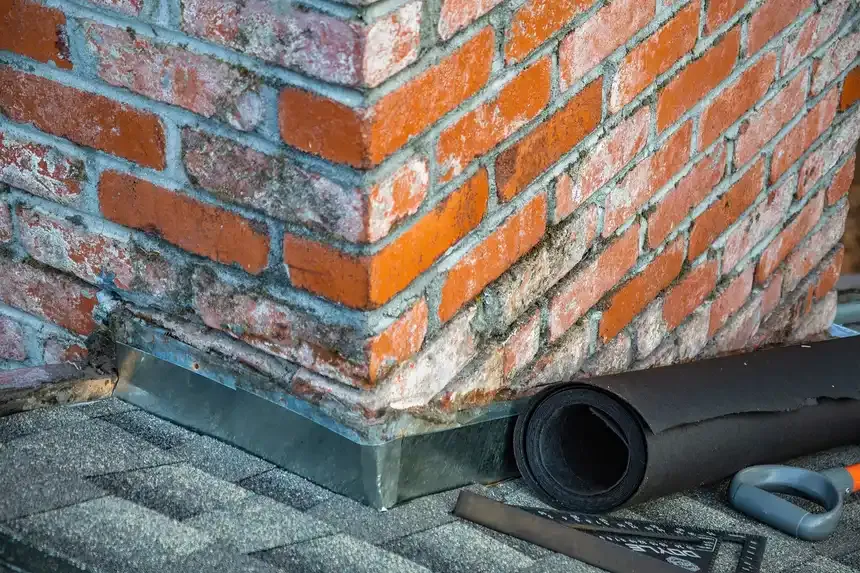
We protect the ground and nearby landscaping, then carefully remove affected panels and boards with a pry bar and utility knife. We keep removal limited to unsound material so good trim remains intact. If we uncover wet decking, we show you the affected area and explain the needed repair before proceeding.
Protect area
Remove damage
Check backing
Fit and Secure Repairs
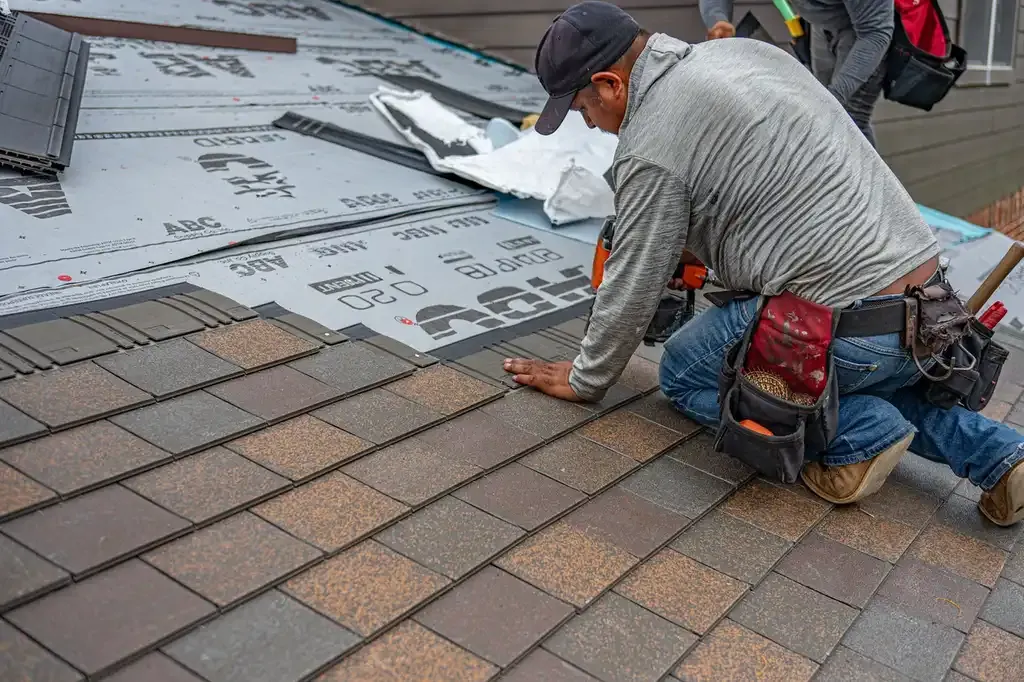
We cut replacement sections to match the roofline, fasten them securely, and preserve ventilation openings where the design calls for them. A roofing square and chalk line help keep cuts and edges straight. Most localized repairs take two to four hours; extensive rot or difficult access takes longer.
Measure sections
Fit material
Secure edges
Check the Finished Edge
We review fasteners, seams, gutter attachment, and the transition to nearby roof materials. Then we clear debris and walk you through the work, including any remaining roof concerns. You can see the completed edge and understand what was repaired before the crew packs up.
Review fasteners
Clear debris
Walk through
Tools and Repair Methods
Move across a circle, or focus it and press Enter, for an illustrative thermal view of the photograph.
Roofing Ladder
We use a properly positioned roofing ladder to reach eaves for close inspection and controlled access. Stable placement helps us examine fascia, soffit joints, and gutter attachments without leaning on damaged trim.
Moisture Meter
A moisture meter helps check suspicious wood for retained moisture. We use readings as one part of the inspection alongside visible staining, softness, and the water path.
Pry Bar
A pry bar lets us remove damaged trim carefully and expose the backing. Controlled removal helps preserve adjacent material and reveals whether the structure behind the fascia is sound.
Tin Snips
Tin snips make controlled cuts in compatible metal trim and flashing pieces. We measure first, then fit the material to the existing roof-edge profile.
Fall Protection Harness
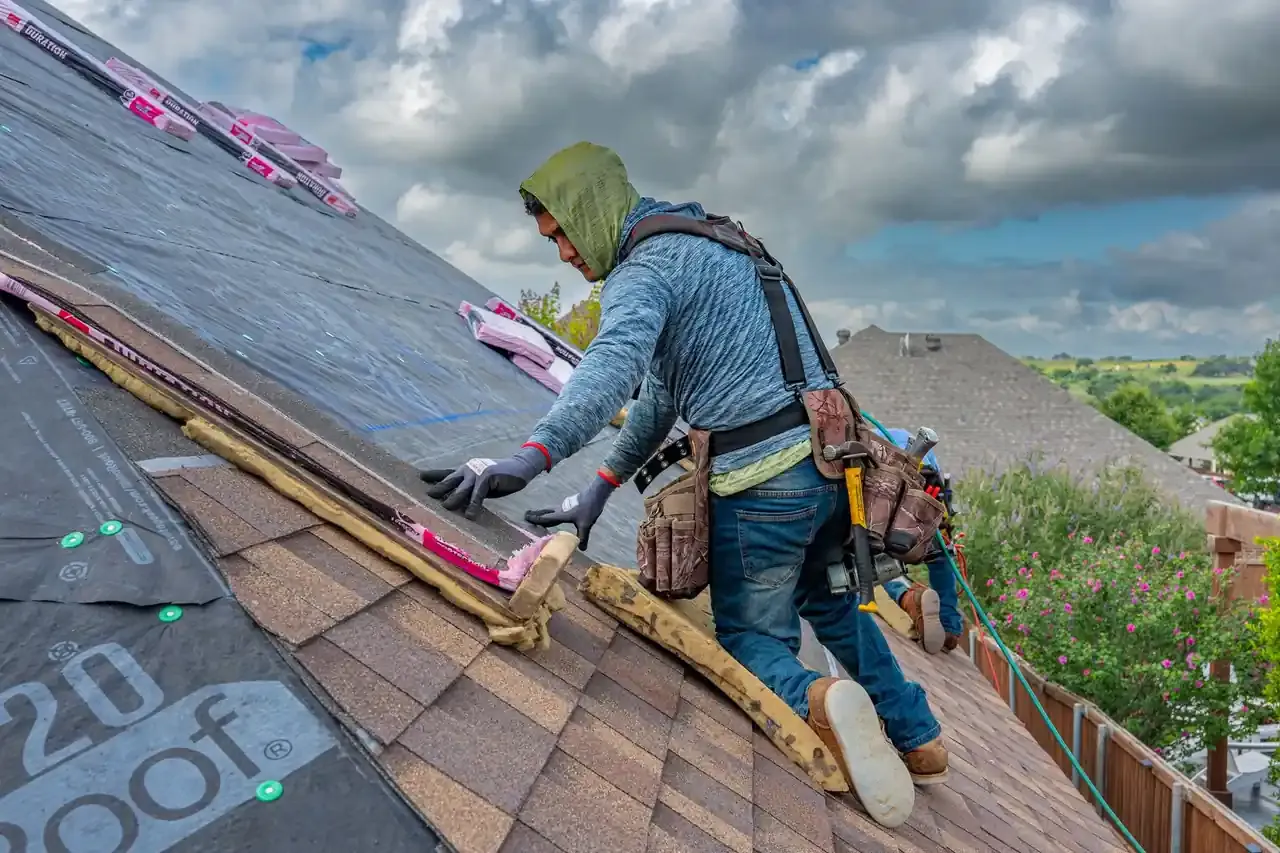
We use fall protection harness equipment when the roof height and access conditions call for it. Safe access matters during inspection, removal, and fastening at elevated eaves.
Thermal views are illustrative, generated from the photographs.
Methods
Trace the water path
We start at the visible stain or soft board and follow the likely route upward. Checking shingles, flashing, gutters, and the roof edge helps distinguish the source from damage caused by the source. That sequence keeps a cosmetic patch from concealing an active leak.
Replace to sound backing
We remove only material that cannot hold a secure repair, then check what remains behind it. New fascia and soffit sections are fastened to suitable backing, with adjacent trim retained when it is sound. If rot extends into decking, we explain the additional repair.
Preserve roof ventilation
We identify designed soffit intake openings before closing gaps or fitting panels. The repair blocks unwanted entry points while leaving intended airflow unobstructed. This distinction protects the roof assembly from both pest access and an accidentally sealed ventilation path.
Check drainage transitions
We review how the gutter, fascia, drip edge, and roof surface meet. Fasteners need sound material, and runoff should move away from the eave rather than behind it. We note any gutter overflow or roof-edge leak that could shorten the life of the repair.
When to Repair the Eaves
Storm Panel
After a Tomball windstorm, a soffit panel hangs loose above the driveway and rain is forecast.
We inspect the panel, fasteners, fascia, and nearby shingles, then determine how to secure the exposed edge. If water is entering, we focus on closing the opening and tracing the roof path. We also check whether wind shifted adjoining materials that need a coordinated repair.
Outcome: The eave is secured, the exposed opening is addressed, and you know whether related roof repairs are needed.
Gutter Damage
A gutter spills during heavy Tomball rain, leaving a dark line and soft wood along the fascia.
We inspect the gutter attachment and the full visibly affected fascia run. We remove soft material, check the backing, and repair the board before securing the gutter to sound support. We also identify whether the overflow needs a separate gutter correction.
Outcome: The repaired fascia provides solid attachment, and the source of repeated wetting is clearly identified.
Attic Moisture
A homeowner sees brown water marks beneath the eaves after finding damp insulation in the attic.
We inspect from the exterior roof edge and check the attic-side clues you describe. We trace the water path toward flashing, shingles, or roof decking instead of replacing trim alone. Once the source is addressed, we replace damaged soffit or fascia sections.
Outcome: The repair addresses the leak path and the visible eave damage, reducing the chance of concealed moisture remaining.
Rental Property
A property manager notices a gap in the soffit at a rental home in Willow Creek.
We check whether the gap is a damaged panel, a failed joint, or an intended ventilation opening. We repair the compromised section, secure its edges, and review nearby fascia for softness. You receive a practical explanation of the work completed and any related roof concern.
Outcome: The unwanted opening is closed while designed attic airflow remains clear and the surrounding roof edge is checked.
Downtown TomballAmiraLakewood Grove
How Tomball Roof-Edge Repairs Work
Tomball's hot, humid months and sudden downpours put repeated stress on exposed eaves. A gutter that backs up during a hard rain can soak fascia; wind-driven rain can find a loose soffit seam and reach roof decking. We inspect those transitions on homes across Harris County, including properties with older trim and newer ventilated eaves. The repair starts with the water path, then moves to the material and backing.
For soffit and fascia repair near me Tomball TX, tell us whether you noticed a stain, a loose panel, or gutter overflow so we can focus the inspection. We protect the work area, use safe ladder access, and keep ventilation openings clear. Roof work must follow applicable local requirements and the relevant building-code provisions; the repair details depend on the existing roof assembly.
ZIP code 77375 includes many of the Tomball addresses we serve, and our service area also reaches 77377. We explain any related roof leak or decking issue before completing the eave repair.
Downtown Tomball: Older homes can have several generations of exterior trim. We check how replacement fascia meets existing boards and inspect gutter fasteners for soft wood.
Amira: We look closely at soffit seams, gutter edges, and drainage after wind-driven rain, then preserve designed ventilation when fitting replacement panels.
Lakewood Grove: Where gutters have pulled away, we check the fascia backing before resetting them, so new fasteners do not rely on deteriorated material.
Decker Prairie: We inspect exposed roof edges for loose panels and water staining, tracing damage to nearby shingles or flashing when the signs point beyond the trim.
Heavy rain and gutter overflow repeatedly wet exposed fascia: Persistent moisture softens boards and weakens fastener holding strength. We check drainage and backing along with the visible damage so a repaired fascia is not immediately exposed to the same overflow.
Wind-driven storms loosen soffit panels at open roof edges: A lifted panel can admit rain and debris into the eave cavity. We inspect nearby fasteners and roofing, secure the affected area, and identify any related storm damage.
We walk the affected area with you and explain what we see.
We protect nearby surfaces and set up safe ladder access.
We review the repair, clear debris, and explain next steps.
From Problem to Finished Result.
IllustrativeThe thermal view is generated from the photograph. It is not a measurement. Drag the handle, or use the arrow keys once it is focused.
Gutter Pullout and Soft Fascia
Before: A 12-foot gutter run had pulled away at one corner, and the fascia felt soft behind two fasteners. Water streaks marked the soffit below it. The gutter could not hold a stable line because its attachment depended on deteriorated wood.
After: We replaced the 6-foot damaged fascia section, checked the backing, and reset the affected gutter run into sound material. The soffit stain was examined for moisture, and the roof edge was reviewed before the repair was closed. The gutter now sits securely at the repaired section.
Clear leaves from the gutter at least twice each year and check for sagging after heavy rain. Report recurring overflow early; repeated wetting can damage newly repaired trim.
Storm-Lifted Soffit Panel
Before: A storm lifted one soffit panel along a 4-foot eave section. The gap was visible from the yard, and rain had marked the edge of the adjacent fascia. The opening left the roof cavity exposed to further weather.
After: We secured the affected 4-foot section, replaced the damaged panel, and checked the fascia and nearby shingles for movement. We kept the intended ventilation opening clear and closed the unwanted gap. The eave was left aligned and protected from direct entry.
After strong wind, look for panels that sit unevenly or fasteners that have backed out. A quick ground-level check can flag a change; do not climb onto the roof to investigate.
Stained Eave From Roof Leak
Before: A homeowner saw a brown stain beneath the eaves and damp insulation near the roof edge. Replacing the stained trim alone would have hidden the symptom while leaving the leak path active.
After: We traced the water toward the roof edge, identified a flashing issue, and coordinated the leak repair before replacing 3 feet of damaged fascia. The affected trim was fastened to sound backing, and the nearby soffit was checked for retained moisture.
Check attic corners after prolonged rain and note any new water marks. Keep gutters clear and arrange a roof inspection when staining returns, even if the outside trim looks intact.
Problems Fixed Before Eaves Worsen
A loose panel or stained fascia can signal an opening, a drainage problem, or concealed moisture. Our Tomball team checks the surrounding roof edge and explains the source so you can choose a repair that protects the eave rather than hiding the symptom.
Soft fasciaRotting fascia behind a leaking or overflowing gutterContinued overflow keeps the board wet, weakens gutter fasteners, and can send water behind the trim toward roof decking and the attic. We remove the unsound fascia, check the backing, and inspect the gutter slope and attachment points. Once the board is sound, we secure the gutter and check the roof edge for water entry. If overflow has another cause, we explain the drainage issue so the same section is not repeatedly soaked.
Loose panelSoffit panels loosened by wind or storm-driven rainAn open eave allows rain, insects, and debris into the roof cavity and can expose ventilation openings to damage. We inspect the panel edges and fasteners, check nearby fascia for movement, and replace or resecure the affected section. We preserve intended soffit ventilation while closing gaps that should not be open. If shingles or flashing also shifted, we point out the related roof repair.
Eave stainsWater stains appearing under the roof overhangA stain can be the visible end of a leak that has traveled from flashing, shingles, or decking, leaving hidden material damp. We trace the stain toward the roof edge and inspect the adjoining shingles, flashing, and decking. A moisture meter helps us check suspicious areas. We repair the source and replace damaged soffit or fascia only after identifying what is wet and what remains sound.
Open gapGaps at eaves that provide pest accessUnclosed gaps can expose attic insulation and wiring to pests, debris, and moisture while making ventilation less predictable. We identify whether the opening is a damaged panel or a designed ventilation slot, then repair it accordingly. Our crew closes unwanted access points without blocking functional airflow. You get an eave that is secure and still works as intended.
Practical Results at the Roof Edge
A sound roof edge keeps water out and supports secure gutters.
Keep Water Outside
Damaged fascia can let rain work behind the gutter and into roof-edge materials. We remove soft sections, check the backing, and fit replacement material to the existing profile. A correct drip edge and sealed transitions help direct runoff away from the wood instead of into an opening.
Close Pest Entry Gaps
A loose soffit panel or split fascia creates an easy route into an eave or attic. We secure or replace affected panels and close repair gaps without blocking designed ventilation. You get a solid exterior barrier while the roof assembly keeps its intended airflow.
Support Gutters Properly
Gutters fastened to deteriorated fascia can sag, pull away, or spill water at the roofline. We check attachment points and the condition of the board before the gutter is reset. For soffit and fascia repair Tomball TX, that detail helps prevent a repeat failure after the next heavy rain.
Catch Hidden Damage Early
A small stain may point to wet roof decking or an active roof leak, not just a cosmetic defect. We use visual checks and a moisture meter where appropriate, then explain what is confirmed. Finding the source before closing the eave helps avoid trapping damp material.
What You Receive
Clear records you can keep and share.
Photo Record
Images of visible damage and completed repair.
Work Summary
A plain account of repaired sections.
Material Notes
Details of replacement trim used.
Inspection Notes
Observations about nearby roof-edge conditions.
Trim Repair and Roof Repair Differ
The visible eave damage and its water source are related, but they may require different repair steps.
Soffit Work
Repairs the underside panels beneath the roof overhang.
Panel fit and fasteners
Vent openings preserved
Unwanted gaps closed
Fascia Work
Repairs the roof-edge board that often supports gutters.
Soft sections removed
Backing checked
Gutter attachment reviewed
Roof-Source Work
Addresses leaks or drainage issues affecting the trim.
Flashing checked
Shingles inspected
Water path traced
Materials and Surfaces
Fascia boards
Soffit panels
Roof flashing
Drip edge
Gutter edges
Roof decking
Roof sealant
Attic ventilation
Service ZIP Codes.
A list like this tells people straight away whether you cover their street. Not listed? Call and ask: it only takes a minute.
A corner of the soffit had come loose after a storm, and I could see water marks near the eave. The crew checked the gutter and roof edge before replacing the panel. They also showed me where the fascia had softened and explained why it needed a small repair. The area was cleaned up before they left.
Our gutter was pulling away, and the fascia behind it had started to rot. They removed the weak section, checked the backing, and reset the gutter against solid material. The explanation was clear, and I could see the repaired roofline from the driveway. The next rain stayed in the gutter instead of spilling at that corner.
We had two soffit panels hanging loose on a rental home and wanted the opening closed before more rain. The team inspected the eaves, secured the affected area, and pointed out a nearby roof leak that needed attention. They kept the work area tidy and gave us a straightforward account of what was repaired.
Frequently Asked Questions
A short fascia section costs less than replacing several eave runs or repairing wet decking. We inspect the roof edge, identify the source, and explain the price before work begins. For an accurate roof soffit and fascia repair cost in Tomball TX, call (877) 791-3217 and describe what you see.
Most localized soffit or fascia repairs take two to four hours; larger repairs can take a full day. Access height, the amount of rot, gutter removal, and matching existing profiles affect the schedule. We inspect the eave first and explain the work sequence. If rain has reached roof decking or adjoining roof materials, we address that source as part of the repair plan.
Choose a roof soffit company in Tomball TX that inspects the cause, checks adjacent roofing and gutters, and explains the repair clearly. Ask how the crew handles ventilation openings, wet backing, and safe access. Our team checks those details before closing the eave, then shows you the completed work. Call (877) 791-3217 to discuss your roof edge.
Same-day fascia board repair in Tomball is possible when the schedule, weather, and repair scope allow it. We prioritize open eaves, loose boards, and active water entry, then determine whether a secure repair can be completed that day. Larger sections or hidden rot need additional work. Call (877) 791-3217 and tell us whether water is entering or a board has pulled away.
Stop a loose panel, soft fascia, or active eave leak from exposing more of your home. Call Tomball Roofing Experts at (877) 791-3217; our team will inspect the roof edge and explain the repair. We provide upfront pricing before work starts.
Call (877) 791-3217 to discuss Roof Replacement, Roof Repair, a leak, or storm damage at your Tomball property. Our phone team can hear the details and connect your request with an independent roofing company. Contact us during regular business hours, Monday through Friday, 8 a.m. to 6 p.m.; for active water entry, describe where it is happening when you call.