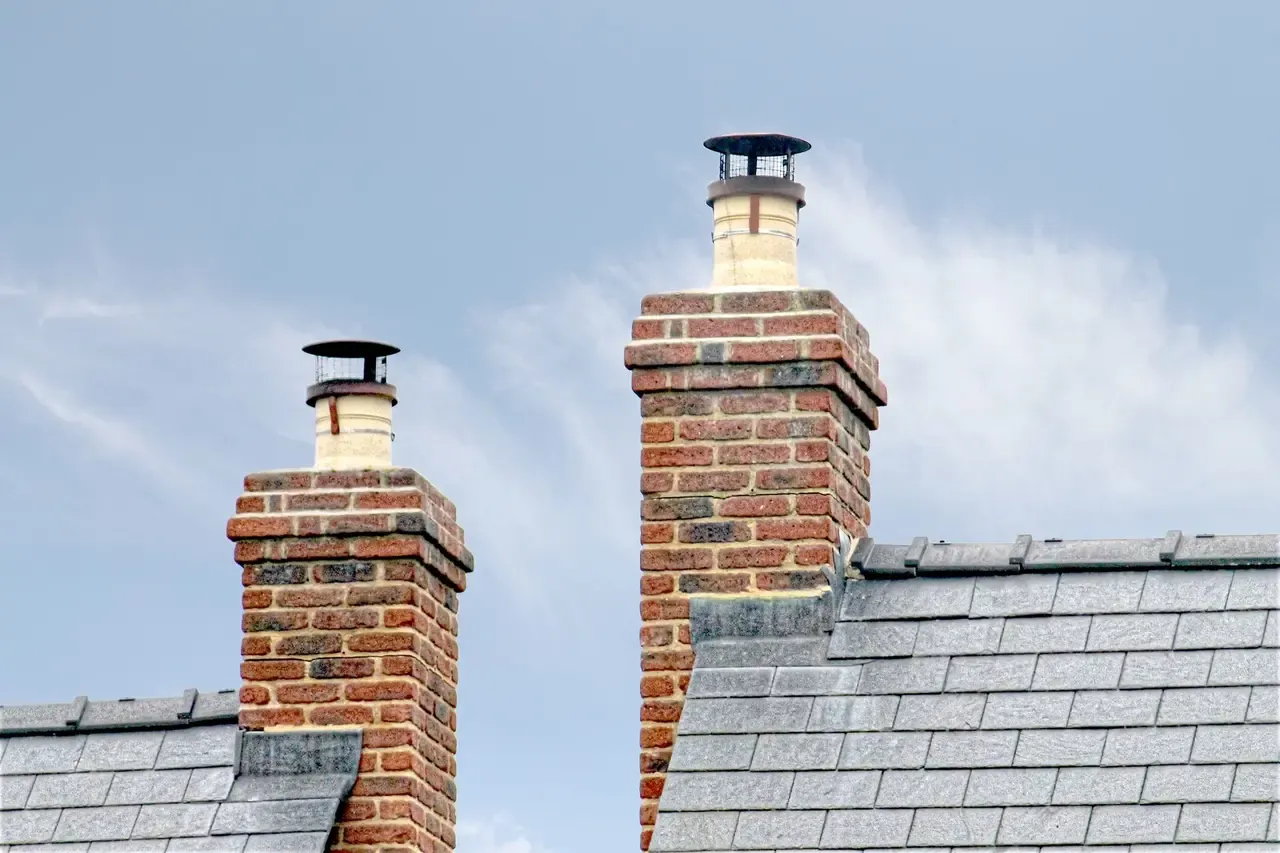
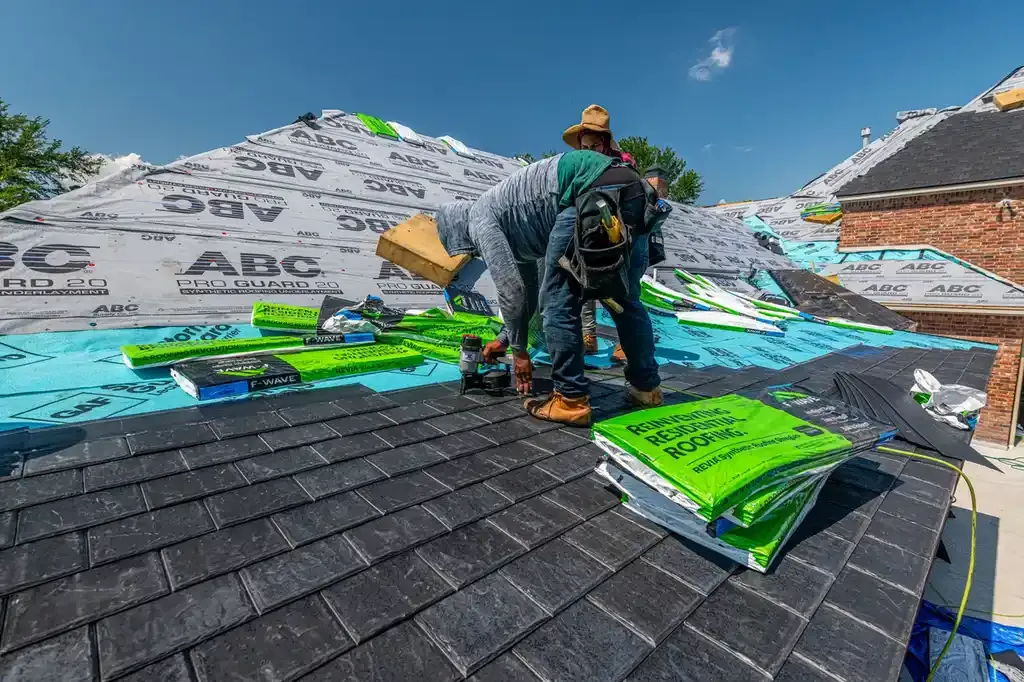
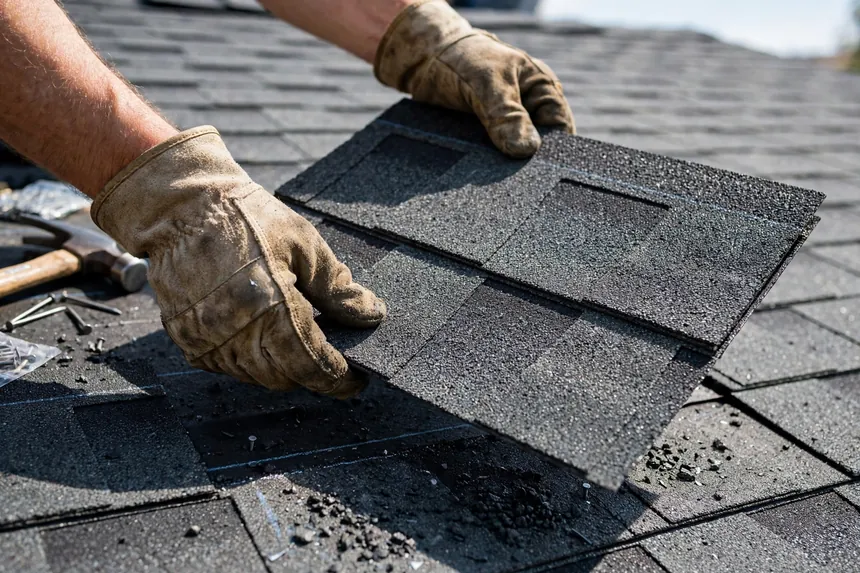
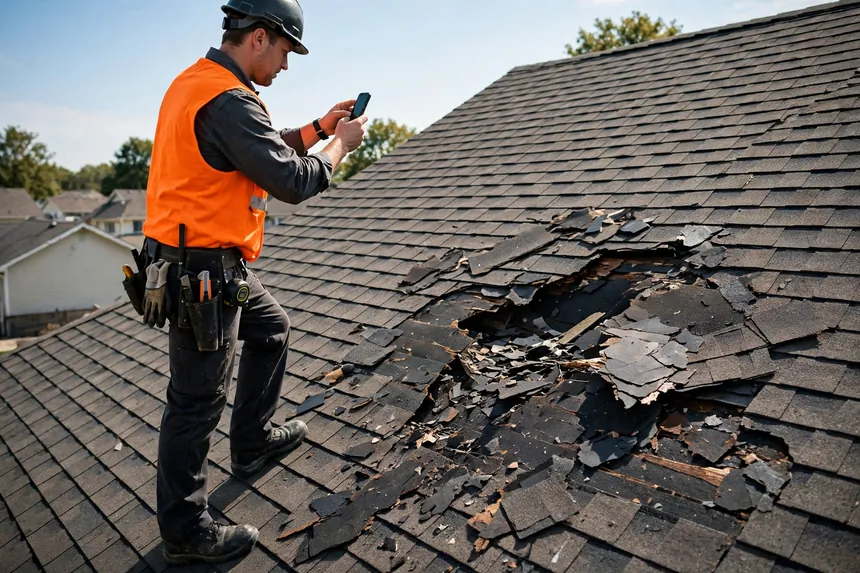
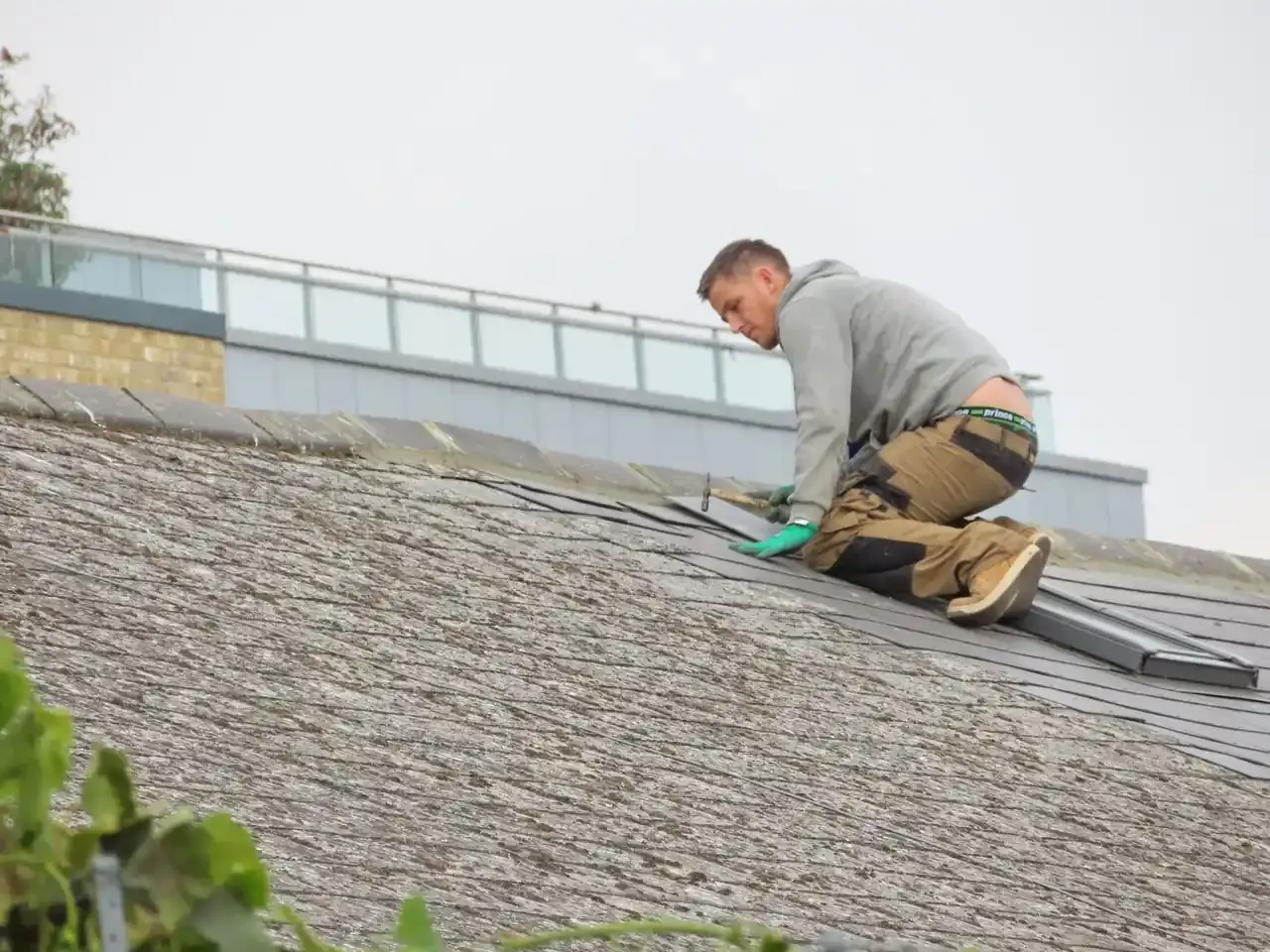
A roof overlay Tomball TX gives homeowners with one sound shingle layer a way to add new roofing without stripping the existing shingles. We inspect the roof, explain whether the deck and current covering qualify, then install a compatible layer with careful attention to edges and flashing. If you are dealing with widespread wear but the structure remains sound, a Tomball roof overlay can reduce tear-off work while improving weather protection.
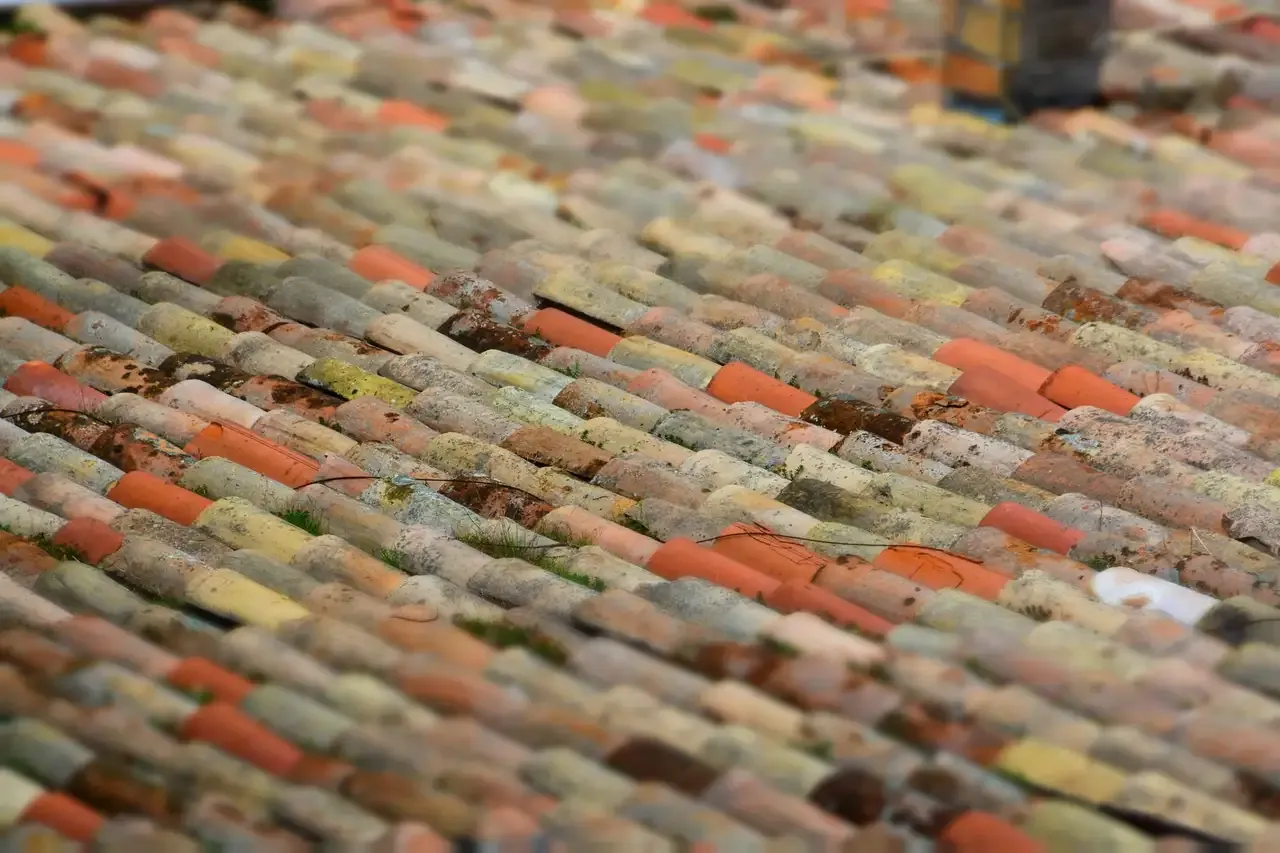
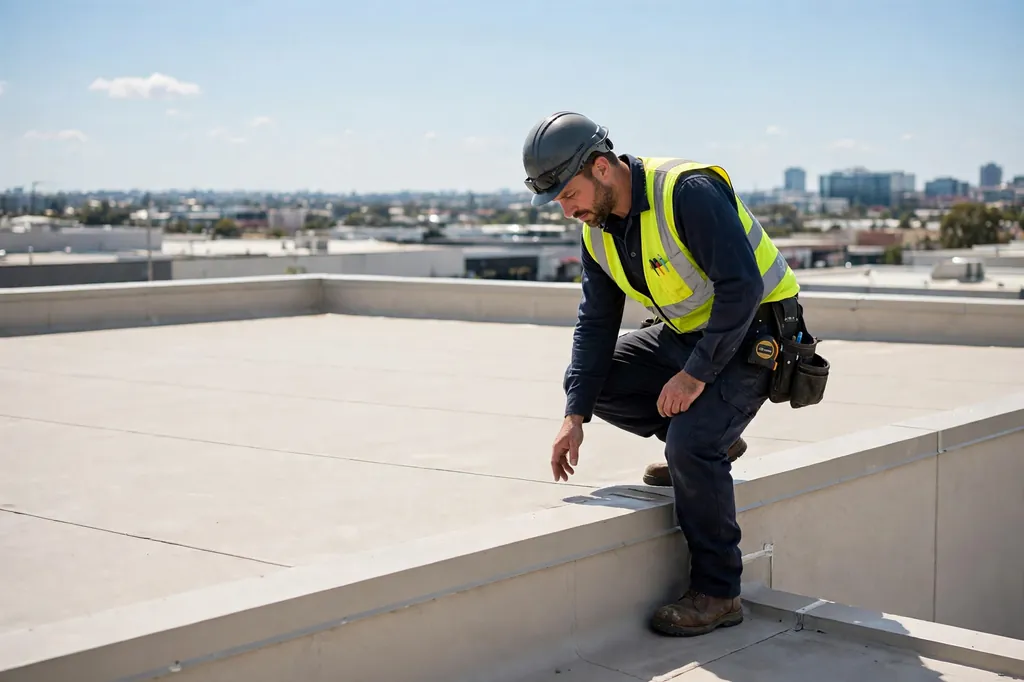
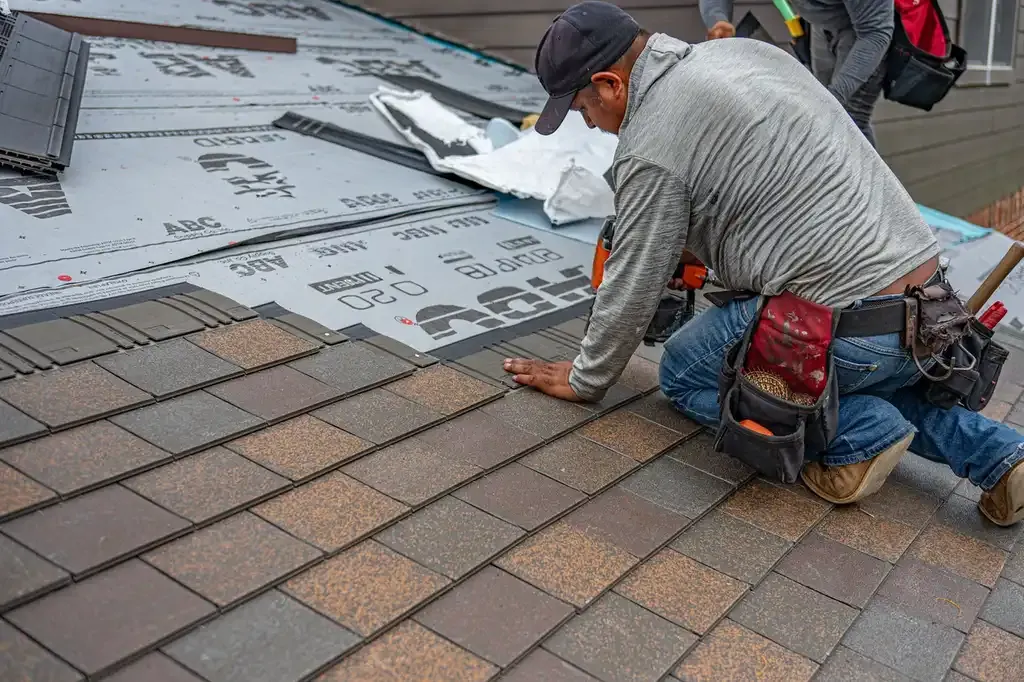
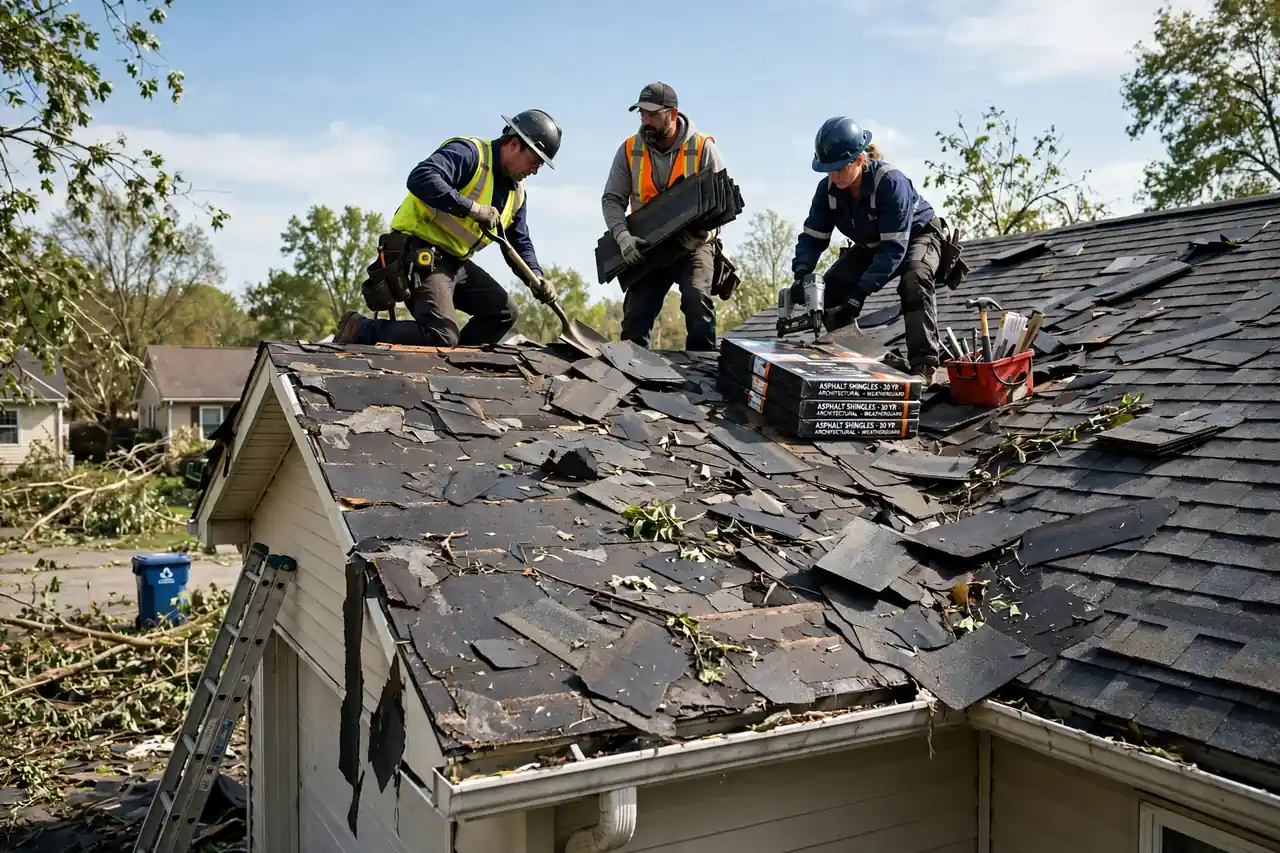
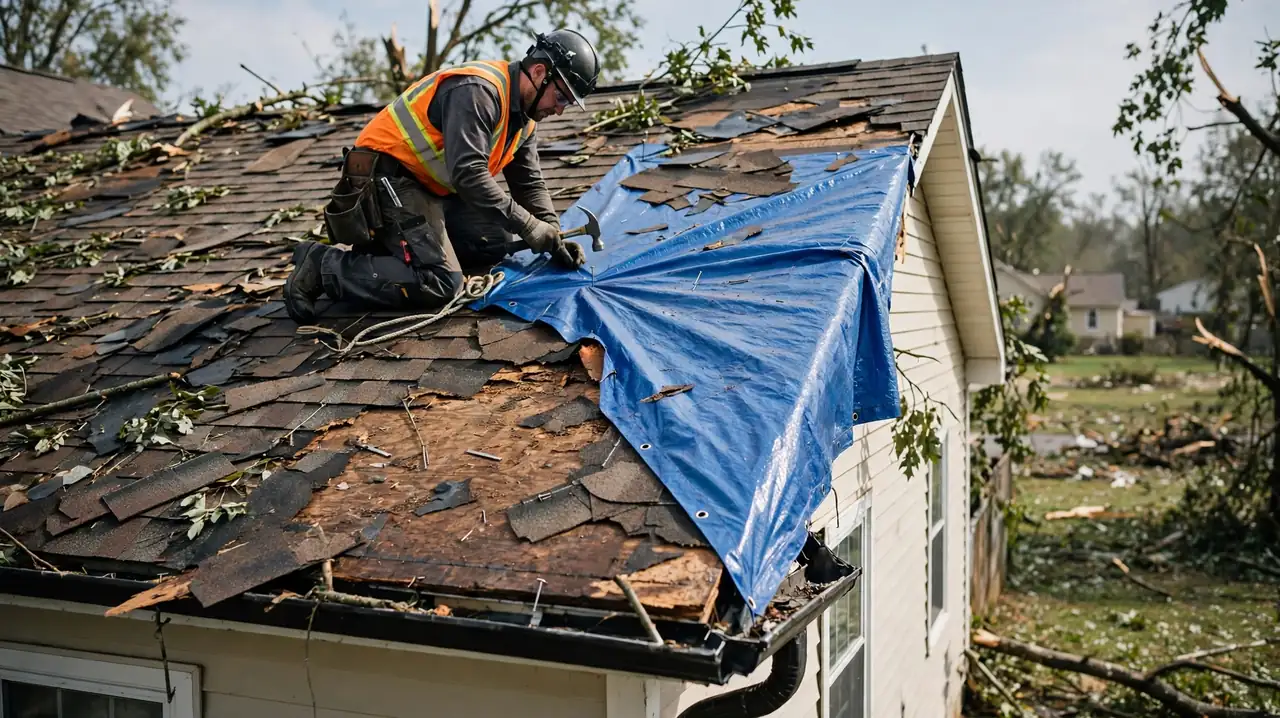
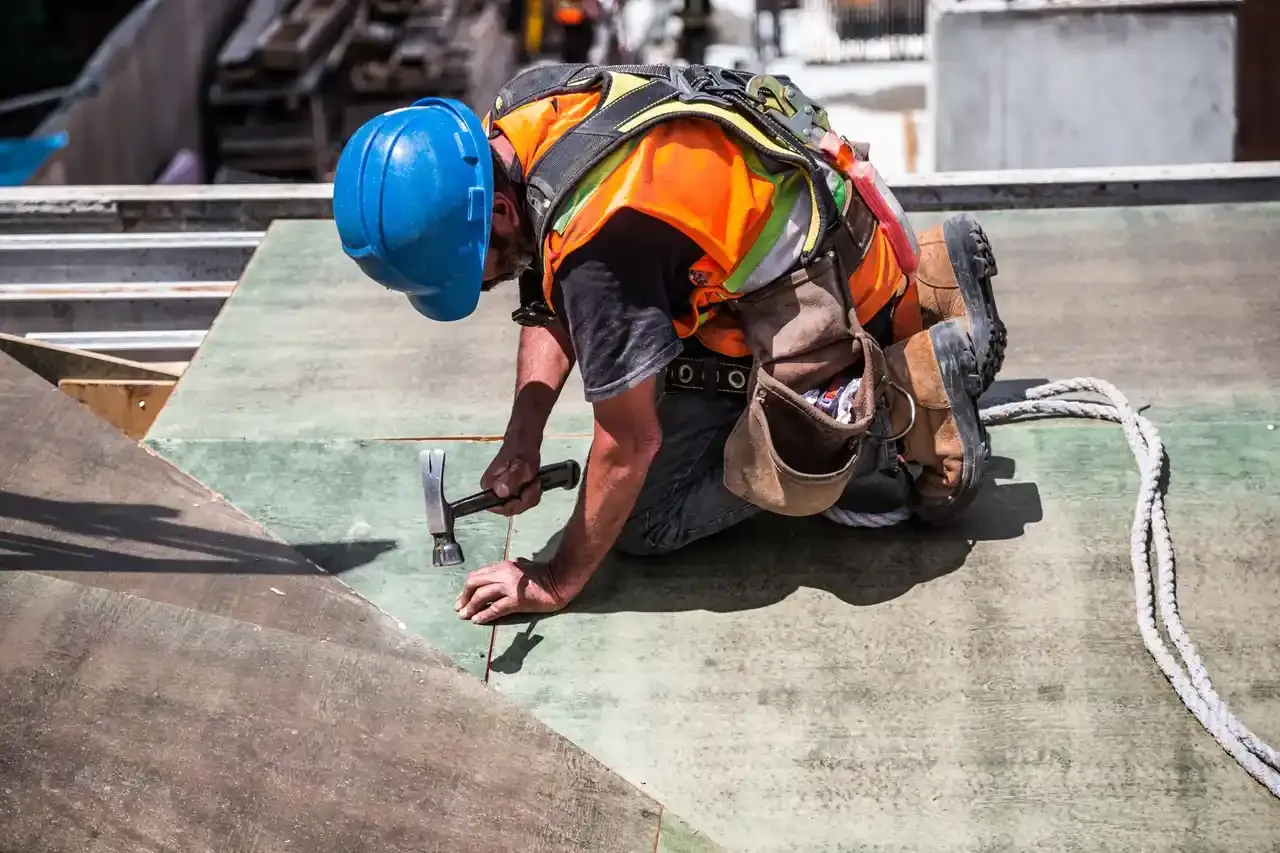
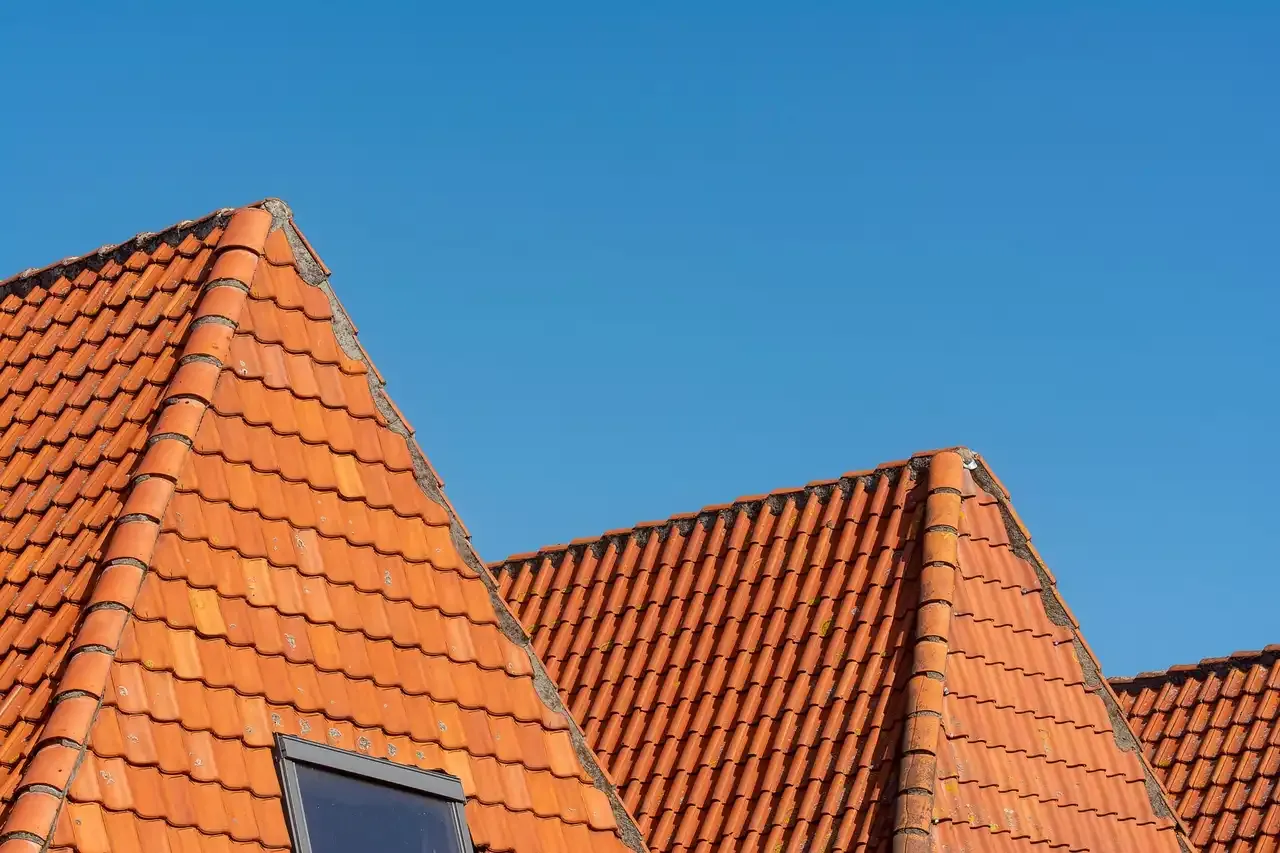
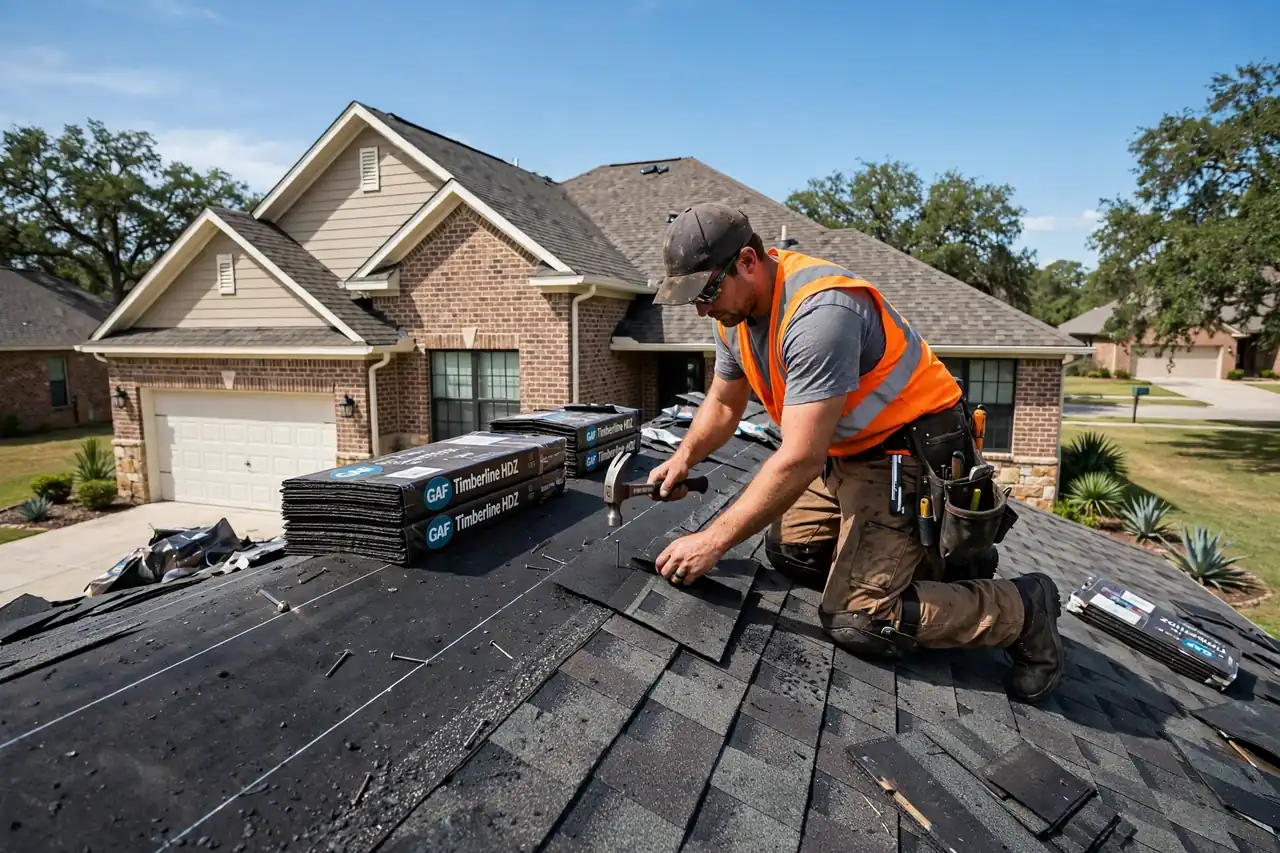
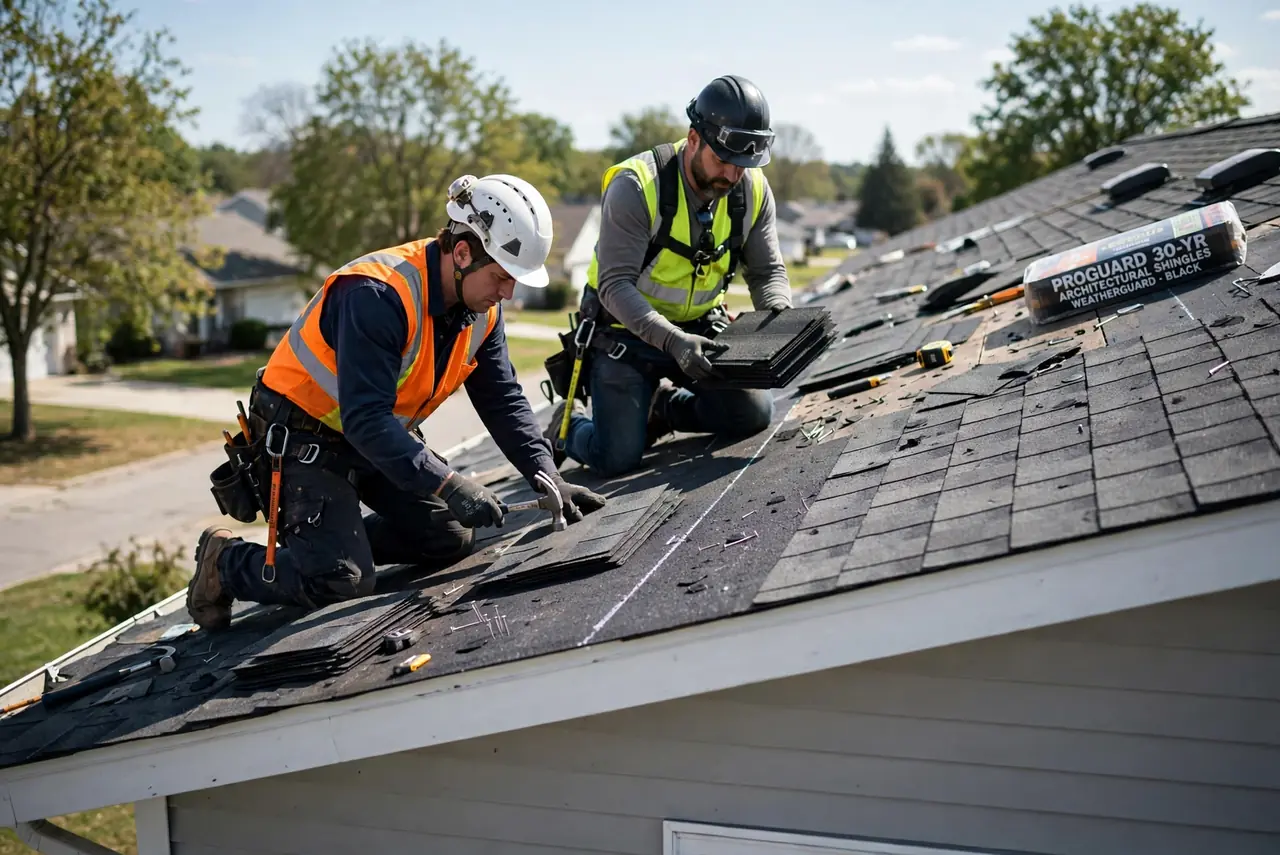
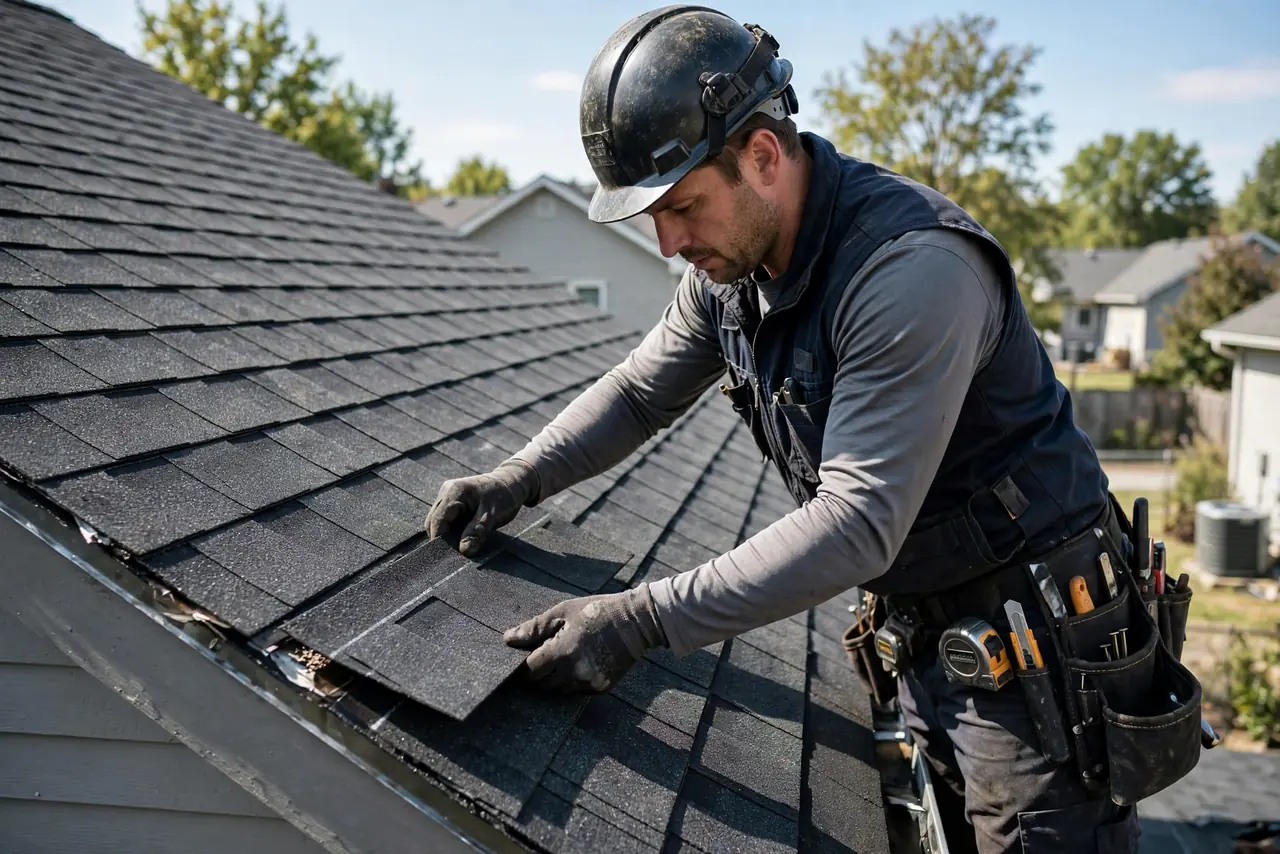
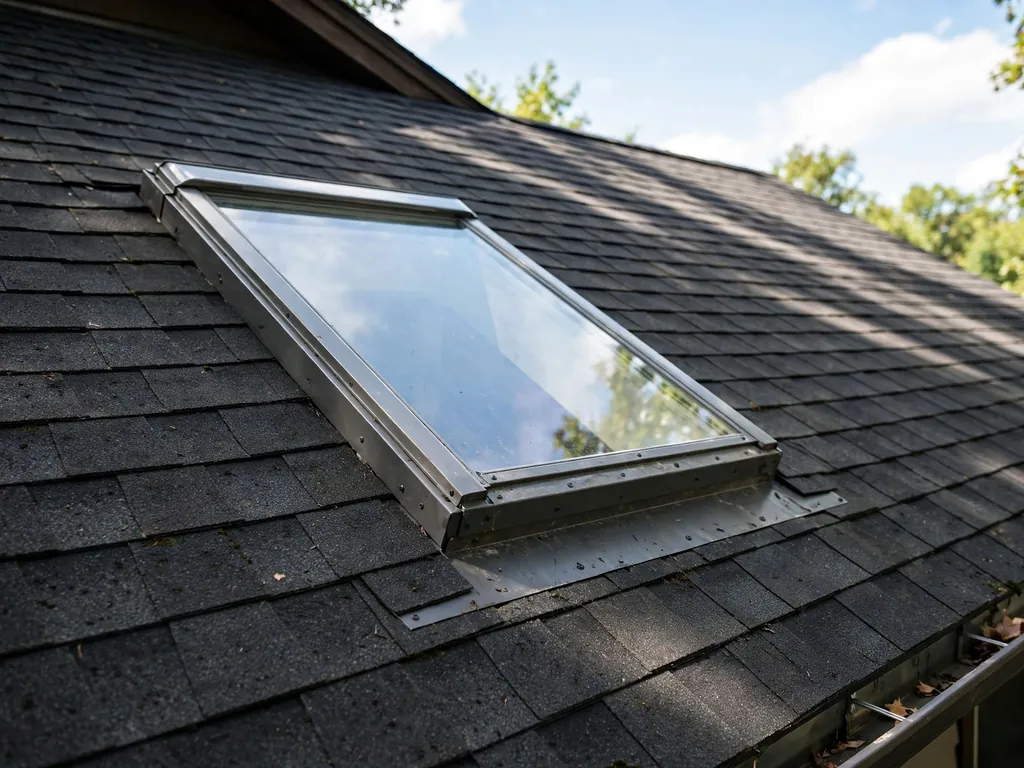
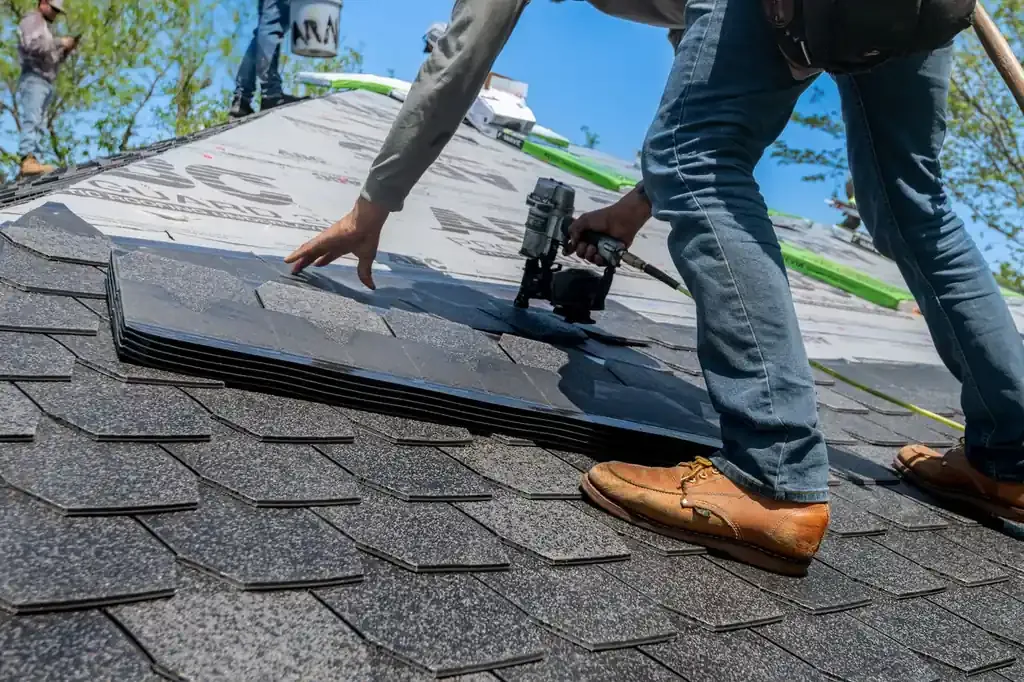
Measured layoutCourse lines checked before installation
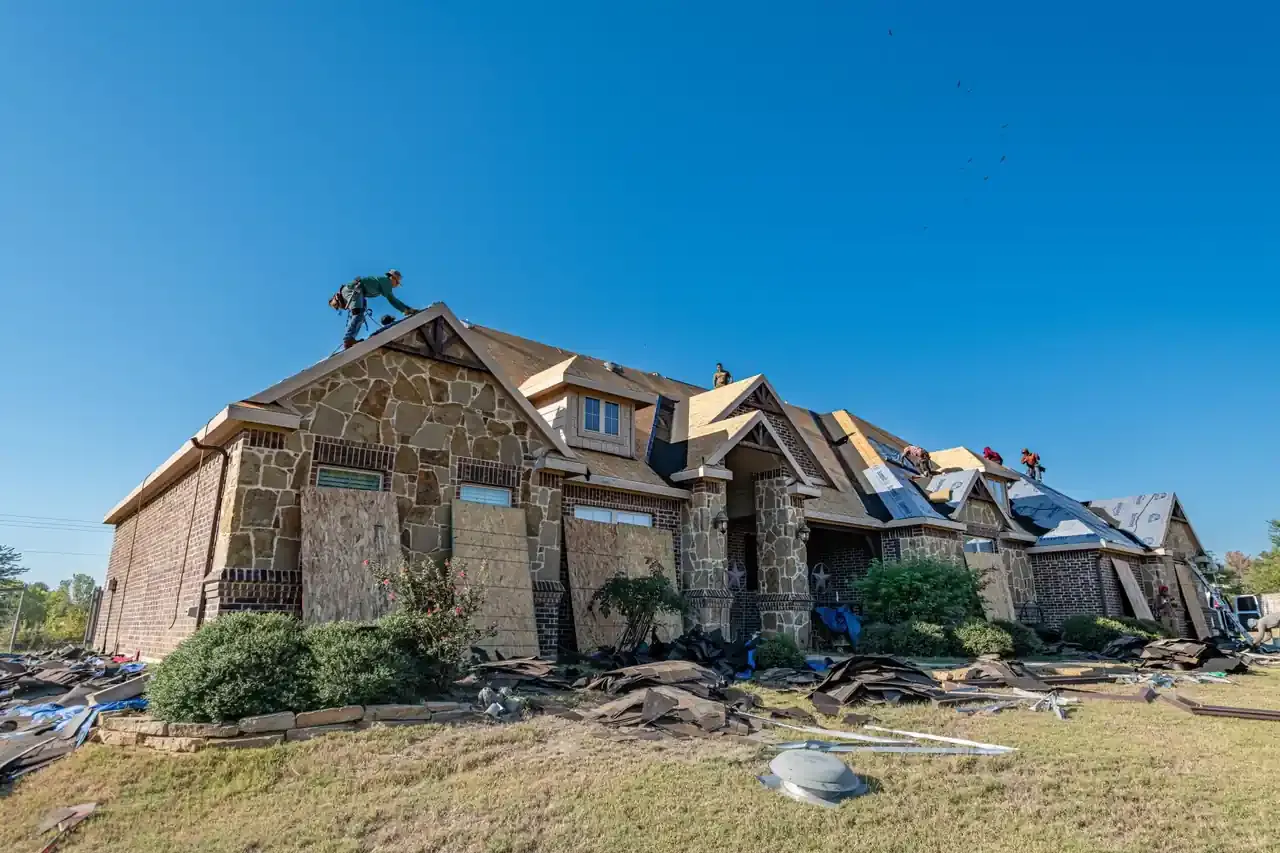
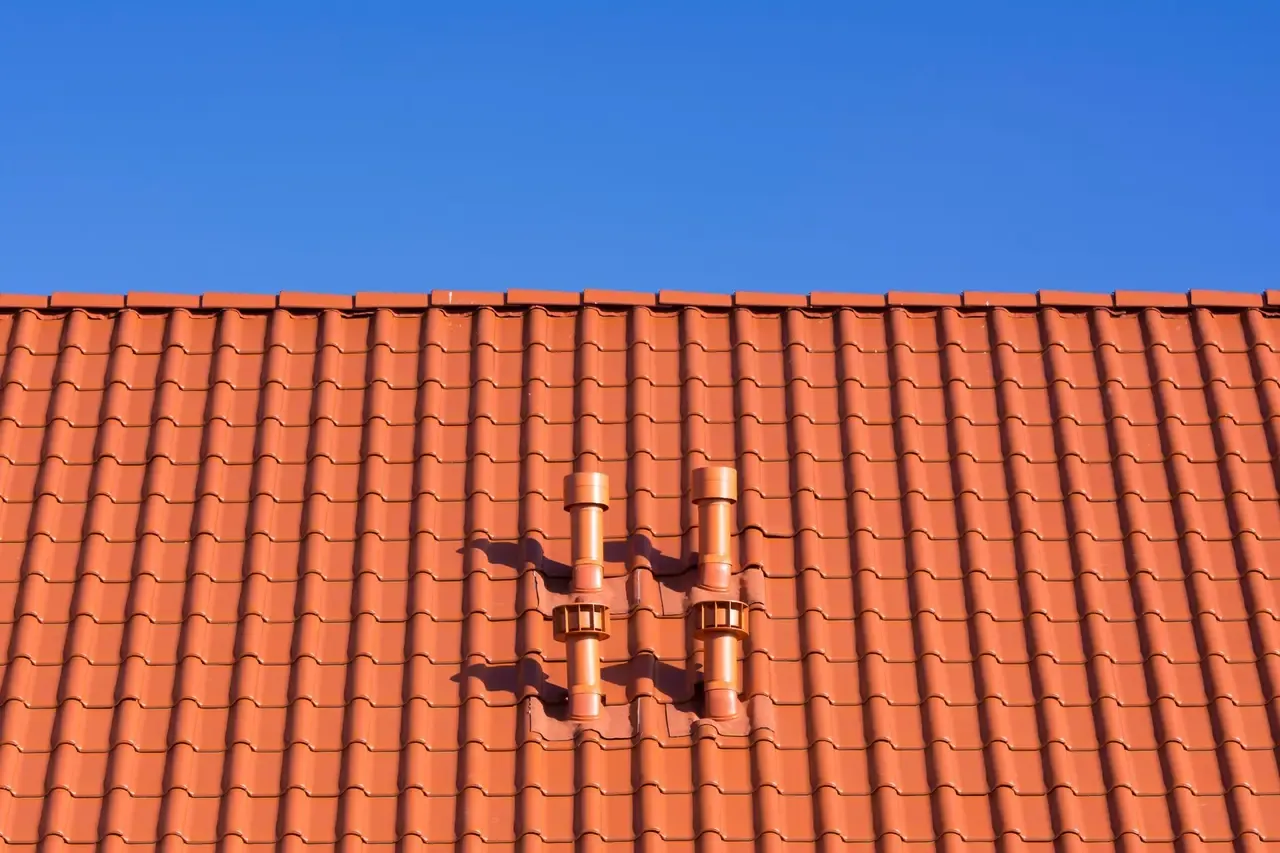
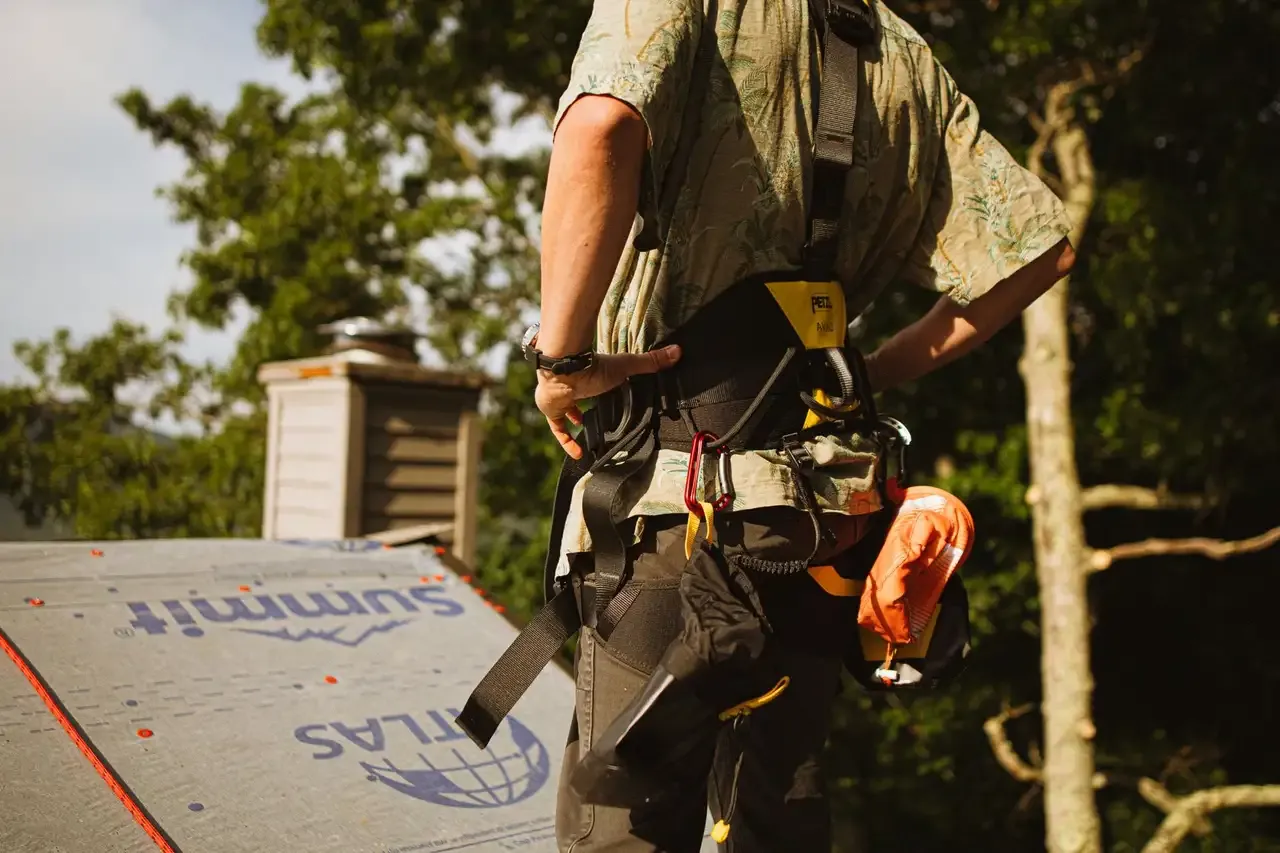
Protected accessWalkways prepared for material handling
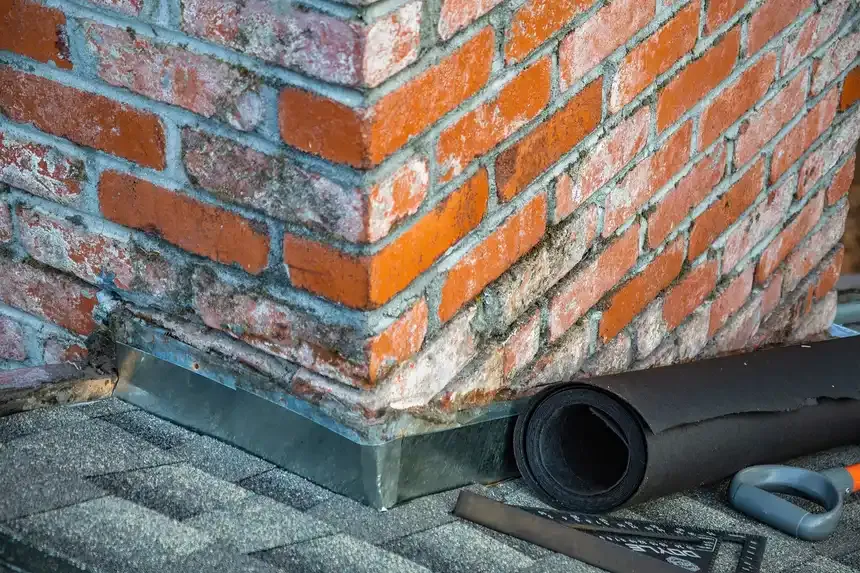
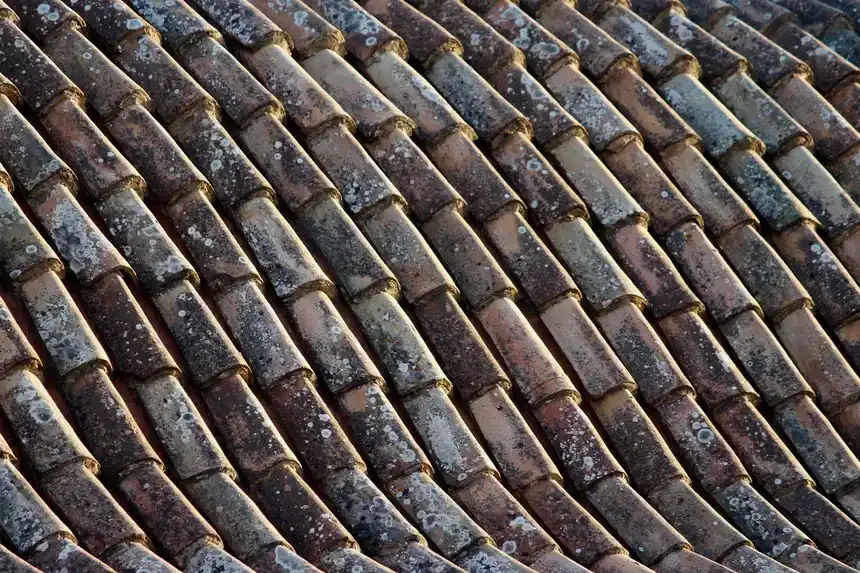
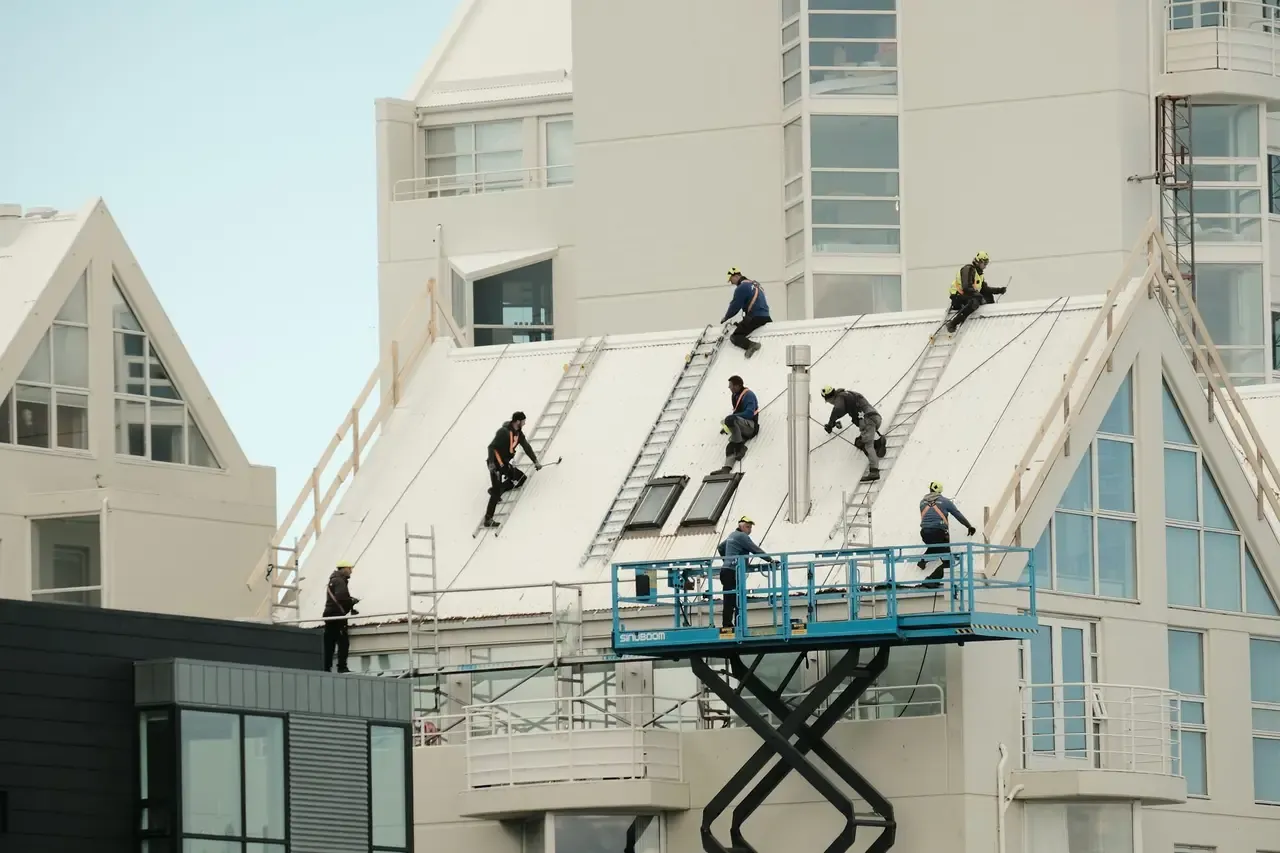
Surface reviewLoose shingles cleared before work
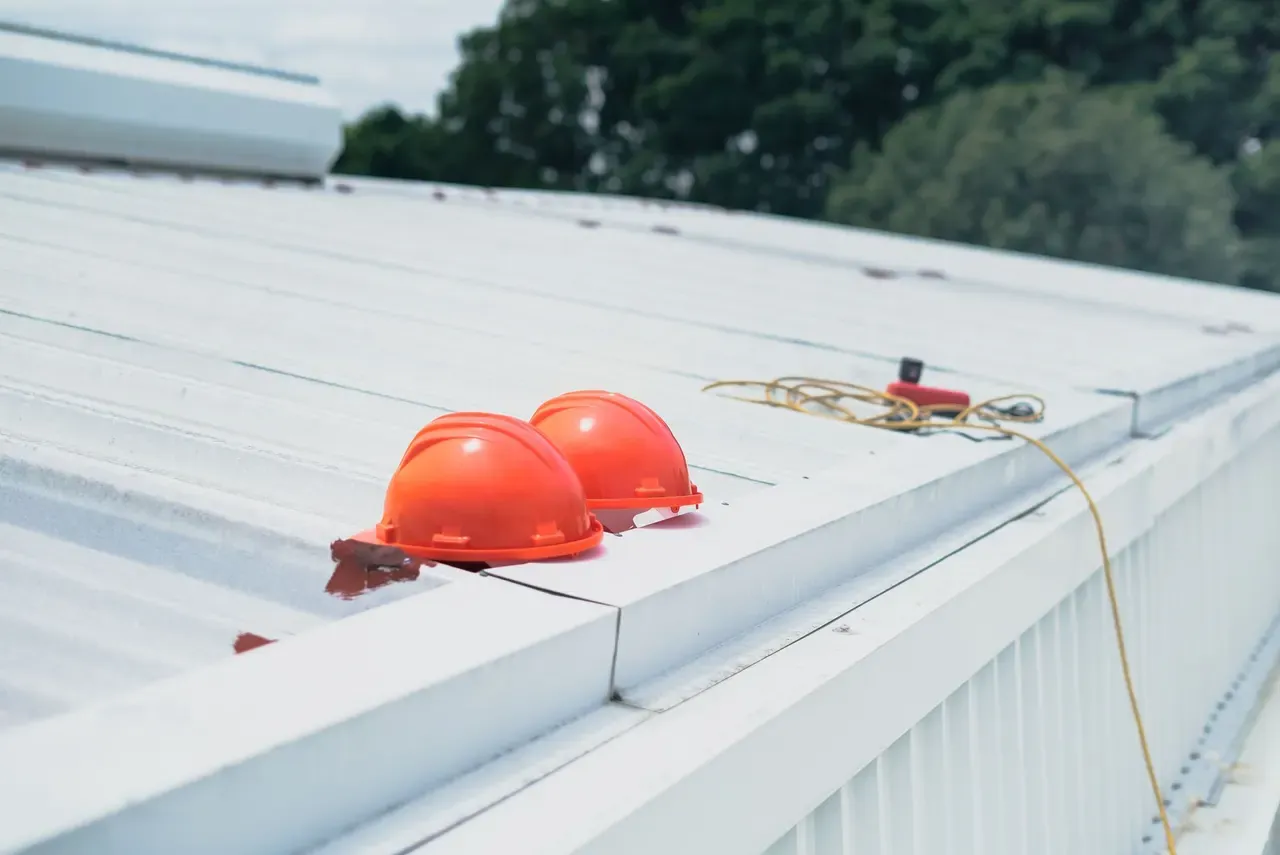
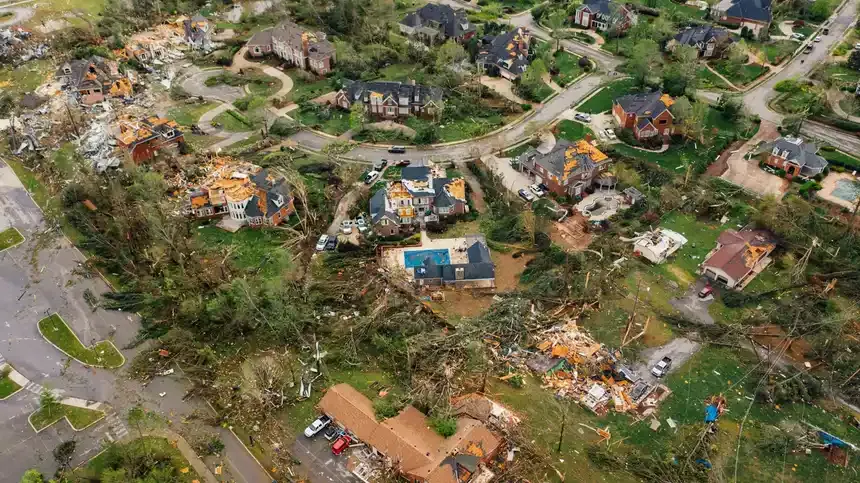
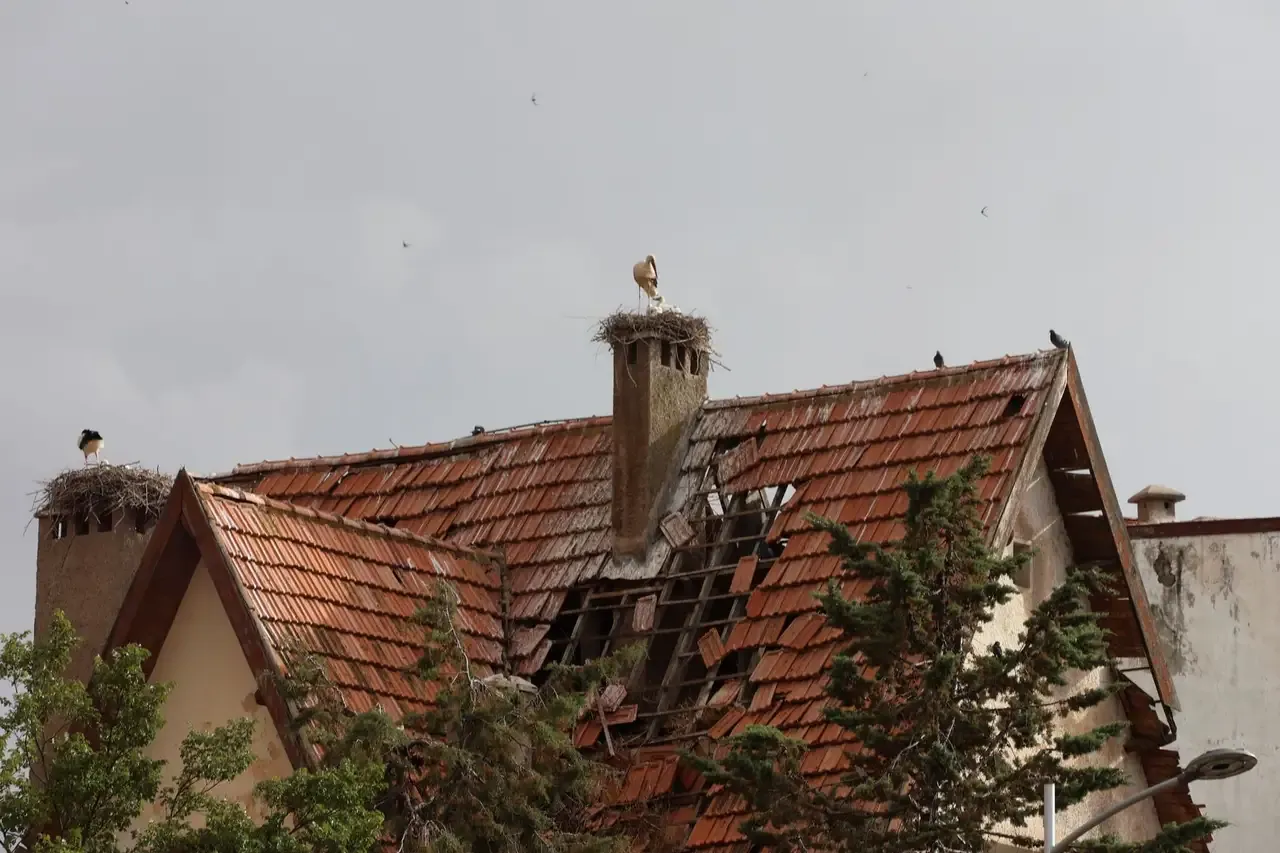
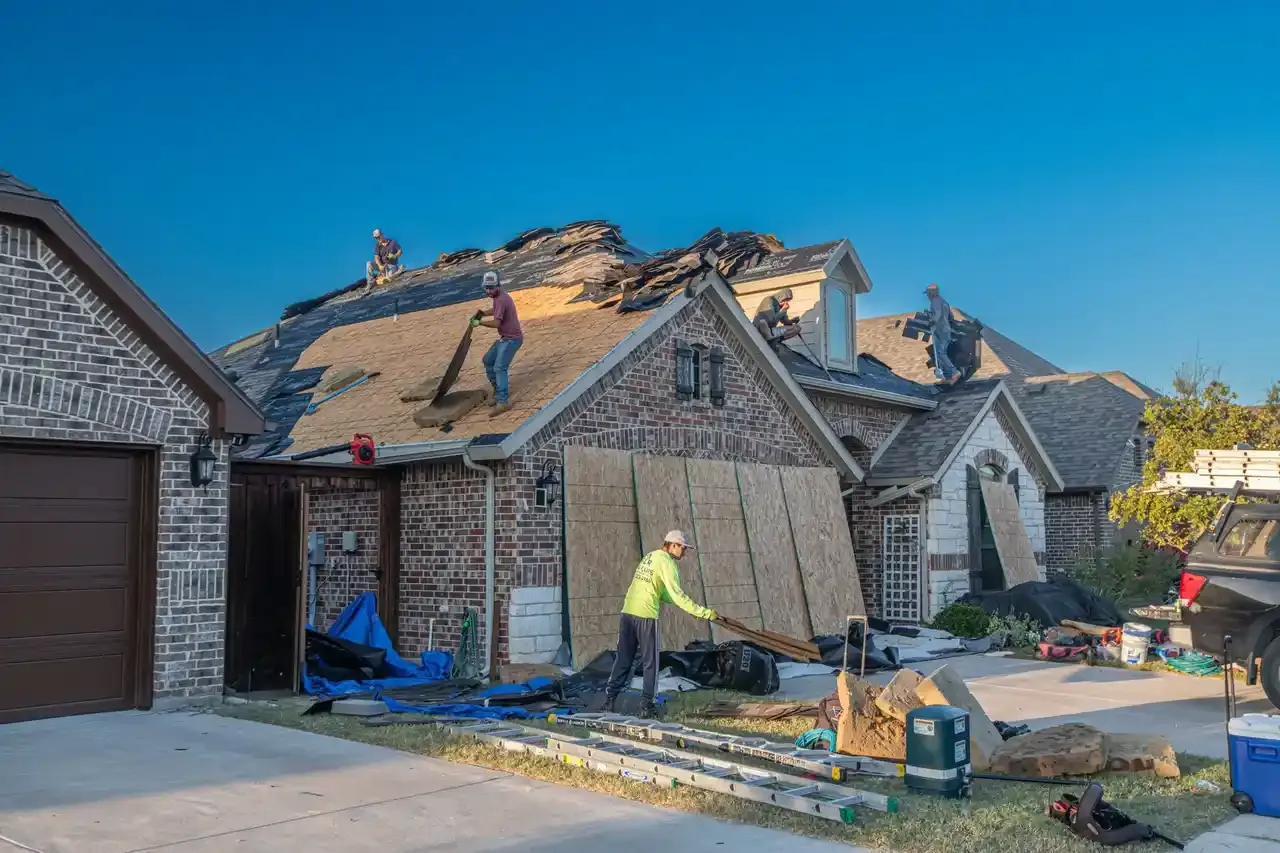
Cleanup sweepDebris collected around work areas
What a Roof Overlay Includes
An overlay includes a suitability inspection, basic surface preparation, layout, installation of compatible new shingles, detail work, and cleanup. We address loose shingles and identify flashing or decking concerns before covering the roof. Repairs to hidden rot, widespread underlayment failure, or a second existing layer require a different plan, usually tear-off and replacement. We explain those findings before the installation proceeds.
Roof Suitability Check
We confirm the existing layer count and inspect visible shingles, eaves, valleys, flashing, and accessible decking. Signs of active leaks or soft roof areas change the recommendation, because an overlay needs a stable, dry base.
Surface Preparation
We remove loose shingles, debris, and protruding fasteners, then prepare the surface for a flat installation. Proper preparation keeps irregularities from telegraphing through the new shingles and helps courses align.
Shingle Installation
We install compatible asphalt shingles using a measured layout and product-specific fastening. The work includes starter edges, field courses, and appropriate ridge finishing, with cuts made around roof penetrations.
Roof Detail Review
We check transitions at valleys, roof edges, vents, and flashing as the new layer changes roof thickness. Where a detail needs repair, we explain the required correction instead of burying a defect.
Final Cleanup
We clear roofing debris from the work area, collect loose fasteners from accessible paved surfaces, and review the finished roof with you. We also note maintenance concerns observed during the job.
Homes and Businesses.
The approach is the same for a home and a business. What changes is the access, the schedule and who needs the paperwork.
For Homes
We check your roof's existing shingle layer, eaves, valleys, and attic clues before recommending an overlay. You see which details need repair before new shingles cover the surface.
Aging shingles without active leaks
Wind-lifted tabs on one layer
Worn roof edges and ridges
For Businesses
We identify the roof system and inspect drainage, seams, and access before discussing work. You get a recommendation that fits the existing assembly rather than assuming shingles are suitable.
Low-slope membrane roof concerns
Shingle roof on a small office
Drainage issues near roof edges
Roof Overlay Tomball TX: How It Works
A plain-language look at what Roof Overlay involves and when it is needed.
roof overlay Tomball TX is a roof renewal method that installs a new layer of asphalt shingles over one existing shingle layer when the roof structure and local requirements allow it. We first check that the old surface is flat enough to support new shingles and that the roof decking is dry and sound. We also examine flashing, valleys, eaves, ridge vents, and penetrations, because a new layer cannot correct hidden rot or failed water barriers. If the roof has two existing layers, soft decking, or active leaks, a tear-off is the safer repair.
Tomball homes face hot, humid summers, heavy rain, and seasonal hail or wind that can loosen shingles and expose weak details. In neighborhoods across Harris County, we look for curling shingles, roof leaks, flashing leaks, and storm damage before recommending an overlay. Roof overlay in Tomball, Texas is suited to roofs with broad surface wear but no structural failure; it is not a shortcut around repairs. If you are comparing roof overlay cost in Tomball TX, the first cost driver is whether the deck and existing layer pass inspection.
An overlay works only when the existing shingle layer and roof base are sound.
What it is
A new shingle layer installed over one existing layer when the roof is suitable.
When it fits
The existing shingles are stable, the deck is dry, and roof details remain serviceable.
What to expect
Inspection, surface preparation, measured installation, detail checks, and cleanup.
What to Expect During Installation
Roof overlay Tomball TX work starts with a suitability inspection, not a shingle delivery. We explain what we find, prepare the roof and property, install the new layer, then check drainage and cleanup. A simple job often takes one to two days; complex rooflines, repair needs, or rain can extend the schedule.
Inspect the Roof
We walk the roof using a roofing ladder and fall protection harness, then check the existing layer, valleys, flashing, and visible roof decking. Inside, we ask about ceiling water stains or attic water damage that could point to concealed moisture. The inspection usually takes 45 to 90 minutes, depending on access and roof size, and ends with a direct overlay-or-tear-off recommendation.
Layer count
Deck check
Leak clues
Prepare the Surface
Before installation, we remove loose shingles, protruding nails, and debris, then correct small surface irregularities that would prevent the new course from lying flat. We protect plants and access paths and confirm the roof is dry. If we find roof decking rot or widespread underlayment failure, we stop overlay preparation and explain the repair needed.
Clear surface
Remove loose parts
Protect access
Set Layout and Details
We use a chalk line and roofing square to establish straight courses, then plan starter edges, valleys, ridges, and penetrations. Flashing details receive particular attention because an added shingle layer changes roof thickness at eaves and walls. We select compatible asphalt shingles and fasteners according to the product instructions and the roof's existing configuration.
Set courses
Check transitions
Plan details
Install New Shingles
Our crew installs each course with a roofing nail gun, checking alignment and fastening as the work advances. We cut shingles around vents and other penetrations with a utility knife, then finish edges and transitions to shed water. A typical accessible roof takes one to two working days, while steep slopes and multiple valleys require additional time.
Fasten shingles
Cut openings
Finish ridges
Check and Clean Up
We inspect ridges, eaves, valleys, and flashing for consistent installation, then clear roofing debris from the property. A magnetic sweep helps collect loose fasteners from paved areas, and we review the completed roof with you. You receive a summary of the work and any maintenance items we observed, including areas that need monitoring.
Inspect details
Collect debris
Review work
Tools and Installation Methods
Move across a circle, or focus it and press Enter, for an illustrative thermal view of the photograph.
Roofing Ladder
We use a properly positioned roofing ladder to access the roof and move materials safely while inspecting eaves, ridges, and valleys.
Moisture Meter
We use a moisture meter to investigate suspicious damp areas and support decisions about whether the existing roof is dry enough for overlay work.
Chalk Line
A chalk line establishes straight course references across the roof, helping the crew keep the new shingle rows aligned from eave to ridge.
Roofing Nail Gun
We use a roofing nail gun for consistent shingle fastening, adjusting placement to the product instructions and roof details.
Shingle Ripper
A shingle ripper helps remove damaged or loose shingle sections during preparation and repair without disturbing sound areas unnecessarily.
Thermal views are illustrative, generated from the photographs.
Methods
Existing-layer suitability inspection
We count existing shingle layers and check for flatness, moisture, deterioration, and visible roof-deck issues. An overlay proceeds only when the base is stable and local requirements allow it. If conditions fail, we recommend repair or tear-off rather than covering the problem.
Course layout and fastening
We establish reference lines and follow the shingle manufacturer's installation pattern, fastening requirements, and exposure dimensions. Correct layout matters because uneven courses can create weak transitions, particularly where the roof changes pitch or meets a valley.
Water-shedding detail review
We inspect eaves, valleys, ridges, vents, and flashing as separate water-control points. Added roof thickness changes how some edges meet, so we plan transitions before laying the field shingles. We correct unsuitable details before completing the overlay.
Applicable code and product checks
We consider applicable IBC and IRC provisions, local requirements, and manufacturer instructions when planning the roof work. Those checks help determine whether the existing assembly can accept another layer and how the new shingles should be installed.
When an Overlay Makes Sense
Worn Surface
A Tomball home has one intact shingle layer, but years of sun have dulled and worn the surface.
We inspect the roof for layer count, curling, soft areas, and water entry, then verify that the shingles can support a new layer. If eligible, we prepare the surface and install compatible shingles with planned courses and finished edges.
Outcome: You get a renewed shingle surface without removing a sound existing layer, while avoiding the cost and debris of a full tear-off.
Storm Wear
After a windy storm near Willow Creek, a homeowner sees loose tabs but no ceiling stains.
We check for wind damage, missing shingles, and exposed decking, then inspect the attic or accessible roof areas for moisture clues. We repair storm-related defects first and recommend an overlay only if the existing layer remains stable.
Outcome: The roof receives the repair it actually needs, and any overlay decision is based on the condition beneath the visible damage.
Budget Planning
A homeowner in Amira wants a lower-disruption option before a planned roof renewal.
We compare overlay and tear-off after inspecting the current shingles, roof edges, and ventilation. If the surface qualifies, we explain the material and installation plan; if not, we show which defects make replacement necessary.
Outcome: You can choose a roof plan with a clear understanding of what stays in place and what the roof still needs.
Chimney Leak
A small leak appears near a chimney on an otherwise aging Tomball roof.
We trace the leak to its source and inspect the chimney flashing, nearby shingles, and decking. We repair the water-entry detail before considering an overlay, because covering failed flashing would leave the leak unresolved.
Outcome: The source gets direct attention first, preventing a new shingle layer from hiding an active water path.
Old Town TomballAmiraWillow Creek
How Overlay Work Runs in Tomball
Roof overlay in Tomball, Texas needs a close look at heat exposure, rain drainage, and storm wear before shingles go down. Summer heat can age asphalt shingles, while humid conditions make hidden moisture and roof decking rot important inspection points. We also check wind and hail damage after storms, especially around ridges, valleys, and exposed roof edges.
In neighborhoods such as Old Town Tomball and Amira, roof shapes and access vary from house to house, so we plan materials and setup for the actual roof rather than assume a standard layout. We follow applicable building requirements and manufacturer instructions, and we confirm that the existing roof has only one layer and a sound base. If an overlay is unsuitable, we explain the repair or tear-off needed.
Old Town Tomball: We account for varied roof shapes and access around established homes, checking transitions and older flashing before deciding whether a new shingle layer fits.
Amira: We inspect eaves, valleys, and attic moisture clues before covering the existing shingles, particularly after heavy rain or wind.
Willow Creek: We check exposed ridges and roof edges for lifted tabs, then assess whether the remaining shingle layer is stable enough to overlay.
Tomball Town Center: We plan material staging and roof access carefully, keeping driveways and walkways clear while the crew prepares the roof surface.
Hot, humid weather speeds shingle aging and complicates moisture checks: We look for brittle or curling shingles and signs of trapped moisture before installation. A roof must be dry and stable; damp decking or softened areas need investigation instead of another shingle layer.
Heavy rain tests valleys, flashing, and roof drainage: Water concentrates at valleys and penetrations, so these details receive inspection before an overlay. We correct active leaks first and confirm that gutters and roof edges can move runoff away from the home.
We walk through the roof condition and explain visible concerns.
We protect access areas and organize materials before roof preparation.
We check finished details, clear debris, and review next steps.
From Problem to Finished Result.
IllustrativeThe thermal view is generated from the photograph. It is not a measurement. Drag the handle, or use the arrow keys once it is focused.
Worn Shingles, Sound Roof Base
Before: A homeowner in Tomball had one aging shingle layer with widespread fading and a few curled edges. The attic showed no active water stains, but the roof needed a close look at valleys and eaves before another layer could be considered. Several loose areas also needed preparation.
After: We confirmed the deck was firm and dry, prepared the loose edges, and installed new shingles across the eligible roof. The work took two days, including detail checks and cleanup. Straight course lines and finished ridges gave the home a renewed surface without removing the intact base layer.
Check visible shingles and gutters after major storms, and schedule a roof inspection each year. Watch for new ceiling stains or lifted edges; early attention helps keep a small detail from becoming a leak.
Storm Wear at Roof Edges
Before: After strong winds, a home near Willow Creek had several lifted tabs and worn edges, though there were no interior stains. The homeowner wanted an overlay, but the crew first needed to confirm the existing layer count and check whether the wind had exposed the roof deck.
After: We found one existing layer and no exposed or soft decking, then corrected loose areas and completed the overlay in about a day and a half. The new shingles covered the prepared field, and we checked the eaves and ridges for secure transitions before reviewing the work with the homeowner.
Look over the roof from the ground after high winds and report missing or displaced shingles promptly. Keep gutters clear so runoff does not back up against roof edges.
Leak Required a Different Fix
Before: A Tomball homeowner had a roof leak near the chimney and hoped new shingles would solve the problem. Inspection found failed flashing and damp decking at the transition. An overlay would have concealed the water path without correcting the underlying cause.
After: We repaired the chimney flashing and affected decking, then determined that the remaining roof was not a suitable candidate for a simple overlay. The homeowner received a clear replacement recommendation based on the exposed conditions, rather than paying to cover a leak that needed direct repair.
Check attic spaces for fresh water stains after heavy rain, especially near chimneys and valleys. Keep records of roof repairs and arrange an inspection if staining returns.
Problems a Qualified Overlay Can Address
A roof overlay can renew a worn shingle surface, but it is not a cure for every roof problem. We inspect first to separate cosmetic aging from leaks, damaged decking, or failed flashing. Homeowners searching for same-day roof overlay Tomball should know the roof still needs a suitability check before installation.
Worn shinglesWidespread shingle aging without structural roof damageA tired surface can shed granules and lose reliable weather coverage, leaving the home vulnerable as rain and wind work under weak edges. We inspect the shingle layer and roof base, then overlay only if the roof is stable, dry, and has one existing layer. We prepare loose areas and install new shingles with attention to courses, eaves, and ridges. If the base is compromised, we explain why replacement is the sounder fix.
Uneven surfaceCurling shingles creating uneven areas across the roofRaised or distorted shingles can stop new courses from lying flat, creating gaps and weak fastening points where water and wind can get beneath the surface. We check how widespread the curling is and whether the existing shingles can support a new layer. Loose or isolated defects are addressed during preparation where appropriate; extensive distortion rules out an overlay. We will not cover a surface that cannot provide a stable installation base.
Flashing leakFlashing leaks around chimneys, vents, or roof valleysWater entering at a transition can travel beneath shingles and damage roof decking, insulation, or interior ceilings before the leak becomes obvious. We trace the likely entry point and inspect the flashing before deciding on an overlay. A failed transition needs direct repair or replacement, not another layer of shingles. Once the water path is corrected and the roof is dry, we determine whether the remaining surface qualifies.
Storm damageStorm-worn shingles with a sound underlying roofHail or wind can leave exposed areas and loose tabs, increasing the chance of leaks during the next heavy rain and making the roof look uneven. We document visible storm damage, check the existing layer, and assess the deck and details. If the roof remains structurally sound and has one layer, an overlay may renew the surface. Extensive impact damage or moisture calls for repair or tear-off instead.
Practical Benefits for Your Roof
Renew a suitable shingle roof without removing its intact existing layer.
Less Tear-Off Work
Keeping one serviceable shingle layer in place avoids removing every old shingle and hauling that material away. The reduced tear-off can mean fewer disposal loads and less disruption around your driveway. We still remove loose pieces and prepare the surface so new shingles can seat correctly; an overlay is never installed over an uneven or damaged roof.
A Shorter Work Window
A straightforward overlay on an accessible roof often takes one to two working days, subject to roof size, weather, and detailing. That can limit the time your home is exposed to active roofing work. We plan around rain forecasts and secure the roof at each workday's end rather than leaving exposed sections.
Renewed Shingle Protection
New asphalt shingles create a fresh outer surface that sheds rain and covers worn, intact shingles beneath. We pay close attention to valleys, eaves, ridges, and roof flashing, where water finds weak points first. A Tomball roof overlay is useful when the old layer is aged but still stable and dry.
A Useful Budget Option
An overlay can cost less than a complete tear-off when the roof needs no decking or structural repairs. The savings disappear if moisture, rot, or multiple shingle layers are concealed underneath, so we inspect before advising. For homeowners seeking affordable roof overlay in Tomball, Texas, suitability matters more than simply covering the existing roof.
What You Receive
Clear records you can keep and share.
Photo Log
Images of inspected roof areas and completed details
Work Summary
Description of installation and preparation completed
Material Record
Shingle product details used for the job
Care Notes
Observed maintenance items and roof areas to monitor
Overlay or Tear-Off?
The condition beneath the visible shingles determines which approach protects your roof properly.
Overlay
Adds shingles over one suitable existing layer.
Sound existing surface
Dry roof base
Less tear-off work
Repair
Corrects a localized roof defect directly.
Leak source identified
Flashing corrected
Damaged shingles replaced
Tear-Off
Removes old roofing to expose the roof base.
Multiple existing layers
Decking needs repair
Widespread moisture found
Roof Components
Asphalt shingles
Roof decking
Roof flashing
Roof underlayment
Ridge vents
Drip edge
Roof valleys
Roof sealant
Service ZIP Codes.
A list like this tells people straight away whether you cover their street. Not listed? Call and ask: it only takes a minute.
We had aging shingles but no active leak, and wanted to know whether a full tear-off was necessary. The crew checked the roof edges and valleys, explained why the single layer was still suitable, and completed the overlay in two days. They also cleared the driveway carefully and showed us the finished ridge and flashing work.
After a windy week, several shingles were curling and the roof looked tired. Tomball Roofing Experts inspected the deck and found no soft areas, then walked us through the overlay plan. The new shingles line up cleanly, and the crew pointed out the chimney flashing they checked before wrapping up.
I called because I wanted a clear answer about covering our old shingles. They explained that an overlay would work only if the existing layer was sound, then checked the attic clues and roof surface. The work took about a day and a half, and cleanup included a careful sweep around the driveway.
Frequently Asked Questions
Steep slopes, multiple valleys, difficult access, and flashing corrections raise labor needs; sound, accessible roofs with one existing layer cost less to prepare. We inspect before pricing because decking damage or a second shingle layer can make tear-off necessary. Upfront pricing reflects the actual roof conditions.
Most straightforward homes take one to two working days for installation, with inspection and preparation adding time before the crew starts. Roof area, pitch, valleys, chimney details, and rain conditions affect the schedule. We inspect first, then explain the likely work sequence so you know when the roof will be active and when cleanup happens. We do not cover a wet surface or leave unfinished roof sections exposed overnight.
Choose a Tomball roofer who checks layer count, decking condition, ventilation, and flashing before recommending an overlay. We explain the inspection findings and tell you when roof replacement is safer than adding shingles. Ask how the crew will address valleys, eaves, and roof penetrations, and whether the proposed materials follow manufacturer instructions. A suitable recommendation should account for the roof's actual condition, not just the lowest initial price.
An overlay is worth considering when your home has one stable shingle layer, dry decking, and no widespread leaks or structural damage. It avoids full tear-off and can renew the roof surface, but it does not repair concealed rot or correct failed underlayment. We check the roof before advising. If the structure or existing layer is compromised, a tear-off and repair provide a more dependable foundation for new shingles.
If your shingles are worn but the roof remains stable, we can inspect the surface, check for hidden concerns, and explain whether an overlay fits. Call Tomball Roofing Experts at (877) 791-3217 to arrange a roof assessment and discuss upfront pricing.
Call (877) 791-3217 to discuss Roof Replacement, Roof Repair, a leak, or storm damage at your Tomball property. Our phone team can hear the details and connect your request with an independent roofing company. Contact us during regular business hours, Monday through Friday, 8 a.m. to 6 p.m.; for active water entry, describe where it is happening when you call.