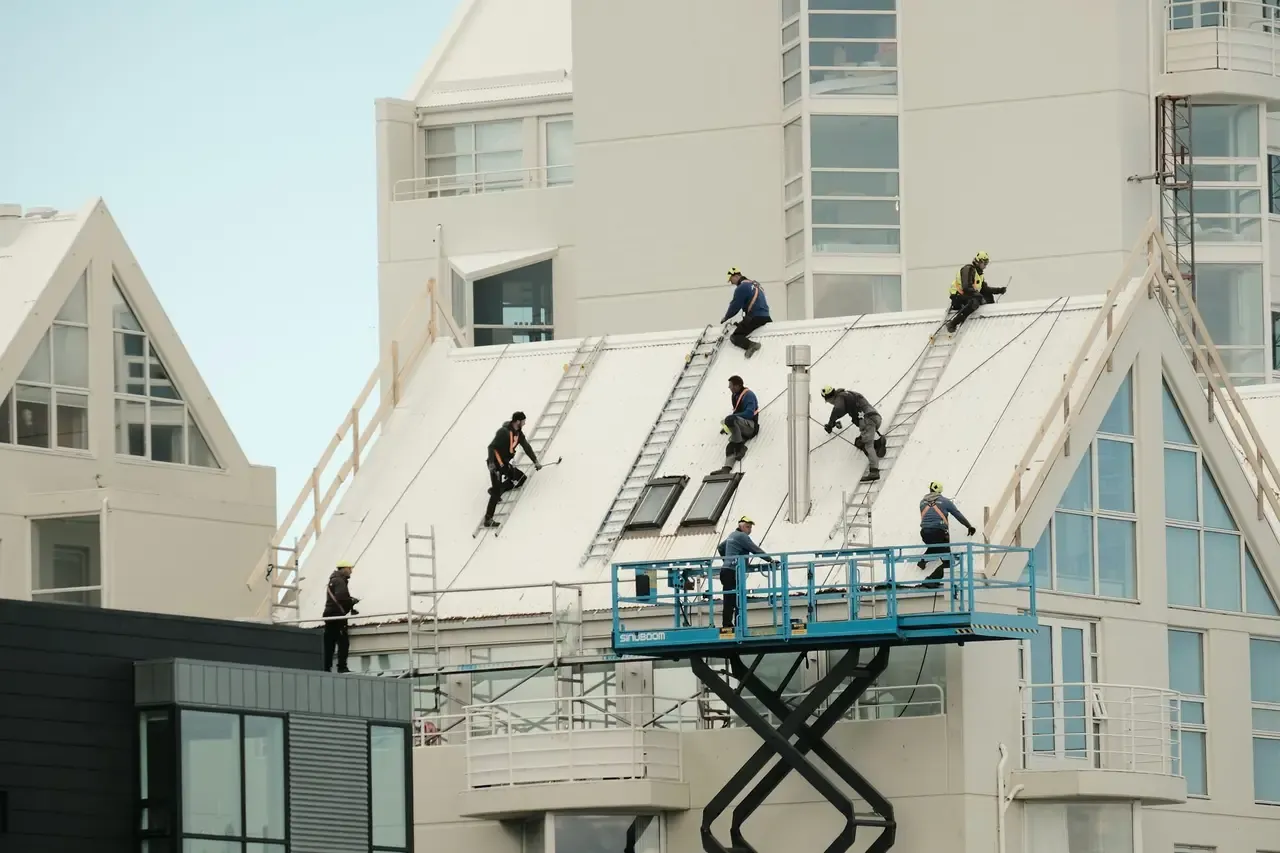
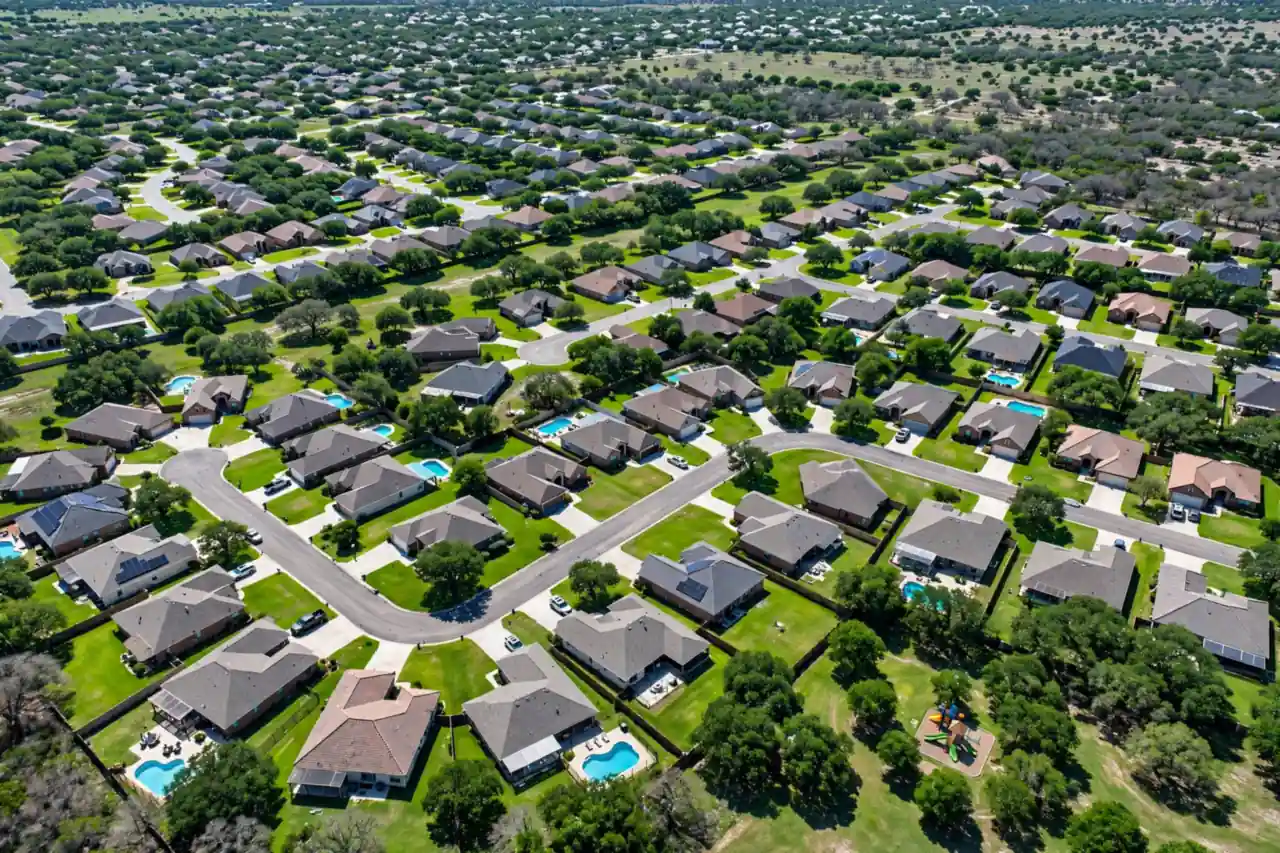
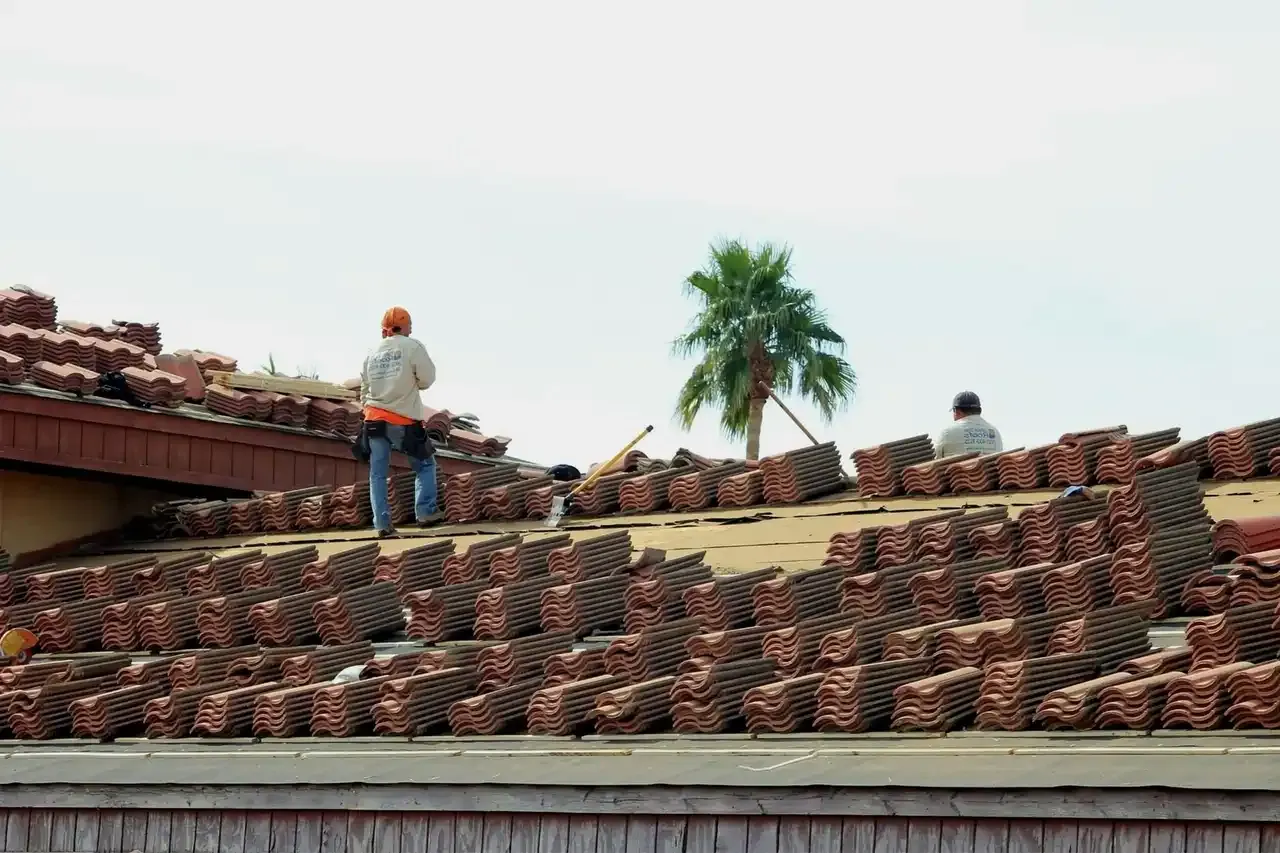
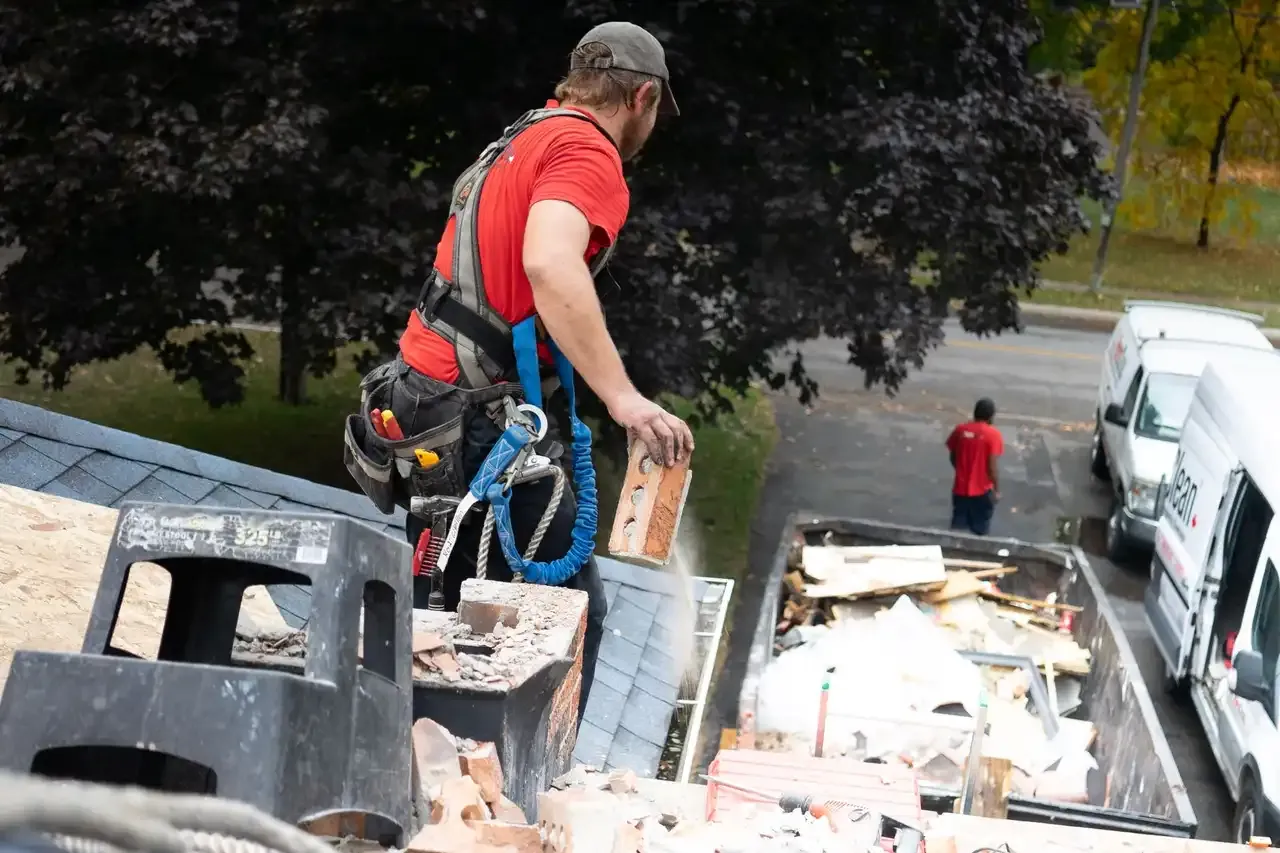
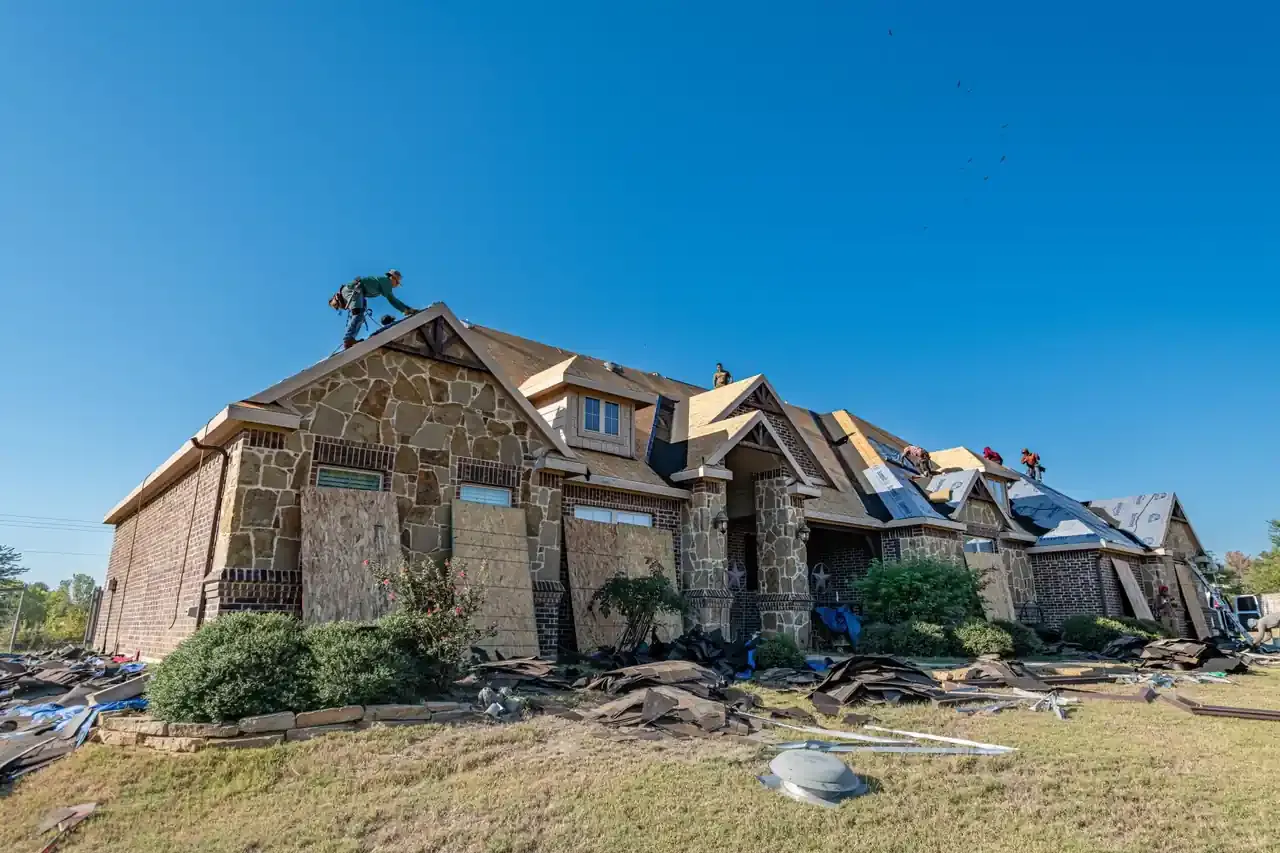
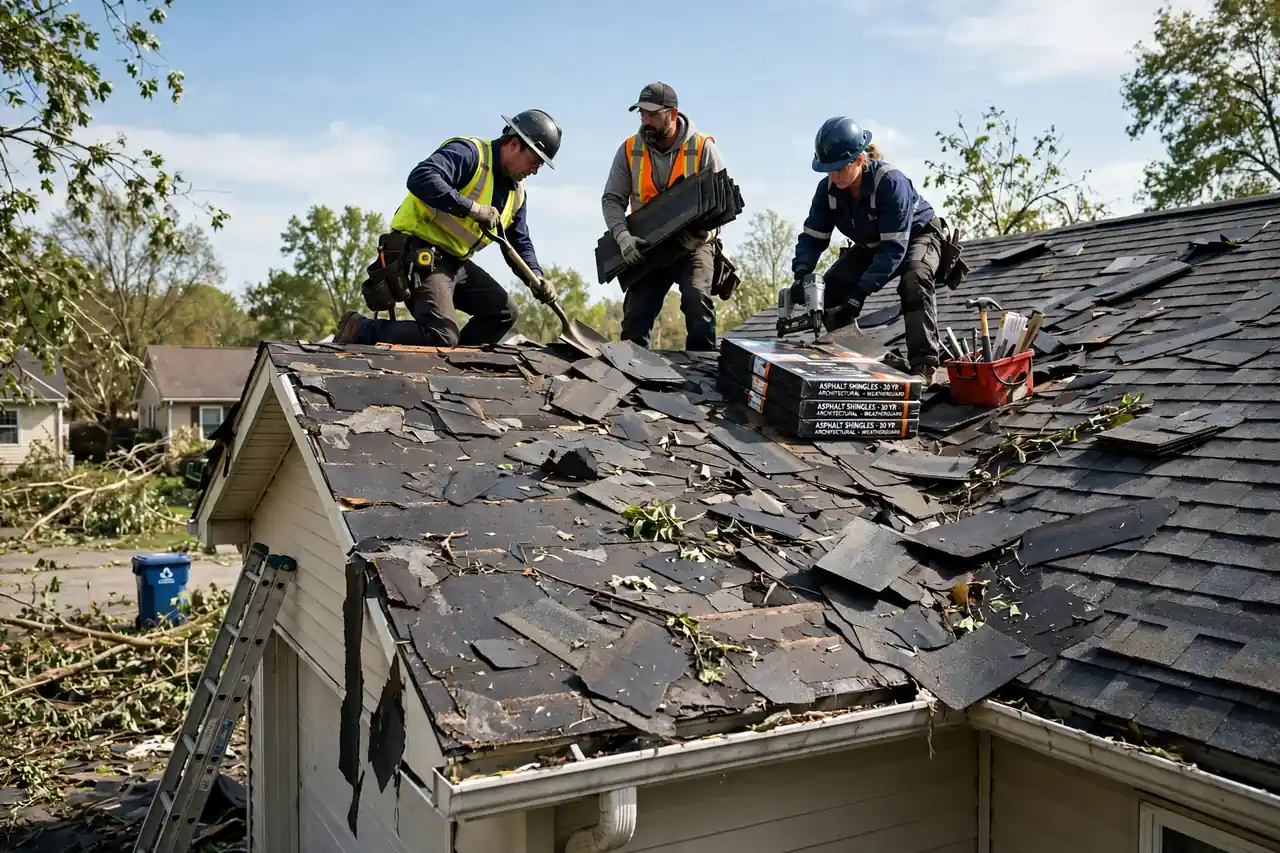
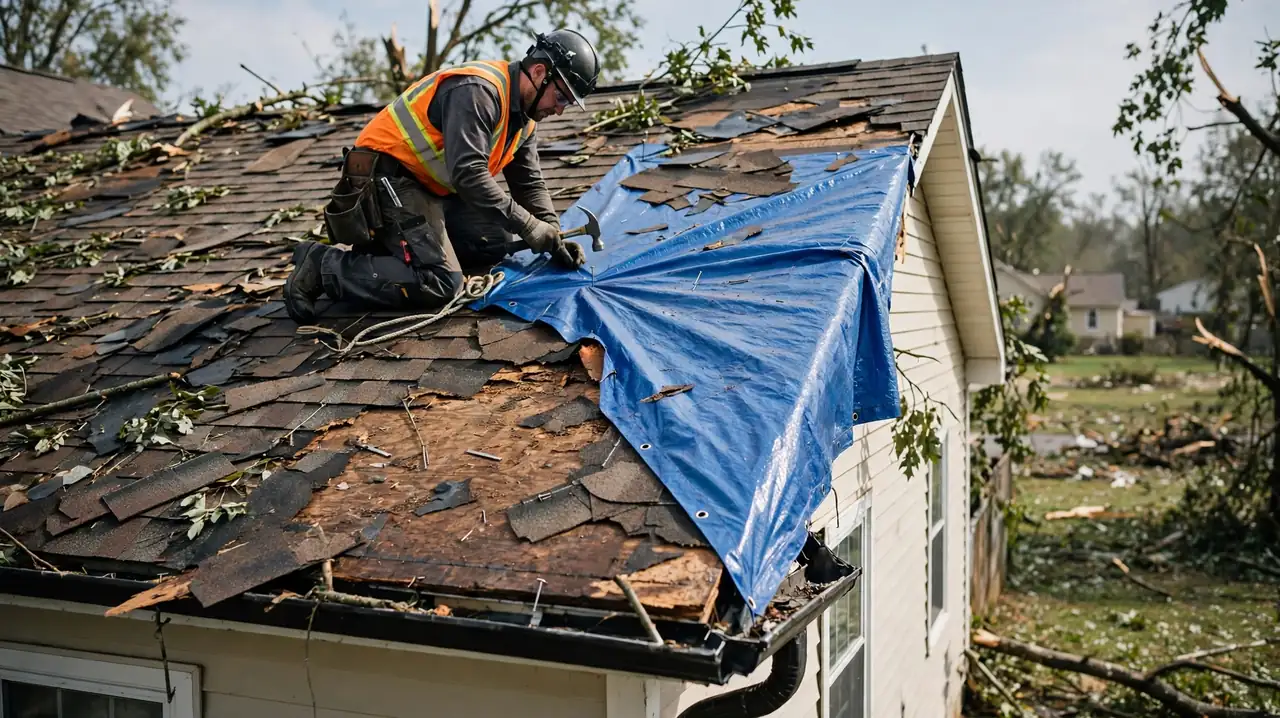
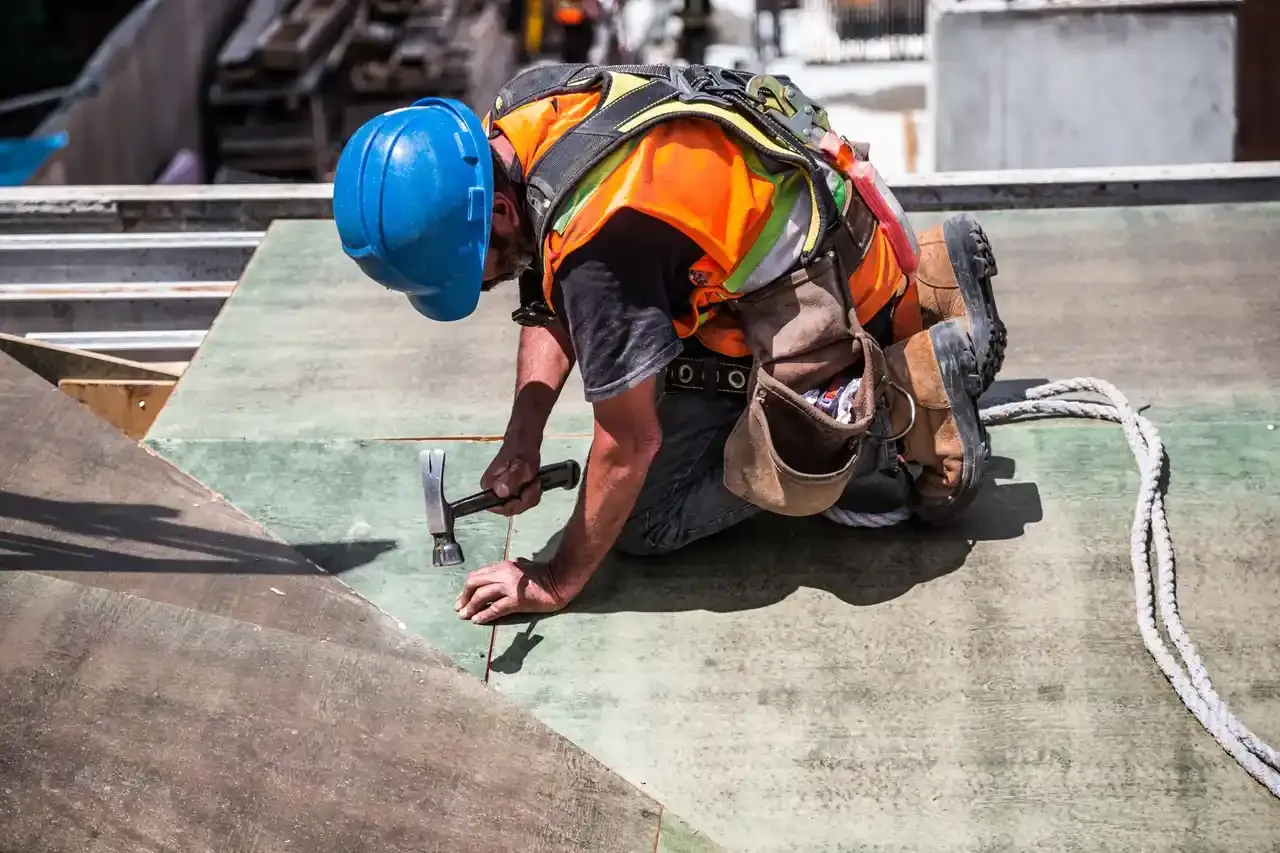
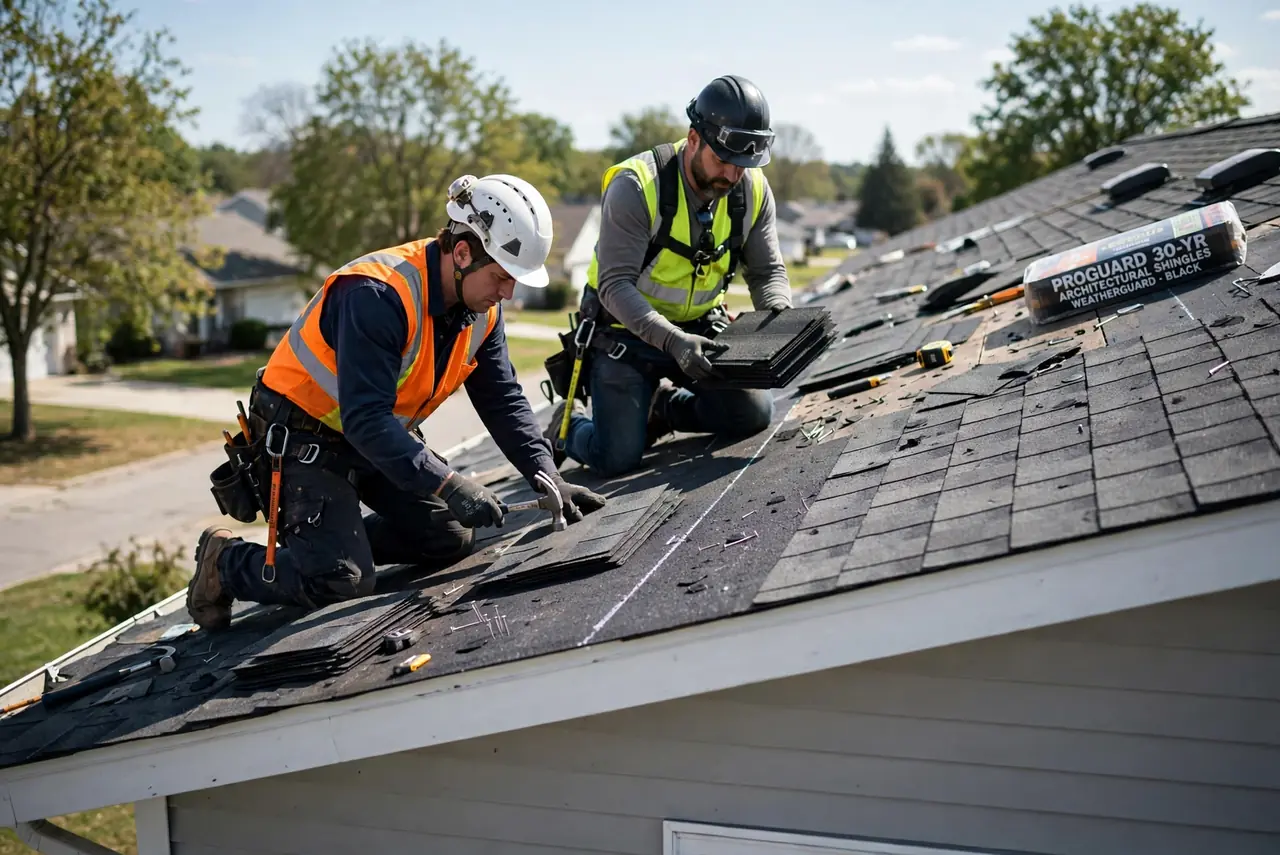
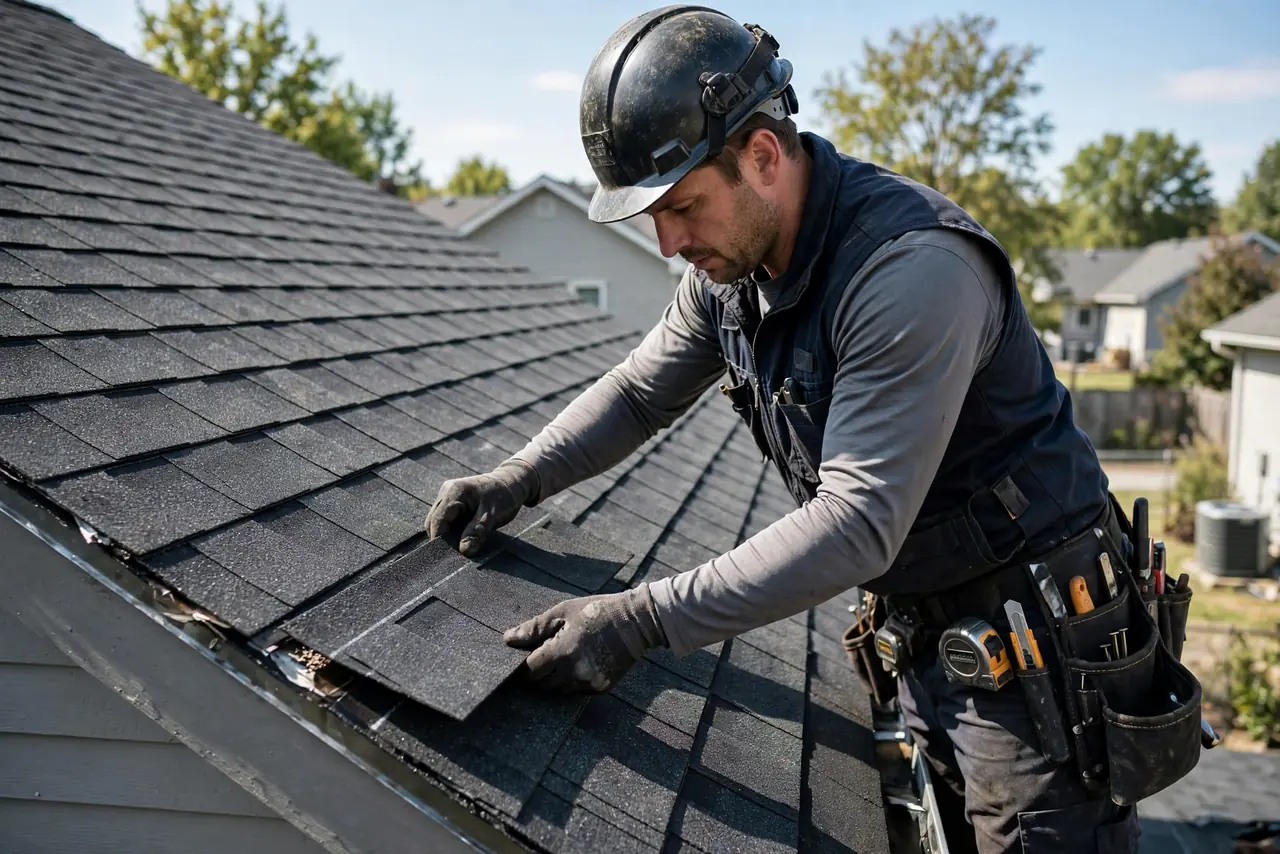
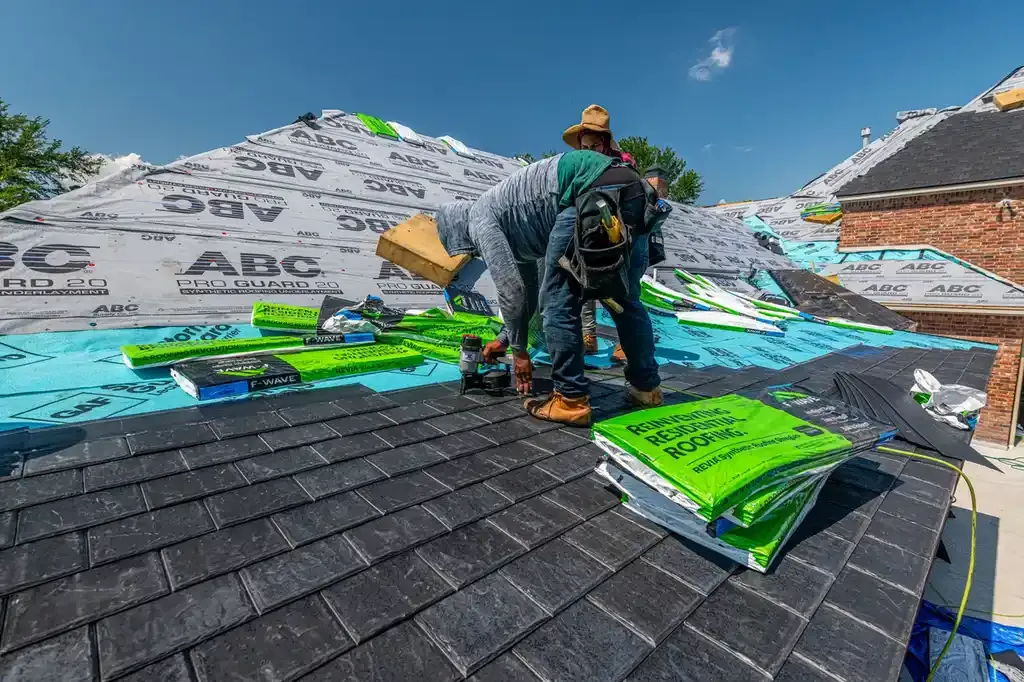
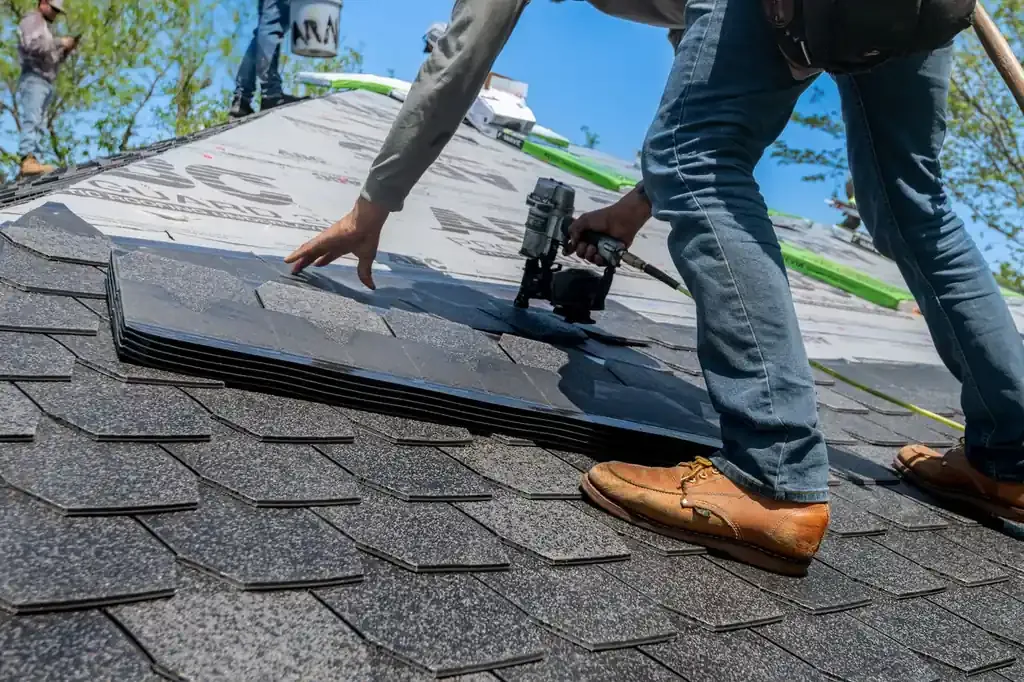
Roof decking repair Tomball TX restores the wood panels beneath your roofing when leaks, storm damage, or rot weaken their support. Tomball Roofing Experts help homeowners and property managers protect shingles, underlayment, and the structure below. We inspect from the roof and attic, identify soft or swollen sections, and explain the repair before work starts. If you see ceiling stains, hear roof popping, or notice a sag, prompt attention can limit further damage.
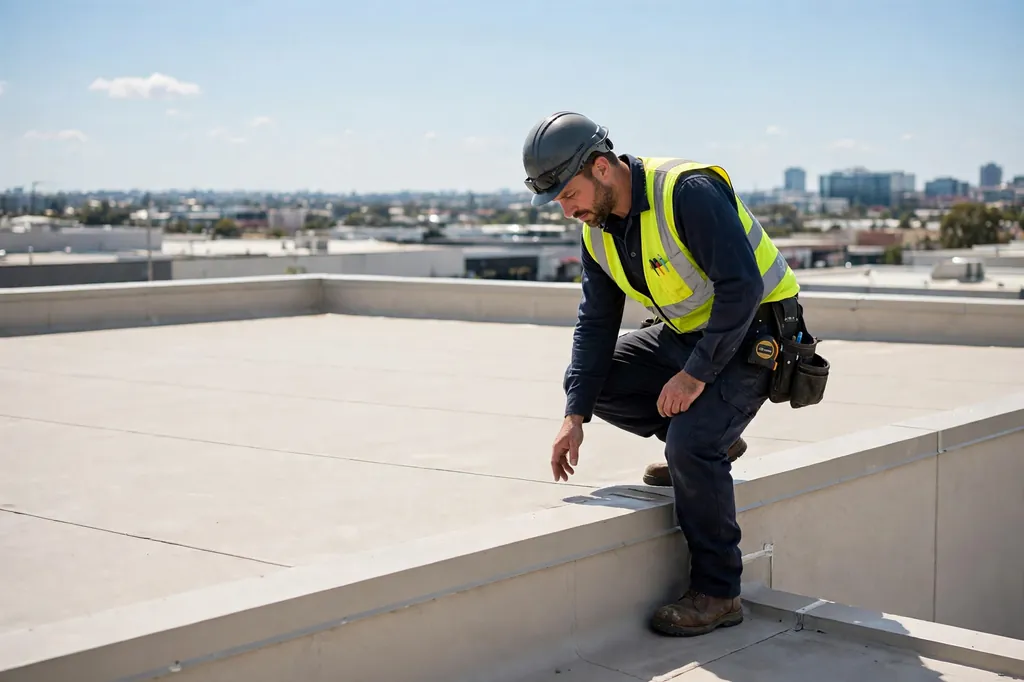
Photo recordsWe document the opened and repaired area.
Measured cutsWe mark panel edges before removal.
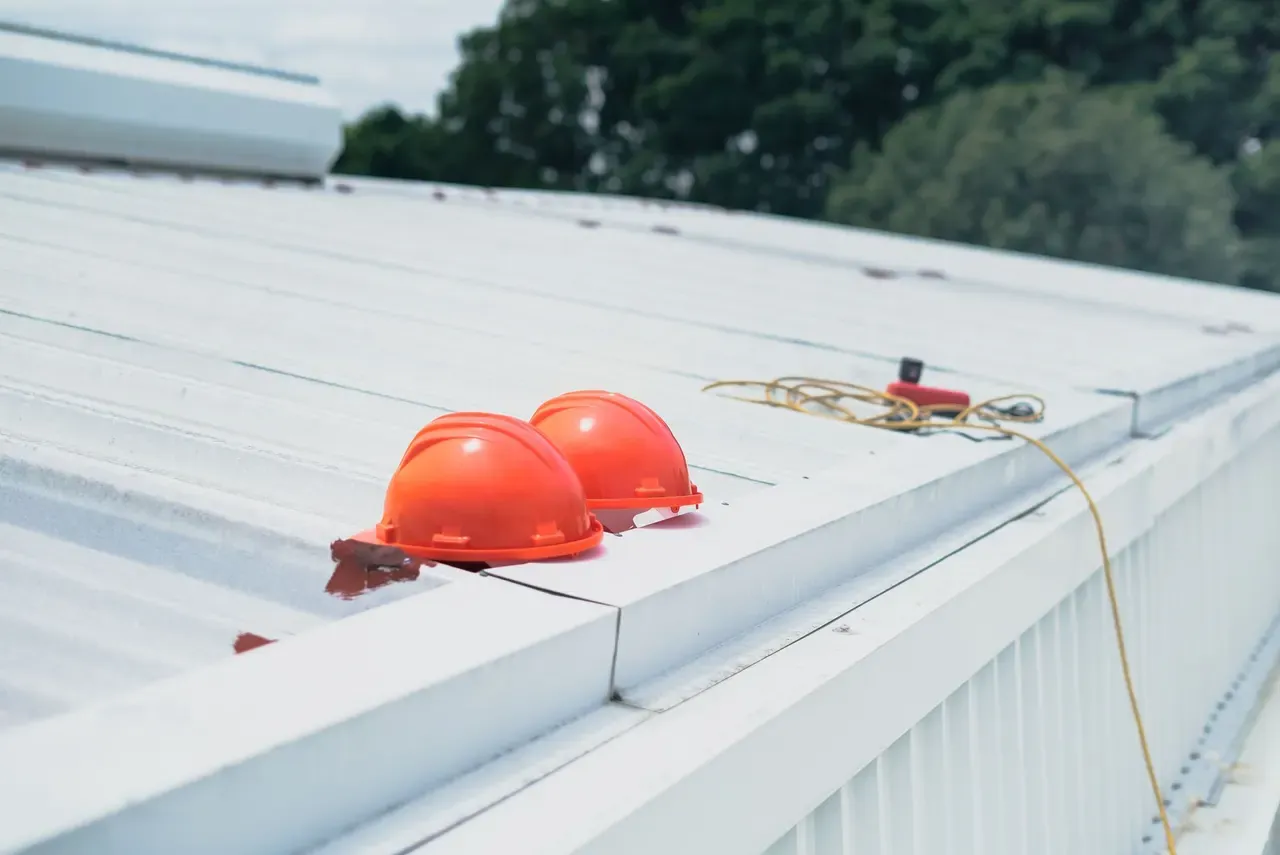
Protected accessWe secure the roof work area.
Final checkWe inspect seams and restored roofing.
What Roof Decking Repair Includes
Roof decking repair covers inspection of the affected roof area, removal of unsound panels, installation and fastening of replacement decking, and restoration of the roof layers disturbed for access. We also check the likely water entry point and nearby transitions. The extent of concealed framing damage, broad underlayment replacement, or a larger roofing replacement is determined by what the opened area reveals and discussed with you.
Deck Condition Check
We inspect the roof surface and accessible attic for soft, swollen, stained, or delaminated panels. A moisture meter can help assess exposed wood, while the roof layout helps us connect the damage to a leak or opening.
Damaged Panel Removal
We cut out compromised decking to firm edges and check the framing that supports it. The repair boundary follows sound material rather than a fixed panel count, because moisture can travel beyond the visible stain.
Replacement Decking
We fit replacement panels to the roof framing and fasten them securely, keeping edges supported and the repaired surface aligned. Material thickness and installation details are matched to the existing roof assembly.
Roof Layer Restoration
We restore compatible underlayment and roofing materials disturbed during access, including shingles and related flashing details where required. The finished section is checked for a flat surface and properly seated edges.
Repair Documentation
We share photos of concealed damage and the completed repair, then explain what was replaced and what to watch for. This gives you a practical record for maintenance and future roof inspections.
Homes and Businesses.
The approach is the same for a home and a business. What changes is the access, the schedule and who needs the paperwork.
Homes and Rentals
We protect your home while locating soft decking beneath shingles, valleys, vents, or chimney flashing. You see the affected section and understand the repair sequence.
Ceiling stains after heavy rain
Soft decking near a roof valley
Lifted shingles over attic dampness
Business Properties
We inspect the roof assembly with owners and property managers, focusing on leak paths, access, and affected work areas. We document concealed damage before restoring the surface.
Membrane leak above occupied space
Damaged decking near roof penetrations
Storm exposure around roof edges
Roof Decking Repair Tomball TX Explained
A plain-language look at what Roof Decking Repair involves and when it is needed.
Roof decking repair Tomball TX is a structural roof repair that removes and replaces weakened sheathing so roofing materials have a stable, secure base. We lift shingles or other covering only where access is needed, check the exposed panels and framing, then cut out damaged wood to sound edges. New decking is fastened in line with the roof structure, followed by compatible underlayment, flashing details, and roofing materials. The repair addresses the cause as well as the visible damage, rather than covering soft boards and leaving the problem underneath.
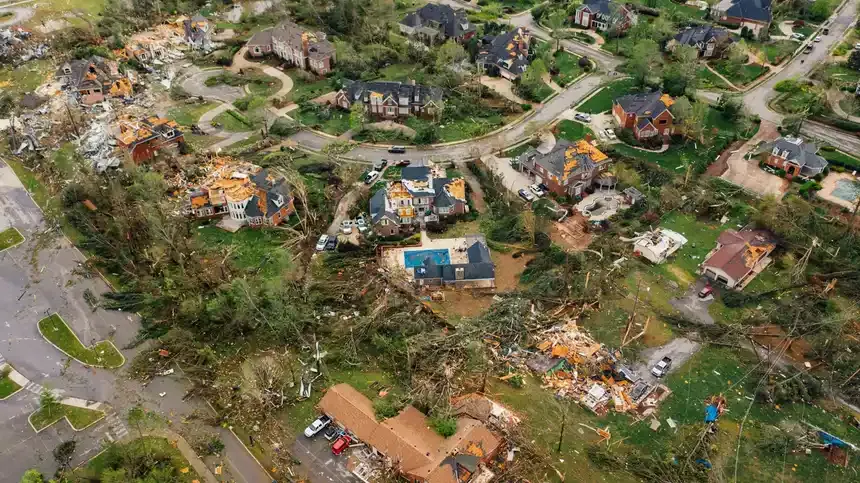
Tomball roof decking repair is often needed after roof leaks, wind-driven rain, or hail damage leaves plywood swollen, delaminated, or soft around fasteners. Humid weather can slow drying, while a flashing leak near a valley or chimney can keep water entering the same area. If you are comparing roof decking repair cost in Tomball TX, the damaged area, roof pitch, layers to remove, and replacement material all affect the work. We trace the moisture path before rebuilding.
Sound roof decking supports the covering and gives fasteners a firm base.
What It Is
Removal and replacement of weakened roof panels beneath the roofing system.
When Needed
Soft, swollen, split, or delaminated decking from leaks or storm exposure.
What To Expect
Inspection, controlled removal, panel replacement, and restoration of roof layers.
How the Repair Proceeds
Roof decking repair in Tomball starts with finding the water path and ends with checking the rebuilt section. We explain each stage so you know when the roof is open, what material is being replaced, and how the area will be closed. A localized repair often takes several hours; broader damage takes longer.
Inspect and Trace
We look for roof leaks, missing or curling shingles, flashing leaks, and signs of movement, then compare those findings with the attic side when accessible. The initial inspection usually takes 30 to 60 minutes, depending on roof access and layout. You can point out ceiling stains or the last time water appeared; that history helps us trace the entry point.
Roof check
Attic review
Leak path
Protect and Open
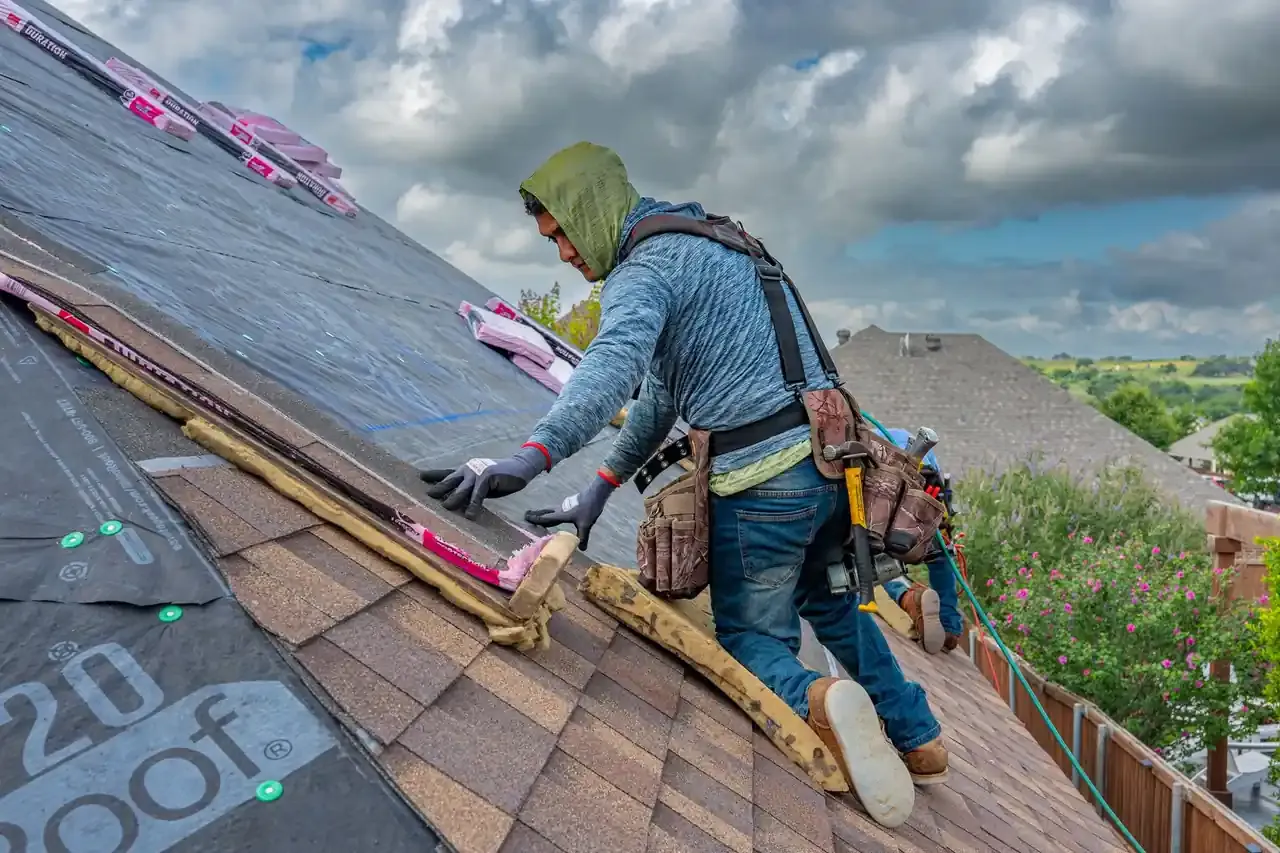
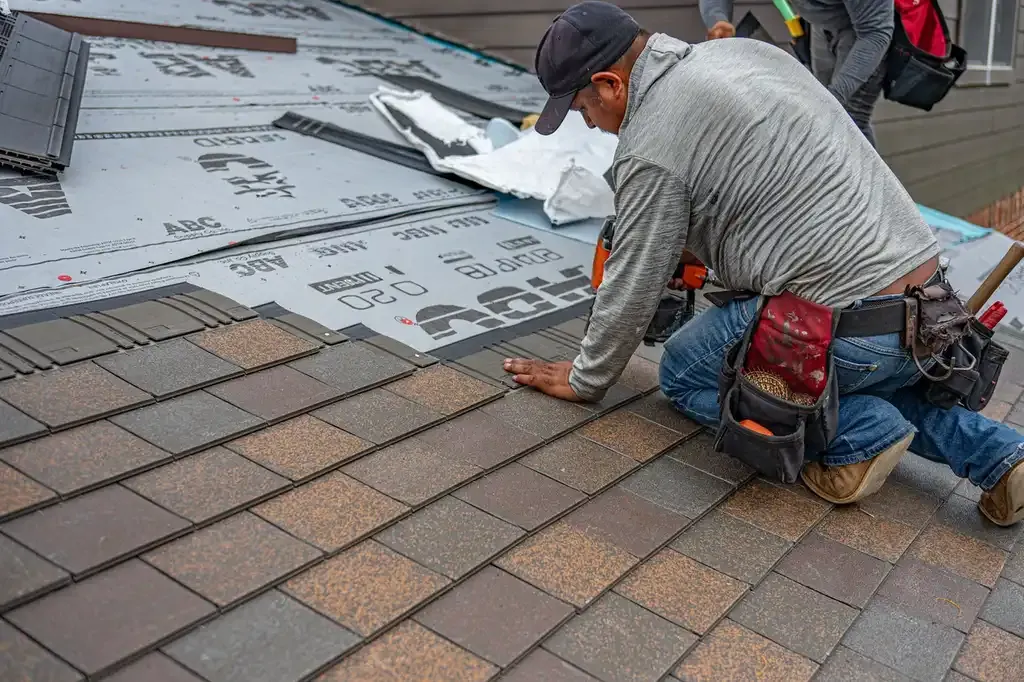
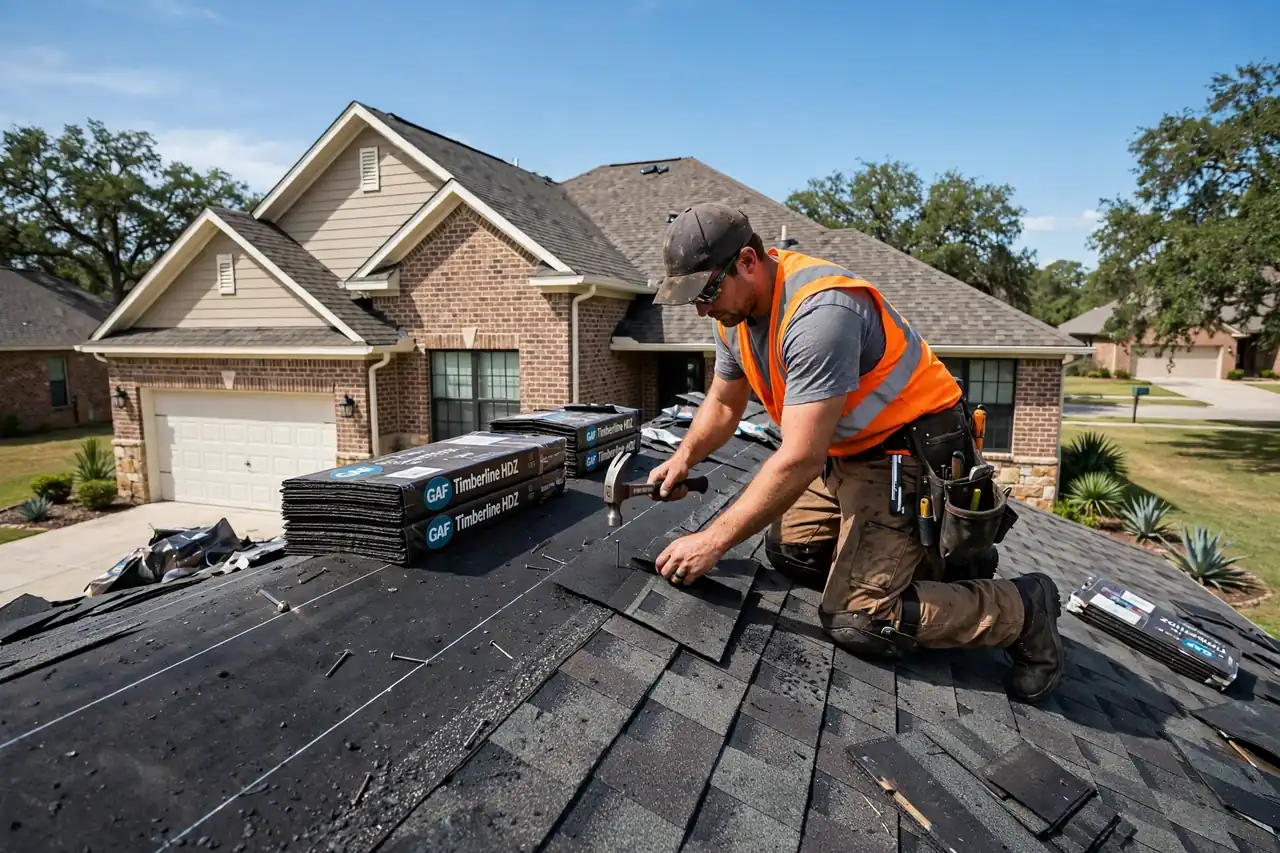
Our crew sets a roofing ladder, uses fall protection harnesses, and protects the work area before lifting shingles. A shingle ripper and pry bar help expose the affected section without needlessly disturbing sound roofing. Opening a localized area often takes one to two hours. We keep removed material contained and protect the roof from exposure while the deck is open.
Safe access
Lift shingles
Protect area
Remove Damaged Wood
We mark the cut with a chalk line, check the panel edges and framing, then remove softened or delaminated decking with controlled cuts. A roofing square helps keep replacement edges straight, while a roofing hammer or nail gun secures the new panel. We confirm the surrounding wood is firm before rebuilding; if the damage extends, we show you the additional area.
Mark panels
Check framing
Remove rot
Rebuild and Seal
We fit replacement roof decking to the framing and fasten it securely, then install compatible roof underlayment and restore shingles or other covering. The repair also includes attention to roof flashing, edge transitions, and exposed fasteners where applicable. For a small, accessible section, this stage often takes two to four hours after removal.
Fit decking
Restore layers
Seal transitions
Check and Explain
Before leaving, we inspect the repaired surface, confirm roofing materials lie flat, and check nearby seams and flashing. We photograph the completed area and explain the work performed, including any remaining concerns. You receive a practical maintenance note, such as checking the attic after the next heavy rain and watching for a new ceiling stain.
Check seams
Share photos
Explain care
Tools and Repair Methods
Move across a circle, or focus it and press Enter, for an illustrative thermal view of the photograph.
Moisture Meter
We use it on exposed wood to compare damp areas with nearby decking and help decide whether the repair boundary should extend beyond the visible stain.
Shingle Ripper
This tool lifts roofing courses around the damaged section with controlled removal, helping preserve shingles that remain sound and expose the deck for inspection.
Chalk Line
We mark straight cut boundaries across damaged panels so replacement edges align with framing and the rebuilt section fits cleanly.
Roofing Nail Gun
A roofing nail gun fastens replacement decking and restores roofing materials efficiently when the surface and fastening pattern suit the tool.
Fall Protection Harness
Our crew uses fall protection harnesses and appropriate roof access practices while working at height, especially on steep or exposed sections.
Thermal views are illustrative, generated from the photographs.
Methods
Sound-wood boundary repair
We remove damaged decking back to firm material and supported panel edges rather than covering a soft spot. The crew checks the framing, measures the opening, and fits replacement panels so each edge is secured. If moisture damage reaches farther than expected, we show the exposed condition before expanding the repair.
Leak-path tracing
We compare the interior stain, attic water tracks, roof slope, and nearby penetrations to find the route water used. This is important because a ceiling mark can appear downslope from the actual opening. We correct the entry point and the damaged deck together where both are part of the problem.
Layer-by-layer restoration
After the deck is sound, we restore compatible underlayment, flashing transitions, and roof covering in the proper sequence. We check overlaps, fastening, and surface alignment before finishing. That prevents the repair from leaving an exposed edge or uneven section that can collect water.
Code-aware installation
We use applicable IBC and IRC provisions and product installation instructions to guide the repair details. Roof pitch, panel support, and roofing type affect fastening and underlayment choices. We match the work to the existing assembly and explain when a broader repair is needed.
When Roof Decking Needs Repair
Valley Leak
A Tomball homeowner finds a fresh ceiling stain below a roof valley after a night of hard rain.
We inspect the roof valley and attic for water tracks, then open the affected section if the deck feels soft or looks swollen. We replace weakened panels, restore underlayment and shingles, and check the valley details that direct runoff. You can point out the stain location to help us compare the interior and roof layout.
Outcome: The compromised wood is replaced and the valley is restored, limiting continued moisture entry and protecting the ceiling below.
Wind-Lifted Shingles
Wind lifts several shingles in Northpointe and rain reaches the roof deck before the opening is noticed.
We secure access, remove loose roofing around the damage, and inspect the exposed decking for splits or water saturation. We replace unsound wood, fasten the new section to framing, then install compatible underlayment and shingles. We also check nearby courses for lifted edges that could allow another leak.
Outcome: A solid deck supports the repaired shingles, while adjacent loose roofing is identified and addressed instead of ignored.
Attic Moisture
A property manager in Tomball Town Center sees roof popping noises and finds a damp patch in an attic after repeated rain.
We examine the attic and roof above the patch, checking panel seams, fasteners, and nearby flashing. If the decking has separated or softened, we remove the affected area and install new panels with supported edges. Photos document the opened section, and we explain whether the sound came from the damaged deck or another roof component.
Outcome: The property manager gets a repaired roof section and a clear record to support building maintenance decisions.
Chimney Leak
A chimney flashing leak in Old Town Tomball leaves dark staining and soft wood around the roof opening.
We remove enough roofing to inspect the chimney-side decking and locate the flashing failure. Damaged wood is cut back to firm material, replacement decking is secured, and the flashing is repaired before the roofing is restored. We check the surrounding transition for gaps that could keep feeding water under the shingles.
Outcome: The weakened deck and leak detail are both corrected, reducing the chance of recurring moisture around the chimney.
Downtown TomballAmiraWillow Creek
How Roof Deck Repairs Work in Tomball
Roof sheathing repair Tomball TX must account for local rain, humidity, and the mix of shingle, metal, and low-slope roofs found across the area. Repeated rain can keep a small flashing leak active, while wind-driven storms can lift shingles and expose panel edges. We inspect the roof and attic together when access allows, because water can travel along framing before it marks a ceiling.
For same-day roof decking repair Tomball, the condition of the roof, weather, and extent of exposed damage shape what can safely be completed. Our crew protects an open section and restores the roof layers as the work progresses. We follow applicable IBC and IRC requirements and manufacturer instructions for the existing system.
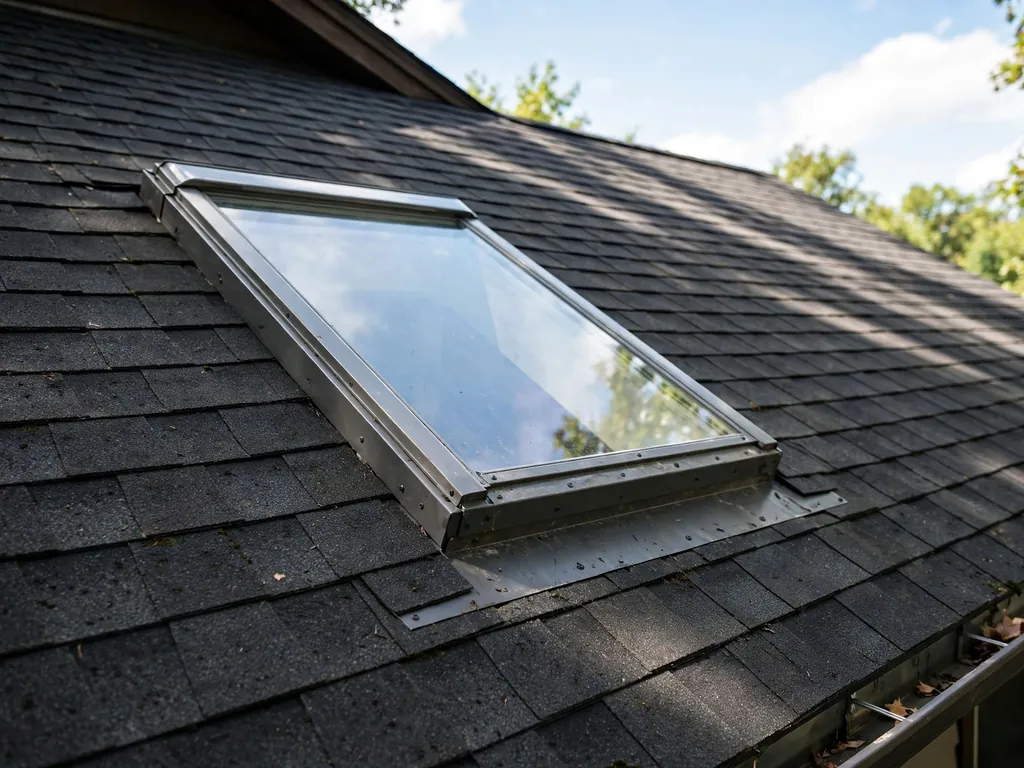
In Harris County neighborhoods, drainage, tree debris, and roof penetrations deserve close attention. Tell us whether the issue appeared after a storm, around a chimney, or near a skylight; that detail helps focus the inspection and identify the likely repair area.
Downtown Tomball: We pay close attention to roof valleys, chimney transitions, and older flashing details where repeated rain can reach hidden decking.
Amira: After wind-driven rain, we check lifted shingle edges and attic water tracks to see whether moisture has reached the roof panels.
Willow Creek: Tree debris and roof drainage can keep damp material against roof edges, so we inspect eaves and nearby decking for prolonged moisture.
Tomball Town Center: For homes and commercial properties, we coordinate roof access and inspect the deck beneath the affected roofing or membrane area.
Repeated heavy rain can keep small flashing leaks active: Water entering around a vent, valley, or chimney can travel along the deck before showing indoors. We inspect the uphill roof area and attic water tracks, then replace weakened panels and correct the entry detail.
Wind-driven storms can lift shingles and expose panel edges: A lifted shingle can let rain reach the underlayment and decking, especially around roof edges and ridges. We check nearby courses as well as the visibly damaged section before restoring the roof surface.
We walk through the reported leak and explain the roof and attic checks.
We protect the work area, secure access, and prepare the roof section.
We inspect the repair, share photos, and explain follow-up checks.
From Problem to Finished Result.
IllustrativeThe thermal view is generated from the photograph. It is not a measurement. Drag the handle, or use the arrow keys once it is focused.
Valley Leak and Soft Panels
Before: A homeowner noticed a ceiling stain after rain and found two shingles shifted above a roof valley. The exposed attic area showed a damp trail, but the full extent was unclear from below. The plywood felt soft near the valley seam, making the fastener hold uncertain and leaving the leak active.
After: We replaced two damaged decking panels, restored the underlayment, and repaired the affected valley shingles. The crew checked the surrounding courses and photographed the work before closing the roof. The homeowner could see the repaired area and the source of the water path instead of relying on a surface patch.
Check the attic after the next heavy rain and watch for new staining near the valley. Keep roof valleys clear of leaves, and arrange an inspection if shingles lift or a ceiling mark returns.
Chimney Flashing Rot
Before: Water entered beside a chimney during repeated rain, leaving dark wood and a spreading stain in the room below. The flashing looked uneven, and the decking near the opening had started to soften. A surface seal alone would not have restored support or stopped the damaged wood from remaining in place.
After: We removed the affected roofing, replaced one compromised deck section, and corrected the chimney flashing transition. The new panel was fastened to supported framing, and the roof covering was restored around the opening. The repair addressed both the weakened wood and the route water had followed.
Look for separated flashing edges and fresh interior staining during routine roof checks. Keep a record of the repaired area and report any new dampness promptly so the transition can be inspected.
Wind-Lifted Shingles
Before: After a storm, several shingles were missing near the eave and the homeowner heard a light popping sound above the bedroom. Rain had reached a narrow strip of decking, and one panel edge had weakened. The roof needed more than replacement shingles because the fasteners had little solid material to grip.
After: We removed the loose roofing, replaced one damaged panel, and checked the adjacent deck and shingles. The repaired area was restored with underlayment and matching roof materials, leaving a stable surface for the fasteners. The crew also documented the final roof section and explained what to monitor.
After strong winds, scan the roof from the ground for missing or lifted shingles and check the attic for fresh water marks. Avoid walking on the roof; call for an inspection if you notice a new sound or sag.
Fix Roof Decking Problems Before They Spread
Affordable roof sheathing repair in Tomball, Texas starts by identifying which wood has lost strength and why it stayed wet. We look beyond the stain, check adjacent panels, and repair the water entry detail so you are not left with new decking under an active leak.
Soft panelsSoft roof panels beneath shingles after a prolonged leakSoft wood gives nails a weak hold and can allow shingles to shift. Continued moisture can spread into neighboring panels and attic materials. We open the affected roof area, trace the leak, and test the exposed deck for firmness. We remove weakened wood to sound edges, fasten replacement decking to the framing, and restore the underlayment and shingles. Before closing the area, we check the nearby flashing and seams so the same leak path is not left behind.
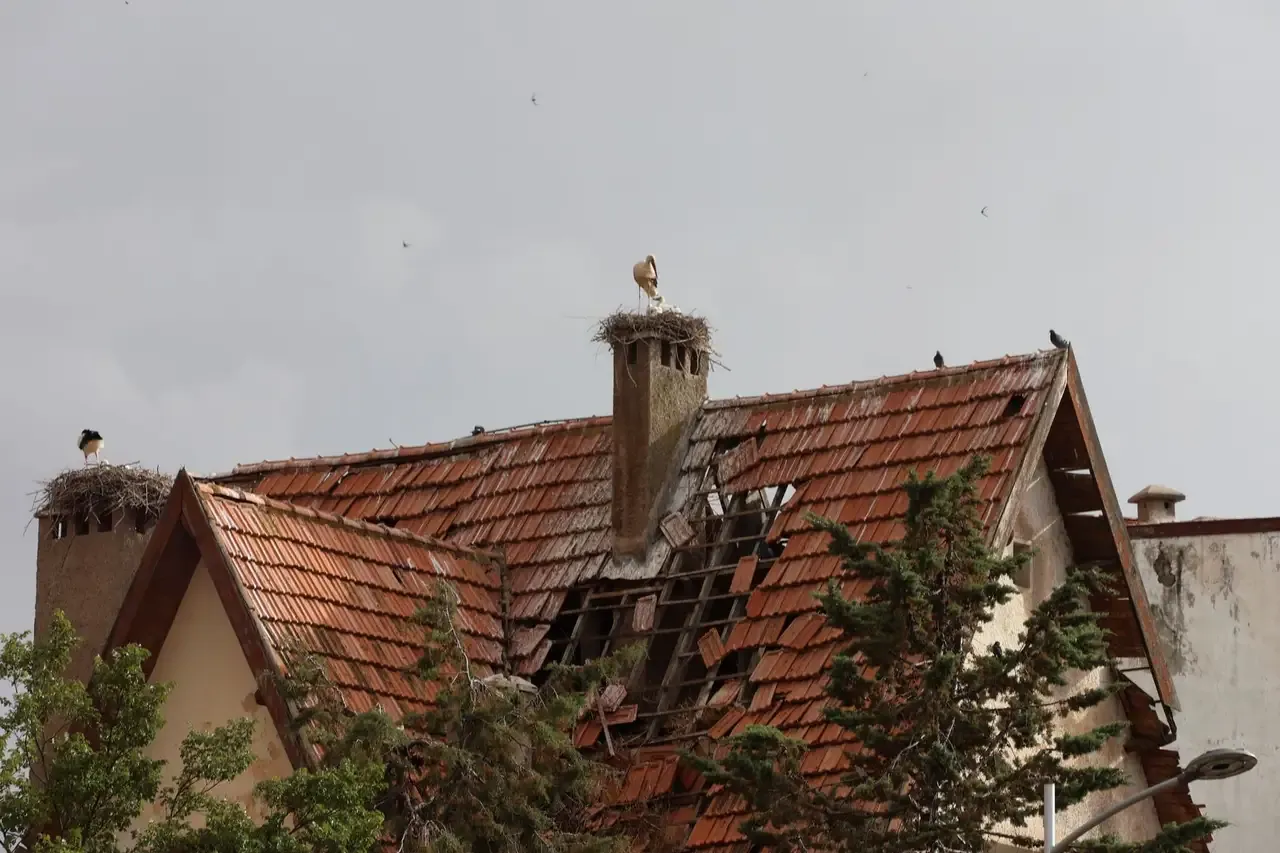
Swollen valleySwollen plywood around a roof valley after heavy rainValleys carry concentrated runoff, so failed roofing there can keep panels wet and lead to stains, delamination, or sagging below. We inspect the valley from the roof and attic where accessible, then remove shingles and underlayment as needed to expose the affected panel. After replacing damaged decking, we restore the valley layers and check the surrounding shingles for wind or water damage. You see the exposed wood and finished repair in photos.
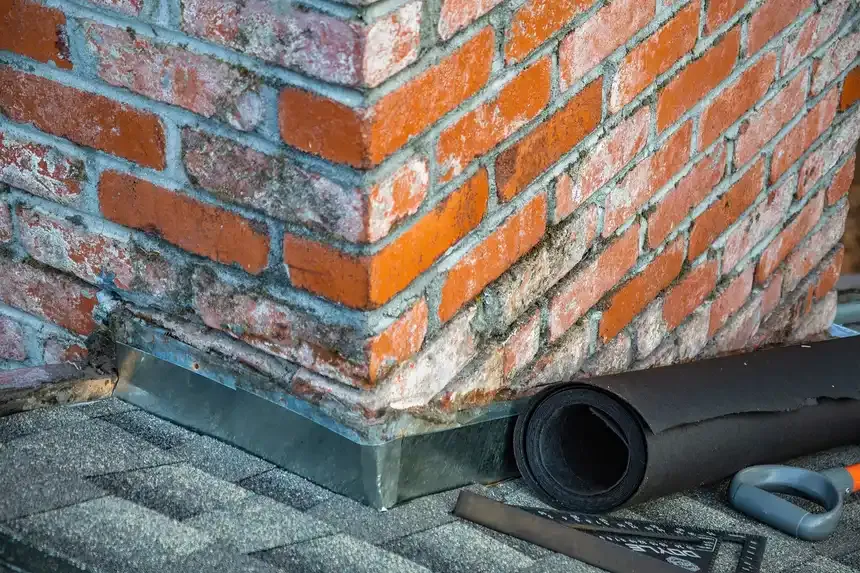
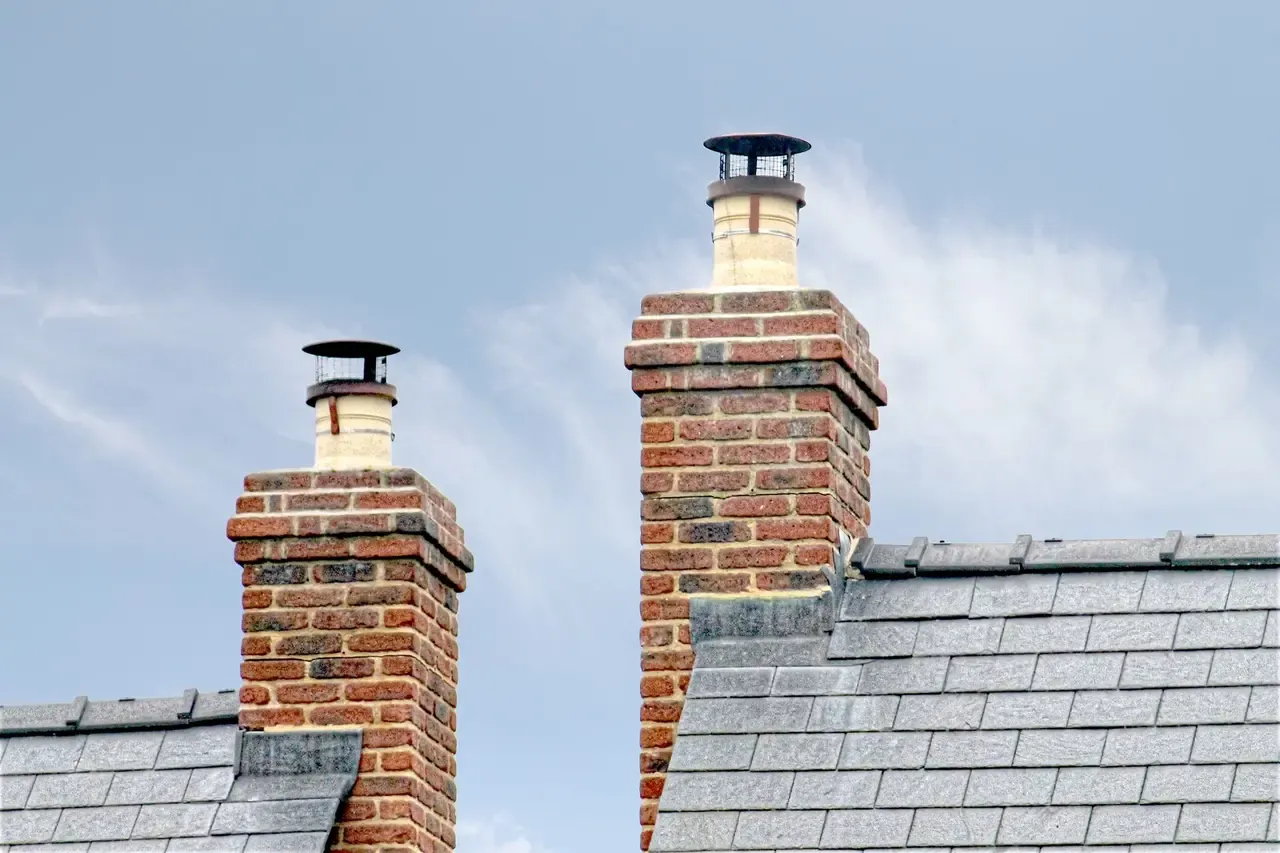
Chimney rotRoof decking rot near chimney flashing or a ventA small gap around a roof penetration can direct water into the deck repeatedly, damaging wood before the leak becomes obvious indoors. We inspect the flashing, seal transitions, and deck around the penetration rather than replacing only the visible stain. We remove rotten sections, secure new decking, and rebuild the surrounding roof detail with compatible materials. The repair is checked for clean overlaps and a supported surface before the covering is restored.
Sagging deckRoof sagging or popping sounds above a water-stained ceilingA sag or new sound can indicate movement, moisture, or a loose roof component. Delaying inspection risks additional damage to the deck and interior. We compare the roof surface, attic framing, and interior symptoms to locate the problem. If the decking is damaged, we expose enough area to assess the panel edges and supporting framing, then explain the repair needed. We address the leak source and rebuild the section before replacing the roofing layers.
What A Sound Deck Delivers
Sound decking supports roofing materials and helps keep water out.
Secure Fastener Hold
Shingles and roofing nails need solid wood beneath them. We remove punky or split decking so replacement fasteners bite into sound material instead of lifting loose boards. This helps reduce recurring shingle movement and keeps the repaired section stable through ordinary roof loading and wind.
Stop Hidden Moisture
A damp panel can hold water after the visible leak seems to stop. We check the exposed decking with a moisture meter and inspect nearby seams before closing the roof. That helps identify whether the repair should extend beyond one visibly stained board.
Protect Interior Finishes
A small roof opening can lead to attic water damage, stained ceilings, and damaged insulation if left unattended. We correct the compromised deck and address the entry point, helping protect rooms below. Tell us when stains first appeared so we can compare their location with the roof layout.
Plan the Right Repair
Replacing only damaged panels can preserve sound roofing around them; widespread softness may call for a larger repair plan. We show you the affected section and explain the difference. The decision is based on the exposed wood, framing, and roof condition, not guesswork from the ground.
What You Receive
Clear records you can keep and share.
Photo Record
Images of exposed damage and completed repair.
Repair Summary
Description of panels replaced and roof layers restored.
Material Note
Record of decking and roofing materials used.
Care Notes
Practical checks for attic and roof symptoms.
Repair Versus Replacement
The right choice depends on how much decking is damaged and whether the surrounding roof remains serviceable.
Localized Repair
A limited damaged area with sound surrounding panels.
Replace affected panels
Preserve sound roofing
Correct the leak source
Expanded Repair
Several connected panels or additional framing need attention.
Inspect adjacent decking
Check supporting framing
Restore larger roof section
Roof Replacement
Widespread roof wear or damage calls for a broader plan.
Review full roof condition
Replace unsound decking
Install a complete roof system
Roof Components
Plywood decking
Roof sheathing
Asphalt shingles
Roof underlayment
Roof flashing
Roof valleys
Panel fasteners
Attic framing
Service ZIP Codes.
A list like this tells people straight away whether you cover their street. Not listed? Call and ask: it only takes a minute.
We had a ceiling stain after heavy rain and expected a much larger problem. The crew found a soft section near the roof valley, showed us photos of the damaged decking, and explained how the leak started. They replaced the panel and repaired the shingles above it. The room stayed dry through the next storm, and the cleanup was thorough.
A few shingles had lifted and the roof made a popping sound in the same area. The team checked the attic, opened the roof carefully, and found two plywood panels with separated layers. They replaced the bad wood, checked the surrounding fasteners, and showed us the finished section before packing up. The explanation was straightforward.
Water showed up near an interior wall after a flashing leak. The crew traced it to damp decking, replaced the affected section, and corrected the roof detail that let water in. They documented the work with photos, which helped us update the maintenance file. The repair was completed in one workday without disturbing the occupied rooms.
Frequently Asked Questions
In 2026, the final cost depends on how many panels are damaged, roof pitch, covering removal, material, and whether framing also needs work. We inspect the exposed area, identify the water source, and explain the price before beginning. A photo of the roof alone cannot confirm hidden wood damage.
Most repairs limited to one or two accessible panels take about four to eight hours, while extensive damage can require one or more days. Time changes with roof pitch, weather, covering type, and whether framing or underlayment also needs repair. We protect the opening during the work and restore the roofing as soon as the deck is ready. If rain is forecast, we prioritize keeping the exposed section covered between steps.
Choose a Tomball roof decking company that can show the damaged wood, trace the moisture source, and explain how the replacement will tie into your roof. Ask whether the crew checks framing, underlayment, and nearby flashing before closing the area. Tomball Roofing Experts document the exposed condition and walk you through the repair. Compare clear descriptions of the work rather than relying on a superlative or a low price alone.
Same-day plywood roof decking repair in Tomball is possible when the damage is localized, materials are available, and roof conditions allow safe work. Active leaks may first need temporary protection before the full repair can proceed. Call us at (877) 791-3217 and describe the leak, roof type, and any ceiling damage. We will discuss what can be inspected and repaired that day based on the actual conditions.
A soft roof panel or spreading ceiling stain deserves a close inspection before more water reaches the attic. Call Tomball Roofing Experts at (877) 791-3217; our team will discuss what you are seeing and arrange the next step.
Call (877) 791-3217 to discuss Roof Replacement, Roof Repair, a leak, or storm damage at your Tomball property. Our phone team can hear the details and connect your request with an independent roofing company. Contact us during regular business hours, Monday through Friday, 8 a.m. to 6 p.m.; for active water entry, describe where it is happening when you call.