Why Is My Roof Flashing Leaking Around the Chimney
Chimney leaks often come from failed flashing, worn sealant, or damaged masonry. Learn how to spot the cause and what chimney repairs cost in Tomball.
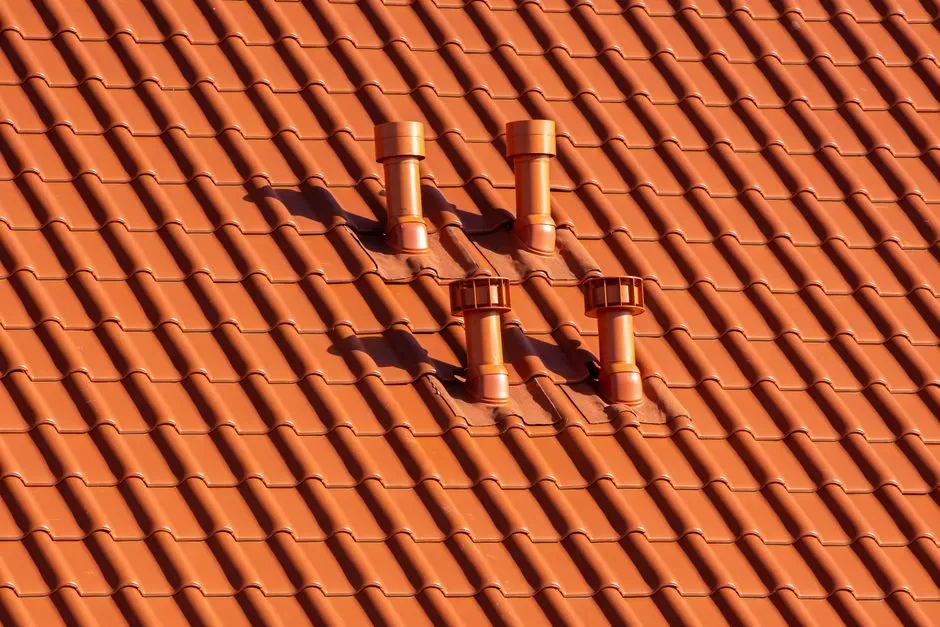
Your roof flashing is leaking around the chimney because water has found a gap in the metal-to-roof or metal-to-masonry seal-most often from failed step flashing, loose counterflashing, deteriorated mortar, or storm movement. In Tomball, repeated rain and humid conditions expose those weak points, and water can travel along framing before it appears on your ceiling.
A damp stain near the fireplace does not always mark the entry point, so the right repair starts with tracing the water path rather than smearing sealant over the visible spot. We'll explain the likely causes, what a sound repair involves, what it costs, and how to tell when the roof needs more than a patch.
Why Is My Roof Flashing Leaking Around the Chimney in Tomball TX?
A roof flashing leak around a chimney in Tomball TX usually starts where flashing overlaps the shingles or where counterflashing meets the chimney masonry. The assembly can fail after years of movement, corroded metal, poor installation, or wind-driven rain that pushes under a loose edge.
The roof-to-chimney joint has several parts that must work together. If one layer is missing or installed out of sequence, water can run beneath the shingles and into the roof deck even when the metal looks intact from the ground.
Common causes we find include:
- Step flashing gaps: Individual pieces should weave with each shingle course; a skipped or flattened piece gives water a route inward.
- Loose or failed counterflashing: The upper metal layer should protect the step flashing and be secured into the masonry joint.
- Cracked mortar or brick: Water enters the chimney itself, then travels down and resembles a roof leak.
- Storm damage: Strong gusts, hail, or falling branches can bend flashing or lift shingles at the chimney corners.
- Incorrect prior patching: Surface caulk can conceal a gap without restoring the layered metal system.
Why is roof flashing leaking around chimney Tomball TX describes a repair problem that needs a roof-and-masonry inspection to identify the entry point and restore the water-shedding layers.
Our Roof Replacement, Roof Repair Tomball TX work includes tracing leaks back to their source, not just treating the ceiling stain. That distinction matters because wet insulation or roof sheathing can keep causing trouble after the visible drip stops.
How Chimney Flashing Works-and Where It Fails
Chimney flashing in Tomball protects the joint where a vertical masonry structure passes through a sloped roof by directing runoff over the shingles and away from the roof opening. Proper flashing uses several overlapping pieces, not one bead of caulk.
At the lower edge, the front apron directs water downslope. Step flashing runs up both sides, with a piece integrated into each shingle course; back-pan or cricket flashing handles water behind a wide chimney. Counterflashing overlaps the upper edge and is embedded or secured into a masonry joint so water cannot run behind the metal.
On roofs with a chimney wider than about 30 inches across the slope, a cricket is often needed to split runoff and reduce water or debris buildup behind it. The exact detail depends on the roof and local code requirements, but the principle is simple: every upper layer must overlap the lower layer like shingles do.
Metal expands and contracts as temperatures change. Over time, that movement can loosen fasteners, open seams, or pull sealant away from brick. Tomball's humid weather and heavy downpours make small openings consequential; water can reach the attic before a stain appears indoors.
When the chimney leak accompanies a broader roof issue, we assess the shingles and surrounding drainage as well as the metal. A full Roof Repair Tomball TX visit can distinguish a localized flashing failure from a nearby valley, vent, or shingle problem.
Clues That Point to a Chimney Flashing Leak
A chimney flashing leak in Tomball often shows up as a ceiling stain, damp attic insulation, or musty smell after rain, but those signs alone do not prove the chimney is the source. The timing and location of moisture help narrow it down.
Look for a brown ring or peeling paint near the chimney, water marks on rafters, rusted nails, or damp insulation on the uphill side. You may also see white mineral deposits on brick, crumbling mortar, or a dark trail where water has run along the chimney breast. A leak that appears only during wind-driven rain often points to an exposed flashing edge or masonry joint.
Water can travel several feet along a rafter or roof deck before dripping. That is why a stain on the room below the chimney may not line up directly with the opening in the roof. If you can safely check the attic from the floor or hatch, note where insulation is wet, but do not step onto ceiling drywall or climb onto a wet roof.
After a storm, take photographs from the ground and note whether the leak occurs during steady rain or only with wind from a particular direction. That information helps our team target the inspection without putting you at risk.
How We Find and Repair the Leak
Chimney leak repair in Tomball, Texas starts with checking the roof surface, flashing overlaps, chimney masonry, and attic for a continuous water trail. We look for the actual entry point before choosing a repair, because replacing sound metal will not fix cracked masonry and repointing a chimney will not correct missing step flashing.
Once we identify the failure, we remove enough shingles or trim to inspect the concealed layers. A durable repair may involve replacing damaged step flashing, fitting a new apron or back-pan, securing counterflashing into a sound mortar joint, or rebuilding the cricket detail. If the masonry has cracks, a roofer and masonry repair may both be needed to stop water entering the chimney wall.
Our team checks the roof deck around the opening for soft or darkened wood. A small leak caught early may need only localized flashing work; prolonged moisture can damage sheathing and insulation and widen the job. We then reinstall shingles so the courses overlap correctly and confirm the repair sheds water.
For broader flashing repair Tomball TX, we inspect other roof transitions too, since a roof can have several vulnerable joints. The goal is a properly layered assembly that moves water downhill, not a surface patch that hides the symptom for a few weeks.
What Does Chimney Flashing Repair Cost in Tomball?
Typical 2026 chimney flashing repair pricing in Tomball ranges from about $350 to $1,200 for accessible localized repairs, while extensive flashing replacement with masonry or decking work can reach $1,500 to $3,500 or more. The final cost depends on the chimney size, roof pitch, materials, access, and how far water has traveled.
A straightforward reseal or small metal repair is at the low end only when the flashing layers remain sound. Replacing step and counterflashing takes more labor because shingles or masonry joints must be opened and rebuilt. Adding a cricket, repairing deteriorated mortar, or replacing wet roof decking adds work and materials.
For a roof with a steep pitch, slate or tile, or limited access, labor increases. A typical localized repair may take 2 to 5 hours; a more involved replacement can take most of a day or longer when masonry and wood repairs are needed. We explain the cause and price before work begins, so you know what the repair addresses.
Do not judge a quote by the amount of caulk it includes. A low-cost smear over loose metal may leave the water path untouched, while a properly rebuilt flashing system addresses the overlapping layers that keep rain out.
Common Mistakes That Let Chimney Leaks Return
Chimney leaks return when a repair seals the visible crack but leaves a failed flashing layer or a water entry point in the masonry untouched. The repair needs to address the full route from the roof surface to the interior stain.
These shortcuts often make the next leak harder to diagnose:
- Caulking over everything: Sealant has a useful role at specific joints, but it is not a substitute for step flashing and counterflashing.
- Using roof cement as a permanent repair: Thick surface patches can crack or separate as the roof and chimney move.
- Replacing shingles only: New shingles do not correct metal that is bent, corroded, or installed behind the wrong layer.
- Ignoring the chimney crown or mortar: Water entering above the roofline can run down inside the masonry and imitate flashing failure.
- Waiting for a larger stain: A slow leak can rot roof sheathing and dampen insulation long before a ceiling spot expands.
Climbing onto a wet or steep roof to apply sealant is another common mistake. Even a small chimney can sit on a roof section with little footing, and the patch may fail before the next heavy shower.
When to Call a Professional in Tomball
Call a Tomball roofing professional when water appears near the chimney, flashing is visibly lifted or rusted, or a ceiling stain grows after rain. A prompt inspection can limit damage to the roof deck, insulation, drywall, and framing.
Arrange help quickly if water is actively dripping, you see a sagging ceiling, or the leak is near electrical fixtures; keep clear of the wet area and do not touch affected wiring. If the leak is small and contained, use a bucket, move belongings, and photograph the stain while you wait for the roof to be checked.
Our team at Tomball Roofing Experts can inspect the flashing, trace the moisture, and recommend a focused repair or replacement if the metal has failed across a larger area. We also check adjacent shingles and masonry so you are not left with a patch that misses the cause.
Frequently Asked Questions
Why Is My Roof Flashing Leaking Around the Chimney in Tomball TX?
Most often, a flashing leak starts with loose counterflashing, missing step flashing, failed sealant, or cracked chimney mortar. Tomball's heavy rain can drive water through small gaps, and the indoor stain may appear several feet away from the actual entry point. An inspection should check both the roof layers and the masonry.
How Do I Fix Chimney Flashing Leaks in Tomball, Texas?
Repair the failed flashing layer rather than covering it with caulk; a localized repair often takes 2 to 5 hours. The work may include lifting shingles, replacing step flashing, securing counterflashing into a mortar joint, and correcting damaged decking or masonry. If water is active, protect the room below and arrange a roof inspection.
Who Repairs Chimney Flashing in Tomball TX?
A roofing contractor experienced with chimney flashing repairs the roof-to-chimney metal assembly; a mason may also be needed for cracked mortar or brick. Choose a team that checks step flashing, counterflashing, the chimney crown, and the attic water trail rather than sealing only the visible seam.
How Much Does Chimney Flashing Repair Cost in Tomball?
In 2026, a localized repair commonly costs about $350 to $1,200, while extensive flashing, masonry, or decking work can run $1,500 to $3,500 or more. Roof pitch, access, chimney size, and concealed water damage determine the price. The roofer should identify which layers failed before recommending the repair.
Can I Fix Chimney Flashing Myself in Tomball TX?
You can document a leak from inside and protect belongings, but roof flashing work is safest for a trained roofer; a typical repair takes 2 to 5 hours. Wet shingles, steep slopes, and loose masonry create fall hazards, and surface caulk often fails to restore the layered flashing. Avoid climbing onto the roof.
Get Help With Roof Replacement, Roof Repair in Tomball
If water is getting in around your chimney, Tomball Roofing Experts can trace the leak and repair the failed flashing before the damage spreads. Call (877) 791-3217 to arrange help with Roof Replacement, Roof Repair in Tomball.